BWDB Officials Complete IWRM Training on Water Policy 1999, Water Act 2013 & Water Resources Regulations 2018
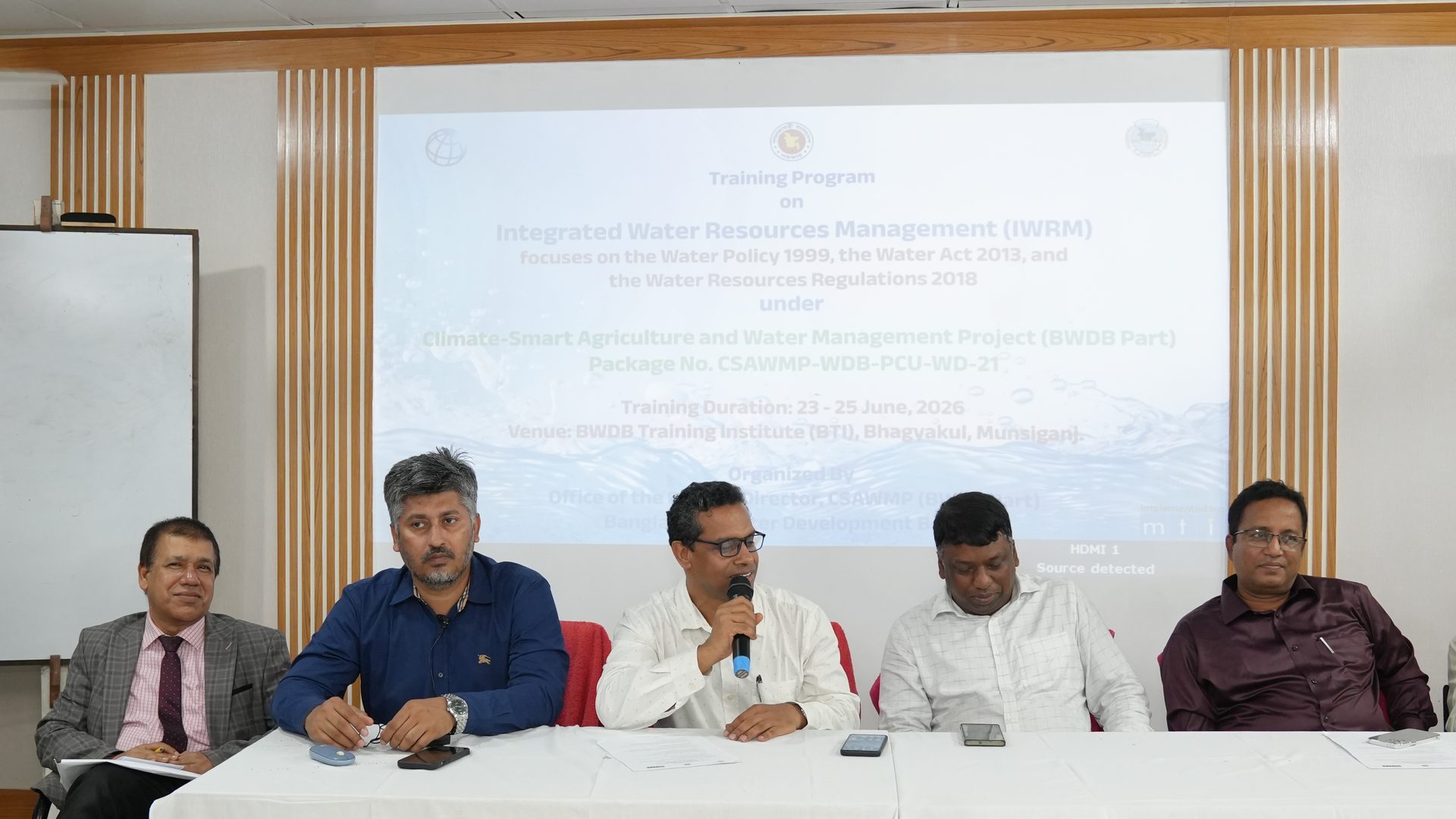
Management and Training International (MTI) Ltd. successfully conducted the three-day training course on Integrated Water Resources Management (IWRM) — focusing on the National Water Policy 1999, the Water Act 2013 and the Water Resources Regulations 2018 from 23 to 25 June 2026 at the BWDB Training Institute (BTI), Bhagyakul, Munshiganj. Twenty-five officials of the Bangladesh Water Development Board (BWDB), under the Ministry of Water Resources, took part in the course — the first batch under Package 21 of the Climate-Smart Agriculture and Water Management Project (CSAWMP), BWDB Part.
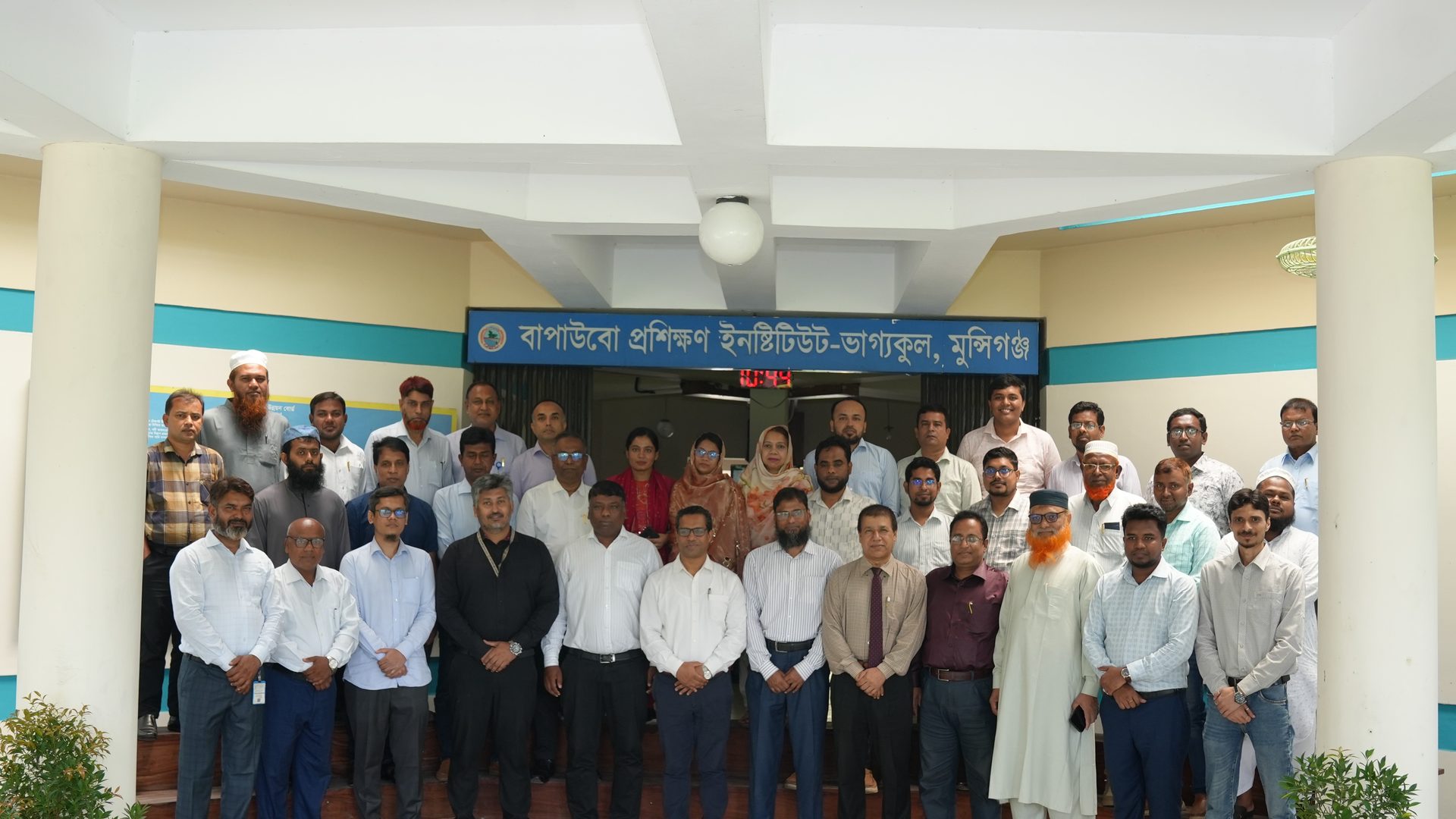
About the engagement: Under reference CSAWMP-WDB-PCU-WD-21-1-IWRM-01, MTI Ltd. is delivering the training package for the Climate-Smart Agriculture and Water Management Project (BWDB Part), implemented by the Bangladesh Water Development Board under the Ministry of Water Resources, Government of the People's Republic of Bangladesh. The course was authorised by Office Order Memo No. 42.01.0000.000.647.25.0001.26-910 & -911, dated 18 June 2026, issued by the Office of the Project Director, CSAWMP (BWDB Part), Pani Bhaban, 72 Green Road, Dhaka.
Why IWRM, and Why Now
Bangladesh sits at the confluence of the Ganges, Brahmaputra and Meghna — the world's largest delta system — where flood, drought, salinity intrusion, riverbank erosion and upstream withdrawal all converge on the same finite resource. Managing that resource in silos no longer works. Integrated Water Resources Management is the internationally accepted response: a framework that coordinates the development of water, land and related resources so that economic and social welfare are maximised without compromising the sustainability of vital ecosystems.
For BWDB — the national authority responsible for flood control, drainage, irrigation, riverbank protection and coastal embankments — IWRM is not an abstract principle but the operating logic behind every scheme it designs, approves and maintains. This course was built to convert that logic into day-to-day field practice by grounding it in the specific statutes and policy instruments that govern the Board's mandate.
Inauguration & Project Leadership
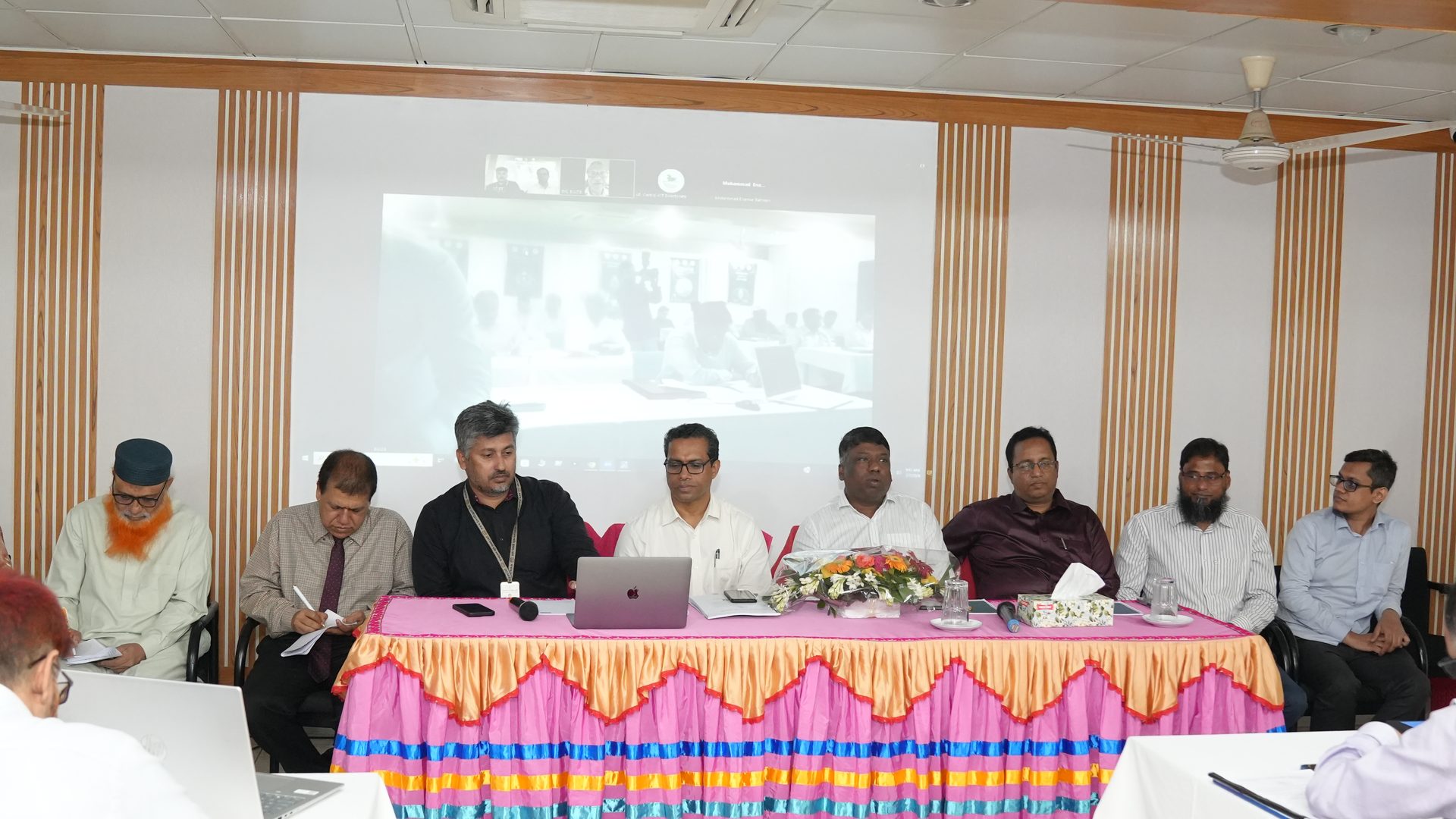
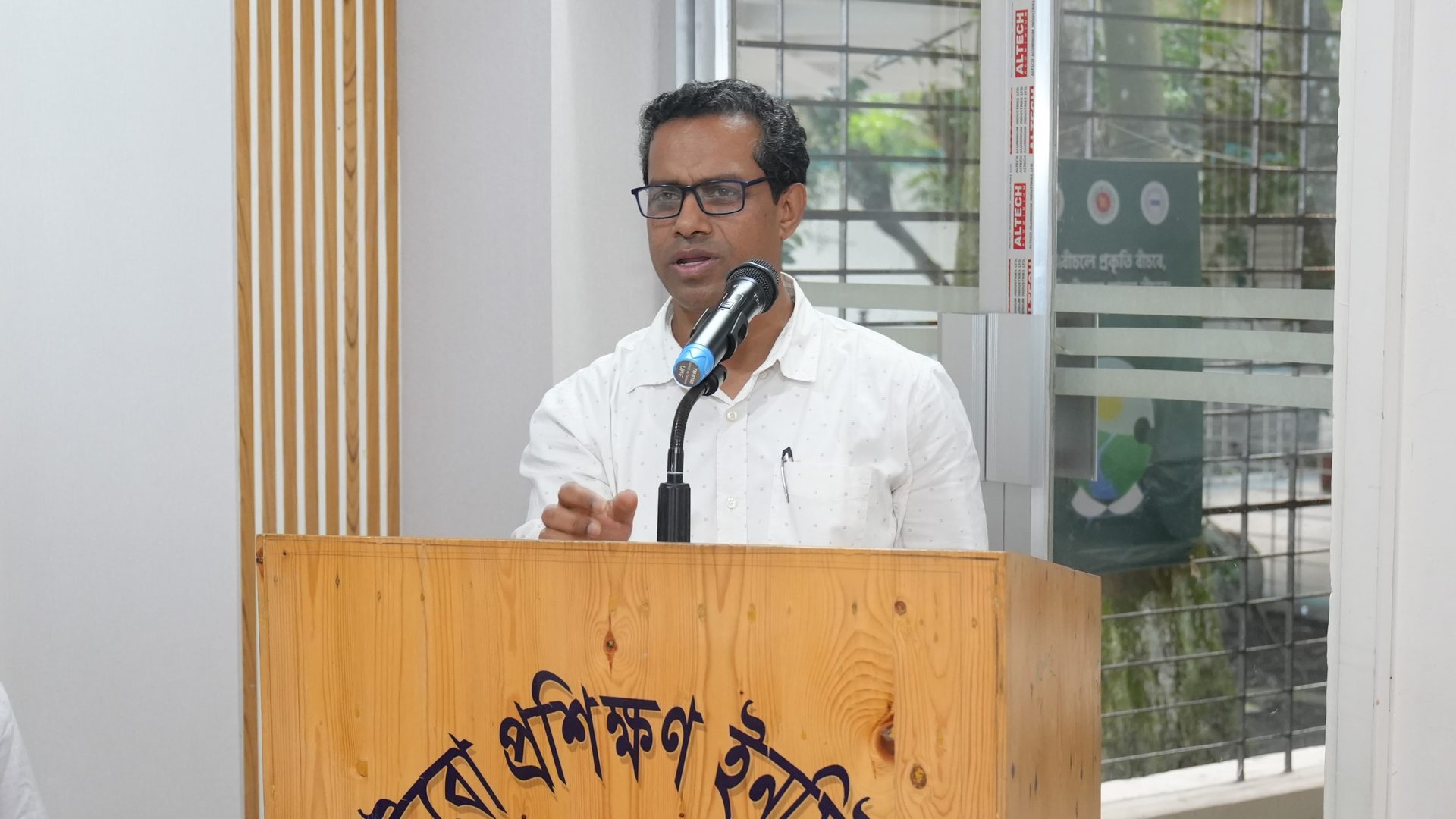
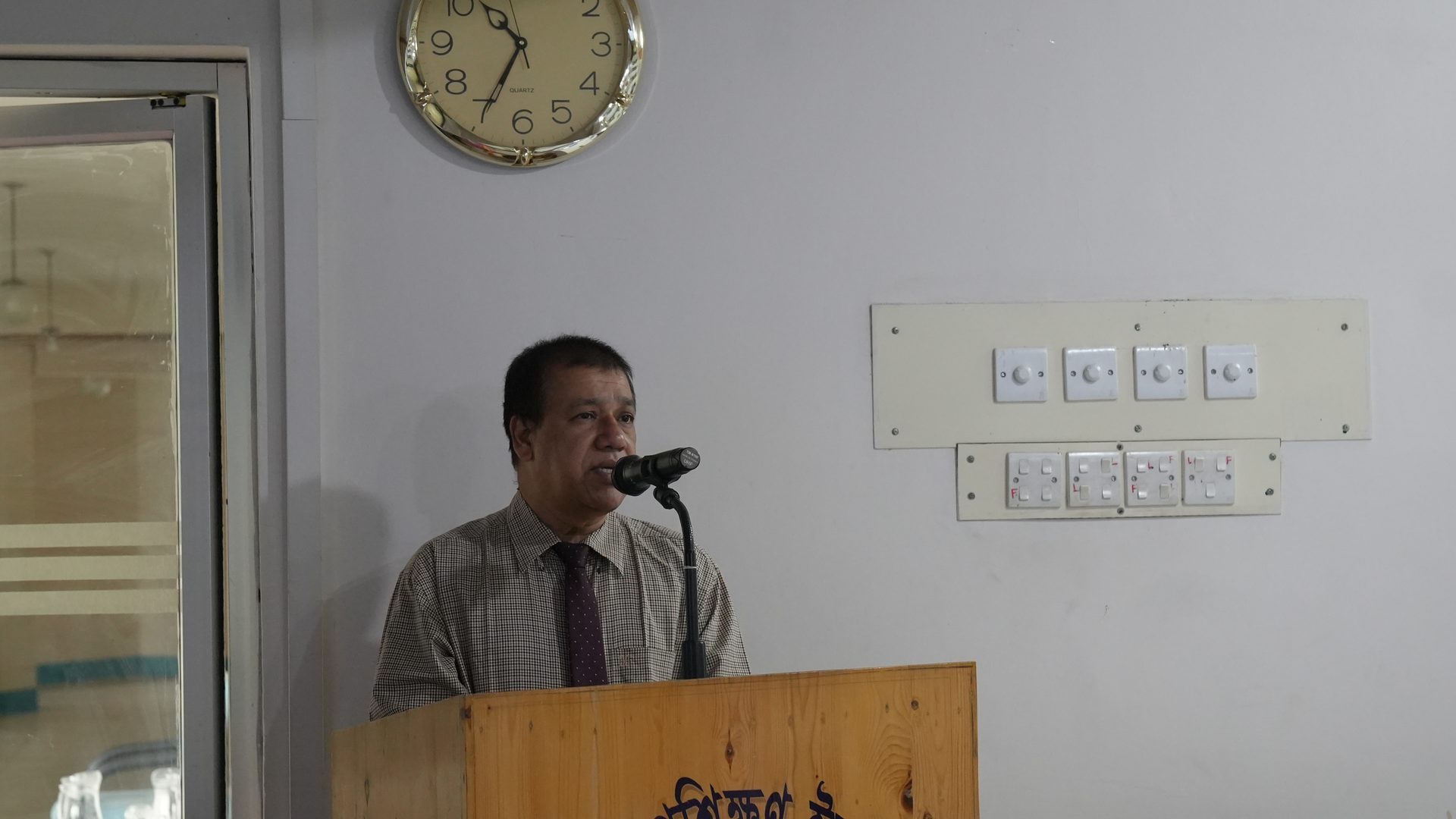
The course was inaugurated in the presence of senior BWDB leadership. Pijush Krishna Kundu, Additional Chief Engineer (Civil) and Project Director of the CSAWM Project (BWDB Part), delivered the opening address and returned on the final day to close the course. In his remarks he underlined that the Board's engineers, extension officers and research officers must read every scheme — embankment, regulator, irrigation canal or dredging contract — against the statutory framework of the Water Act 2013 and the Water Resources Regulations 2018, rather than treating compliance as a documentation exercise at the end of a project cycle.
Dr. Md. Manirul Islam Khan, Managing Director of MTI Ltd., addressed the opening ceremony on behalf of the training service provider, outlining the methodology, the evaluation design and MTI Ltd.'s commitment across the full Package 21 and Package 22 training programme.
Course Management Team
Course administration was led by the BWDB Training Institute in coordination with the CSAWMP Project Coordination Unit.
Additional Chief Engineer (Civil) & Project Director
CSAWM Project (BWDB Part)
Superintending Engineer (Civil)
BWDB Training Institute (BTI)
Executive Engineer (Civil)
BWDB Training Institute (BTI)
Executive Engineer
CSAWM Project (BWDB Part)
Managing Director
Management and Training International Ltd.
Resource Persons
Nine senior BWDB professionals — including the Director General and the Additional Director General (Admin) — served as resource persons across the twelve sessions, bringing the perspective of policy, planning, regulation, field extension and project delivery into the same room.
Director General
Bangladesh Water Development Board
Additional Director General (Admin)
Bangladesh Water Development Board
Additional Chief Engineer (Civil)
Office of the Additional Chief Engineer, Training & HRD
Superintending Engineer (Civil)
Surface Water Hydrology Circle
Deputy Chief Extension Officer (CD)
Haor Flood Management & Livelihood Improvement Project, Central Zone
Superintending Engineer (Civil)
Directorate of Planning-1
Superintending Engineer (Civil) & Project Director
Directorate of Planning-2
Superintending Engineer (Civil) & Project Director
Bangladesh Sustainable Recovery, Emergency Preparedness and Response Project (B-Strong), BWDB Part
Additional Chief Engineer (Civil) & Project Director
CSAWM Project (BWDB Part)
The Legal & Policy Framework Covered
Rather than teaching IWRM as theory, the curriculum walked the cohort through the eight instruments that actually bind BWDB's work — from the founding policy of 1999 to the century-scale planning horizon of the Delta Plan 2100.
National Water Policy
The foundation document of Bangladesh's water governance — priority sectors, allocation principles and the link between policy intent and engineering practice at scheme level.
Guidelines for Participatory Water Management
The structure of Water Management Organisations (WMOs), how community participation is facilitated, and community-based operation and maintenance.
Bangladesh Water Development Board Act
The Board's institutional authority, statutory compliance obligations, governance structure and coordination duties with other agencies.
National Water Management Plan
National planning concepts, regional differentiation across hydrological zones, and how individual projects derive relevance from the national plan.
Bangladesh Water Act
Water rights and licensing, regulatory provisions on abstraction, prevention of misuse, and compliance enforcement within Board projects.
Participatory Water Management Rules
Applying the rules in field practice — formalising WMO activities, strengthening governance, accountability and monitoring of community participation.
Water Resources Regulations & Guidelines (2019)
Regulation in project implementation, compliance monitoring, environmental safeguards in dredging and construction, and field inspection and reporting.
Bangladesh Delta Plan
Delta planning concepts, integration of climate adaptation, resilient coastal infrastructure design and planning for sea-level rise.
Day-by-Day Course Schedule
The course ran on a four-session daily rhythm — 09:00–10:20, 10:40–12:00, 12:00–13:20 and 14:20–15:40 — with a tea break at 10:20, lunch and prayer from 13:20, and a day-review and refreshment slot from 15:40 to 16:00.
-
09:00–10:20
Session 1 — Welcome, Introduction & Principles and Practices of IWRM
Opening remarks, icebreaking and participant expectations, training objectives, pre-evaluation. Defining IWRM and its importance; key components of water, land and people; challenges in the Bangladesh context; multi-purpose use of canals and rivers. Method: speech, game and large group discussion.
Md. Enayet Ullah Director General, BWDB
Pijush Krishna Kundu Addl. Chief Engineer & PD, CSAWMP
Md. Sabibur Rahman Addl. Chief Engineer (Training & HRD) - 10:20–10:40 Refreshment and tea break
- 10:40–12:00 Session 2 — Fundamentals of IWRM Core IWRM principles, relating principles to fieldwork, identifying trade-offs in water use; designing fair water distribution systems and managing limited water resources. Method: Q&A and large group discussion. Md. Sabibur Rahman Additional Chief Engineer (Civil), Training & HRD, BWDB
- 12:00–13:20 Session 3 — National Water Policy 1999 Policy basics, priority sectors, linking policy to engineering work; aligning small-scale projects with policy goals and supporting irrigation and flood control priorities. Method: VIPP and large group discussion. A. B. M. Khan Mozahedy Superintending Engineer (Civil), Surface Water Hydrology Circle, BWDB
- 13:20–14:20 Lunch and prayer break
- 14:20–15:40 Session 4 — National Water Management Plan 2001 National planning concepts, regional differences and project relevance; supporting project planning at field level and understanding regional water challenges. Method: Q&A and large group discussion. A. B. M. Khan Mozahedy Superintending Engineer (Civil), Surface Water Hydrology Circle, BWDB
- 15:40–16:00 Day review and refreshment
- 09:00–10:20 Session 5 — Guidelines for Participatory Water Management 2000 Recapitulation of Day 1. WMO structure, facilitating community participation, integrating local knowledge; establishing WMGs for irrigation systems and community-based operation & maintenance. Method: interactive discussion and brainstorming. Dr. Md. Zahidul Islam Deputy Chief Extension Officer (CD), Haor Flood Management & Livelihood Improvement Project, BWDB
- 10:20–10:40 Refreshment and tea break
- 10:40–12:00 Session 6 — Participatory Water Management Rules 2014 Applying the rules in field practice, strengthening WMO governance and ensuring accountability; formalising WMO activities and monitoring community participation. Method: large group discussion with PPP. Dr. Md. Zahidul Islam Deputy Chief Extension Officer (CD), BWDB
- 12:00–13:20 Session 7 — Bangladesh Water Development Board Act 2000 Institutional authority, legal compliance and improved governance; project approval and execution, and coordination with other agencies. Method: plenary discussion and large group discussion. Dr. Md. Khairul Islam Superintending Engineer (Civil), Directorate of Planning-1, BWDB
- 13:20–14:20 Lunch and prayer break
- 14:20–15:40 Session 8 — Participatory Planning and Stakeholder Engagement Conducting stakeholder analysis, facilitating participatory planning and managing conflict; stakeholder consultation in embankment projects and conflict resolution in water allocation. Method: Q&A, large group discussion and case study. Dr. Md. Khairul Islam Superintending Engineer (Civil), Directorate of Planning-1, BWDB
- 15:40–16:00 Day review and refreshment
- 09:00–10:20 Session 9 — Water Act 2013 Recapitulation of Day 2. Water rights and licensing, applying regulatory provisions and preventing misuse; regulating water abstraction and ensuring compliance in projects. Method: open discussion and small group work. Dr. Mohammad Mahtab Hossain Superintending Engineer (Civil) & PD, Directorate of Planning-2, BWDB
- 10:20–10:40 Refreshment and tea break
- 10:40–12:00 Session 10 — Water Resources Regulations 2018 & Guidelines 2019 Applying regulation in project implementation, monitoring compliance and ensuring environmental safeguards; compliance in dredging and construction, field inspection and reporting. Method: interactive discussion, Q&A, VIPP. Dr. Mohammad Mahtab Hossain Superintending Engineer (Civil) & PD, Directorate of Planning-2, BWDB
- 12:00–13:20 Session 11 — Bangladesh Delta Plan 2100 Delta planning concepts, integrating climate adaptation and aligning projects with long-term goals; designing resilient coastal infrastructure and planning for sea-level rise. Method: plenary discussion and brainstorming. Abu Sale Mohammad Tofahel Chowdhury Superintending Engineer (Civil) & PD, B-Strong Project (BWDB Part)
- 13:20–14:20 Light refreshment break
-
14:20–15:40
Session 12 — Integration, Case Study & Action Planning
Applying integrated knowledge, solving real-world problems and developing actionable plans; preparing IWRM-based project proposals and improving ongoing BWDB projects. Course review, conclusion and post-evaluation. Method: questionnaire fill-up, lecture and discussion.
Abu Sale Mohammad Tofahel Chowdhury SE (Civil) & PD, B-Strong
Mollah Mizanur Rahman Additional Director General (Admin), BWDB - 15:40–16:00 Closing ceremony, certificate distribution and refreshment
Training Methodology
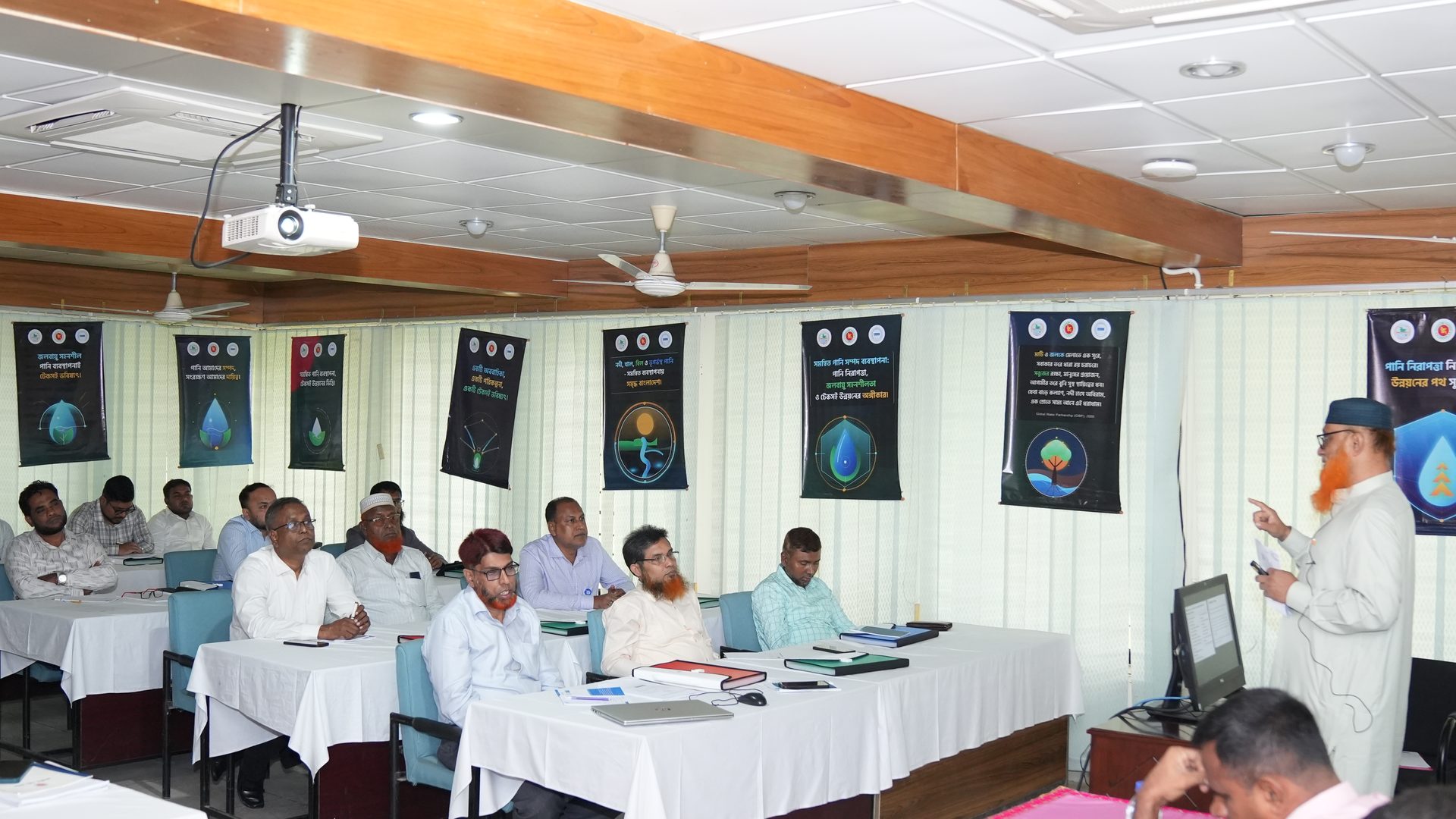
The course deliberately avoided a lecture-only format. Every session paired a technical input with an interactive method, and the cohort was assessed by a pre-evaluation on Day 1 and a post-evaluation on Day 3 so that the learning gain could be measured rather than assumed.
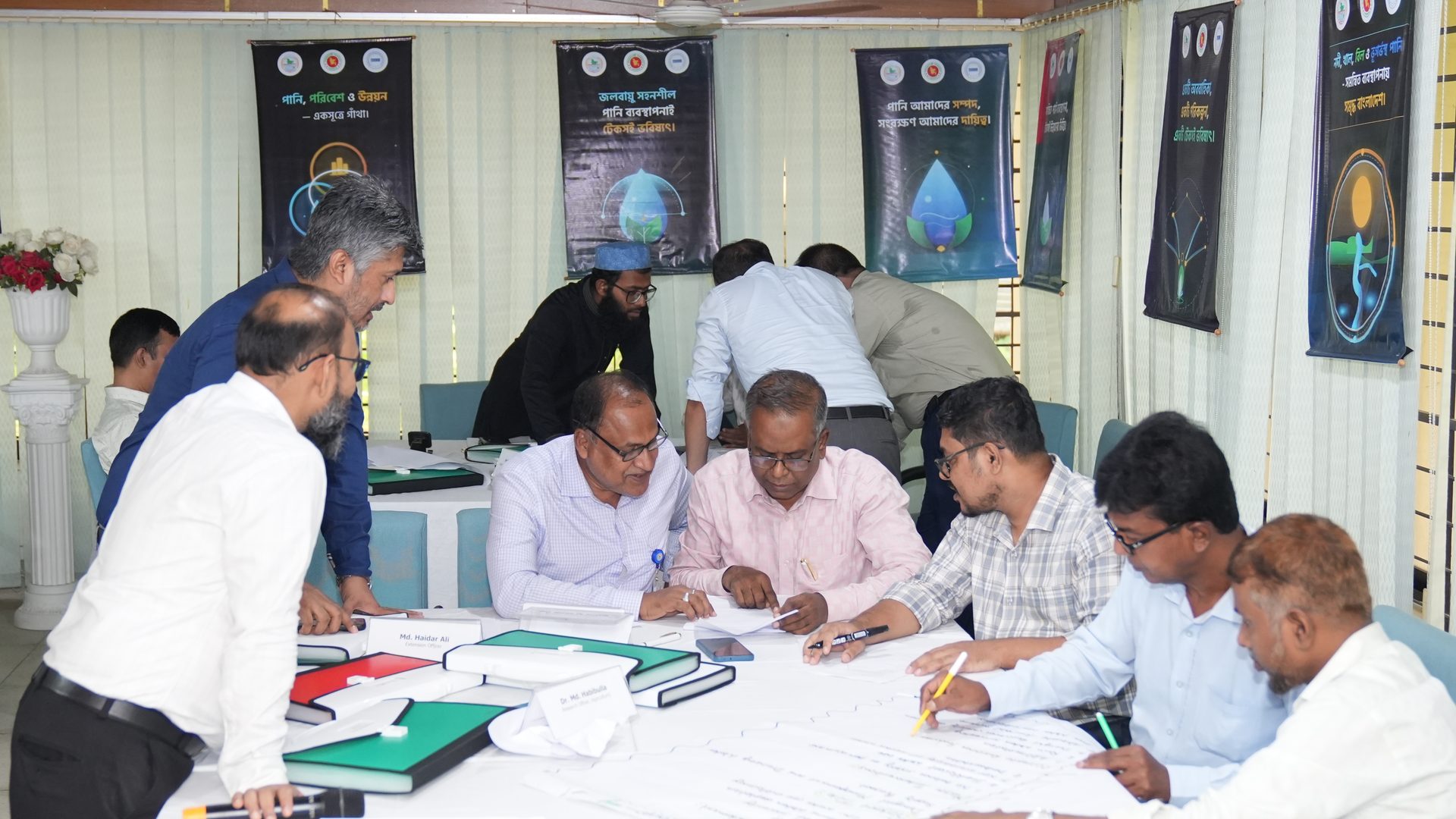
Group Work, Poster Presentation & Action Planning
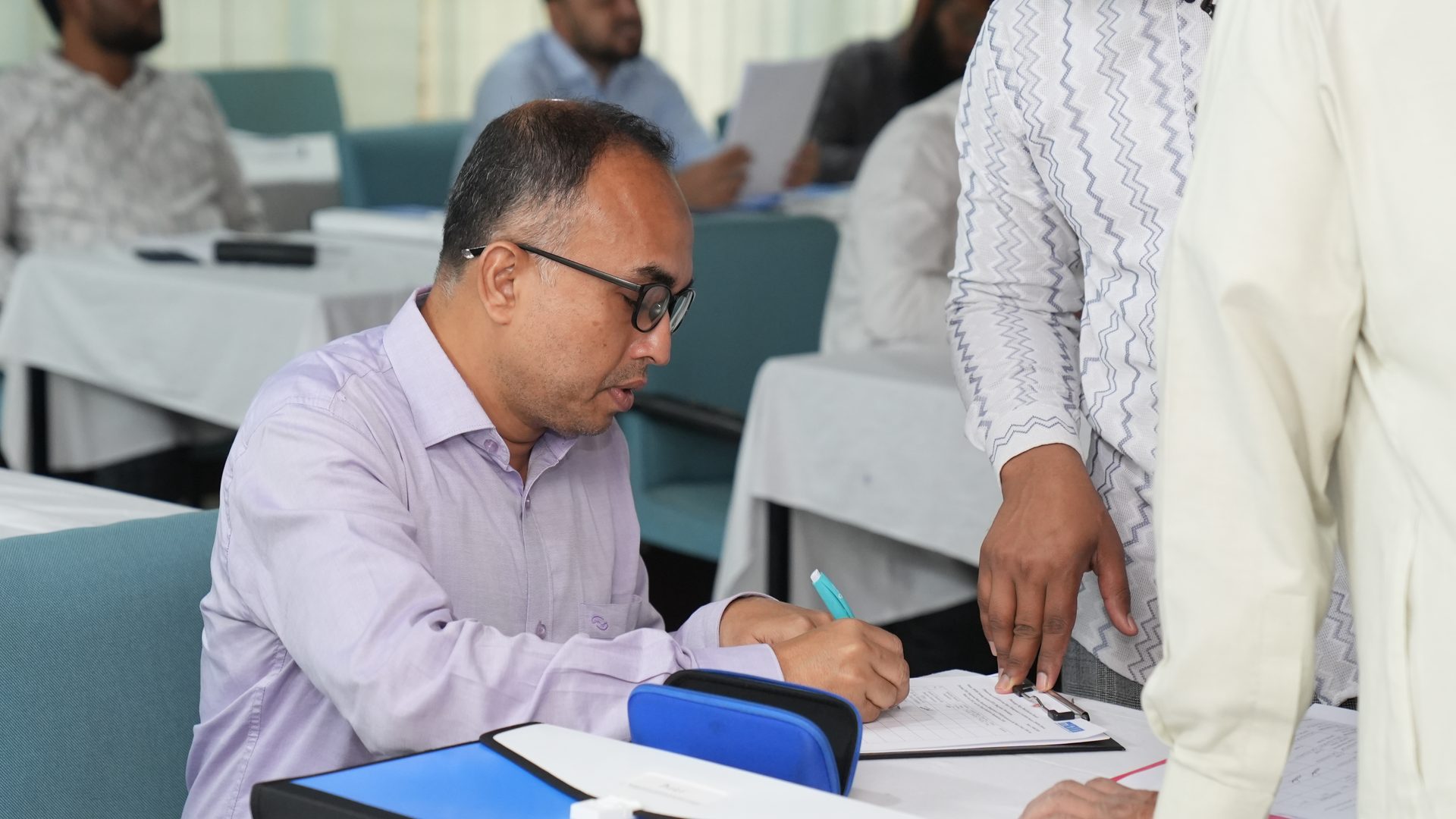
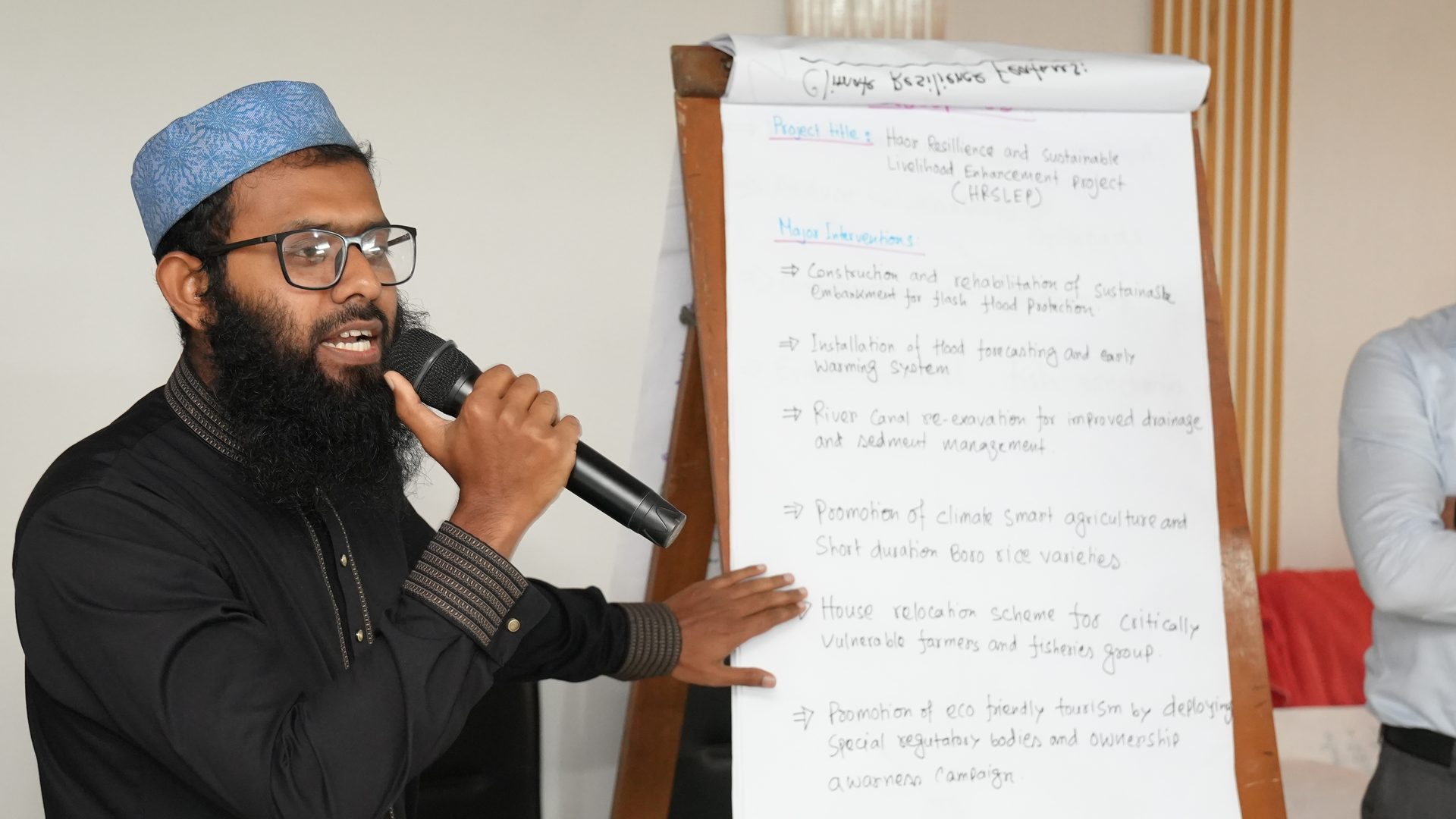
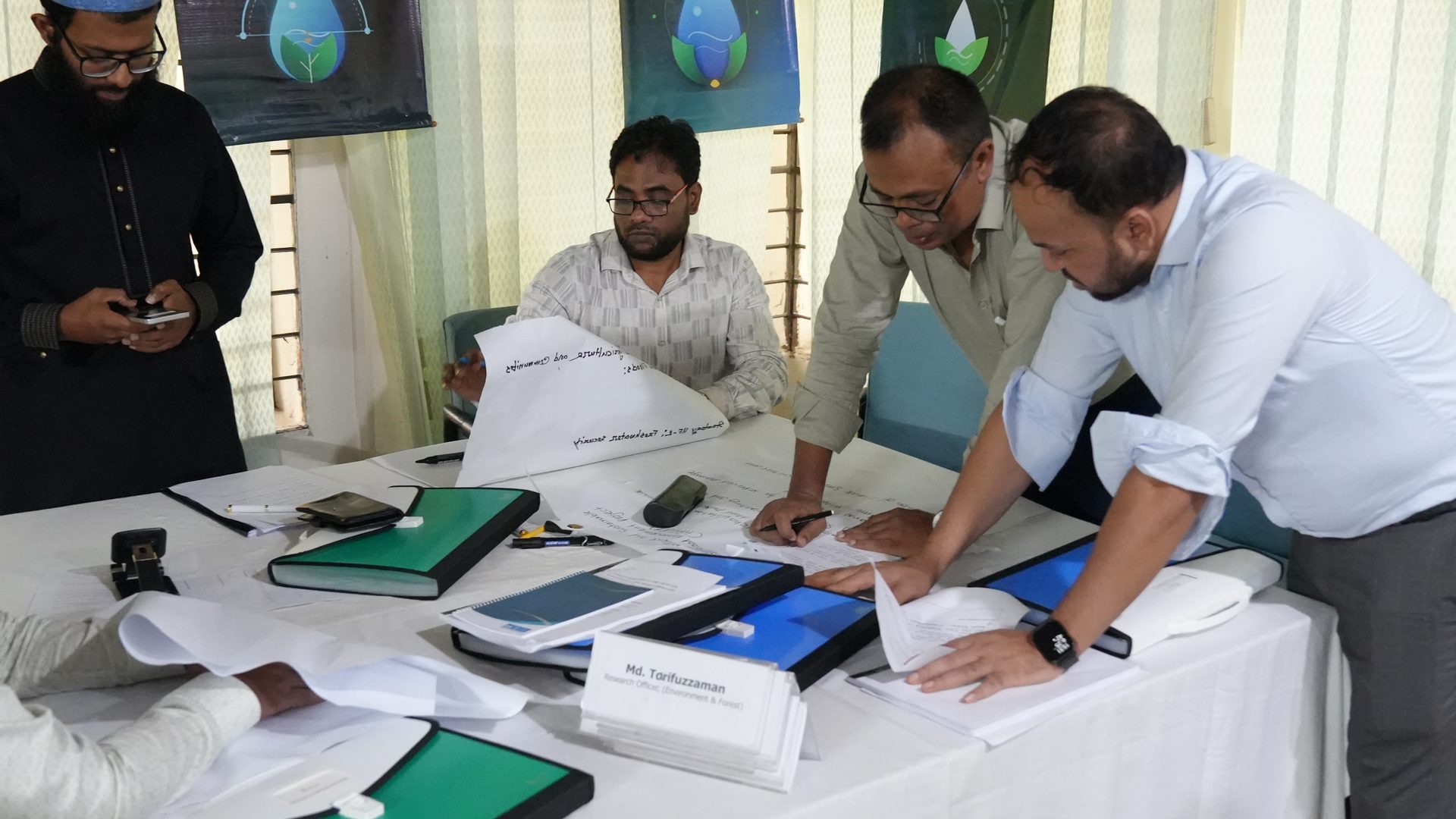
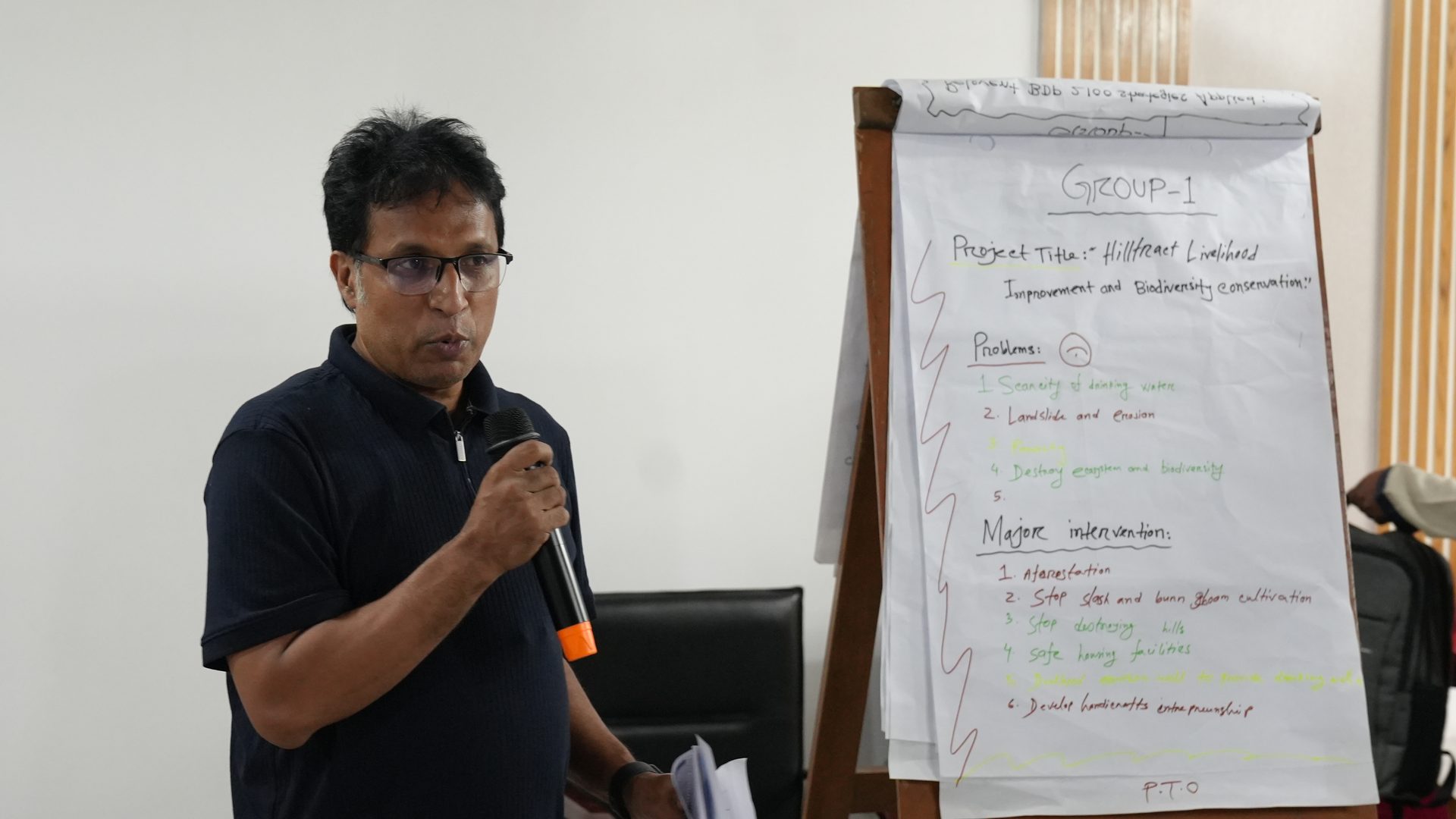
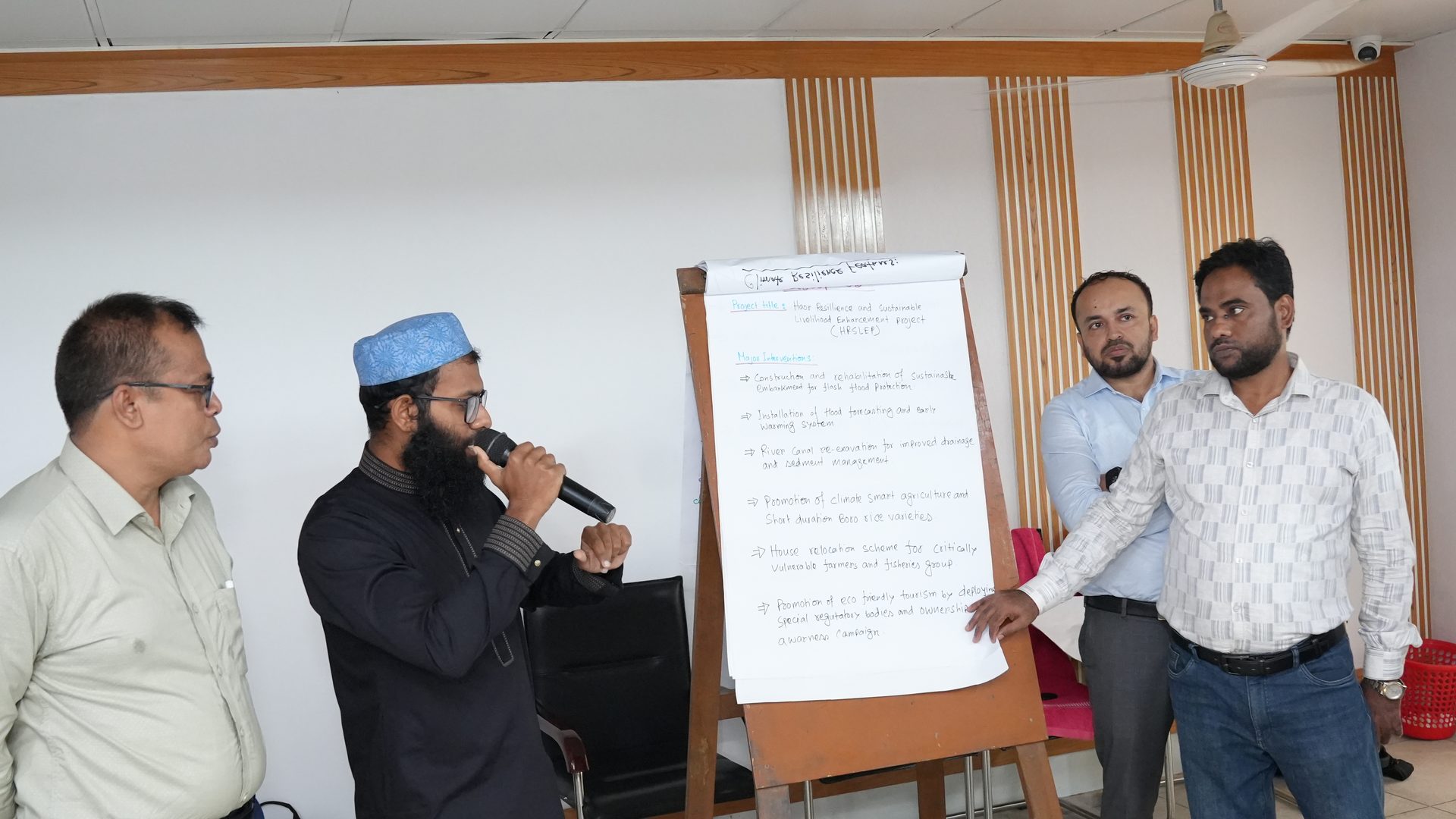
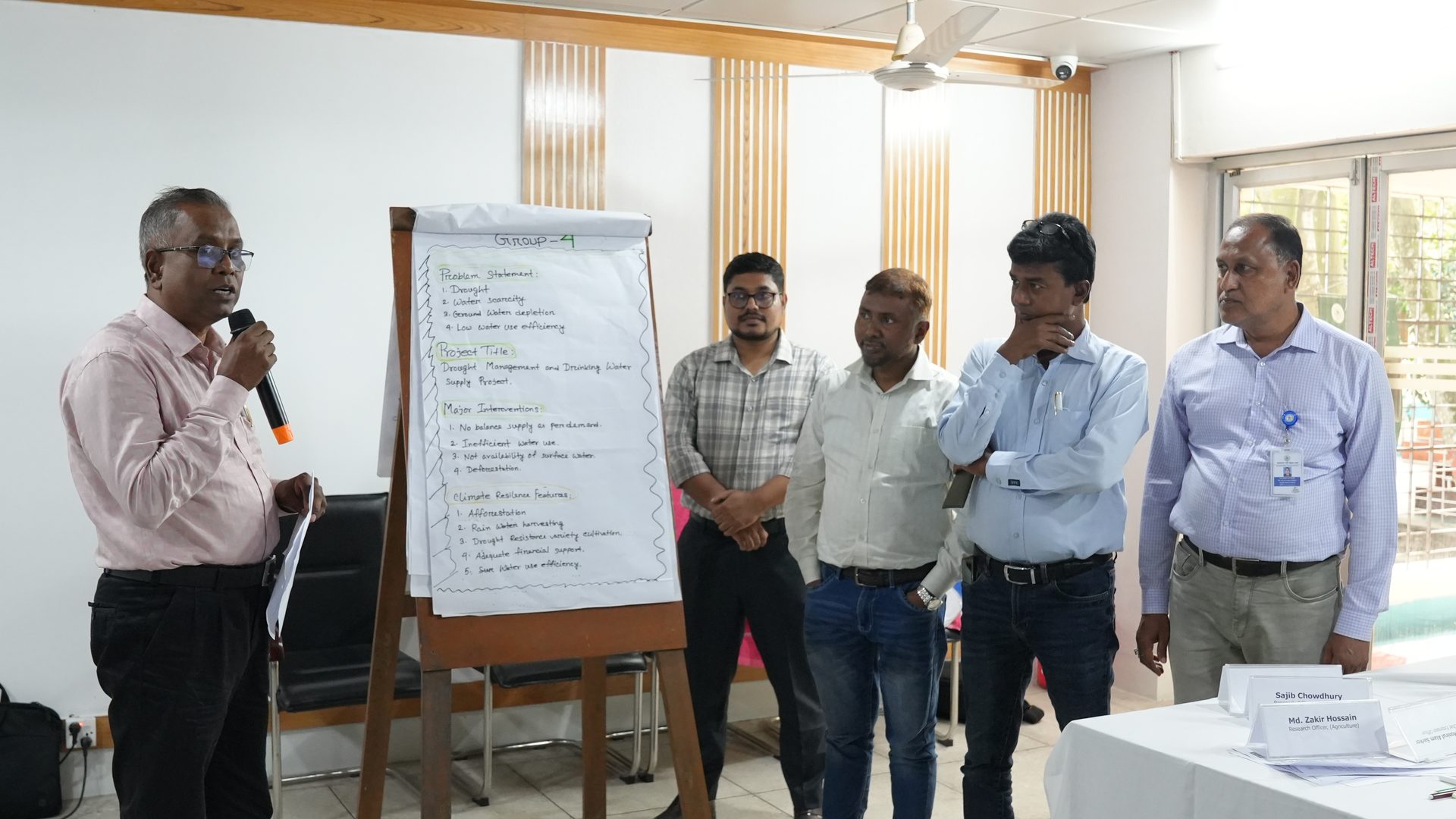
The strongest signal of transfer came on Day 3. Participants were split into small groups, each tasked with applying the integrated framework to a real problem drawn from their own circles and divisions — then defending it in a poster presentation before their peers and the resource persons. Proposals ranged from stakeholder-consultation designs for embankment rehabilitation to compliance checklists for dredging contracts under the 2018 Regulations, and WMO strengthening plans for irrigation command areas.
Who Was in the Room
The twenty-five nominated officials were drawn deliberately from across BWDB's technical disciplines and its geographic spread — not a single-cadre cohort. Engineers sat alongside sociologists, fisheries and agriculture specialists, economists and environment & forest research officers; headquarters directorates in Dhaka were balanced by field offices in Rangpur, Kushtia, Jashore, Magura, Noakhali, Faridpur, Barishal and Gopalganj. That mix is what made the participatory sessions work: an Assistant Extension Officer from Barishal and a Deputy Chief (Fisheries) from the Directorate of Planning-3 bring genuinely different constraints to the same regulation.
Full Participant Roster
Principal Extension Officer
Office of the PEO, BWDB, RangpurDeputy Chief (Fisheries)
Directorate of Planning-3, BWDB, DhakaDeputy Chief (Sociology)
Office of the Chief Water Management, BWDB, DhakaDeputy Chief Extension Officer
Office of the DCEO, BWDB, DhakaDeputy Chief Extension Officer
Office of the DCEO, BWDB, KushtiaDeputy Chief (Agriculture)
Directorate of Planning-3, BWDB, DhakaAssistant Chief (Sociology)
CRISP-WRM, BWDB, GopalganjAssistant Chief (Fisheries)
CRISP-WRM, BWDB, GopalganjSub-Divisional Engineer (Civil)
CSAWMP (BWDB Part), BWDB, DhakaSub-Divisional Engineer (Mechanical)
Design Circle-3, BWDB, DhakaExtension Officer
LETC, Baradi, KushtiaAssistant Engineer (Civil)
CSAWMP (BWDB Part), BWDB, DhakaAssistant Extension Officer
Office of the AEO, BWDB, NoakhaliAssistant Extension Officer
Office of the AEO, BWDB, JashoreAssistant Extension Officer
Office of the AEO, BWDB, MaguraResearch Officer (Sociology)
Directorate of Project Evaluation, BWDB, DhakaResearch Officer (Agriculture)
Directorate of Planning-2, BWDB, DhakaResearch Officer (Economic)
PBM&E, Rangpur Unit, BWDB, RangpurResearch Officer (Agriculture)
Directorate of Planning-3, BWDB, DhakaResearch Officer (Agriculture)
Directorate of Planning-3, BWDB, DhakaResearch Officer (Agriculture)
Office of the Chief Water Management, BWDB, DhakaResearch Officer (Environment & Forest)
Office of the Chief Water Management, BWDB, DhakaAssistant Extension Officer
Office of the AEO, BWDB, FaridpurAssistant Extension Officer
Office of the AEO, BWDB, BarishalAssistant Extension Officer
Office of the AEO, BWDB, RangpurClosing Ceremony & Certification
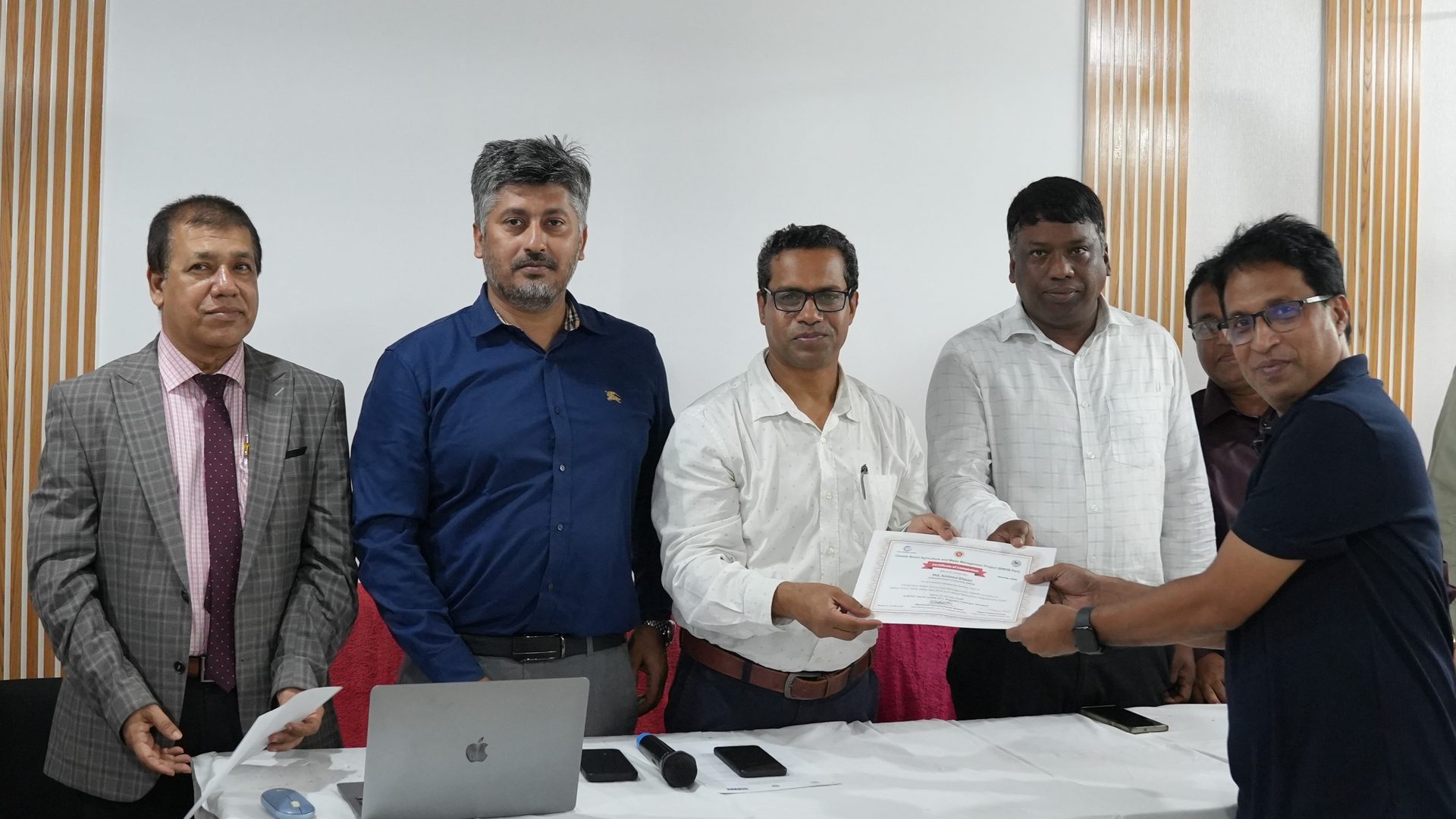
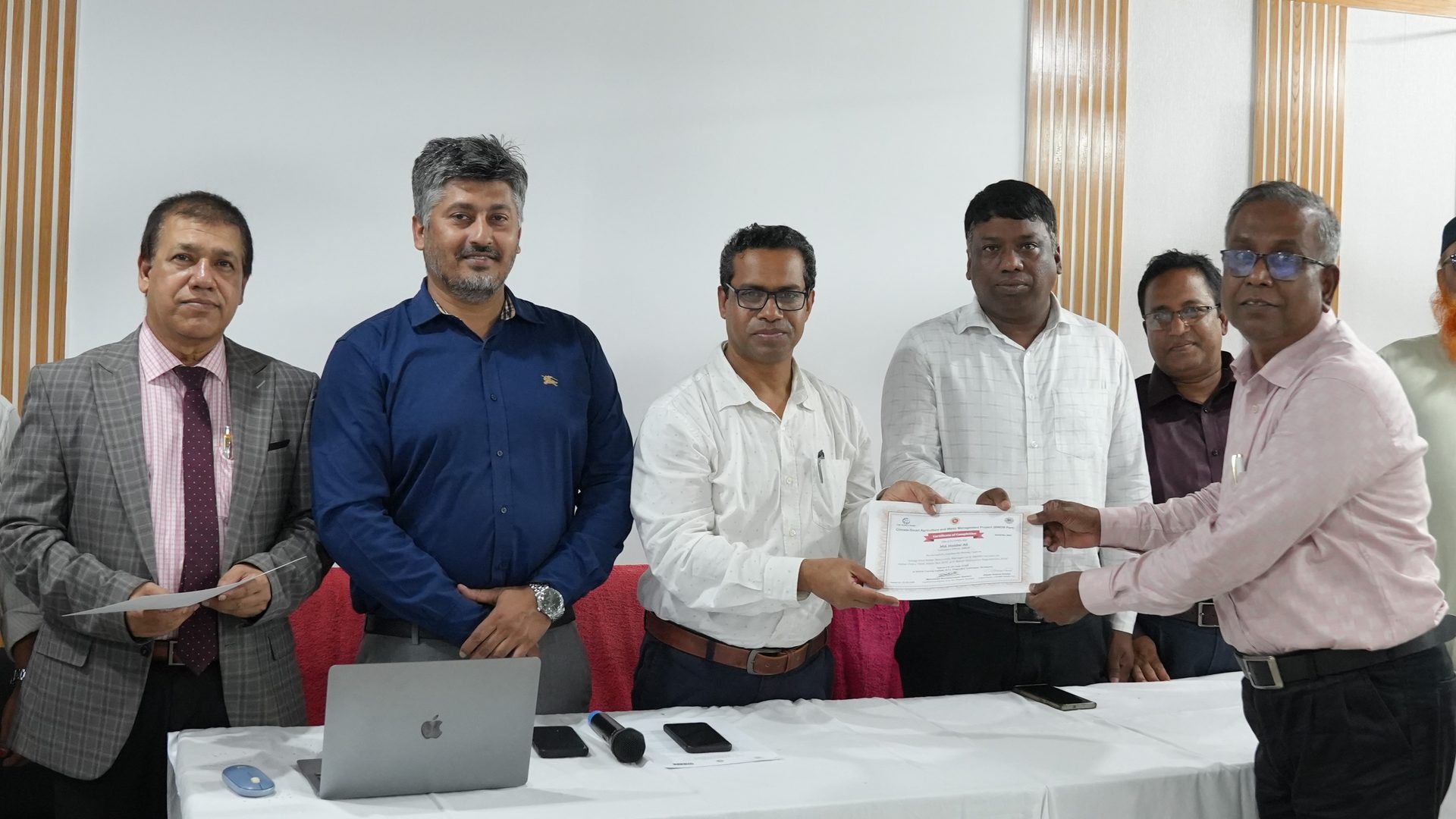
The course closed on the afternoon of 25 June 2026. Participants offered their reflections on the three days — several noting that the sessions on the Water Act 2013 and the Water Resources Regulations 2018 answered compliance questions they had been carrying unresolved from live schemes. The Project Director delivered the closing speech, and certificates were handed to each participant on completion of the post-evaluation.
The Course in Pictures
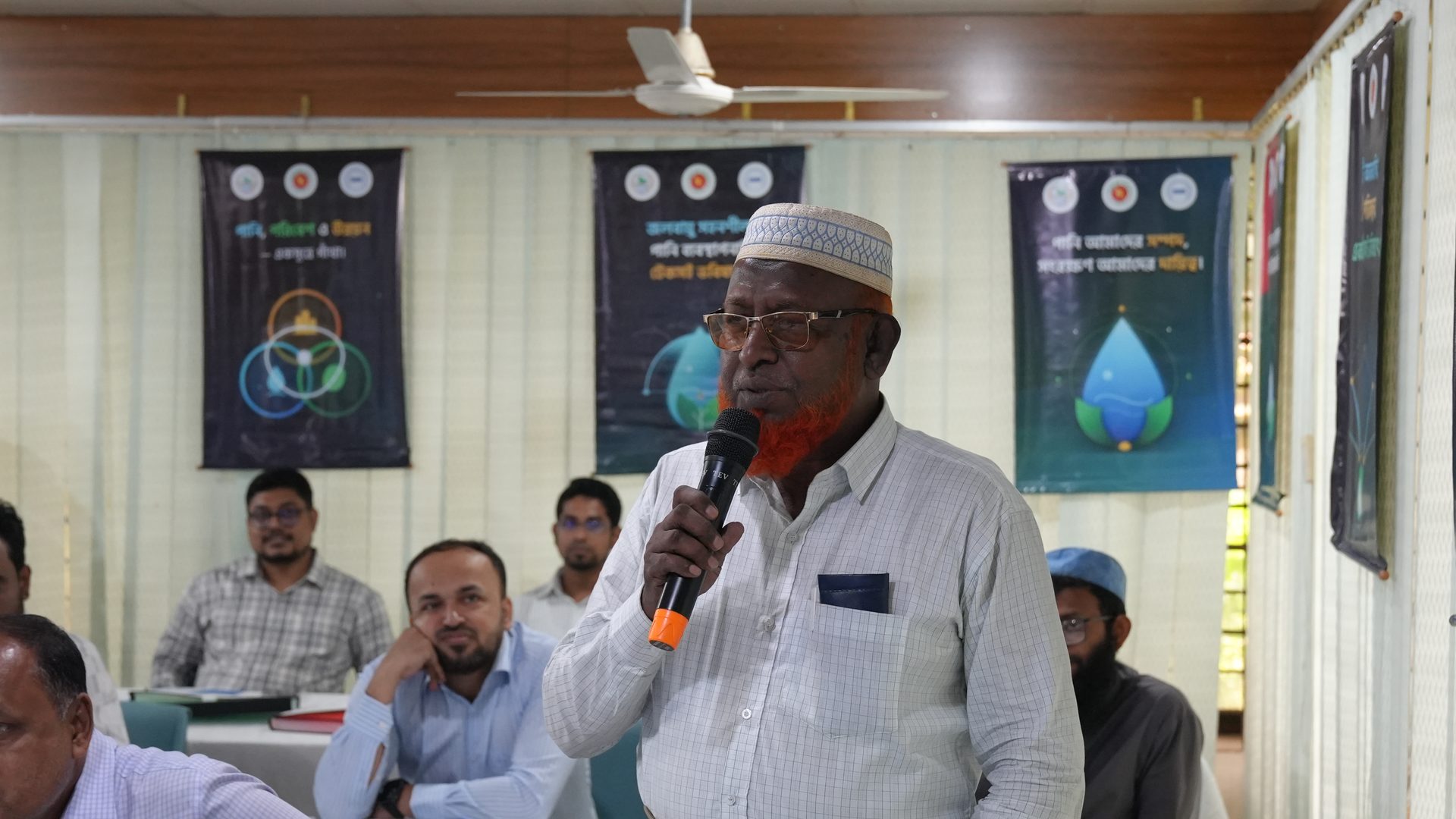
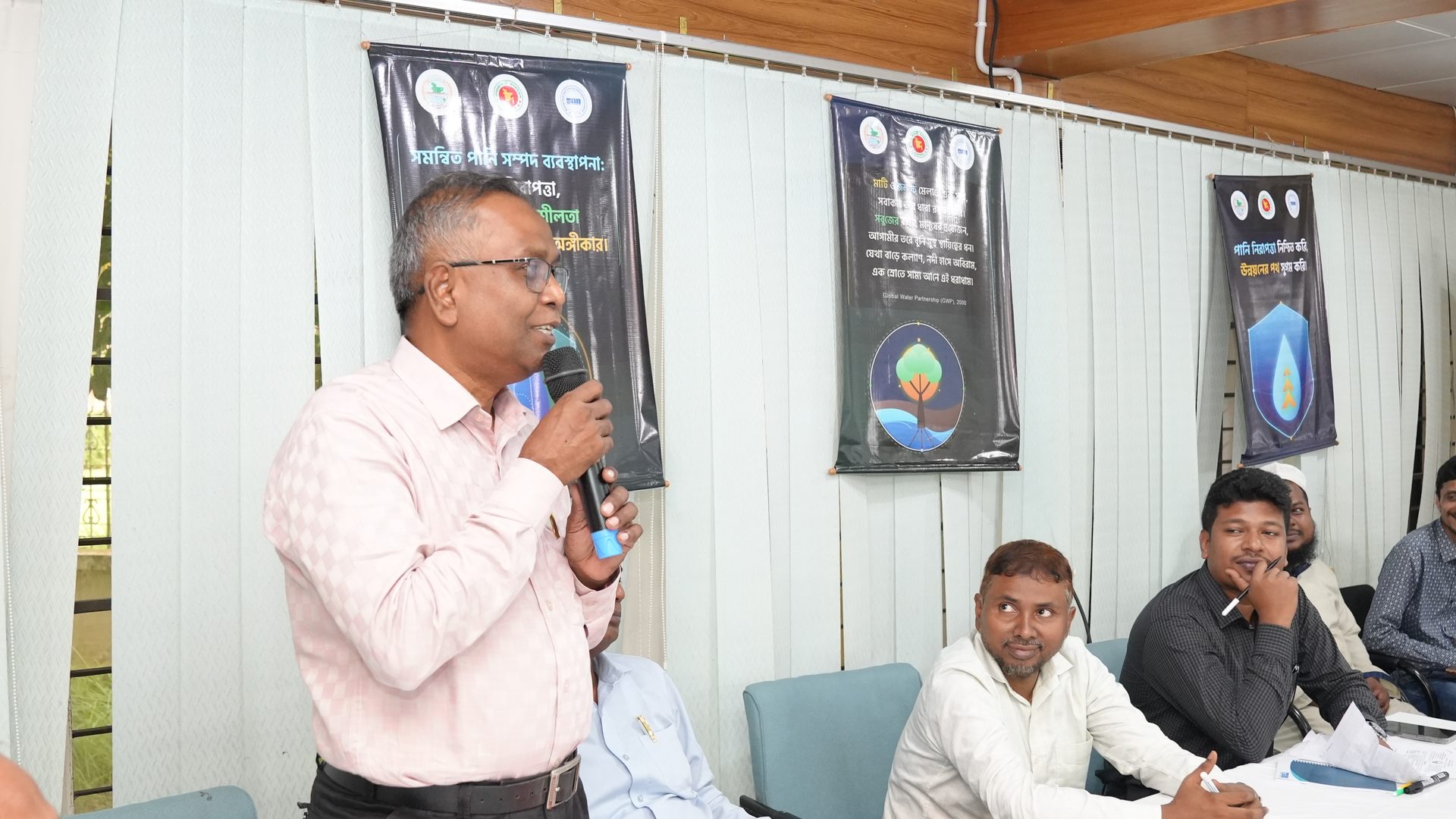
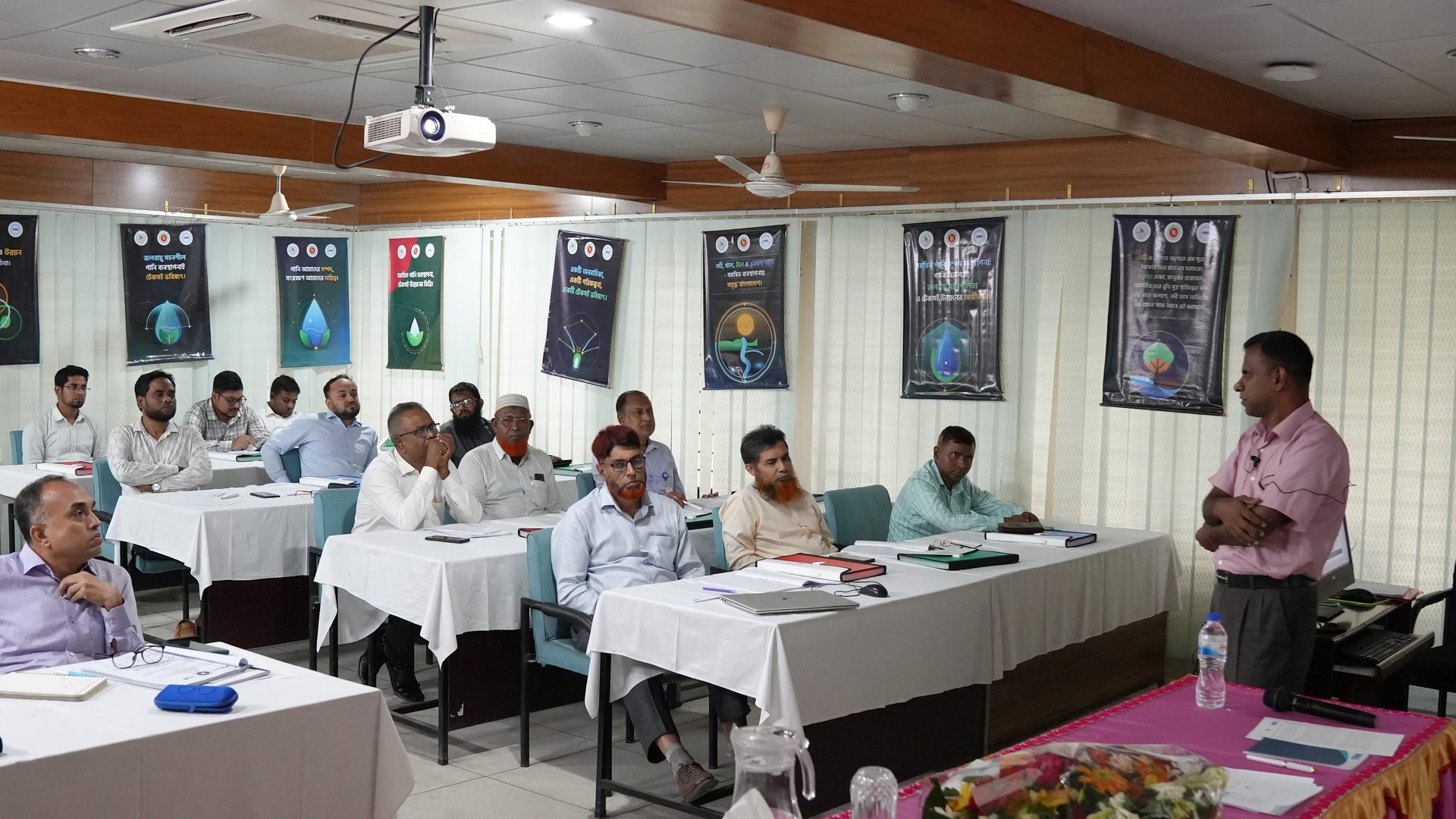
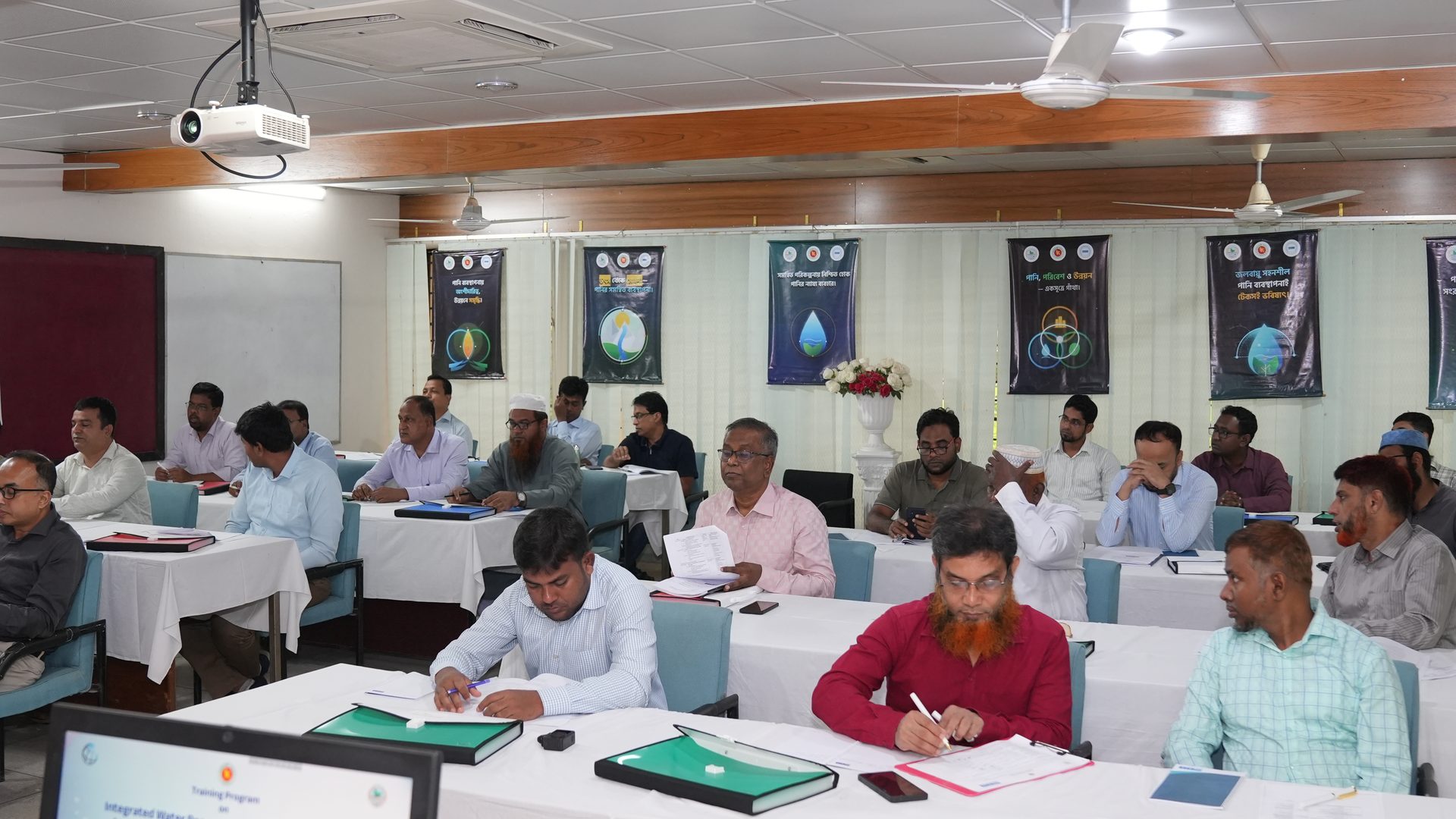
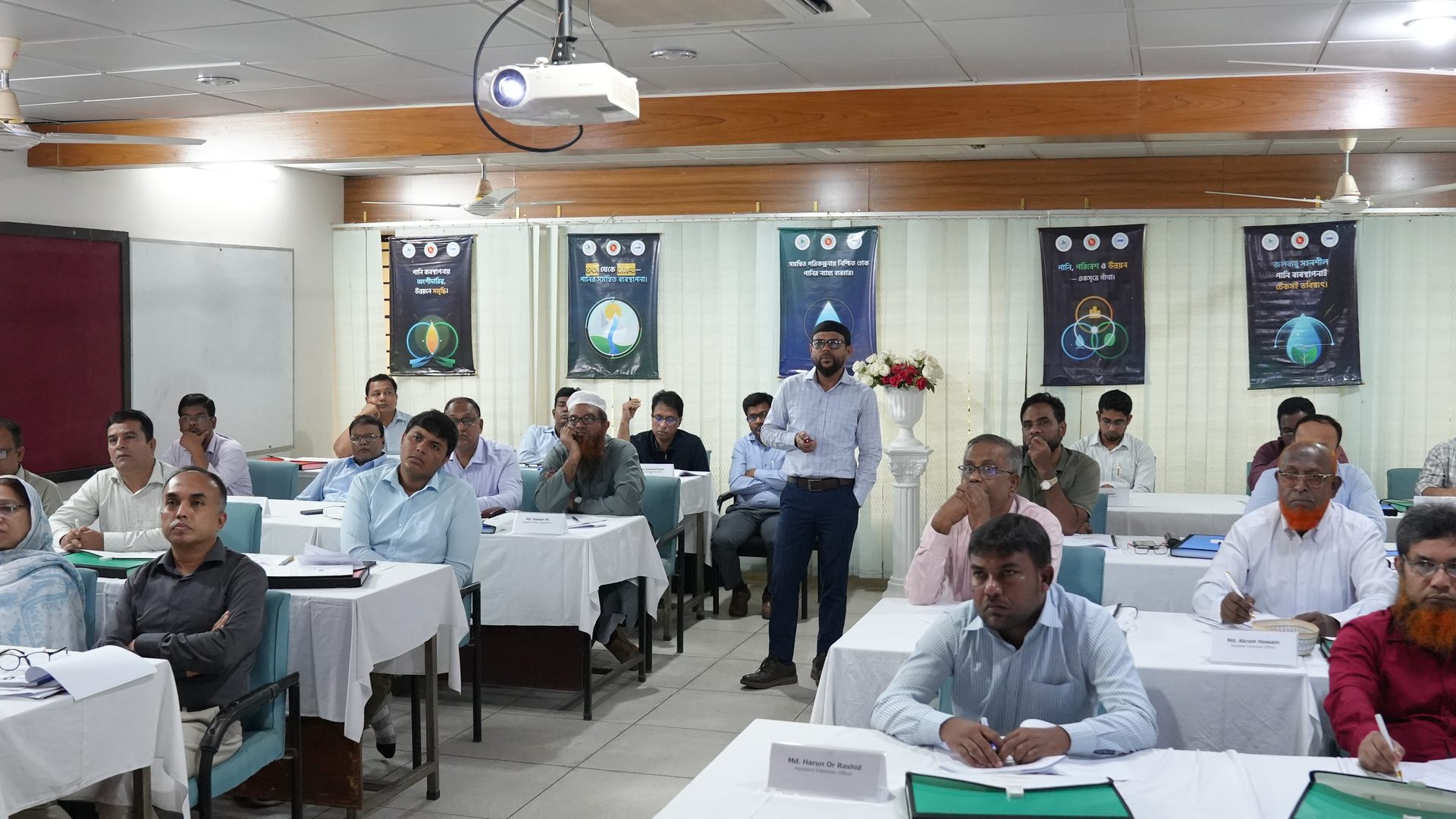
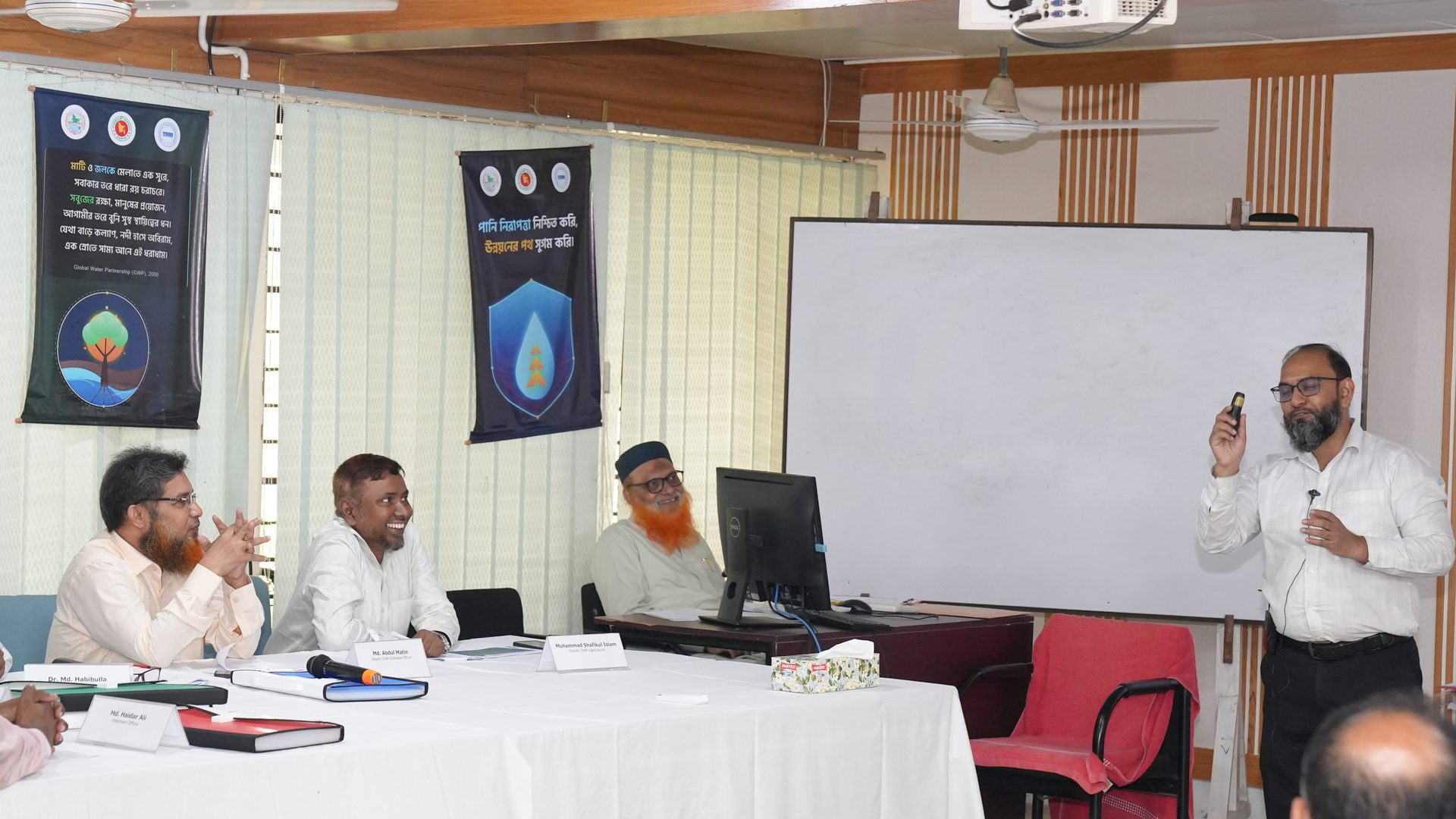
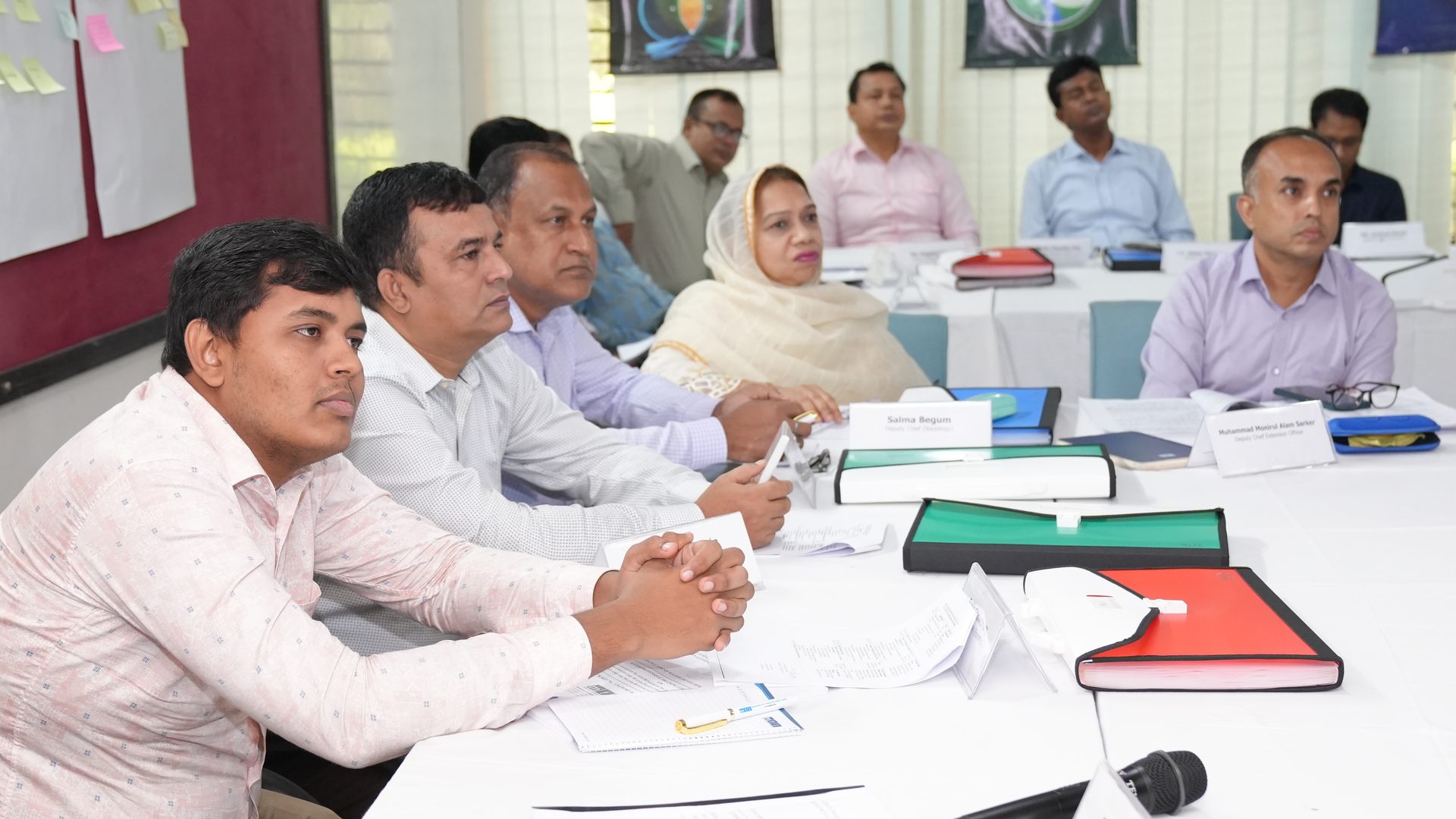
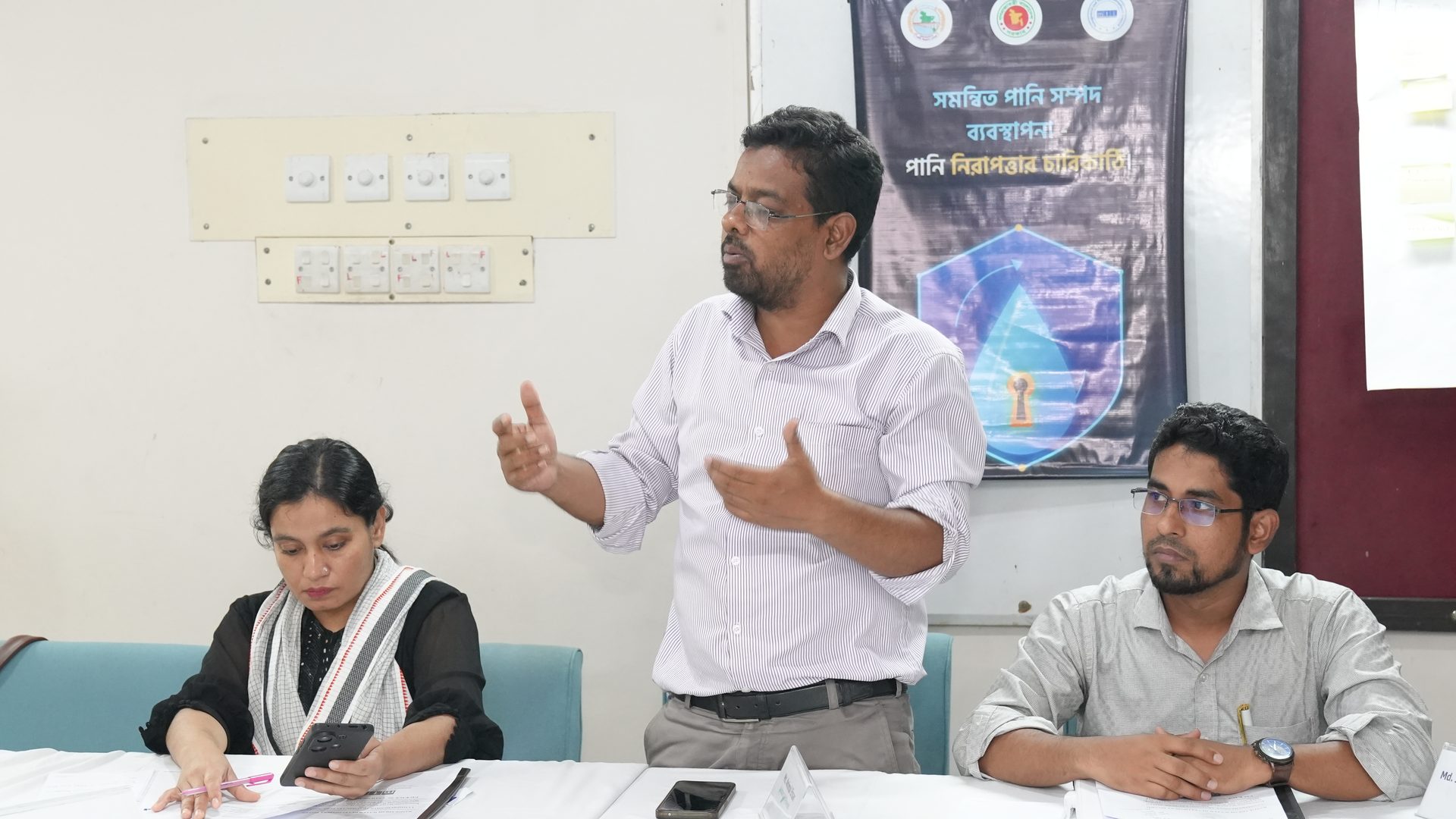
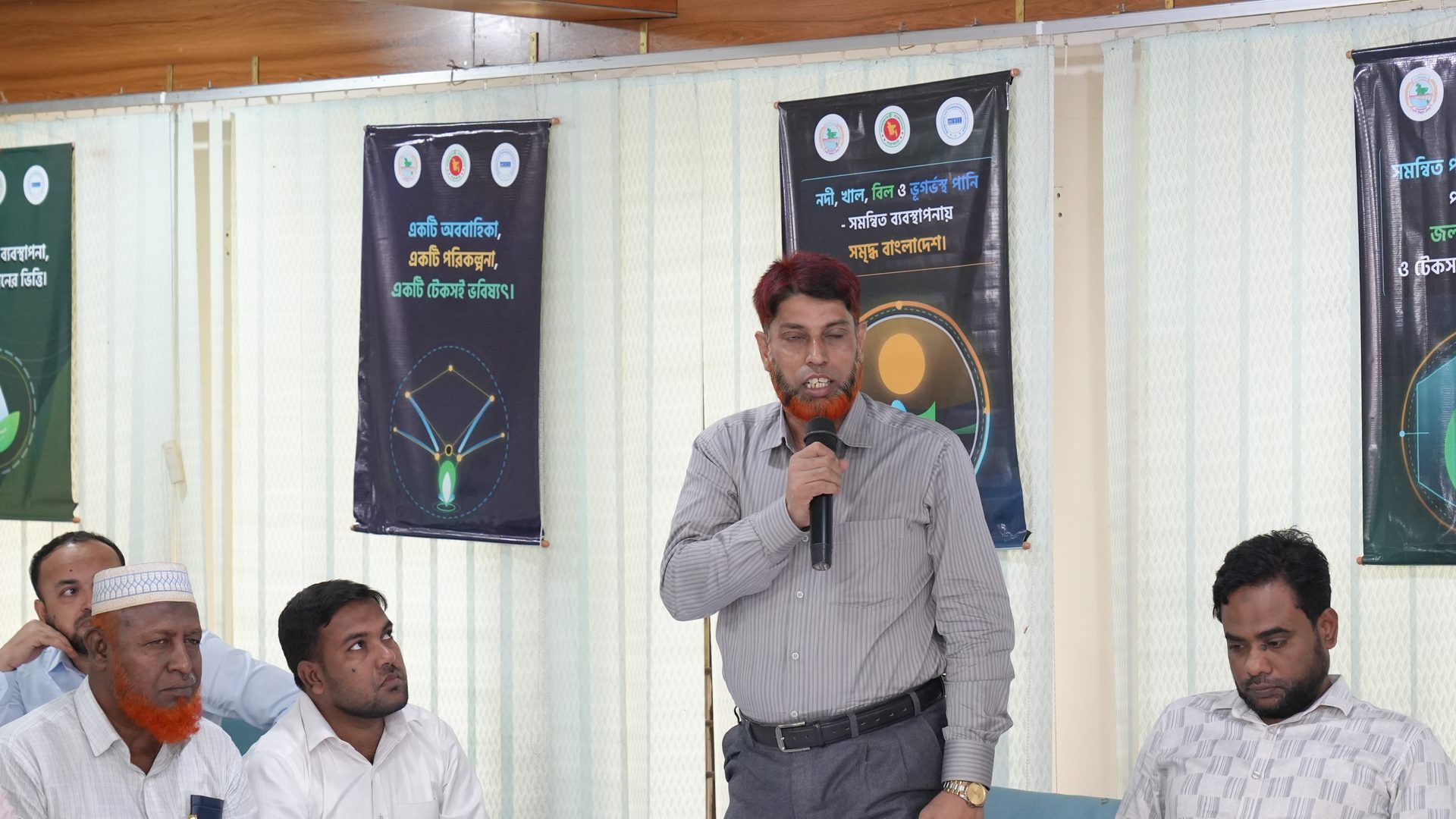
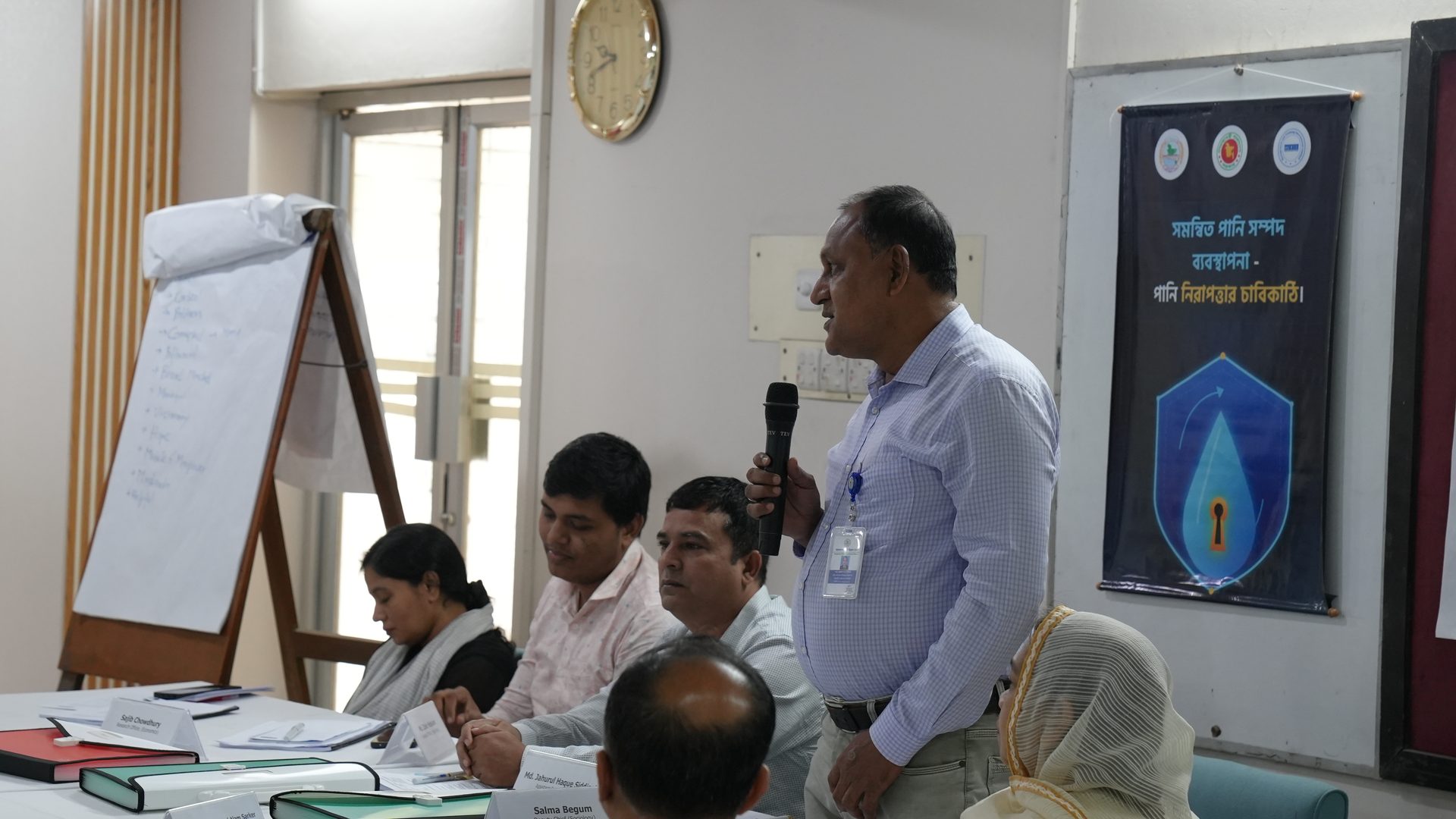
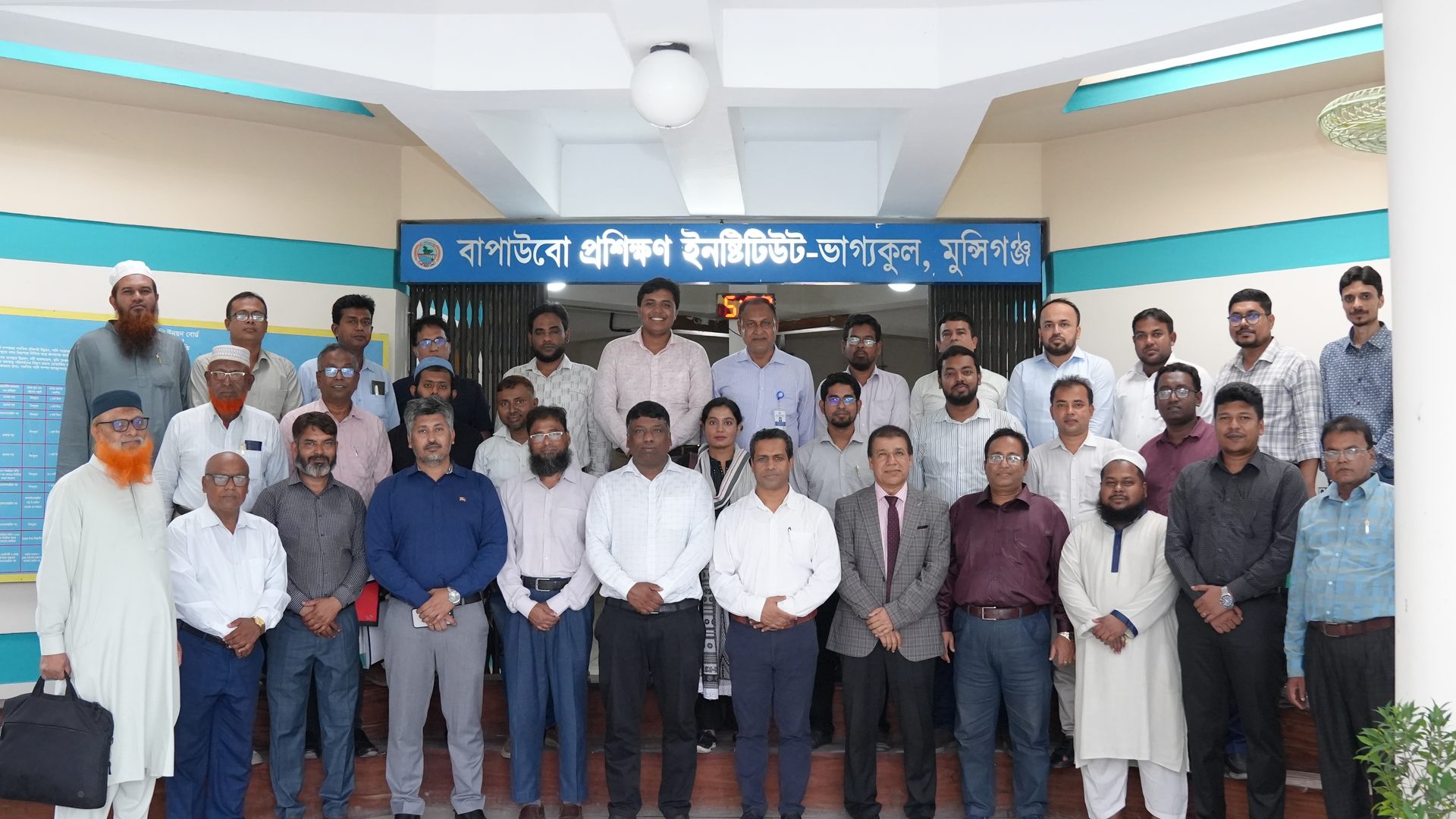
Photographs from all three days — classroom sessions, group work, poster presentations and the closing ceremony — at the BWDB Training Institute, Bhagyakul, Munshiganj.
Why This Matters
Bangladesh does not lack water law. It lacks uniform fluency in applying it. A regulation is only as strong as the Assistant Extension Officer who has to invoke it at a village meeting, or the Sub-Divisional Engineer who has to write it into a dredging contract. By taking twenty-five officials from nine districts and putting the National Water Policy 1999, the BWDB Act 2000, the Water Act 2013, the Water Resources Regulations 2018 and the Delta Plan 2100 in front of them as a single connected system — taught by the Board's own Director General, Additional Director General and serving Project Directors — this course narrowed exactly that gap.
The Climate-Smart Agriculture and Water Management Project makes the investment strategic rather than incidental. Climate adaptation in the delta will be delivered through the same schemes BWDB already runs; whether those schemes are climate-smart depends on whether the people designing and supervising them can read policy, statute and regulation as one instrument. That is precisely what this batch was trained to do — and it is what the remaining batches under Packages 21 and 22 will continue to build.
More from this Programme
Programme Snapshot
| Field | Detail |
|---|---|
| Course Title | Integrated Water Resources Management (IWRM) focusing on the Water Policy 1999, Water Act 2013 and Water Resources Regulations 2018 |
| Reference | CSAWMP-WDB-PCU-WD-21-1-IWRM-01 — Package 21, Batch 1 |
| Duration | 3 days — 23 to 25 June 2026 |
| Venue | BWDB Training Institute (BTI), Bhagyakul, Munshiganj, Bangladesh |
| Participants | 25 officials of the Bangladesh Water Development Board |
| Ministry | Ministry of Water Resources, Government of the People's Republic of Bangladesh |
| Implementing Agency | Bangladesh Water Development Board (BWDB) |
| Project | Climate-Smart Agriculture and Water Management Project (CSAWMP), BWDB Part |
| Source of Fund | CSAWMP (BWDB Part) |
| Project Director | Pijush Krishna Kundu, Additional Chief Engineer (Civil) |
| Course Coordinator | Muhammad Shohiduzzaman Sharker, Superintending Engineer (Civil), BTI |
| Sessions | 12 technical sessions across 3 days, four sessions per day |
| Training Service Provider | Management and Training International Ltd. (MTI Ltd.) |
| Country | Bangladesh |
Frequently Asked Questions
What was the IWRM training under Package 21 about?
It was a three-day course on Integrated Water Resources Management focusing on Bangladesh's National Water Policy 1999, the Water Act 2013 and the Water Resources Regulations 2018, delivered across twelve technical sessions plus group work, poster presentation and a case-study action-planning exercise.
Who attended the training and where was it held?
Twenty-five officials of the Bangladesh Water Development Board — extension officers, research officers, engineers and deputy chiefs from Dhaka headquarters and field offices in Rangpur, Kushtia, Jashore, Magura, Noakhali, Faridpur, Barishal and Gopalganj — attended at the BWDB Training Institute (BTI), Bhagyakul, Munshiganj, from 23 to 25 June 2026.
Who funded and organised the course?
The course was funded by the Climate-Smart Agriculture and Water Management Project (CSAWMP), BWDB Part, under the Bangladesh Water Development Board, Ministry of Water Resources. Management and Training International Ltd. (MTI Ltd.) served as the training service provider under reference CSAWMP-WDB-PCU-WD-21-1-IWRM-01.
How many batches will be delivered under Package 21 and Package 22?
75 training batches are planned across Package 21 (40 batches) and Package 22 (35 batches) of the CSAWM Project (BWDB Part). This IWRM course was the first batch under Package 21.
Which laws and policies were covered in the curriculum?
The National Water Policy 1999, the National Water Management Plan 2001, the Guidelines for Participatory Water Management 2000, the Participatory Water Management Rules 2014, the Bangladesh Water Development Board Act 2000, the Bangladesh Water Act 2013, the Water Resources Regulations 2018 with the 2019 Guidelines, and the Bangladesh Delta Plan 2100.
How was learning measured?
Participants sat a pre-evaluation during the opening session on Day 1 and a post-evaluation during the concluding session on Day 3, alongside a group action-planning output defended in a poster presentation. A Course Evaluator from the CSAWM Project was formally assigned to the batch.