Second Batch: BWDB Officials Trained on Project Management, PPA/e-GP Compliance and Climate-Smart Execution
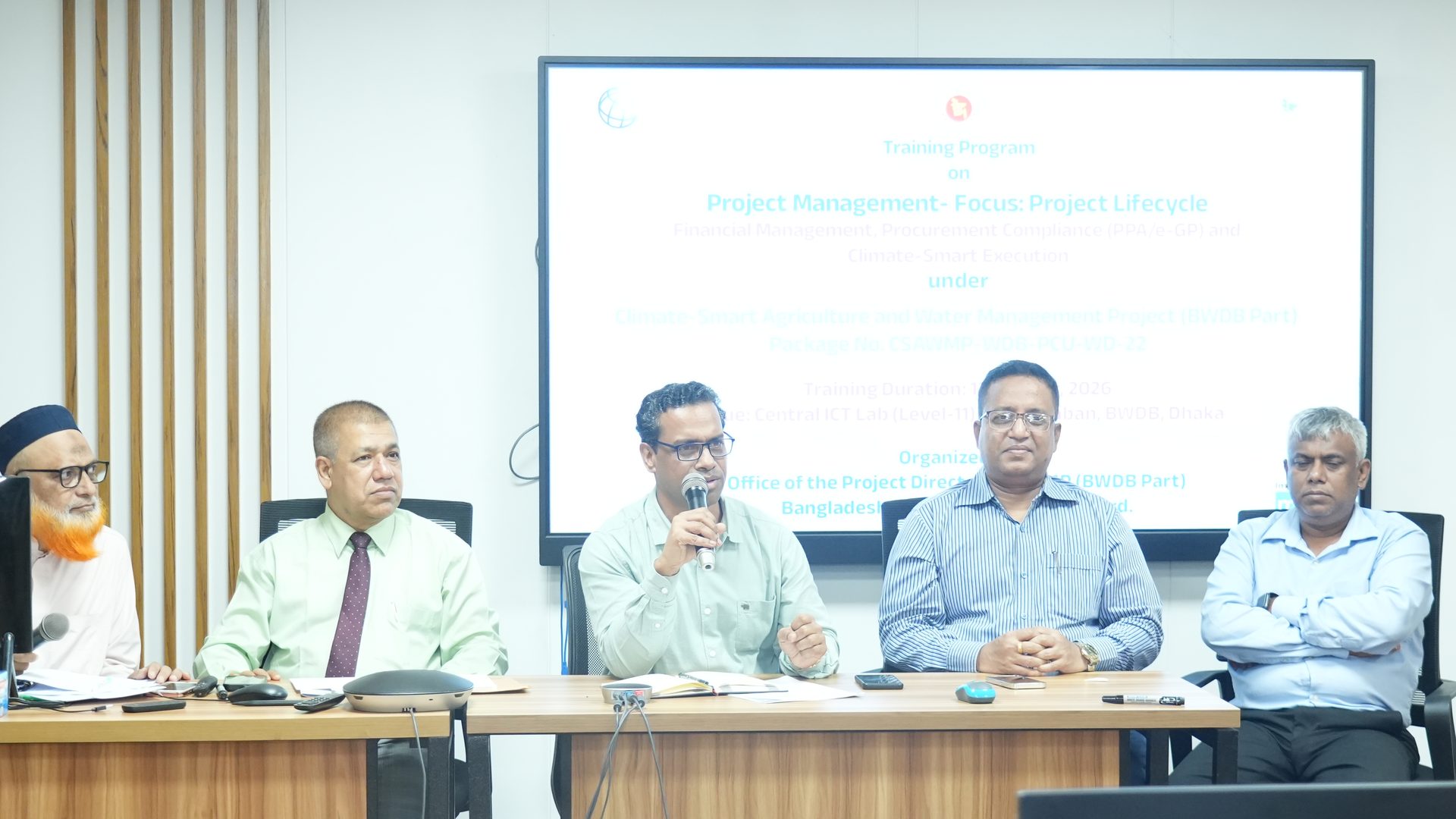
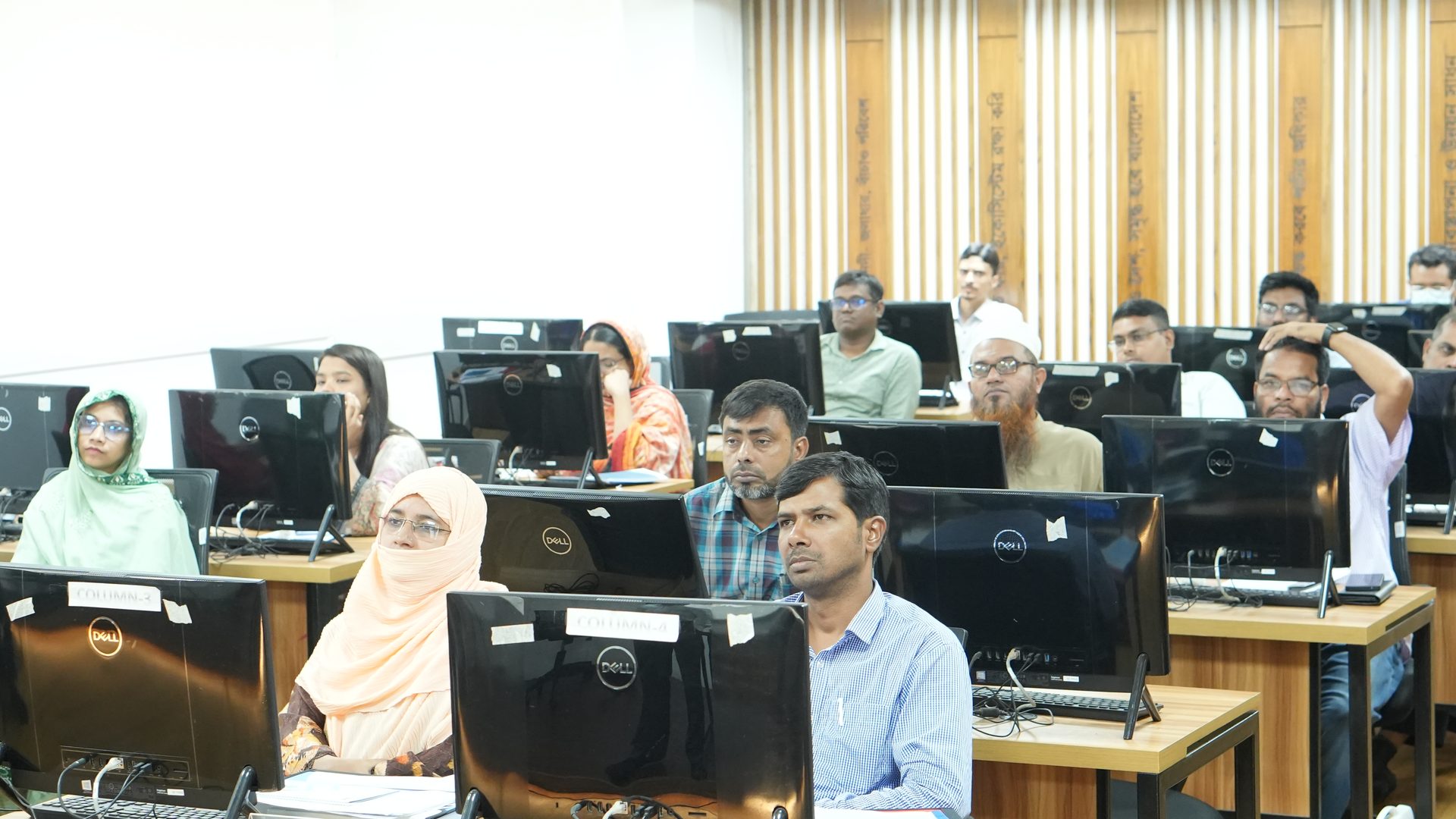
Management and Training International (MTI) Ltd. conducted the second running of the training course on Project Management — focusing on project lifecycle, financial management, procurement compliance (PPA/e-GP) and climate-smart execution on 12 and 13 July 2026 at the Central ICT Lab, Level-11, Pani Bhaban, BWDB, Dhaka. Twenty-five officials of the Bangladesh Water Development Board (BWDB), under the Ministry of Water Resources, took part — the second batch of Package 22 of the Climate-Smart Agriculture and Water Management Project (CSAWM Project), BWDB Part, and the fourth course delivered in the programme overall.
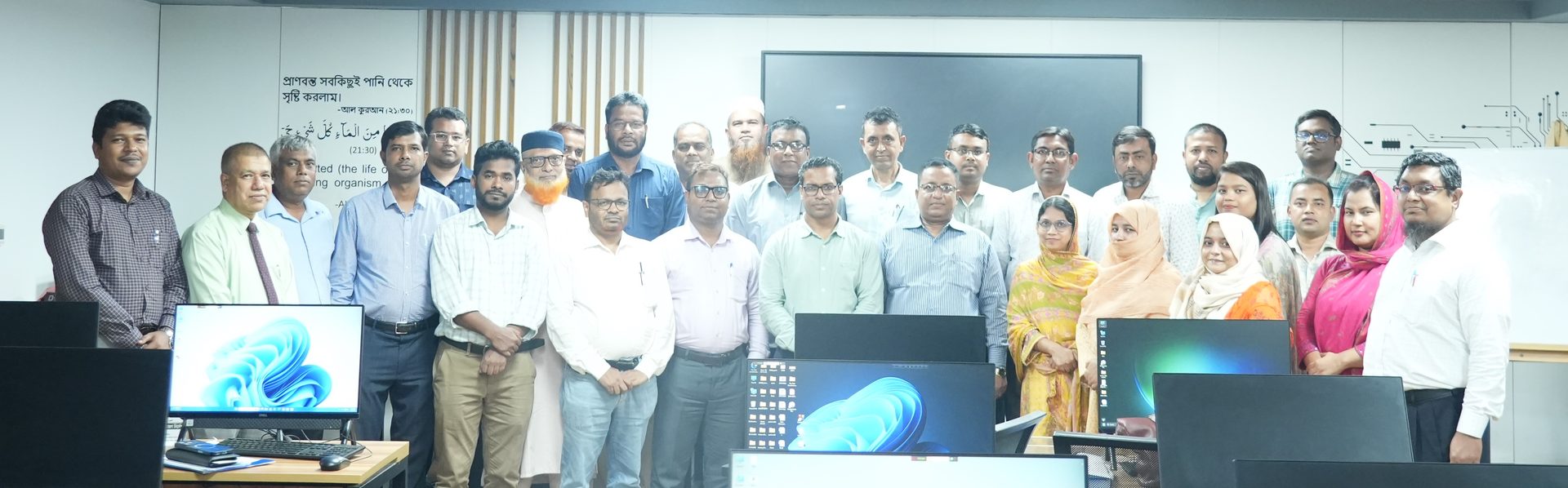
About the engagement: Under reference CSAWMP-WDB-PCU-WD-22-2-PPA-eGp-02 (module Course ID CSAWMP-WDB-PCU-WD-22/PM-02), MTI Ltd. is delivering the training package for the Climate-Smart Agriculture and Water Management Project (BWDB Part), implemented by the Bangladesh Water Development Board under the Ministry of Water Resources, Government of the People's Republic of Bangladesh. The course was authorised by Office Order Memo No. 42.01.0000.000.647.25.0010.26-27, dated 8 July 2026, issued by the Office of the Project Director, CSAWM Project (BWDB Part), Pani Bhaban, 72 Green Road, Dhaka, following the Director General's D-Nothi approval (Para 2.6) of the same date.
Same Module, Different Room, Different Faculty
Eleven days earlier the identical module ran as Package 22 Batch 1 at the BWDB Training Institute in Bhagyakul, taught largely by the Institute's own staff. This second batch is the more interesting one, because almost everything around the content changed.
The venue moved from a residential training institute in Munshiganj to the Central ICT Lab on Level-11 of Pani Bhaban — BWDB headquarters, a working computer lab a few floors from the directorates being discussed. And the resource-person panel was replaced wholesale, with each block handed to the office that owns it: the Directorate of Planning-1 on project lifecycle, the Directorate of Finance on budgets, funds and audit, the Contract and Procurement Cell on PPA and e-GP, and the Additional Chief Engineer (Civil), Hydrology on climate risk and resilient design.
That is a meaningful shift. In Batch 1 the cohort learned procurement compliance from experienced trainers; in Batch 2 they learned it from the cell that actually administers BWDB's contracts, and learned hazard identification from the engineer responsible for the Board's hydrology. The module did not deepen — the authority behind it did.
Course Leadership
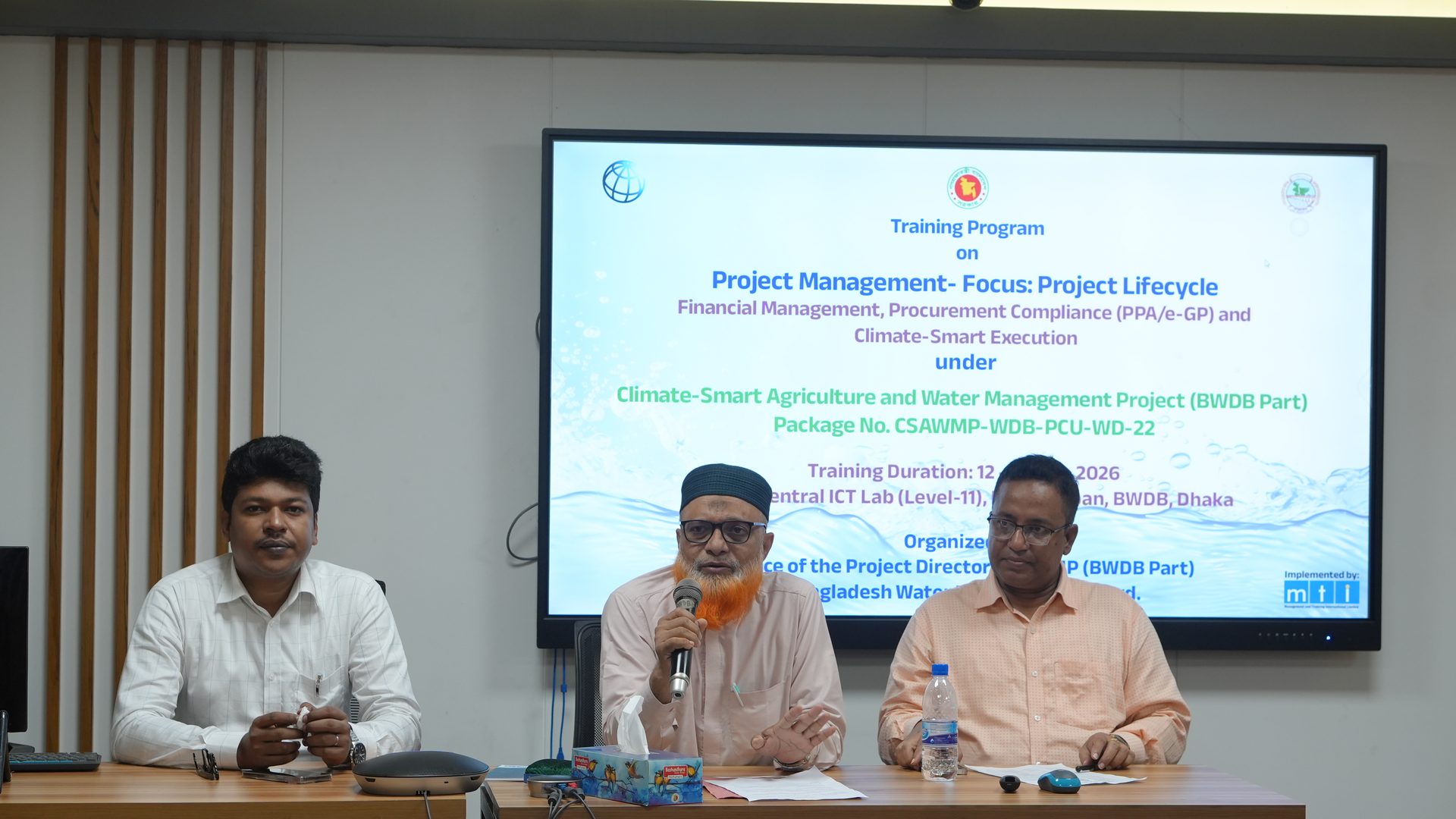
Pijush Krishna Kundu, Additional Chief Engineer (Civil) and Project Director of the CSAWM Project (BWDB Part), opened the course on the morning of 12 July and returned on the second afternoon to close it. Course administration passed to the project's own extension and ICT staff, with a Course Evaluator drawn from the CSAWM Project.
Worth noting for anyone following the series: Md. Hafizur Rahman, Course Coordinator here, delivered three sessions as a resource person on the Package 21 Participatory Water Management course — and Muhammad Shahid Shikdar of the Directorate of Central ICT returns as Assistant Course Coordinator, the role held on that same course. The programme is rotating a stable core of people through delivery, coordination and evaluation roles rather than contracting them out.
Additional Chief Engineer (Civil) & Project Director
CSAWM Project (BWDB Part)
Deputy Chief Extension Officer
CSAWM (BWDB Part) Project
Programmer
Directorate of Central ICT
Executive Engineer
CSAWM (BWDB Part) Project
Managing Director
Management and Training International Ltd.
Resource Persons — One Block, One Owning Office
Five senior BWDB officials delivered the eight sessions, and the mapping between subject and office is close to exact.
Additional Chief Engineer (Civil) & Project Director
CSAWMP (BWDB Part)
Superintending Engineer
Directorate of Planning-1
Director (FA&A)
Directorate of Finance
Executive Engineer (C.C.)
Contract and Procurement Cell
Additional Chief Engineer (Civil)
Hydrology
Continuity across the programme: Dr. Md. Khairul Islam of the Directorate of Planning-1, who taught project lifecycle here, also delivered the BWDB Act 2000 and participatory planning sessions on the Package 21 IWRM course in June. Among the participants, K. M. Zakir Hossain, Deputy Chief (Soil), returns from Package 22 Batch 1, and Mst. Efrat Alam — who served as Assistant Course Coordinator for that batch at Bhagyakul — attends this one as a trainee.
Eight Blocks, One Project
Each session pairs two sub-topics, and the eight blocks run in the order a real scheme encounters them.
Identification & Feasibility
Needs assessment to identify genuine project demand, and feasibility analysis covering technical and economic viability before commitments are made.
Planning & Design
Work breakdown structure and task decomposition, and detailed design preparation — drawings and specifications a contractor can price and build.
Implementation & Monitoring
Construction scheduling and the time sequencing of activities, with progress monitoring that tracks physical and financial status together.
Closure & Evaluation
Completion reporting, final documentation and handover, followed by post-project evaluation of performance and lessons learned.
Budget & Cost Estimation
Cost estimation techniques including quantity and rate analysis, and budget allocation as financial planning and distribution across the scheme.
Funds, Control & Audit
Fund flow management and timely release, contractor billing and certification, expenditure tracking and variance, audit compliance, risk identification and cost-overrun mitigation.
Procurement: PPA, PPR-2025 & e-GP
Procurement planning and package structuring, tender documentation and bid evaluation under the Public Procurement Act, e-GP tender publication and e-submission, contract administration and dispute resolution.
Climate-Smart Execution
Hazard identification for flood, erosion and salinity, vulnerability analysis, adaptive and nature-based design, resource efficiency, environmental safeguards and resilience-indicator monitoring.
Day-by-Day Course Schedule
Participants reported to the Central ICT Lab at 08:30 each morning, with four sessions a day running to a 16:00 close.
- 09:00–09:20 Welcome and Introduction Welcome and opening remarks by senior BWDB officials; participant introductions and expectations. Methods: speech, interactive discussion. Pijush Krishna Kundu Project Director & Addl. Chief Engineer (Civil), CSAWMP (BWDB Part)
- 09:20–10:40 Session 1 — Pre-Evaluation & Project Lifecycle Written pre-evaluation. Project Identification and Feasibility: needs assessment to identify project demand; feasibility analysis for technical and economic viability. Project Planning and Design: work breakdown structure and task decomposition; detailed design preparation — drawings. Methods: plenary discussion with PPP, experience sharing, Q&A. Dr. Md. Khairul Islam Superintending Engineer, Directorate of Planning-1, BWDB
- 10:40–10:50 Refreshment and tea break
- 10:50–12:10 Session 2 — Project Lifecycle: Implementation, Monitoring, Closure & Evaluation Project Implementation and Monitoring: construction scheduling and time sequencing of activities; progress monitoring tracking physical and financial status. Project Closure and Evaluation: completion reporting — final documentation and handover; post-project evaluation of performance and lessons learned. Methods: interactive discussion, experience sharing, Q&A. Dr. Md. Khairul Islam Superintending Engineer, Directorate of Planning-1, BWDB
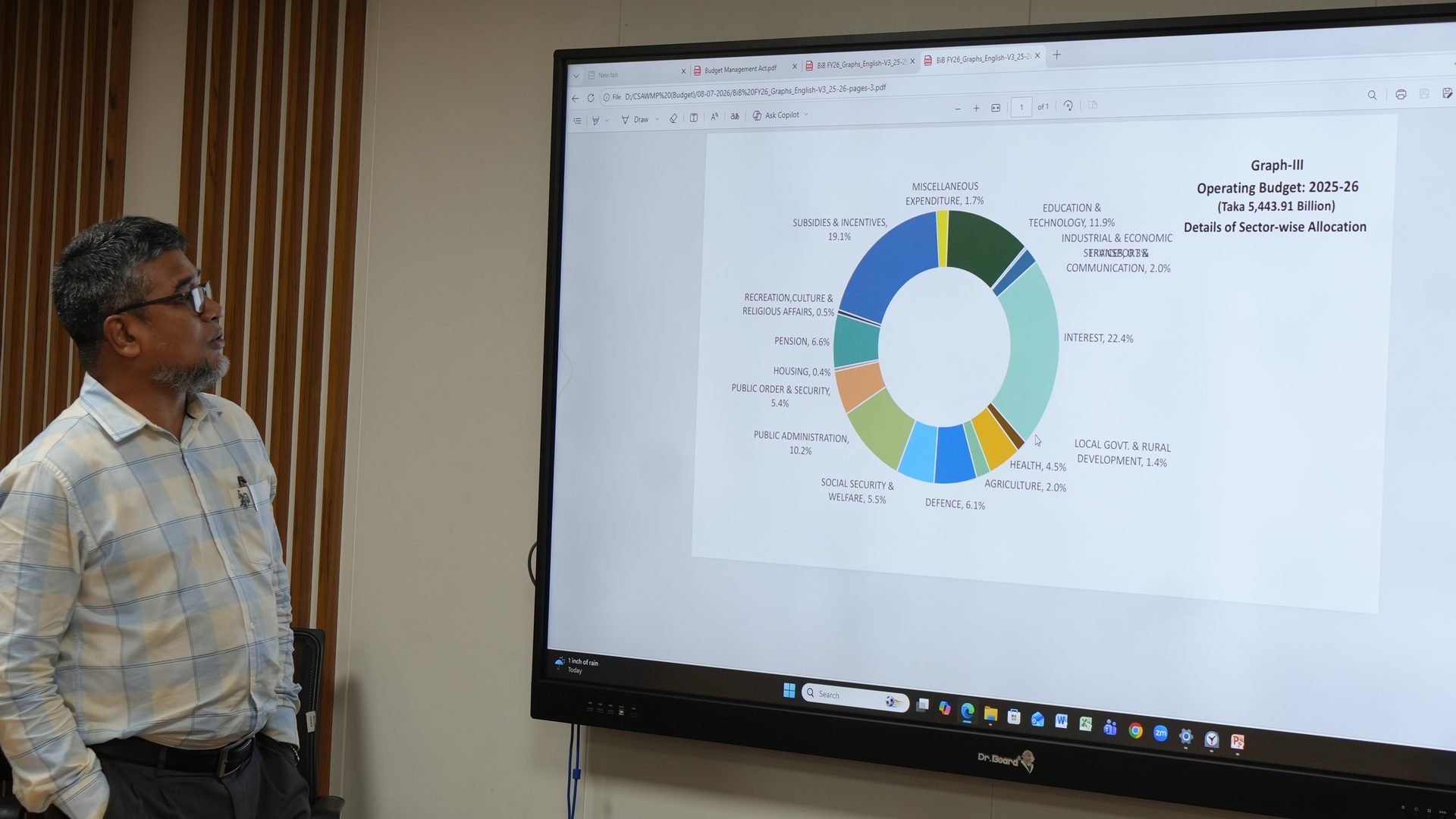
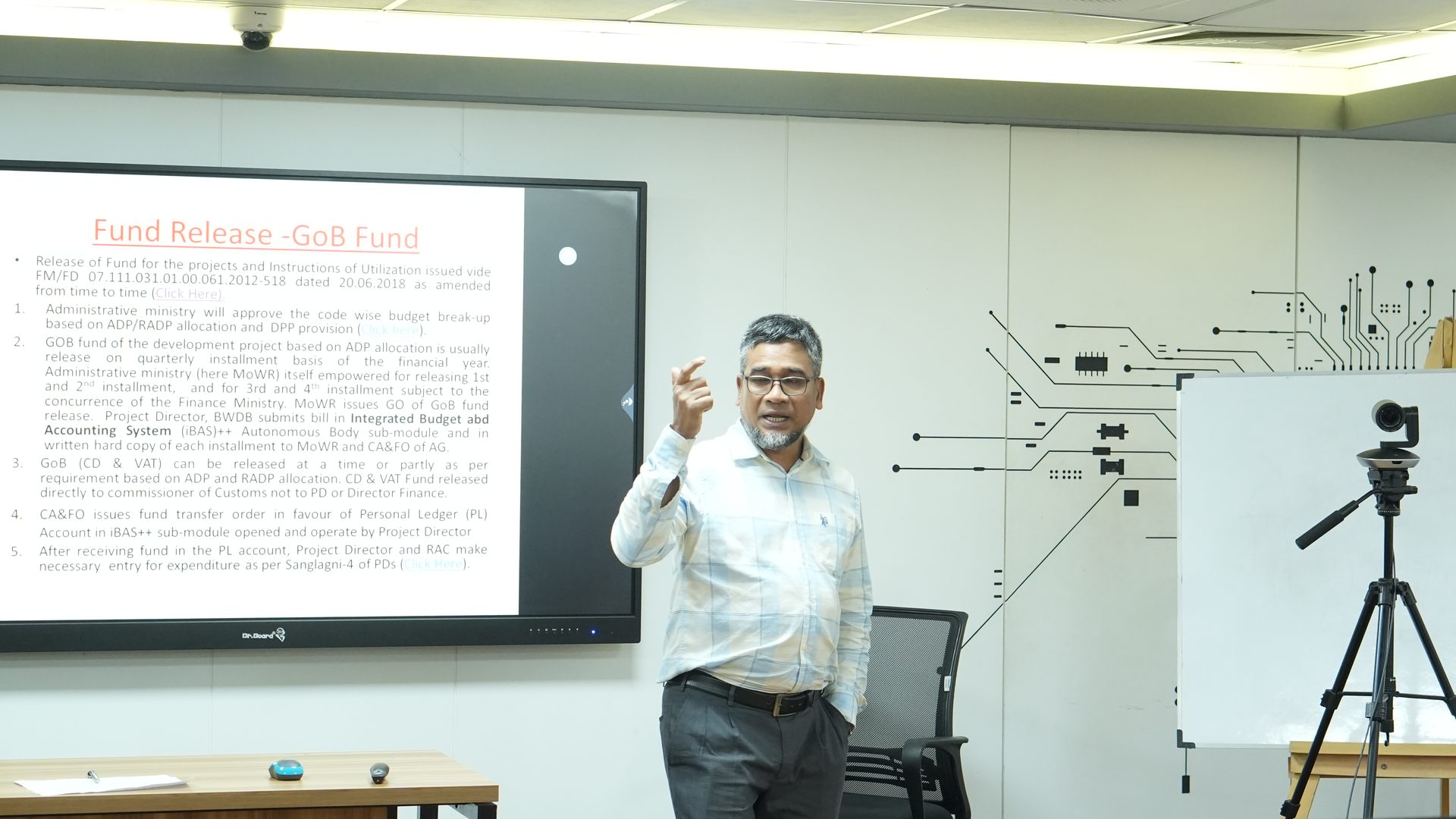
- 12:10–13:30 Session 3 — Financial Management: Budget Preparation & Fund Disbursement Budget Preparation and Cost Estimation: cost estimation techniques — quantity and rate analysis; budget allocation — financial planning and distribution. Fund Management and Disbursement: fund flow management for timely release; payment procedures — contractor billing and certification. Methods: plenary discussion with PPP, VIPP, Q&A. Farid Ahmed Khan Director (FA&A), Directorate of Finance, BWDB
- 13:30–14:20 Lunch and prayer break
- 14:20–15:40 Session 4 — Financial Management: Control, Audit & Cost Overrun Financial Control and Audit: expenditure tracking — cost control and variance; audit compliance — financial transparency and reporting. Risk and Cost Overrun Management: risk identification of financial uncertainties; cost overrun mitigation through corrective financial measures. Methods: plenary discussion with PPP, VIPP, Q&A. Farid Ahmed Khan Director (FA&A), Directorate of Finance, BWDB
- 15:40–16:00 Day review and refreshment
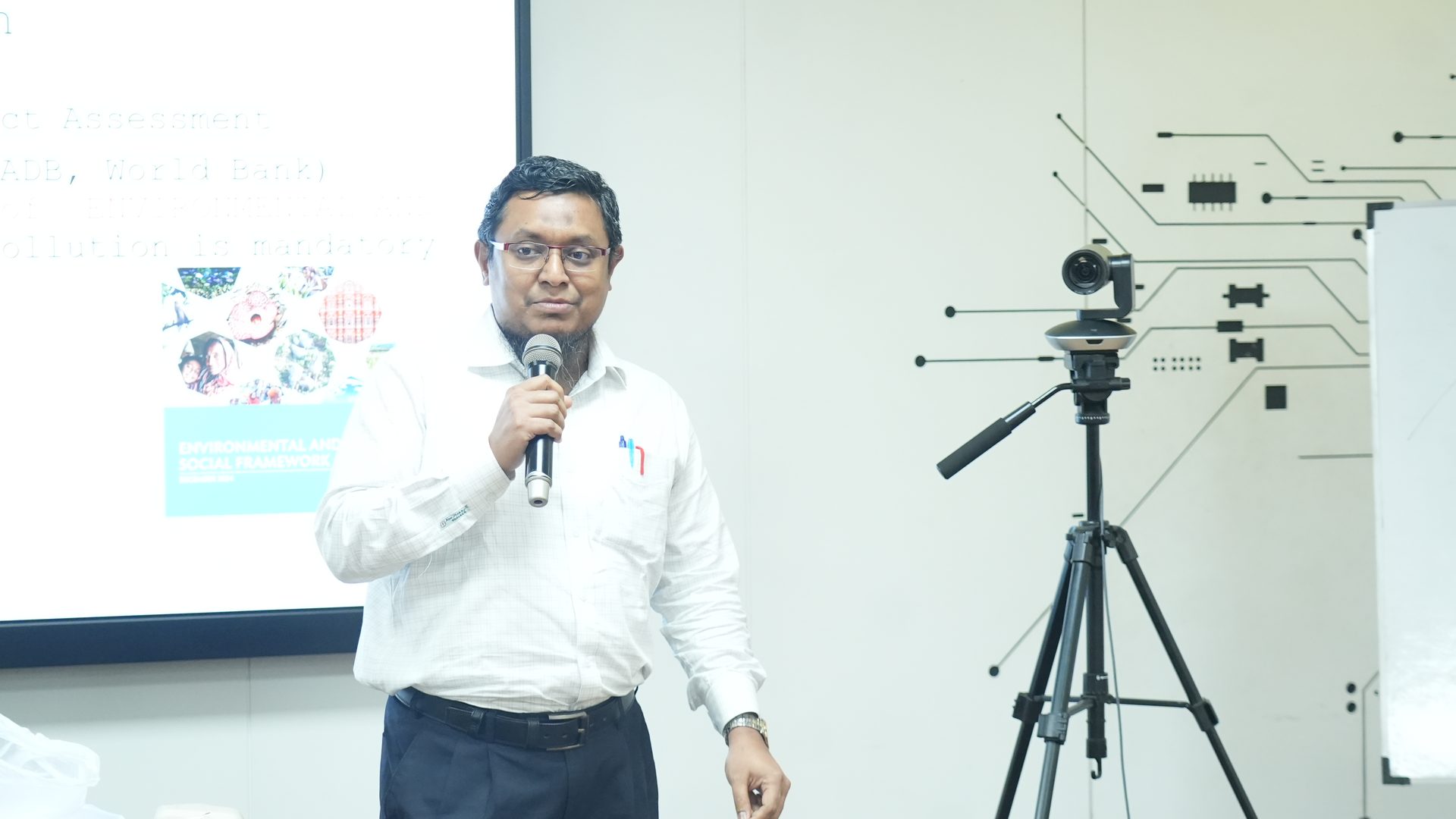
- 09:00–10:20 Session 1 — Procurement Compliance (PPR-2025, e-GP): Planning & Tendering Procurement Planning: procurement plan preparation and tender scheduling; package structuring — contract grouping strategy. Tendering Process under PPA: tender documentation — specifications and conditions; bid evaluation — technical and financial assessment. Methods: interactive discussion, brainstorming, experience sharing. Sourav Kumar Das Executive Engineer (C.C.), Contract and Procurement Cell, BWDB
- 10:20–10:40 Refreshment and tea break
- 10:40–12:00 Session 2 — Procurement Compliance (PPR-2025, e-GP): e-GP Operation & Contract Management e-GP System Operation: tender publication and the online invitation process; e-submission and opening — digital bid handling. Contract Management and Compliance: contract administration — execution and supervision; dispute resolution — claims and arbitration handling. Methods: interactive discussion, brainstorming, experience sharing. Sourav Kumar Das Executive Engineer (C.C.), Contract and Procurement Cell, BWDB
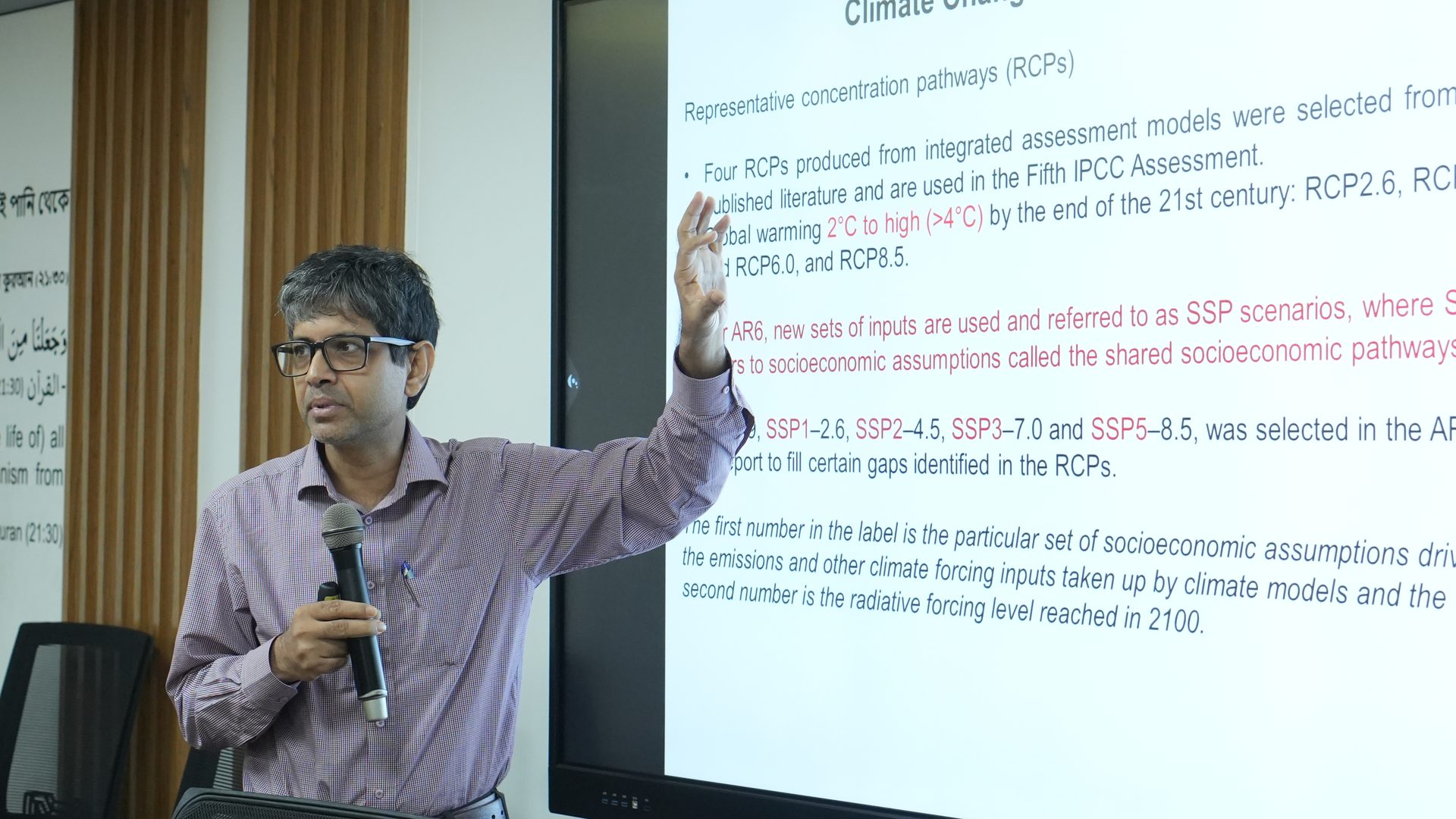
- 12:00–13:20 Session 3 — Climate-Smart Execution: Risk Assessment & Resilient Design Climate Risk Assessment in Projects: hazard identification — flood, erosion and salinity risks; vulnerability analysis — exposure and sensitivity. Climate-Resilient Design Integration: adaptive design for resilient infrastructure planning; nature-based solutions and eco-friendly approaches. Methods: plenary discussion, large group discussion with PPP. Dr. Md. Sazzad Hossain Additional Chief Engineer (Civil), Hydrology, BWDB
- 13:20–14:20 Lunch and prayer break
- 14:20–15:40 Session 4 — Climate-Smart Execution: Sustainable Construction & Adaptation Monitoring Sustainable Construction Practices: resource efficiency — energy and material optimisation; environmental safeguards — pollution control measures. Monitoring Climate Impacts and Adaptation: performance monitoring against resilience indicators; adaptive management and continuous improvement. Course review and conclusion; post-evaluation. Methods: Q&A, large group discussion with PPP, case study. Dr. Md. Sazzad Hossain Additional Chief Engineer (Civil), Hydrology, BWDB
- 15:40–16:00 Closing ceremony, certificate distribution and refreshment Pijush Krishna Kundu Project Director, CSAWMP (BWDB Part)
Training Methodology
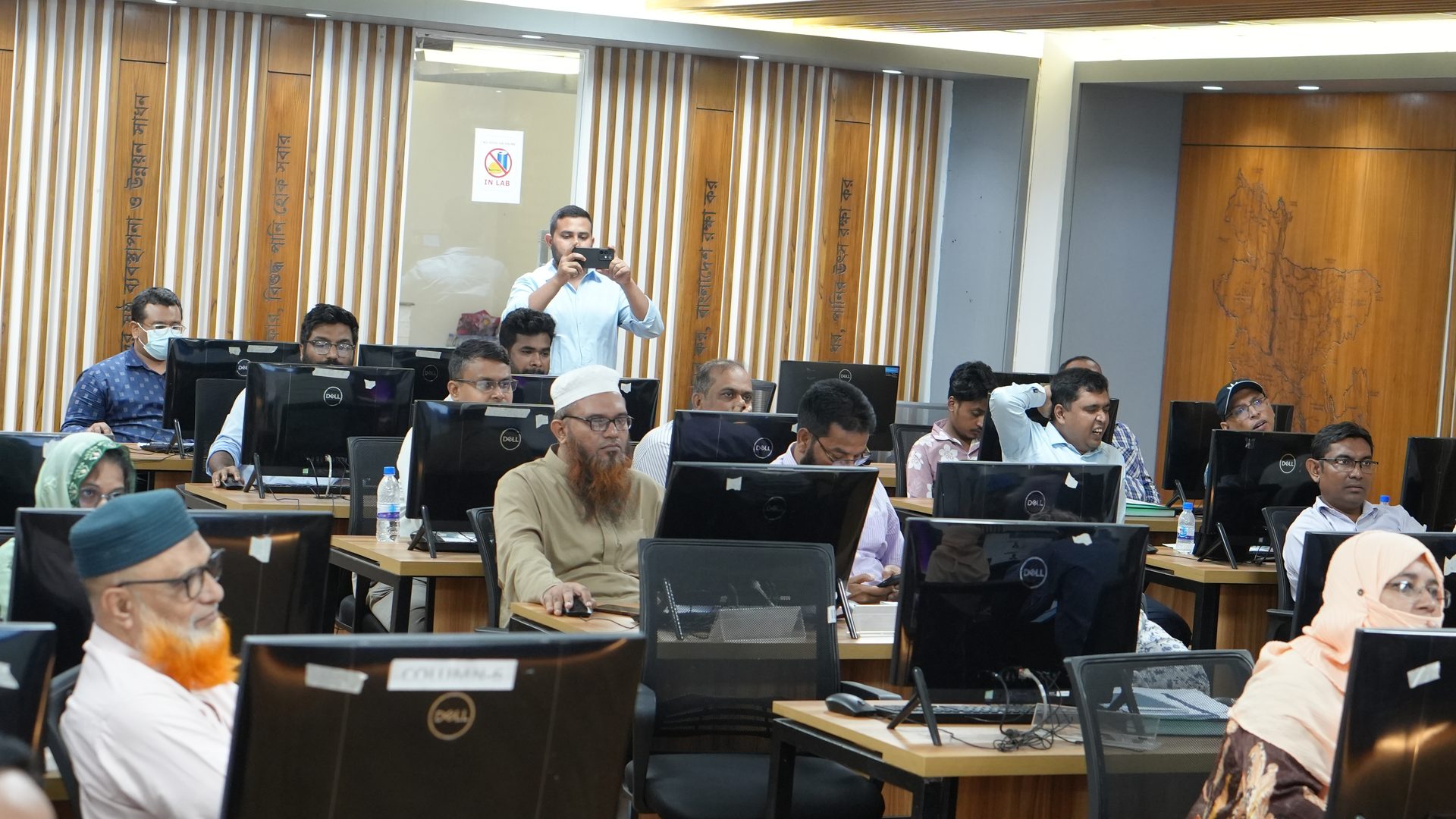
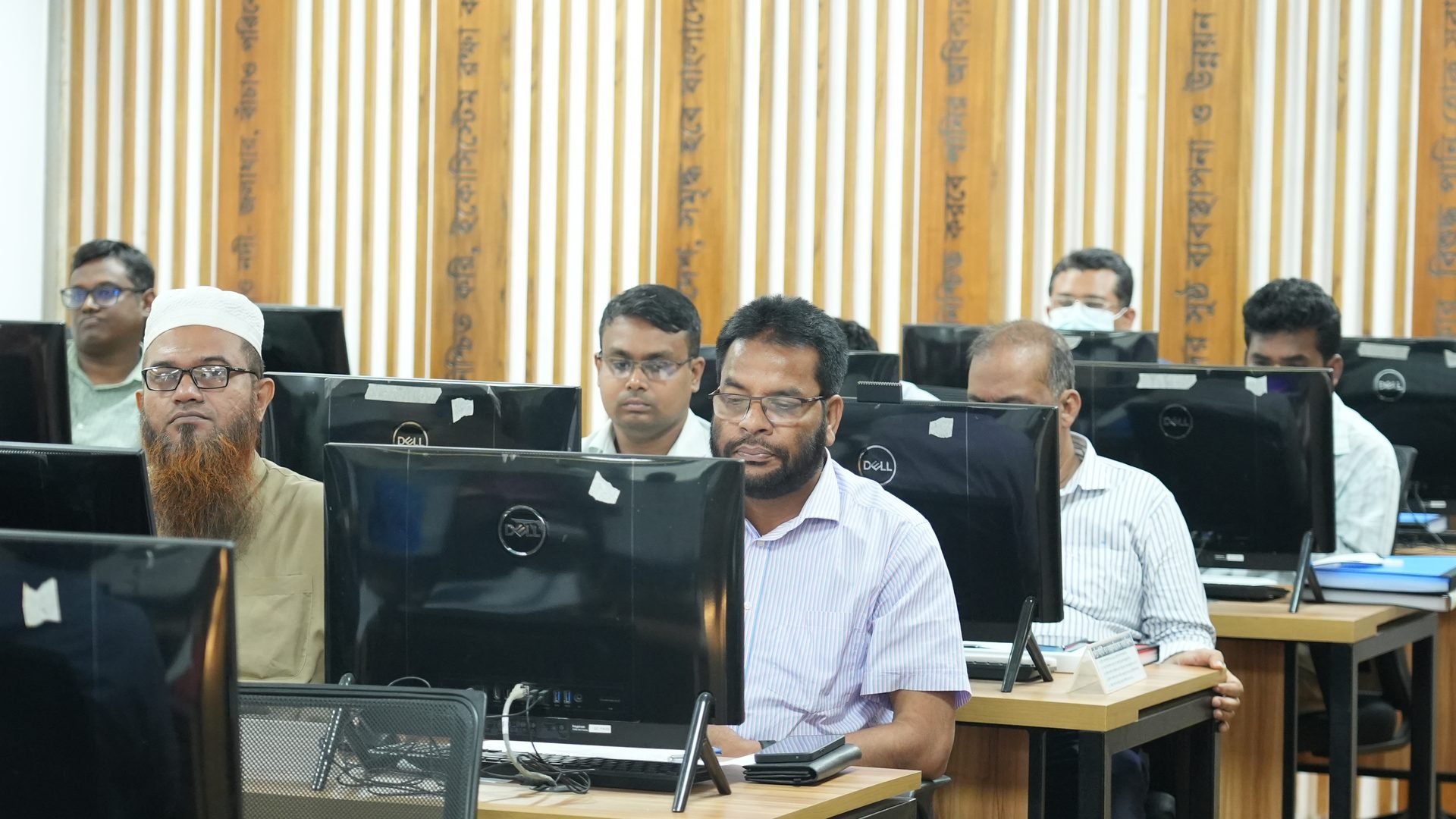
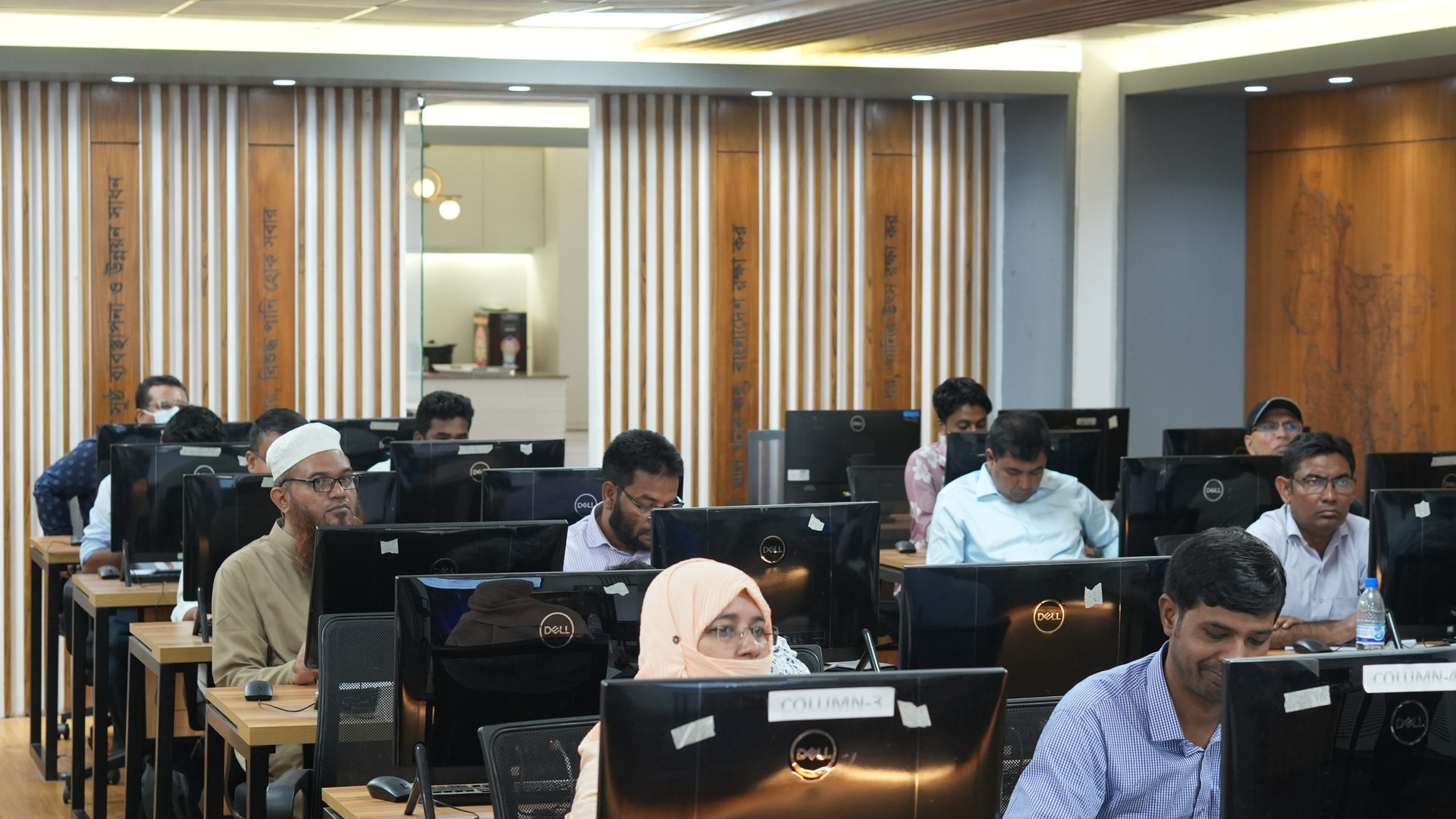
The methods follow the module: experience sharing written formally into five of the eight sessions, VIPP card work carrying the two financial-management sessions, brainstorming through the procurement blocks, and a case study closing the course. In a room where ten of the twenty-five participants are serving engineers and five are audit and accounts officers, "experience sharing" is not a filler method — it is the mechanism by which a Sub-Divisional Engineer from Gaibandha and a Senior Assistant Director from the Directorate of Audit discover they have been describing the same delay from opposite ends.
Participant Feedback
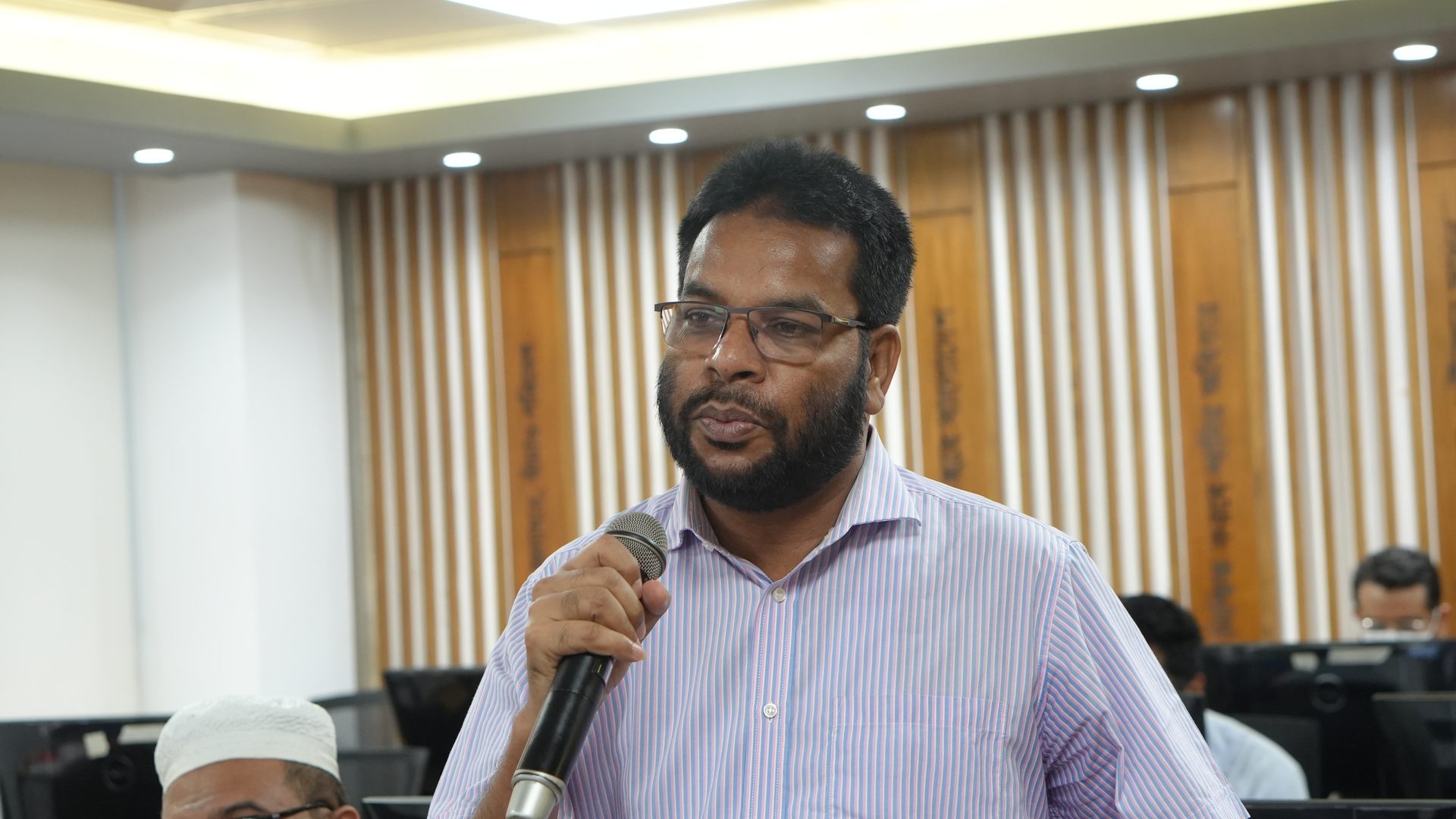
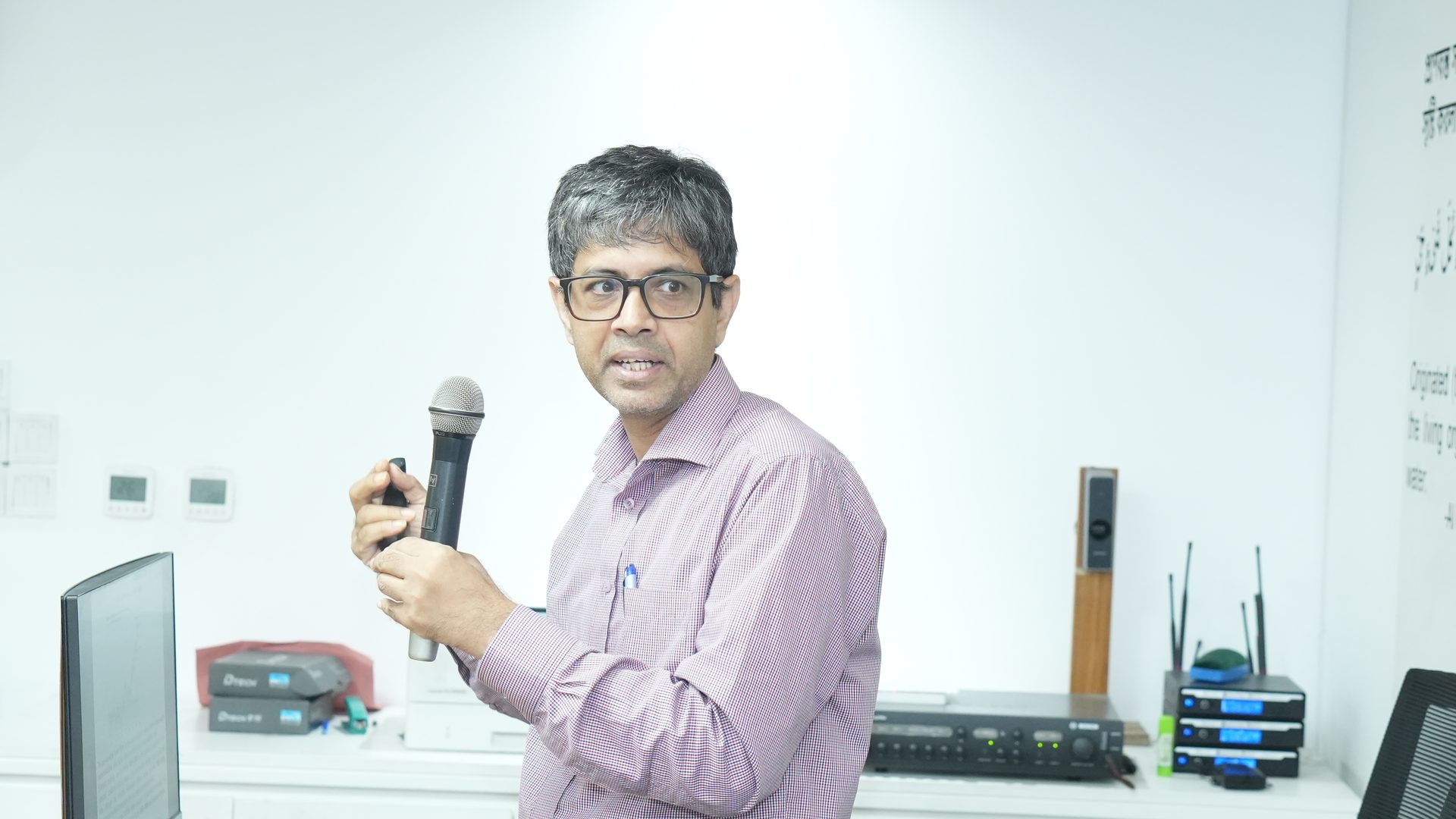
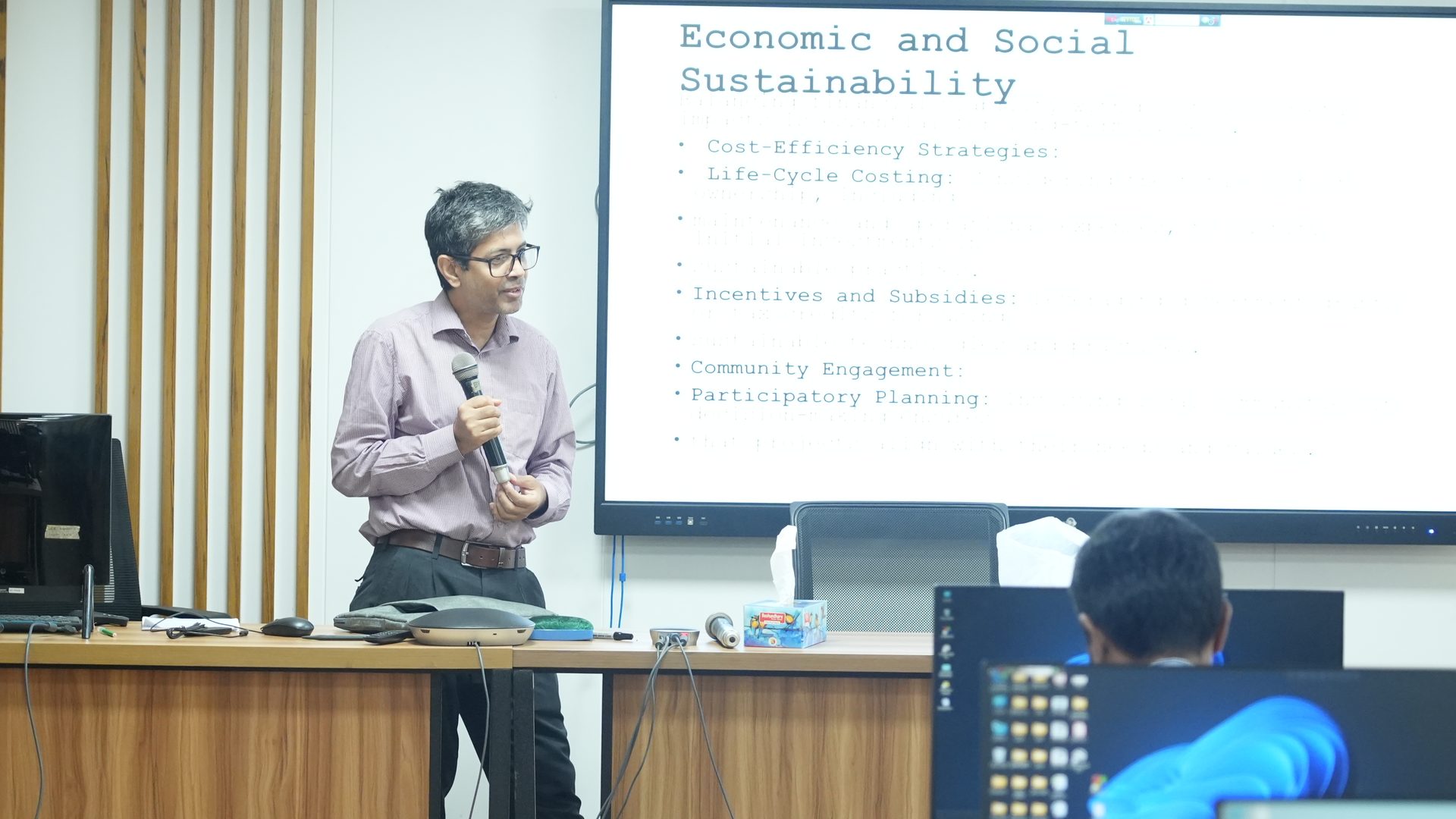
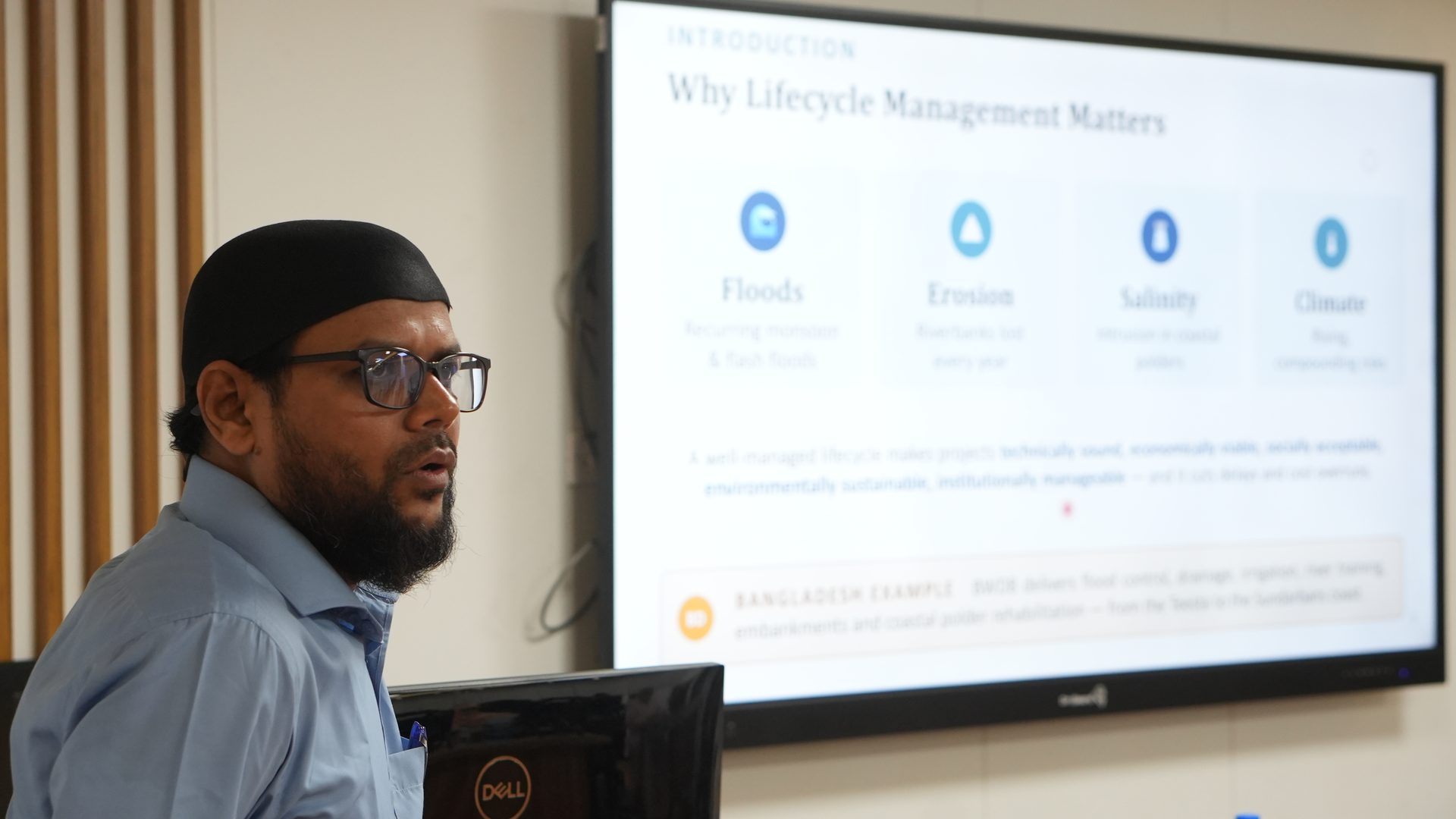
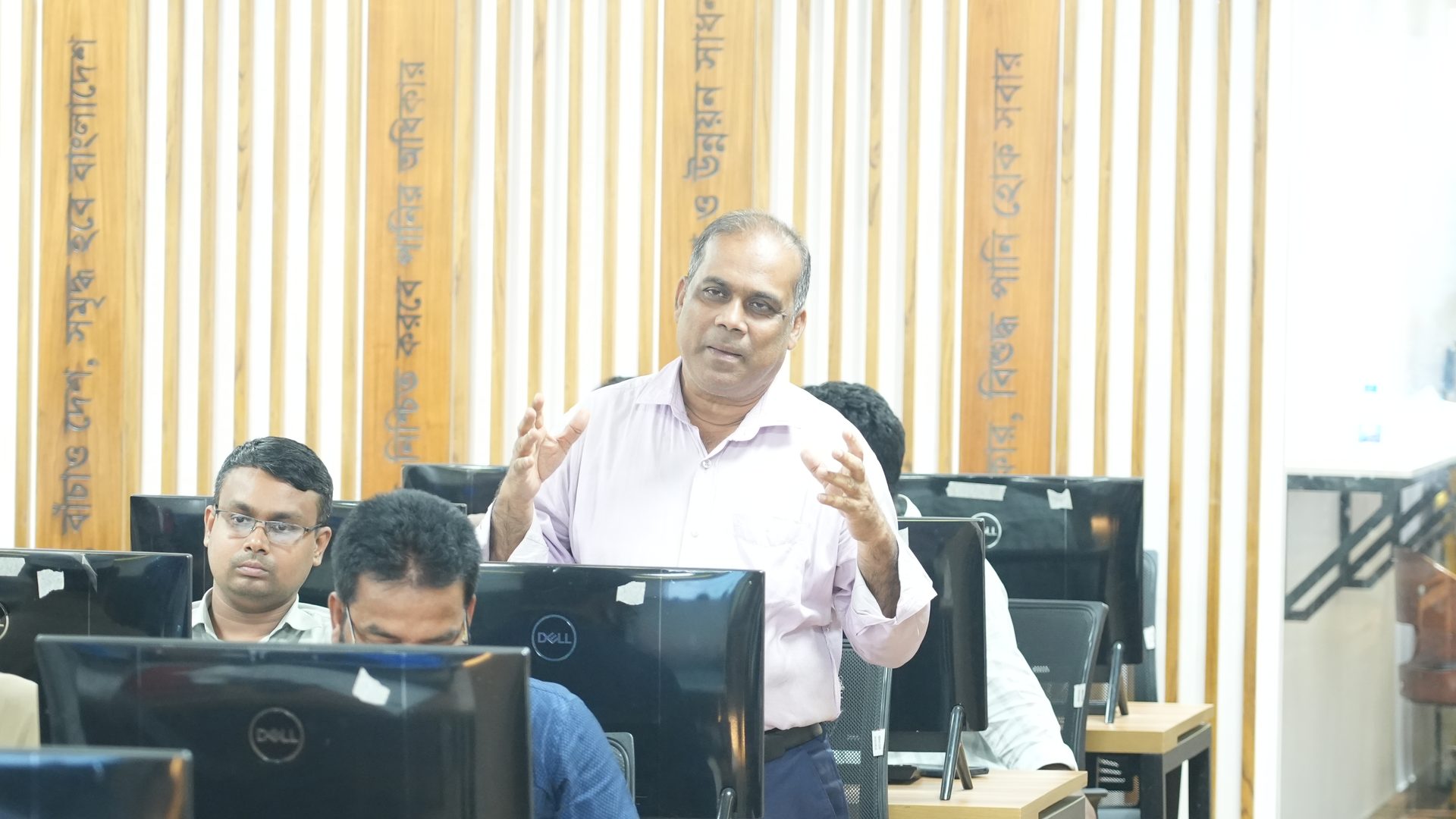
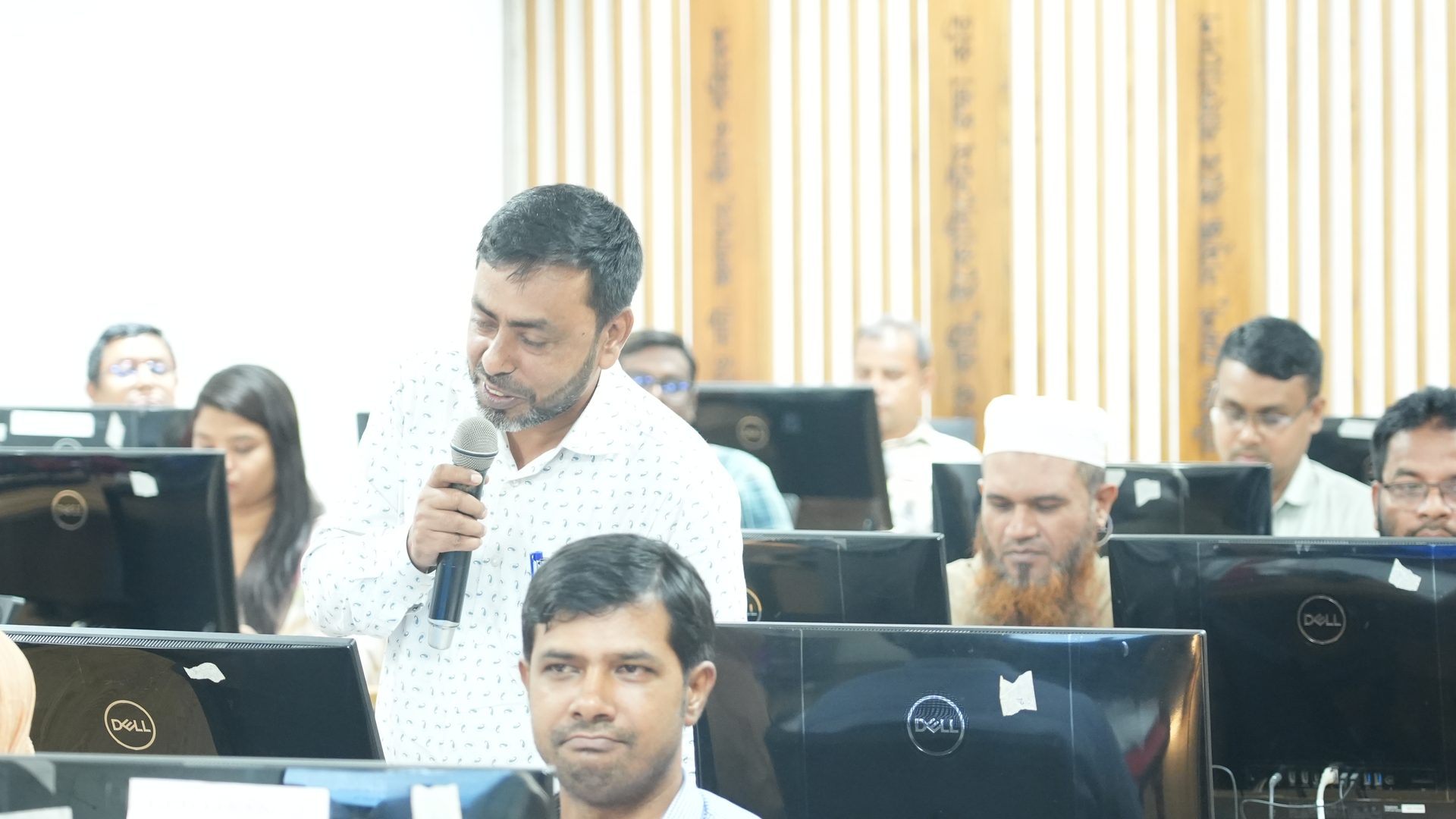
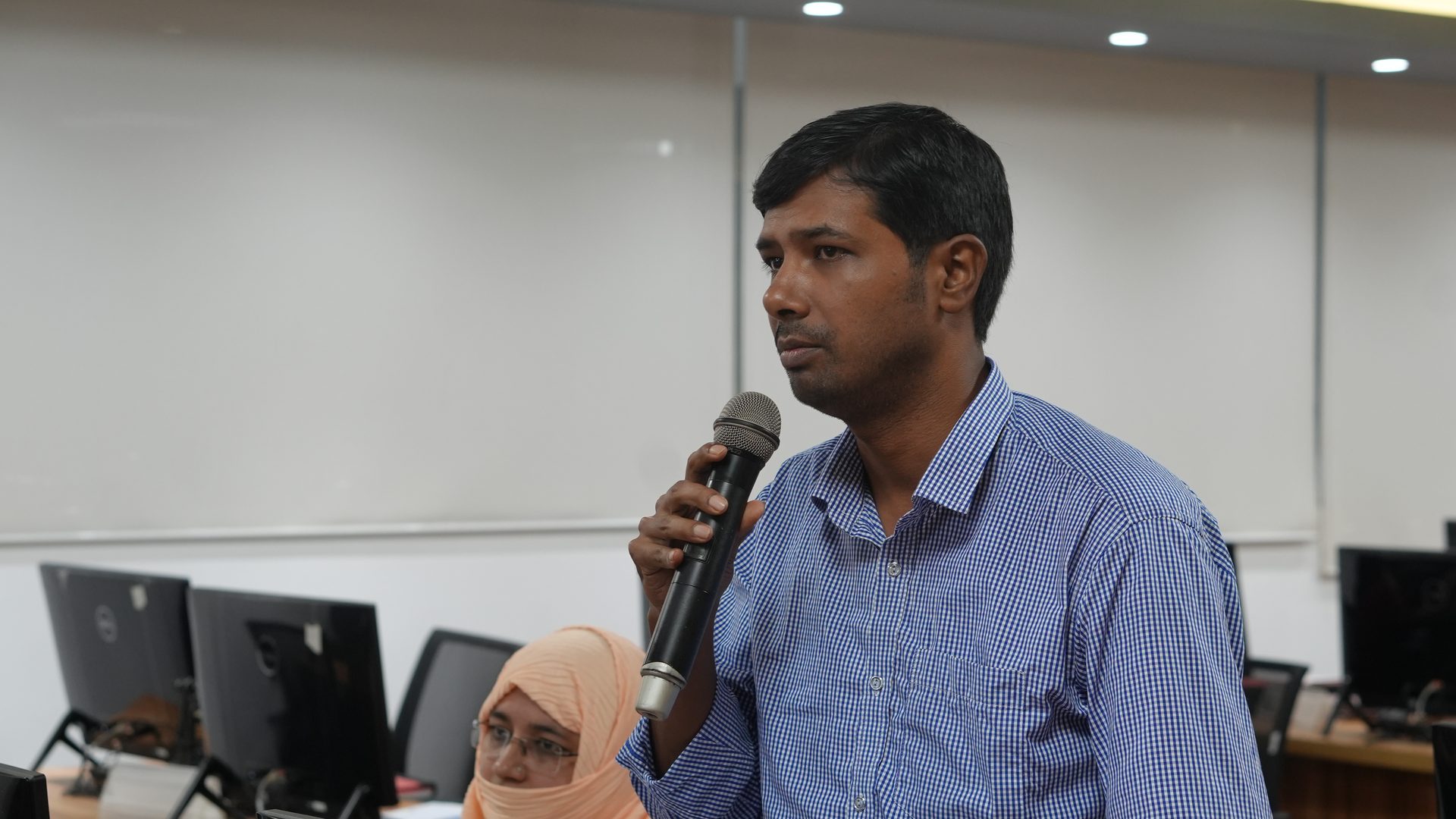
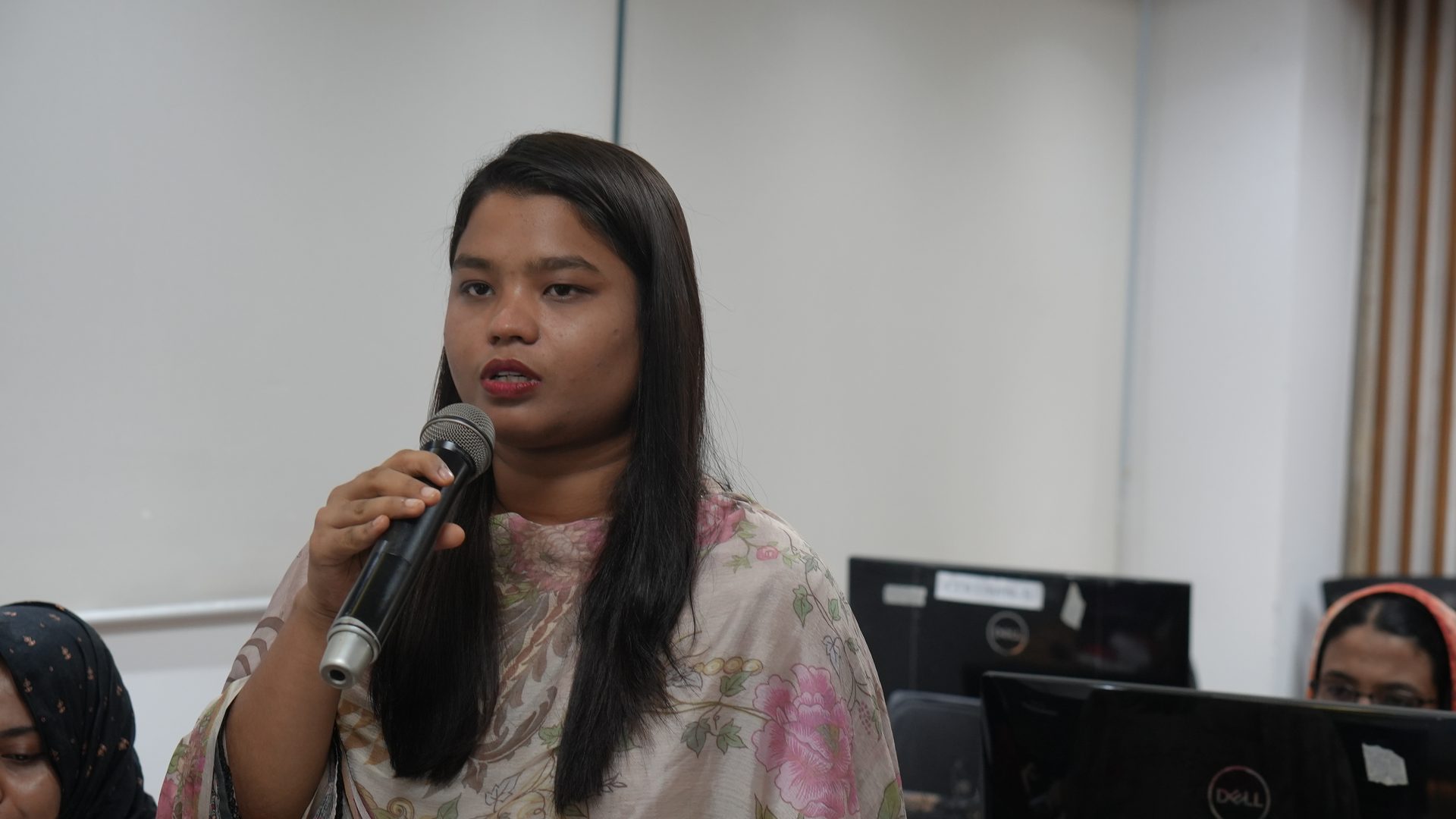
Feedback was taken from the floor before the course closed — on pacing, on the depth of the procurement and e-GP material, and on how directly the sessions mapped onto the schemes participants are currently running in their own circles and sub-divisions.
Who Was in the Room — an Engineer-Heavy Cohort
Where Package 22's first batch leaned toward the research officers who appraise project documents, this one leaned toward the people who supervise the work. Ten of the twenty-five are serving engineers — one Executive Engineer, six Sub-Divisional Engineers and three Assistant Engineers, spanning civil, mechanical and electrical disciplines. They came from the Workshop Division and Dhaka Mechanical Circle at Tejgaon, Design Circle-3, the Office of the Chief Engineer (Planning), and WD sub-divisions in Gaibandha, Chandpur, Jashore and the Meghna-Dhonagoda command area.
Sitting with them were five finance, accounts and audit officers — from the Directorate of Audit, the Green Road Regional Accounting Centre and the CSAWM Project itself — plus four deputy chiefs and deputy chief extension officers, two assistant chiefs in sociology and soil, and officers from research, extension and Training & HRD. Twenty-one distinct directorates and offices, reaching from headquarters out to Thakurgaon, Natore, Gaibandha, Chandpur, Jashore and Munshiganj.
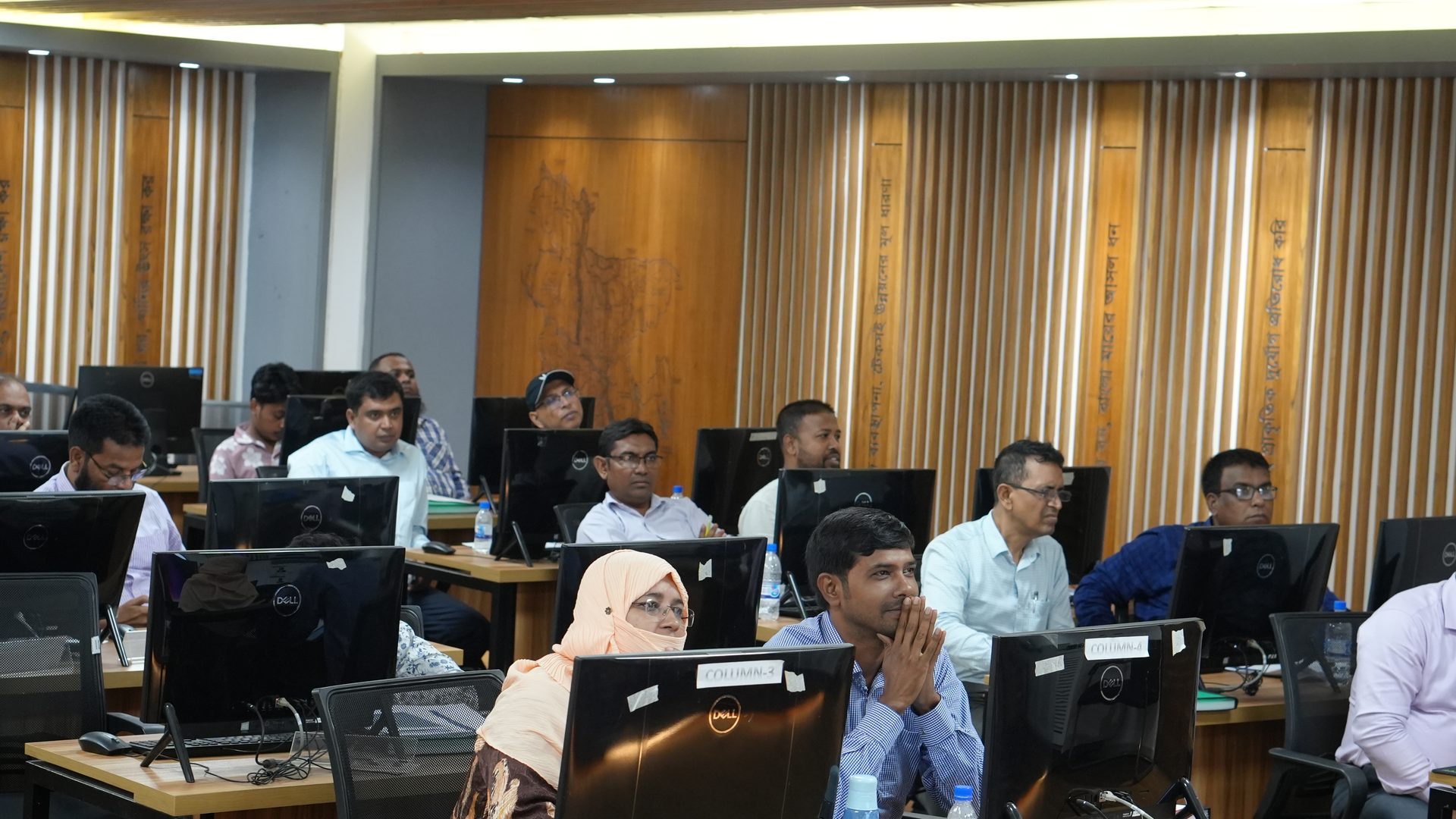
That composition is the module's own logic made physical: the engineer who writes the bill of quantities, the officer who certifies the payment and the auditor who later questions it, worked through cost variance and e-GP bid evaluation in the same room.
Full Participant Roster
Executive Engineer (Civil)
Directorate of Planning-1, BWDB, DhakaDeputy Chief (Soil)
Directorate of Planning-2, BWDB, DhakaDeputy Chief Extension Officer
Office of the DCEO, BWDB, ThakurgaonDeputy Chief Extension Officer
Office of the Chief Water Management, BWDB, DhakaDeputy Director (FA&A)
CSAWM (BWDB Part) Project, BWDB, DhakaDeputy Chief (EF&A)
Office of the Addl. Chief Engineer, ICZ & CCM, BWDB, DhakaSub-Divisional Engineer (Mechanical)
Workshop Division, BWDB, Tejgaon, DhakaSub-Divisional Engineer (Mechanical)
Design Circle-3, BWDB, DhakaSub-Divisional Engineer (Civil)
Office of the Chief Engineer, Planning, BWDB, DhakaSub-Divisional Engineer (Civil)
Gaibandha WD Sub-Division-1, BWDB, GaibandhaSub-Divisional Engineer (Civil)
Meghna-Dhonagoda WD Sub-Division, BWDB, ChandpurSub-Divisional Engineer (Civil)
Keshabpur WD Sub-Division, BWDB, JashoreAssistant Engineer (Civil)
Chandpur WD Circle, BWDB, ChandpurAssistant Engineer (Civil)
BTI, Bhagyakul, MunshiganjAssistant Chief (Sociology)
Disaster Risk Management Enhancement Project, BWDB, DhakaAssistant Director (FA&A)
CSAWM (BWDB Part) Project, BWDB, DhakaAssistant Engineer (Mechanical/Electrical)
Dhaka Mechanical Circle, BWDB, Tejgaon, DhakaAssistant Chief (Soil)
Office of the Chief Engineer, Planning, BWDB, DhakaSenior Assistant Director (FA&A)
Directorate of Audit, BWDB, Pani Bhaban, DhakaSenior Assistant Director (FA&A)
Directorate of Audit, BWDB, Pani Bhaban, DhakaSenior Assistant Director (FA&A)
Green Road RAC, BWDB, DhakaAssistant Director (Admin)
Office of the Addl. Chief Engineer (Civil), Training & HRD, BWDB, DhakaAssistant Extension Officer
Office of the AEO, BWDB, NatoreResearch Officer (Agriculture)
Office of the Chief Water Management, BWDB, DhakaResearch Officer (Economics)
Directorate of Programme, BWDB, DhakaClosing Ceremony & Certification
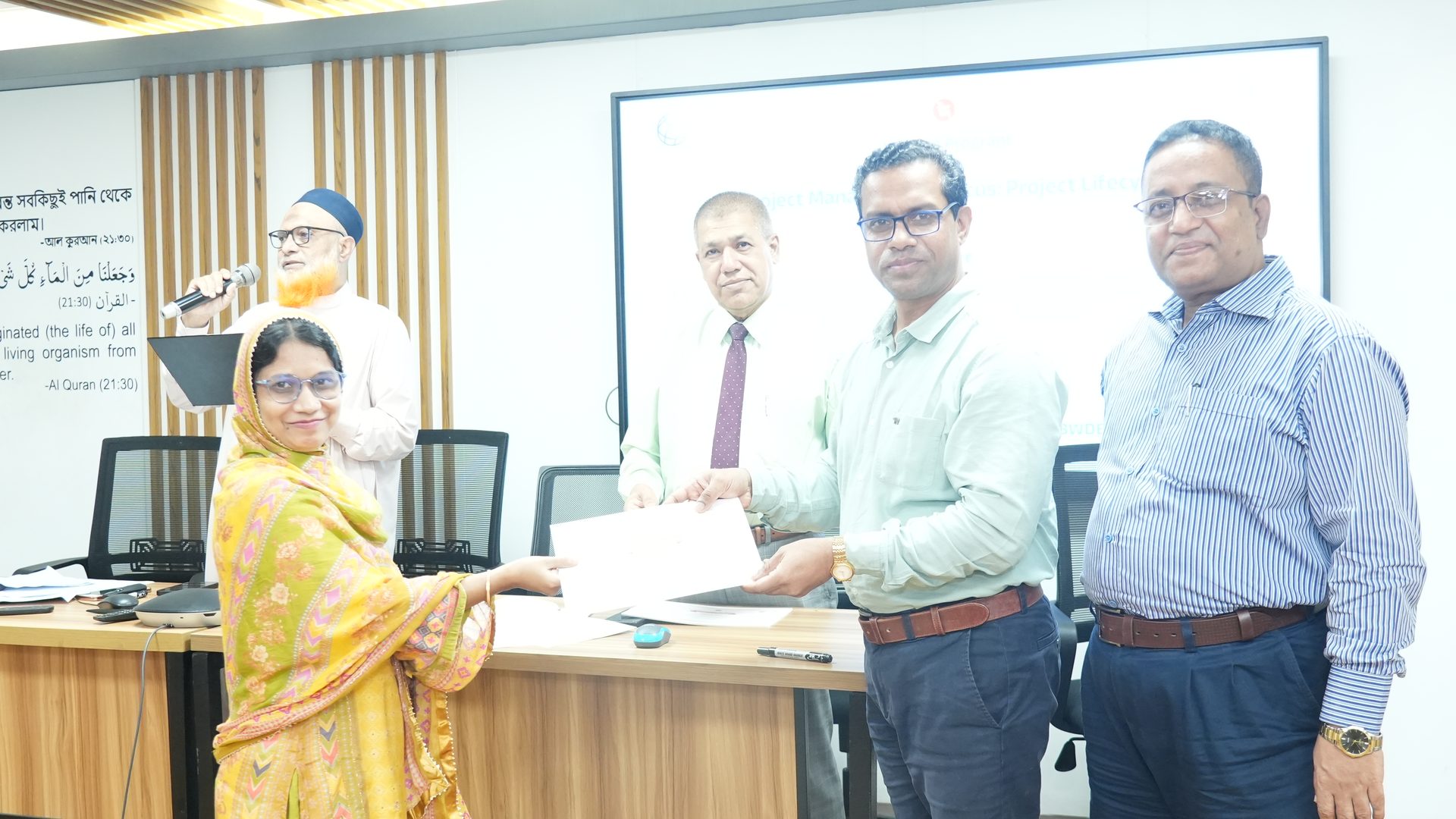
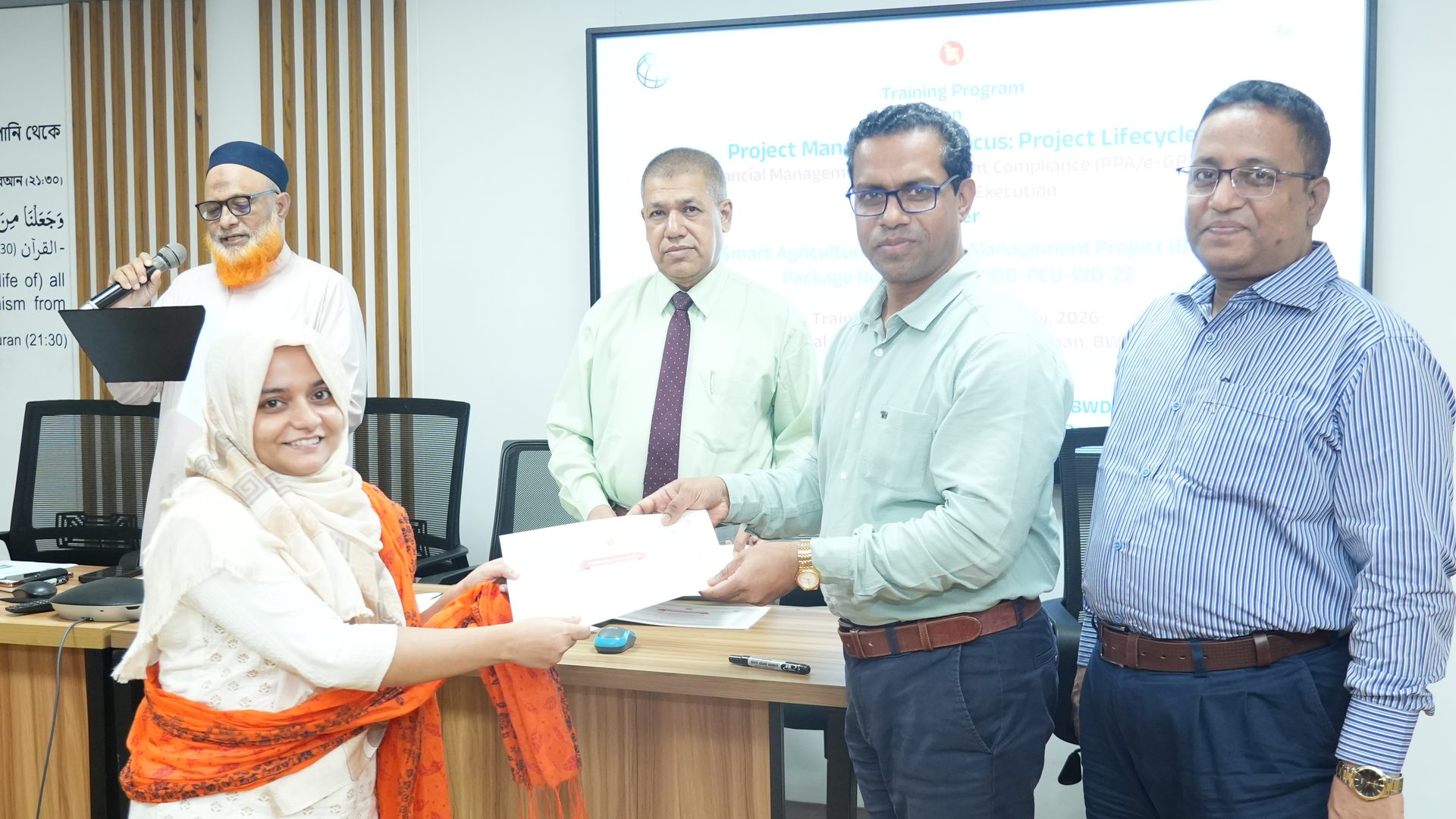
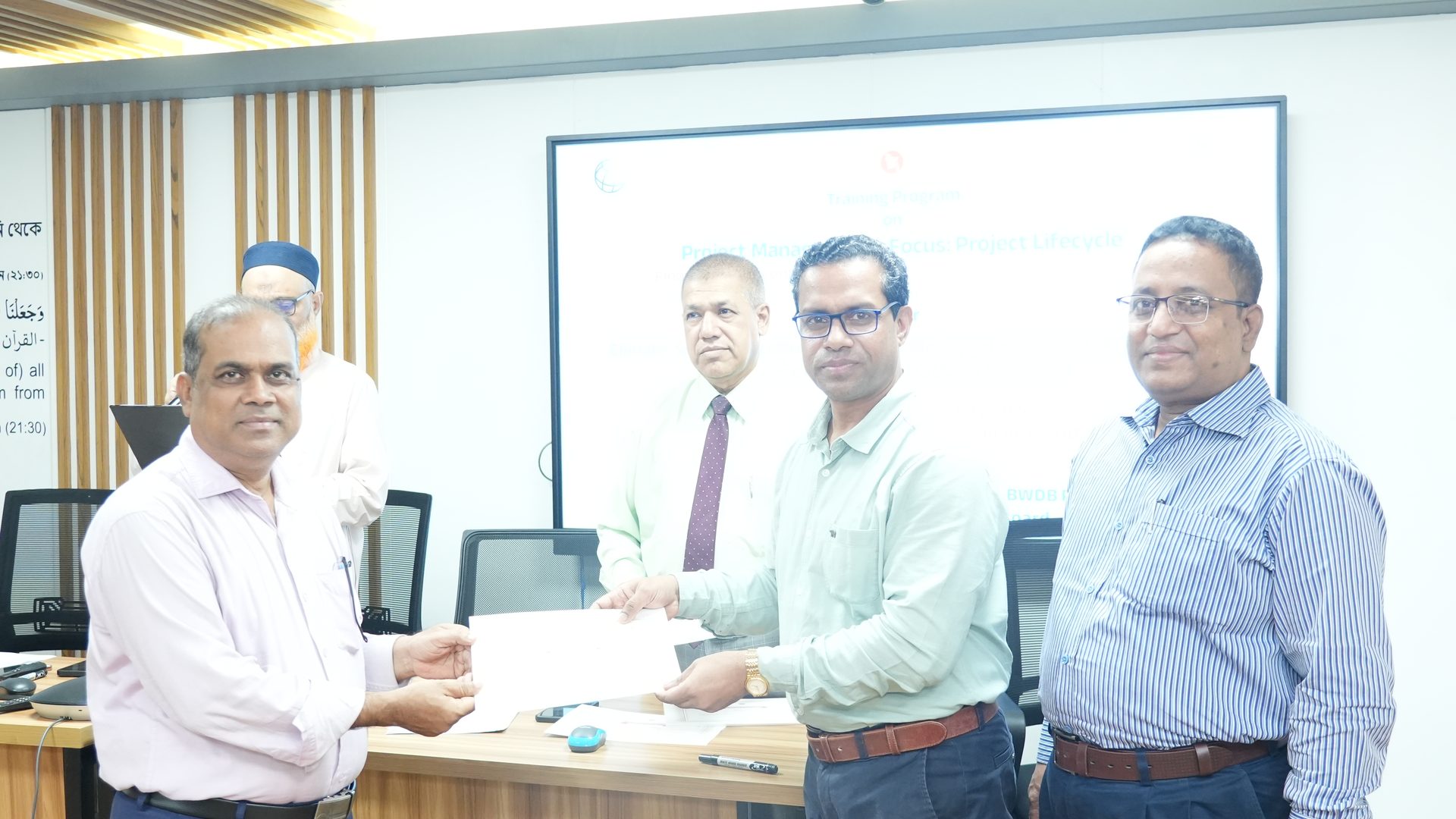
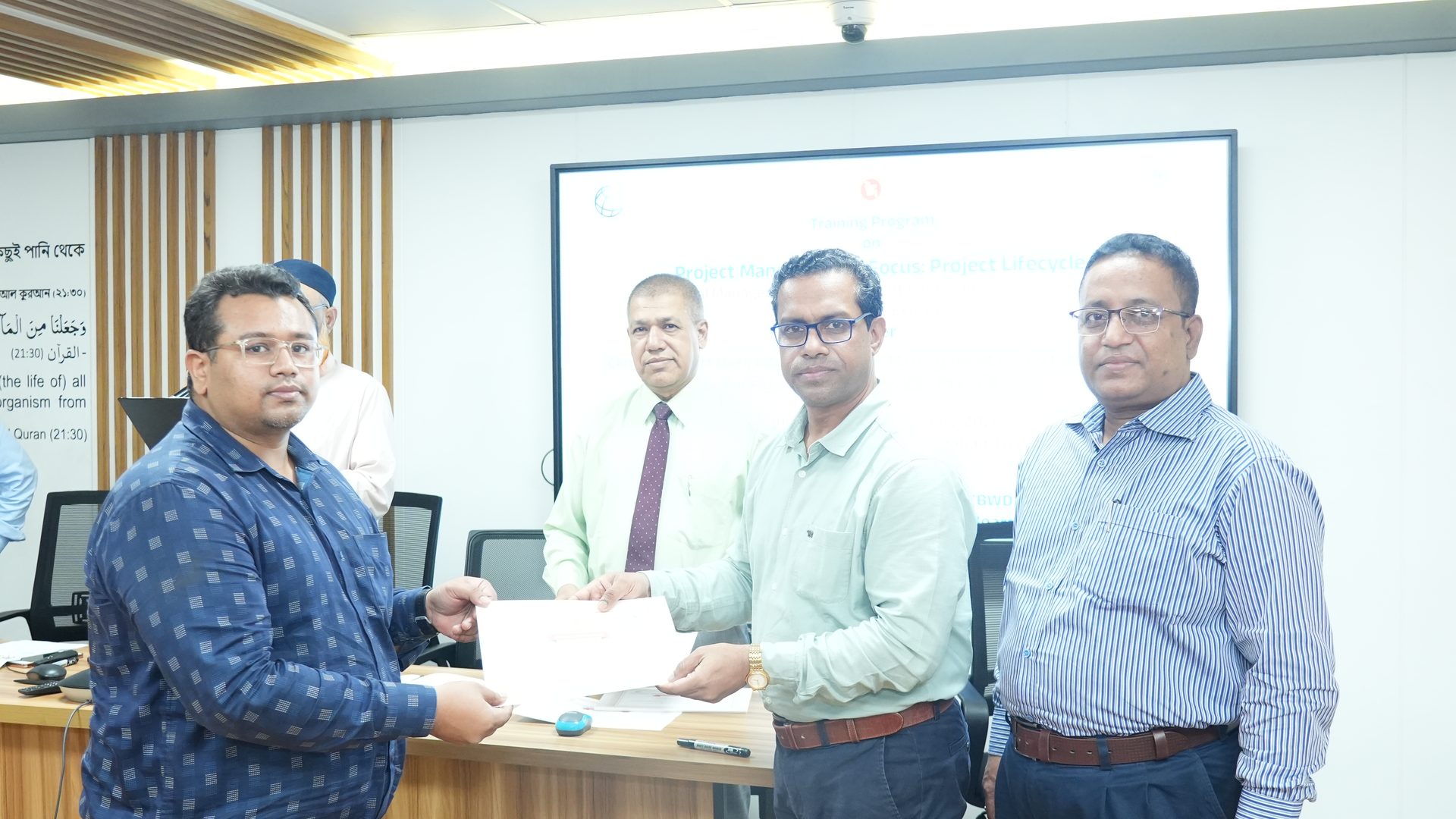
The Project Director closed the course on the afternoon of 13 July 2026, immediately after the post-evaluation, and certificates were distributed to all twenty-five participants.
The Course in Pictures
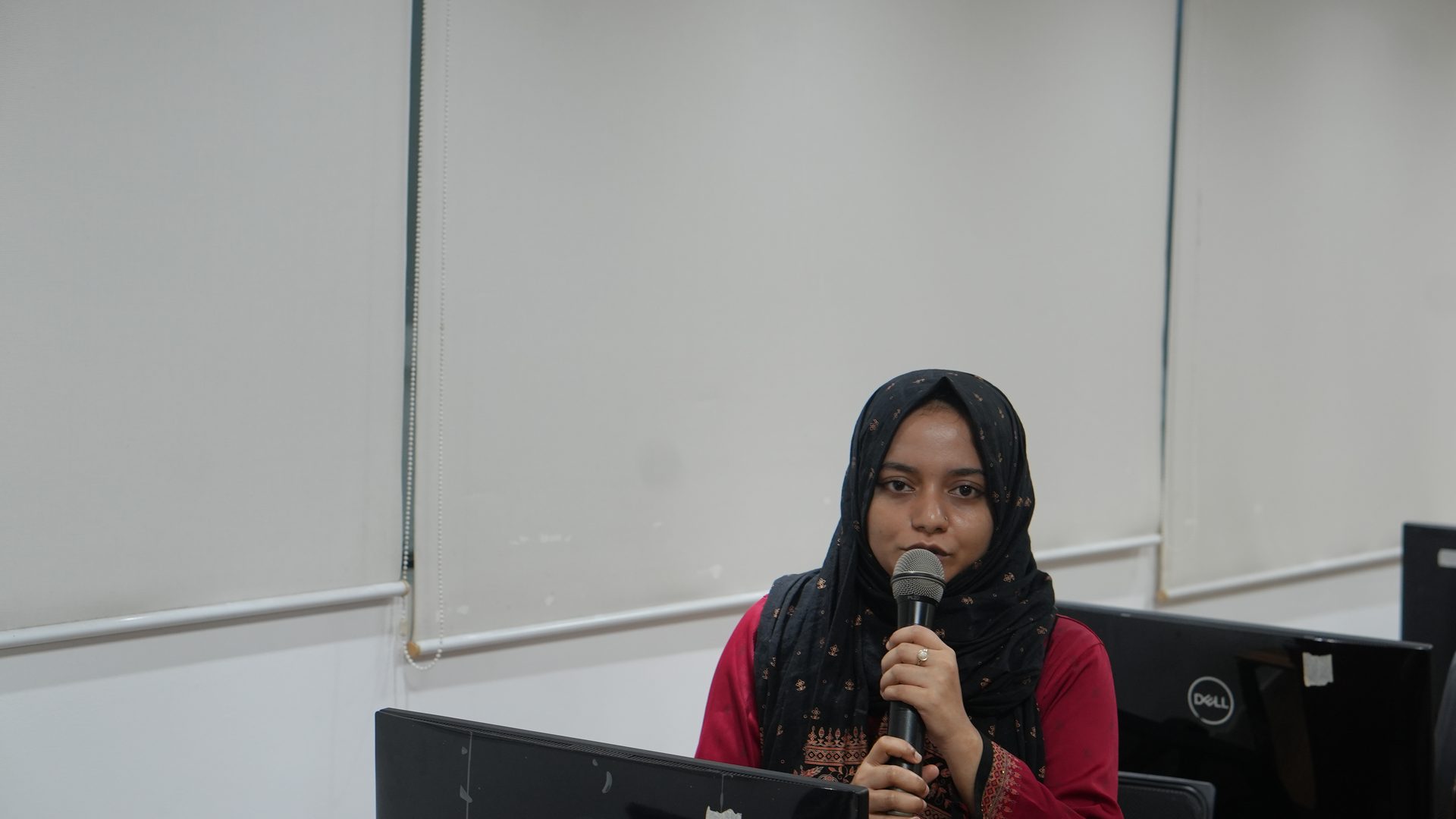
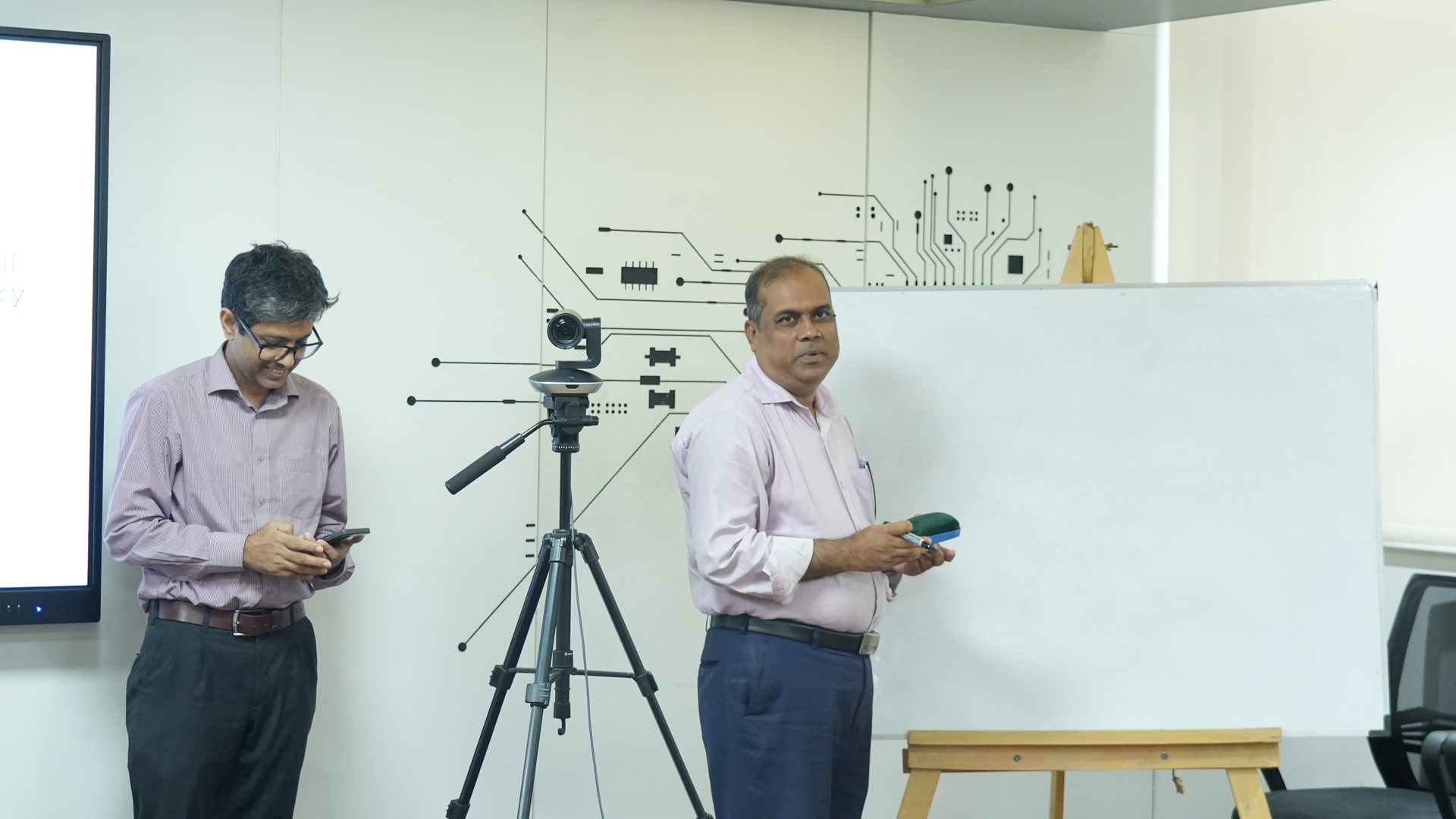
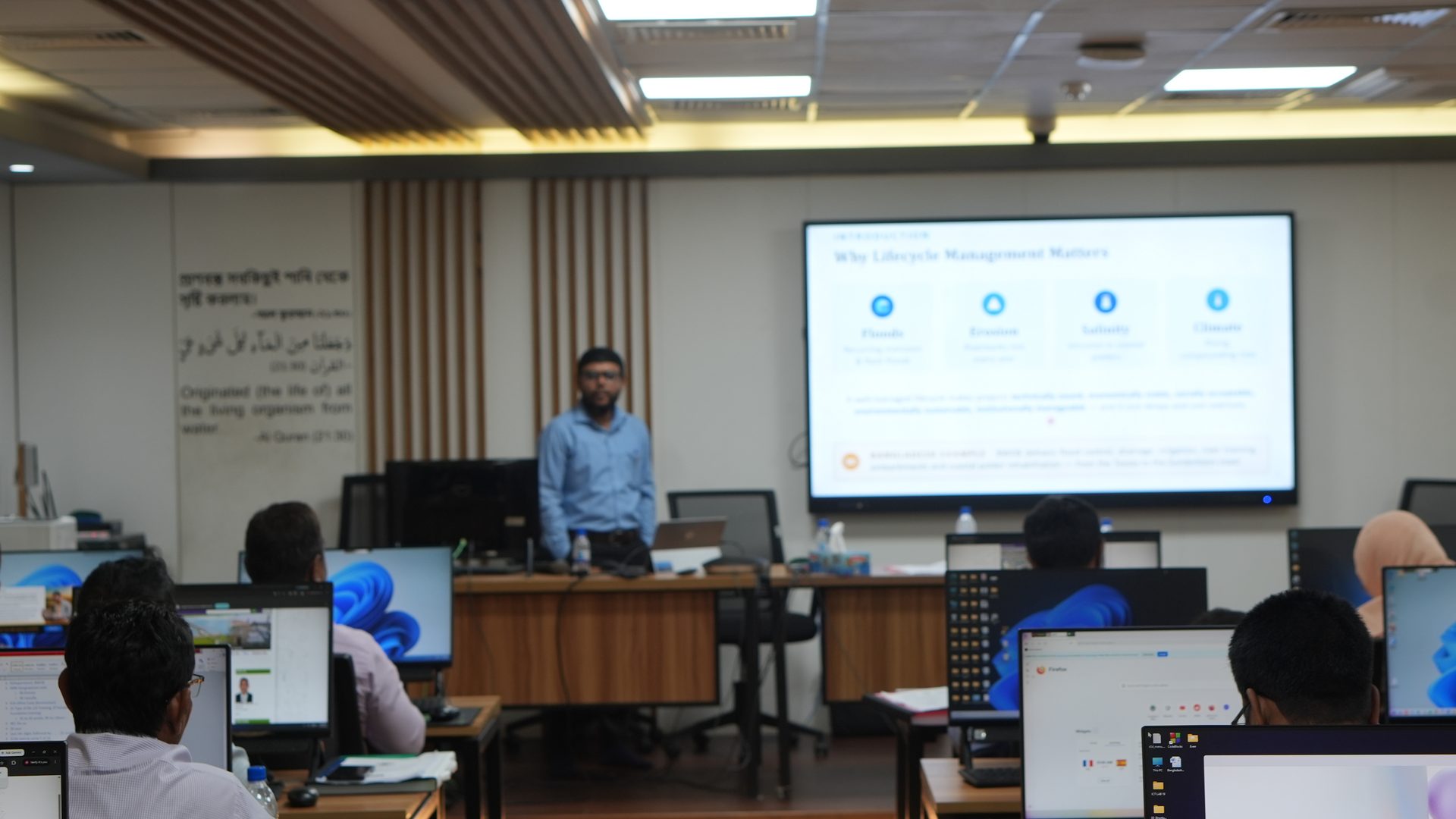
Thirteen further photographs from the two days at the Central ICT Lab, Pani Bhaban — the opening introductions, the eight technical sessions and the certificate ceremony.
Why This Matters
Running the same module twice in eleven days is not repetition for its own sake. Across 75 batches, a curriculum only holds its value if it survives being taught by different people to different rooms — and this second running is where the programme tested that. The content stayed fixed; the venue, the panel and the cohort's professional centre of gravity all changed.
The gain from that swap is specific. When the Contract and Procurement Cell teaches e-GP bid handling, the answer to "what happens if a bidder disputes the evaluation" comes from the office that will actually receive the complaint. When the Additional Chief Engineer for Hydrology teaches hazard identification, flood and erosion risk stop being categories on a slide and become the Board's own datasets. And when the Directorate of Finance teaches fund flow to a room containing three Senior Assistant Directors from Audit and the Regional Accounting Centre, the discussion about delayed releases has both sides of the ledger present.
For BWDB, that is what institutionalising a course looks like: not a training package bought in, but a module the Board's own directorates can each teach their part of — which is the only version that outlasts the project funding it.
More from this Programme
Programme Snapshot
| Field | Detail |
|---|---|
| Course Title | Project Management — Focus: Project Lifecycle, Financial Management, Procurement Compliance (PPA/e-GP) and Climate-Smart Execution |
| Batch Reference | CSAWMP-WDB-PCU-WD-22-2-PPA-eGp-02 — Package 22, Batch 2 |
| Module Course ID | CSAWMP-WDB-PCU-WD-22/PM-02 |
| Duration | 2 days — 12 to 13 July 2026 |
| Venue | Central ICT Lab (Level-11), Pani Bhaban, BWDB, 72 Green Road, Dhaka-1205 |
| Participants | 25 officials of the Bangladesh Water Development Board |
| Ministry | Ministry of Water Resources, Government of the People's Republic of Bangladesh |
| Implementing Agency | Bangladesh Water Development Board (BWDB) |
| Project | Climate-Smart Agriculture and Water Management Project (CSAWM Project), BWDB Part |
| Source of Fund | CSAWM Project (BWDB Part) |
| Project Director | Pijush Krishna Kundu, Additional Chief Engineer (Civil) |
| Course Coordinator | Md. Hafizur Rahman, Deputy Chief Extension Officer, CSAWM (BWDB Part) Project |
| Sessions | 8 technical sessions across 2 days, four sessions per day |
| Resource Persons | 5 senior BWDB officials, one per subject block |
| Training Service Provider | Management and Training International Ltd. (MTI Ltd.) |
| Country | Bangladesh |
Frequently Asked Questions
What was the Package 22 Batch 2 Project Management training about?
It was a two-day course covering four linked areas: the full project lifecycle from needs assessment to post-project evaluation; financial management including cost estimation, fund flow, audit compliance and cost-overrun mitigation; procurement compliance under the Public Procurement Act, PPR-2025 and the e-GP system; and climate-smart execution covering climate risk assessment, resilient design, sustainable construction and adaptation monitoring.
How did Batch 2 differ from Batch 1 of the same course?
The module was identical, but the venue and the entire resource-person panel changed. Batch 1 ran at the BWDB Training Institute, Bhagyakul, taught largely by the Institute's own faculty. Batch 2 ran at the Central ICT Lab in Pani Bhaban, with each block delivered by the office that owns it — the Directorate of Planning-1 on lifecycle, the Directorate of Finance on financial management, the Contract and Procurement Cell on procurement, and the Additional Chief Engineer (Civil), Hydrology, on climate-smart execution.
Who attended the training and where was it held?
Twenty-five officials of the Bangladesh Water Development Board — ten engineers, five finance, accounts and audit officers, four deputy chiefs and deputy chief extension officers, and officers from research, extension and administration across twenty-one directorates and field offices — attended at the Central ICT Lab, Level-11, Pani Bhaban, 72 Green Road, Dhaka, on 12 and 13 July 2026.
What does the e-GP session cover?
The e-GP System Operation session covered tender publication and the online invitation process, e-submission and opening for digital bid handling, followed by contract administration, execution and supervision, and dispute resolution including claims and arbitration handling. It was delivered by an Executive Engineer from BWDB's own Contract and Procurement Cell.
Who funded and organised the course?
The course was funded by the Climate-Smart Agriculture and Water Management Project (CSAWM Project), BWDB Part, under the Bangladesh Water Development Board, Ministry of Water Resources. Management and Training International Ltd. (MTI Ltd.) served as the training service provider under reference CSAWMP-WDB-PCU-WD-22-2-PPA-eGp-02, module Course ID CSAWMP-WDB-PCU-WD-22/PM-02.
How many batches will be delivered under Package 21 and Package 22?
75 training batches are planned across Package 21 (40 batches) and Package 22 (35 batches) of the CSAWM Project (BWDB Part). This was the second batch of Package 22 and the fourth course in the programme overall.