BWDB Officials Trained on Financial Management, Accounting and Auditing Systems
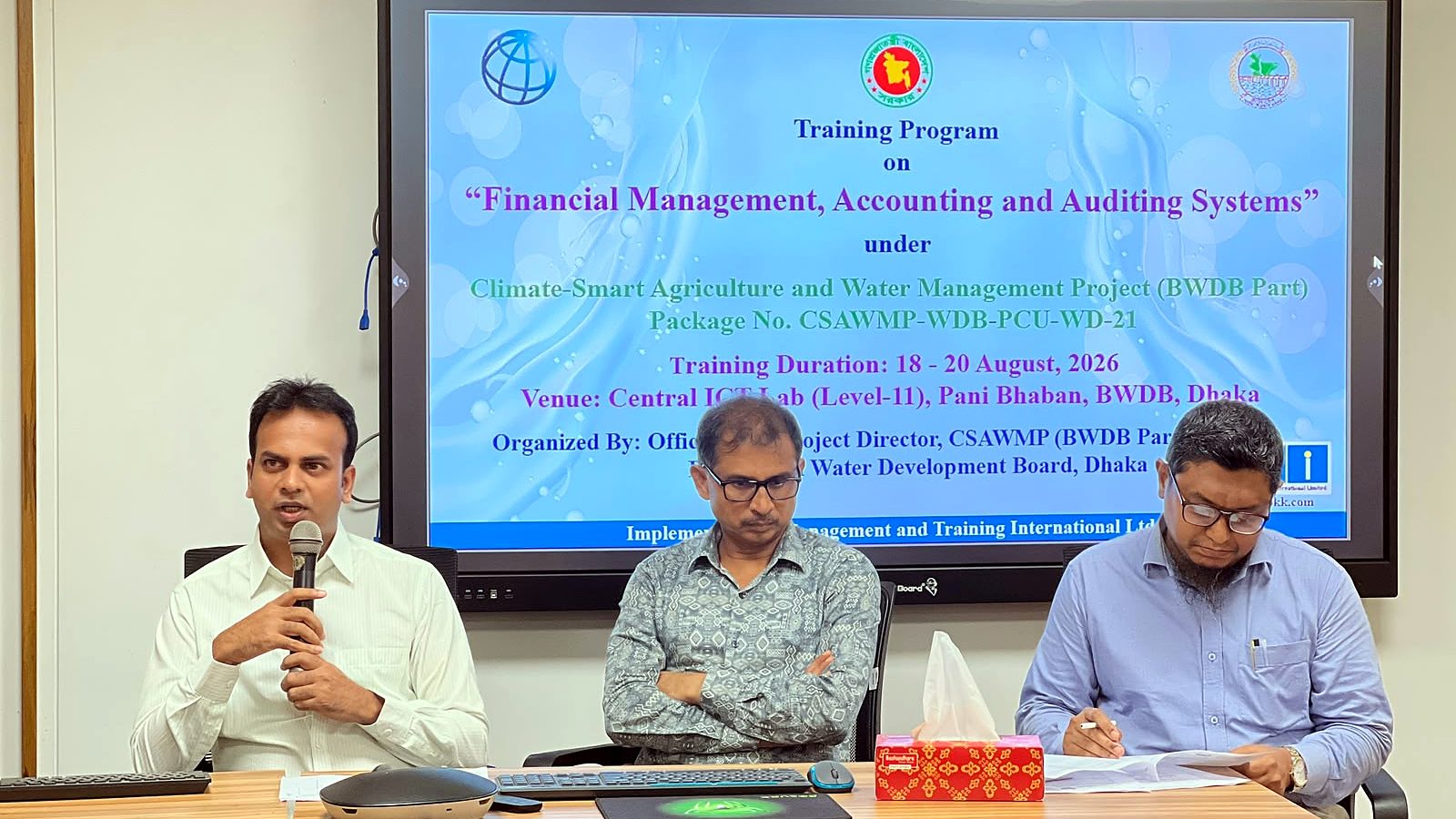
Management and Training International (MTI) Ltd. conducted the three-day training course on Financial Management, Accounting and Auditing Systems from 18 to 20 August 2026 at the Central ICT Lab, Level-11, Pani Bhaban, BWDB, Dhaka. Twenty-five officials of the Bangladesh Water Development Board (BWDB), under the Ministry of Water Resources, took part — the third batch under Package 21 of the Climate-Smart Agriculture and Water Management Project (CSAWM Project), BWDB Part, and the first in the programme on public financial management.
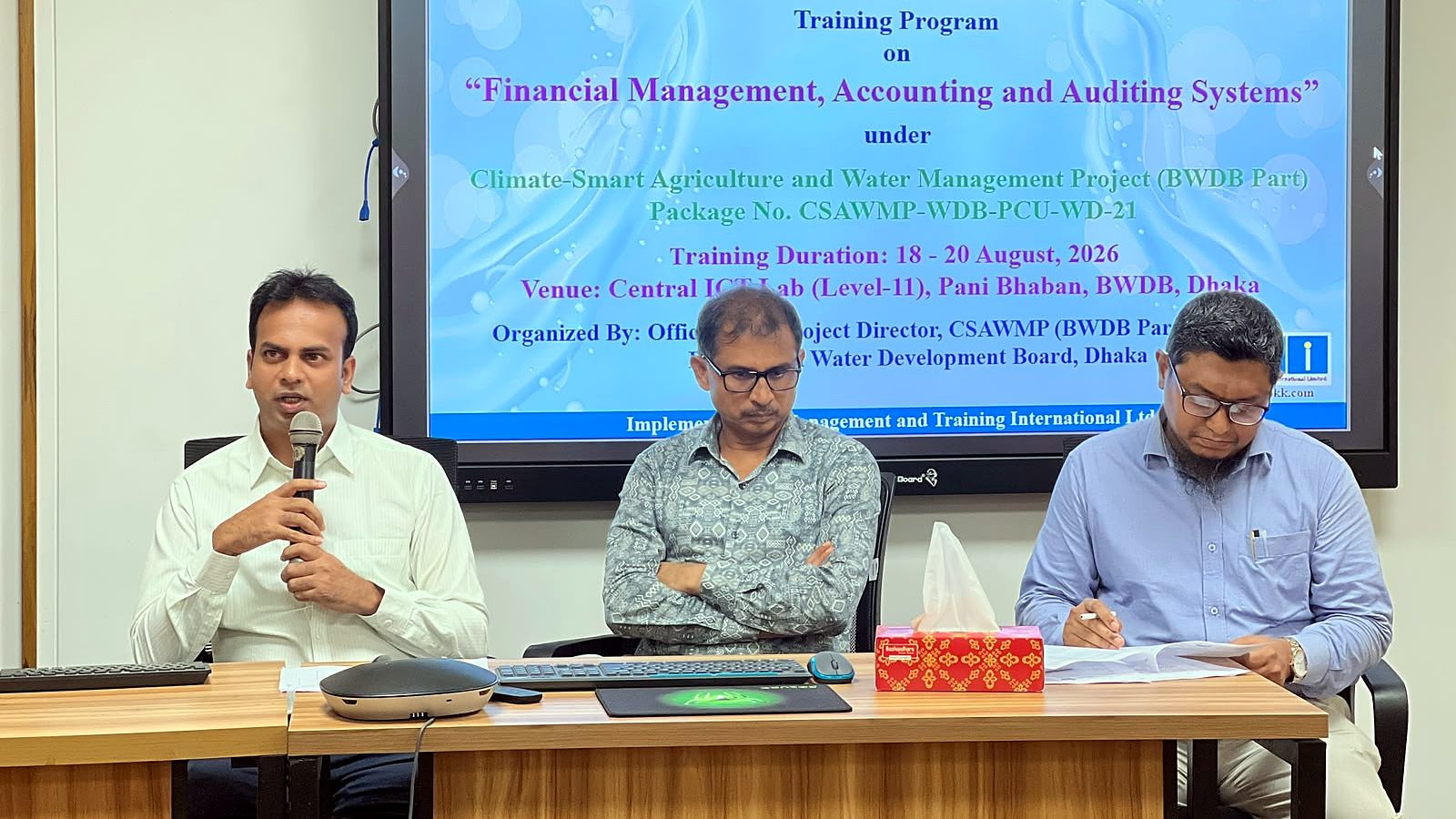
About the engagement: Under reference CSAWMP-WDB-PCU-WD-21-3-FM-01 (Course ID CSAWMP-WDB-PCU-WD-21/FA&A-01 in the course module), MTI Ltd. is delivering the Package 21 training programme for the Climate-Smart Agriculture and Water Management Project (BWDB Part), implemented by the Bangladesh Water Development Board under the Ministry of Water Resources. The course was authorised by Office Order Memo Nos. 42.01.0000.000.647.25.0009.26-191 (course module) and 26-192 (participants), both dated 17 August 2026, issued by the Office of the Project Director, CSAWM Project (BWDB Part), Pani Bhaban, following the Director General’s D-Nothi approval (Para 5.3) of 16 August 2026.
Why a Water Board Trains Its Engineers in Accounts
Most of the public money that passes through the Bangladesh Water Development Board is committed by engineers, not accountants. A Sub-Divisional Engineer certifies a measurement book; an Executive Engineer signs a running bill; a design circle’s estimate becomes the budget line that the Directorate of Finance later has to defend. When the auditors arrive, they are reading decisions that were taken on site and at the drawing board.
That is the logic behind this course, and it shows in who was nominated. Fifteen of the twenty-five participants were serving engineers — three Executive Engineers and twelve Sub-Divisional and Assistant Engineers — sitting alongside five accounts officers, two Deputy Chiefs, a Research Officer and two Senior Assistant Directors from administration. The course treated financial management, accounting and audit as one continuous chain, and put the people who start that chain in the same room as the people who close it.
Three Directors, Three Days
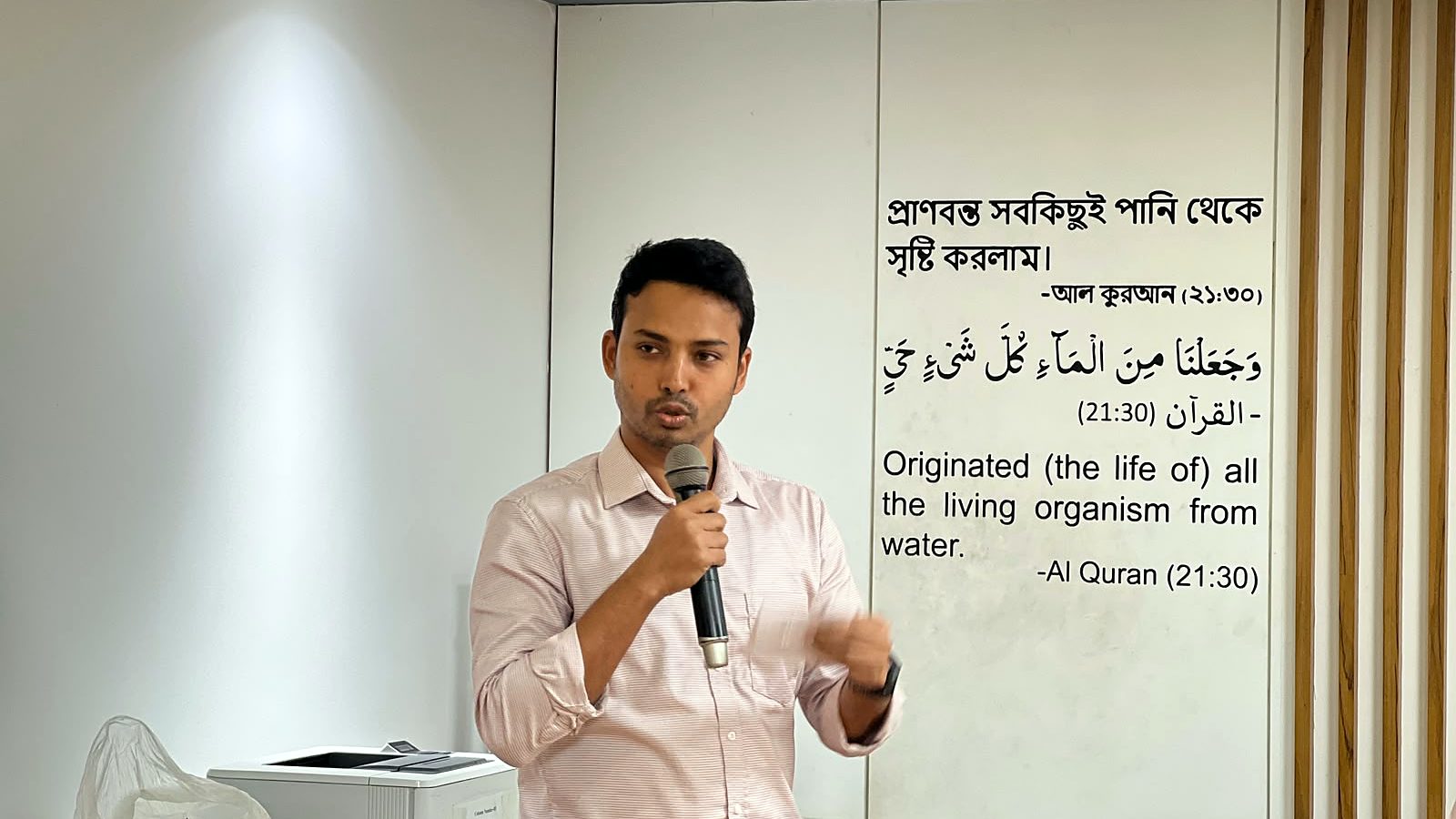
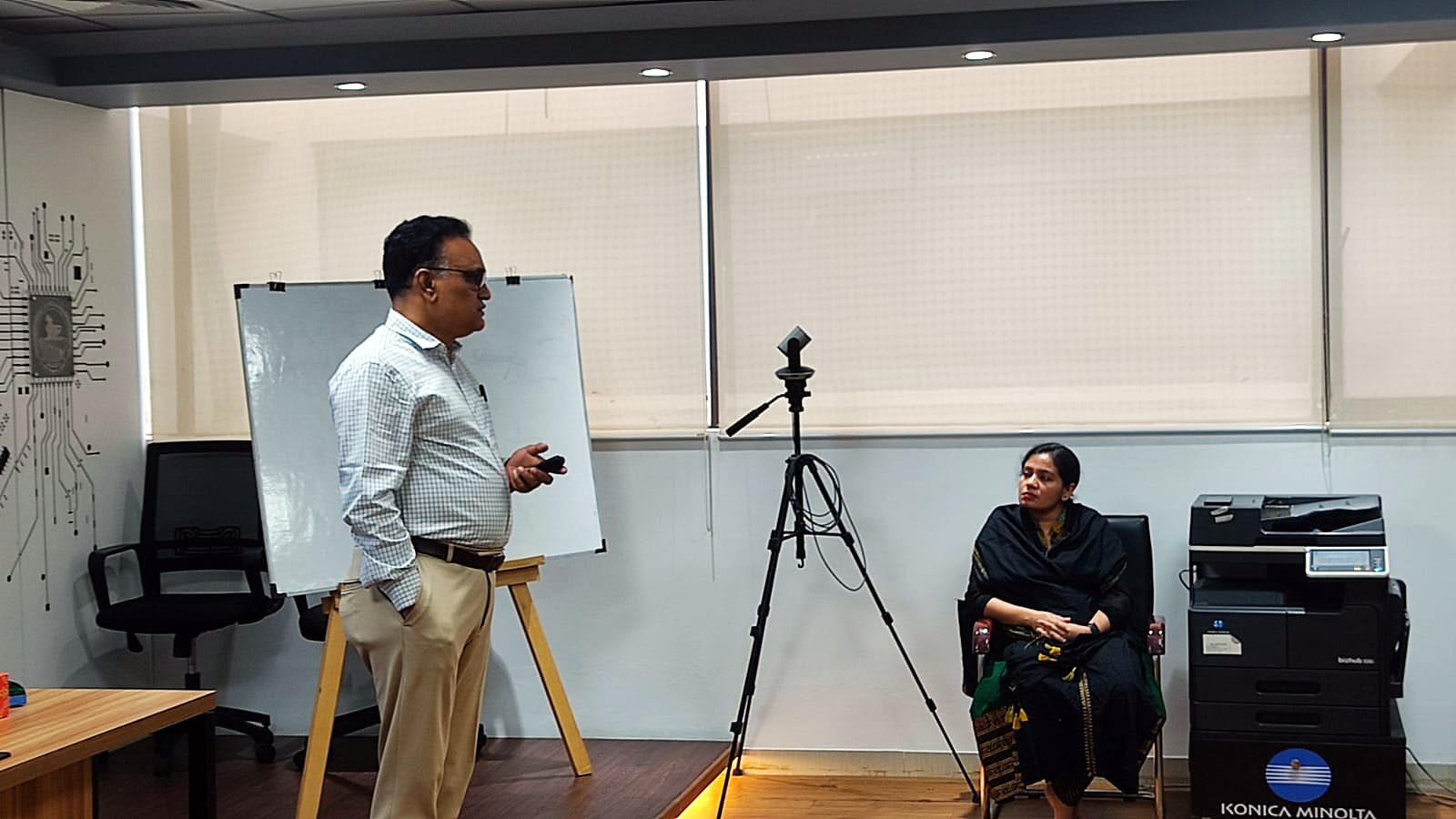
The course design was unusually clean: each day was handed to the BWDB director who owns that subject. The Director of the Directorate of Finance took financial management on Day 1, the Director of the Directorate of Accounts took accounting on Day 2, and the Director of the Directorate of Audit took the auditing system on Day 3. Participants therefore heard each discipline from the office that applies it to the Board’s own books — not from a generic finance trainer.
Additional Chief Engineer (Civil) & Project Director
CSAWM Project (BWDB Part)
Director
Directorate of Finance, BWDB
Director
Directorate of Accounts, BWDB
Director
Directorate of Audit, BWDB
Course Leadership
System Analyst
Directorate of Central ICT
Assistant Engineer
CSAWM Project (BWDB Part)
Executive Engineer
CSAWM Project (BWDB Part)
Managing Director
Management and Training International Ltd.
Twelve Sessions, One Chain of Accountability
Read in order, the twelve sessions follow a taka from the moment it is planned to the moment it is audited.
Financial Management in the Public Sector
The financial management framework, decision-making, organisational objectives and the role of a financial manager in a public body.
Planning & Budgeting
Zero-based and incremental budgeting; preparing, implementing and monitoring a budget; worked case exercises.
Analysis & Control
Reading the balance sheet, income and cash flow statements; ratio analysis; break-even and cost-volume-profit analysis; internal financial control.
Tools & Techniques
Financial modelling and forecasting, sensitivity and scenario planning, time value of money and NPV, cost-benefit decision frameworks.
Accounting Foundations
Principles, GAAP and IFRS frameworks, and the registers and rules behind administrative control and accounting in BWDB.
Financial & Cost Accounting
Valuing and recording assets, liabilities and equity; cost classification, estimation, control and variance analysis.
Systems & Software
How computerised accounting systems are designed and implemented, with QuickBooks and SAP as reference points.
Audit, Control & Reporting
Audit planning and sampling, internal controls and risk, auditing standards and compliance records, audit reports and management letters.
Day-by-Day Course Schedule
Participants reported to the Central ICT Lab at 08:30 on the first morning for registration and the pre-evaluation, and at 09:00 on the following two days. Each day ran four sessions and closed at 16:00.
- 08:30–09:20 Inauguration and Opening of the Training Course Registration and breakfast; introduction of participants; objectives of the course and the detailed agenda; participants’ expectations; pre-evaluation; a brief introduction to the CSAWM Project (BWDB Part). Methods: self-introduction, questionnaire, lecture discussion. Pijush Krishna Kundu Project Director, CSAWM Project (BWDB Part), with the course management team
- 09:20–10:40 Session 1 — Introduction to Financial Management Overview of financial management and its importance; the financial management framework; the financial decision-making process; financial objectives and organisational performance; the role of financial managers in public sector organisations. Methods: interactive discussion, lecture discussion, large group discussion with PPP. Farid Ahmed Khan Director, Directorate of Finance, BWDB
- 10:40–10:50 Refreshment and tea break
- 10:50–12:10 Session 2 — Financial Planning and Budgeting The financial planning process; budgeting techniques and tools such as zero-based and incremental budgeting; budget preparation, implementation and monitoring; case studies and group exercises. Methods: case studies, demonstrations, large group discussion with PPP. Farid Ahmed Khan Director, Directorate of Finance, BWDB
- 12:10–13:30 Session 3 — Financial Analysis and Control Financial statement analysis — balance sheet, income statement and cash flow statement; ratio analysis for liquidity, profitability and efficiency; break-even and cost-volume-profit analysis; financial performance monitoring and internal financial control. Methods: demonstration, small group work, large group discussion. Farid Ahmed Khan Director, Directorate of Finance, BWDB
- 13:30–14:20 Lunch and prayer break
- 14:20–15:40 Session 4 — Financial Management Tools and Techniques Financial modelling and forecasting; sensitivity analysis and scenario planning; time value of money — present value, future value and net present value; cost-benefit analysis and decision-making frameworks. Methods: Q&A, case study, lecture discussion. Farid Ahmed Khan Director, Directorate of Finance, BWDB
- 15:40–16:00 Day review and refreshment
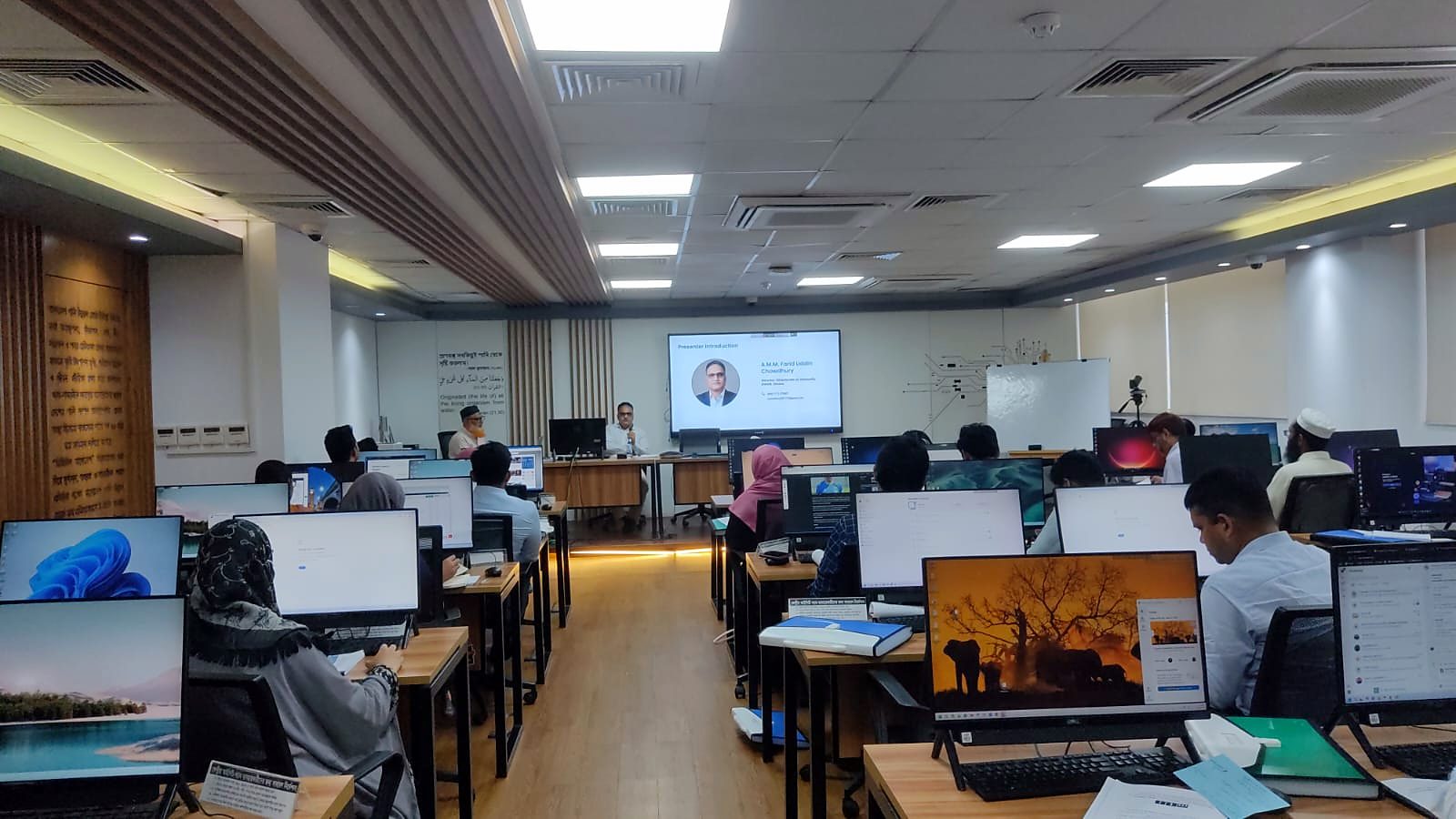
- 09:00–10:20 Session 1 — Introduction to Accounting Accounting principles and concepts; accounting frameworks and standards (GAAP, IFRS); registers, accounting requirements and the rules that govern administrative control and accounting in a public body. Methods: Q&A, interactive discussion with PPP. A.M.M. Farid Uddin Chowdhury Director, Directorate of Accounts, BWDB
- 10:20–10:40 Refreshment and tea break
- 10:40–12:00 Session 2 — Financial Accounting Asset valuation and recording for current and non-current assets; liability recording and valuation; equity accounting and valuation. Methods: demonstrations, large group discussion with PPP. A.M.M. Farid Uddin Chowdhury Director, Directorate of Accounts, BWDB
- 12:00–13:20 Session 3 — Cost Accounting and Management Cost classification and cost behaviour; cost estimation and control; variance analysis and performance evaluation; cost-benefit analysis for decisions; performance measurement; budgeting and financial planning. Methods: Q&A, large group discussion with PPP. A.M.M. Farid Uddin Chowdhury Director, Directorate of Accounts, BWDB
- 13:20–14:20 Lunch and prayer break
- 14:20–15:40 Session 4 — Accounting Systems and Software An introduction to accounting software (for example QuickBooks and SAP); accounting system design and implementation; case studies and group exercises. Methods: Q&A, case study, lecture discussion. A.M.M. Farid Uddin Chowdhury Director, Directorate of Accounts, BWDB
- 15:40–16:00 Day review and refreshment
- 09:00–10:20 Session 1 — Auditing Procedures and Techniques Principles and concepts of auditing; the purpose and nature of an audit; auditing frameworks and standards; audit planning and risk assessment; audit procedures for financial statements such as inventory, accounts payable and accounts receivable; audit sampling. Methods: brainstorming, demonstrations, large group discussion with PPP. Chandan Kumar Das Director, Directorate of Audit, BWDB
- 10:20–10:40 Refreshment and tea break
- 10:40–12:00 Session 2 — Internal Controls and Risk Assessment The internal controls framework; risk assessment and risk-management techniques; case studies and group exercises. Methods: demonstration, small group work, large group discussion, case studies. Chandan Kumar Das Director, Directorate of Audit, BWDB
- 12:00–13:20 Session 3 — Auditing Standards and Regulations Overview of auditing standards and regulations (GAAP, IFRS, SOX); compliance requirements for auditors; the records an office must keep to be audit-compliant. Methods: large group discussion with PPP, interactive discussion. Chandan Kumar Das Director, Directorate of Audit, BWDB
- 13:20–14:20 Lunch and prayer break
- 14:20–15:40 Session 4 — Audit Reporting and Communication Audit reporting frameworks — audit reports and management letters; the process of preparing the balance sheet and the profit & loss statement; communication strategies for auditors. Methods: Q&A, lecture discussion, large group discussion with PPP. Chandan Kumar Das Director, Directorate of Audit, BWDB
- 15:40–16:00 Closing ceremony — post-evaluation, course evaluation and certificate distribution Pijush Krishna Kundu Project Director, CSAWM Project (BWDB Part), with the course management team
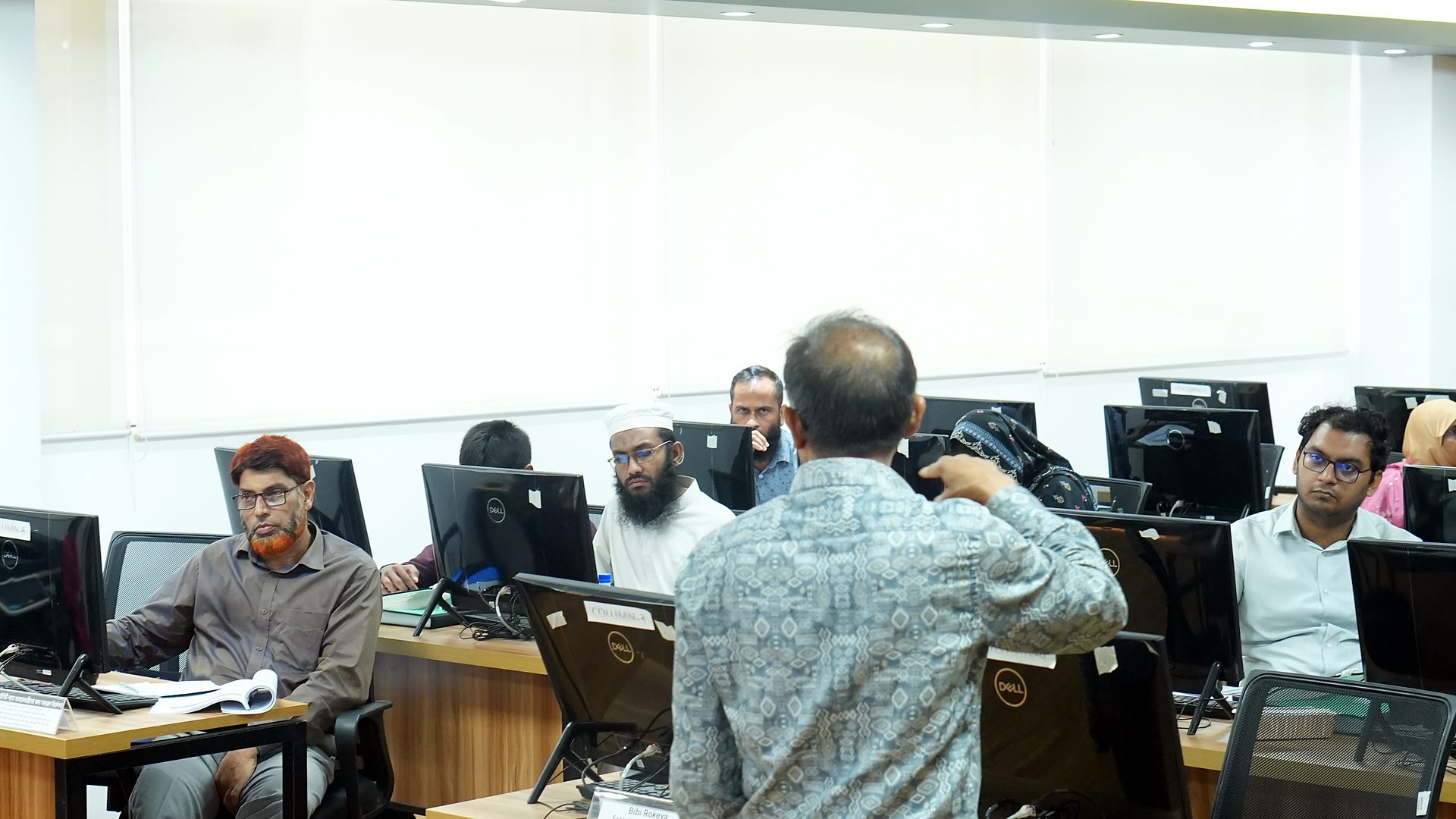
Training Methodology
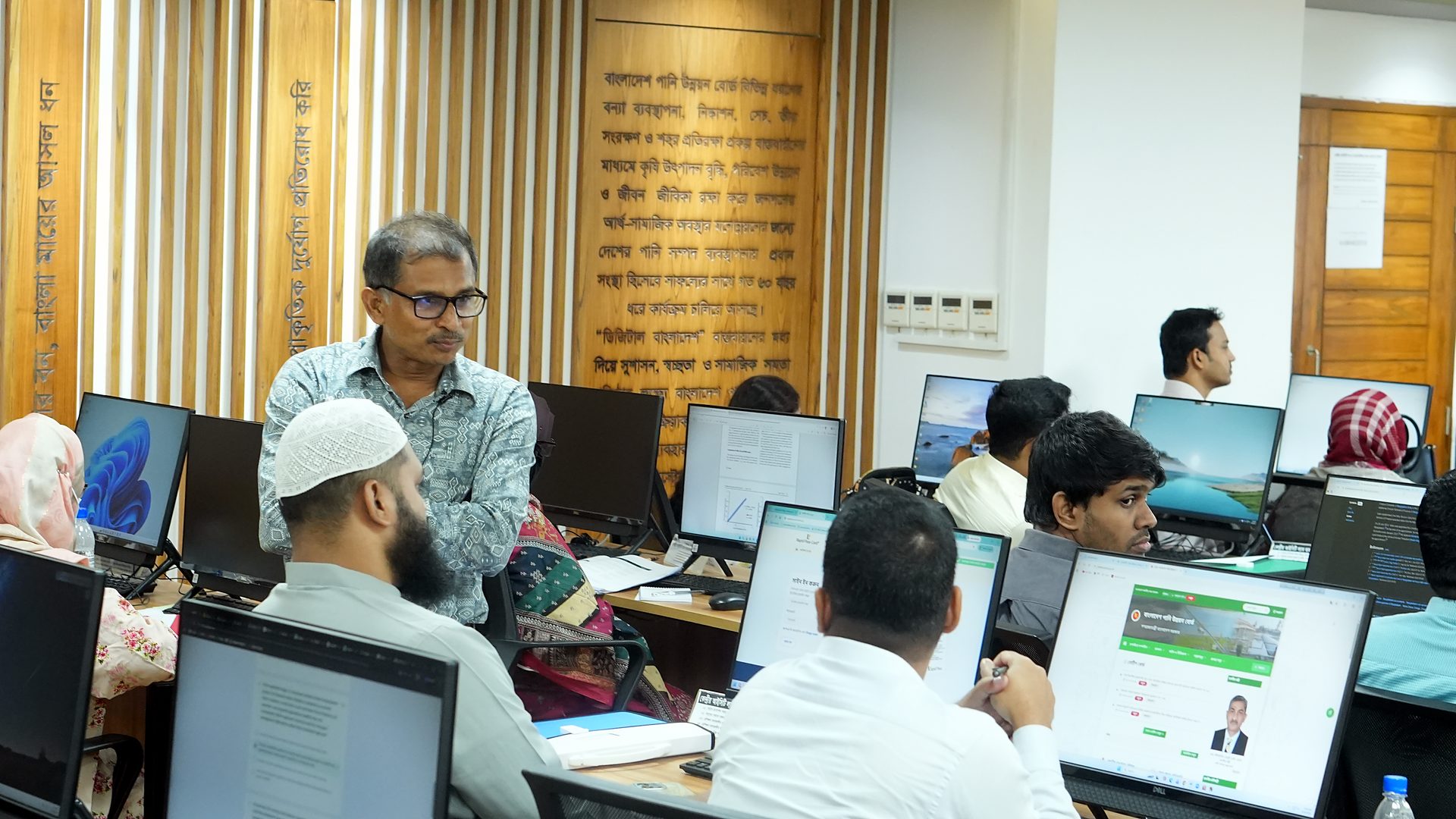
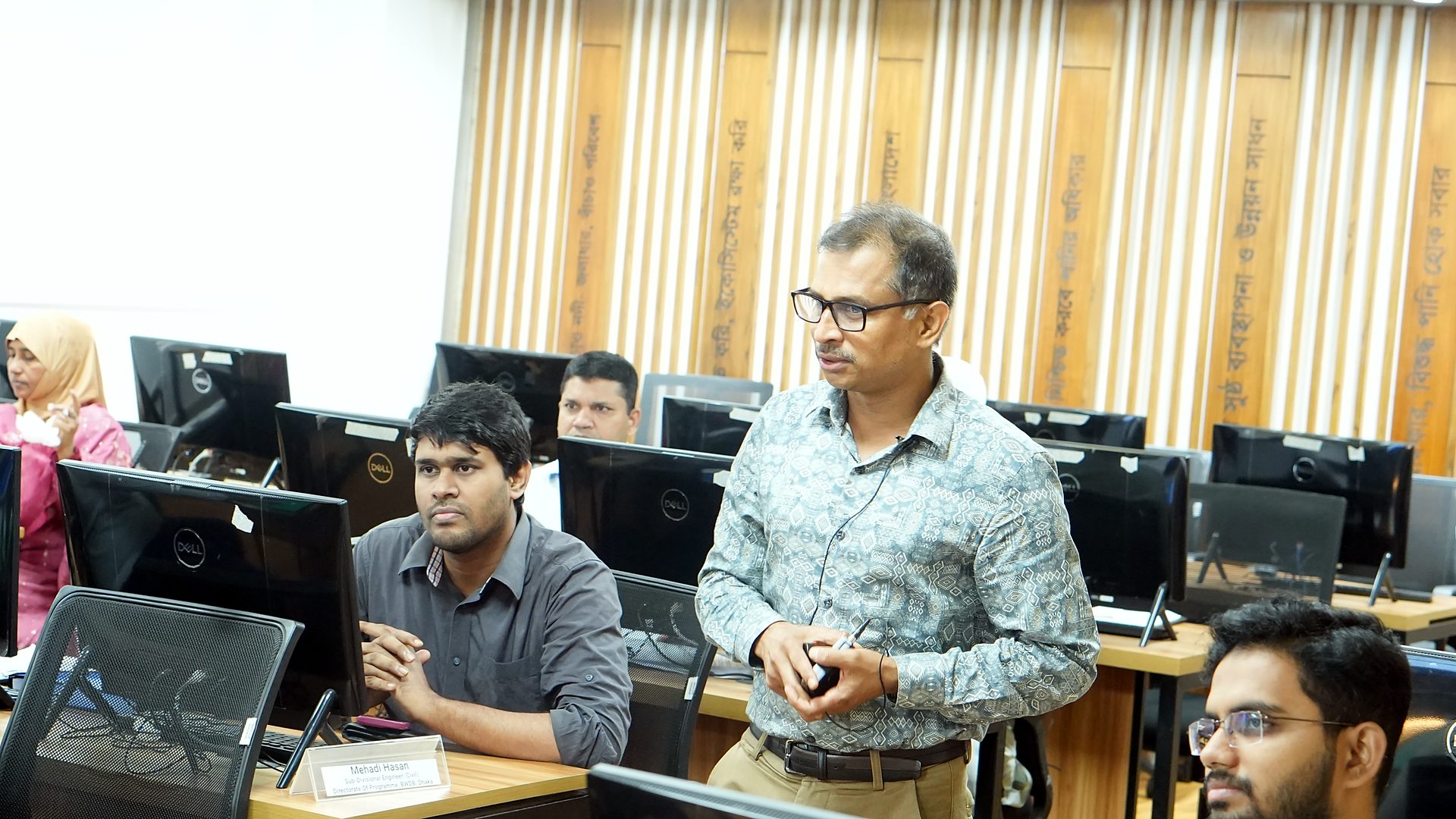
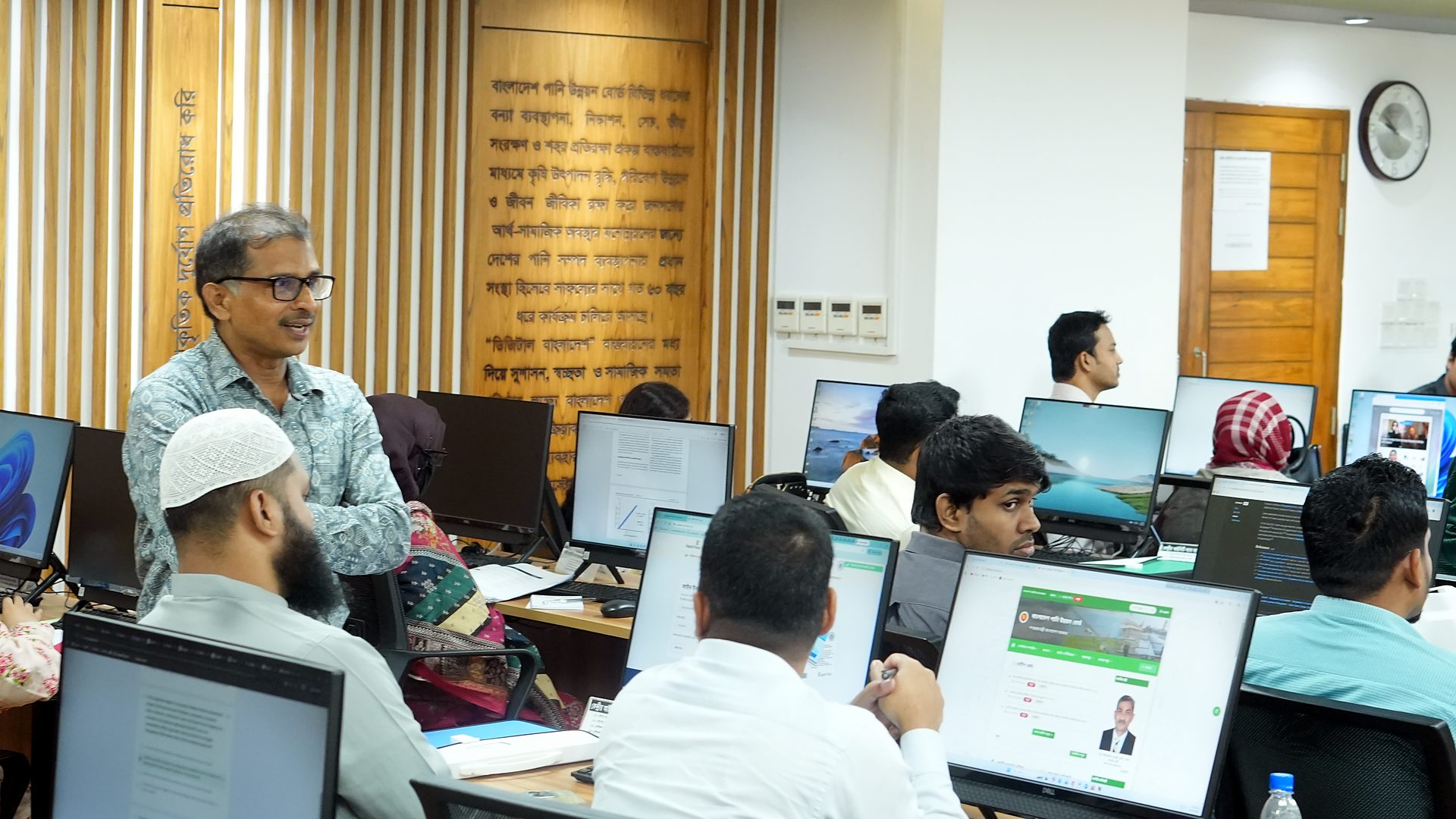
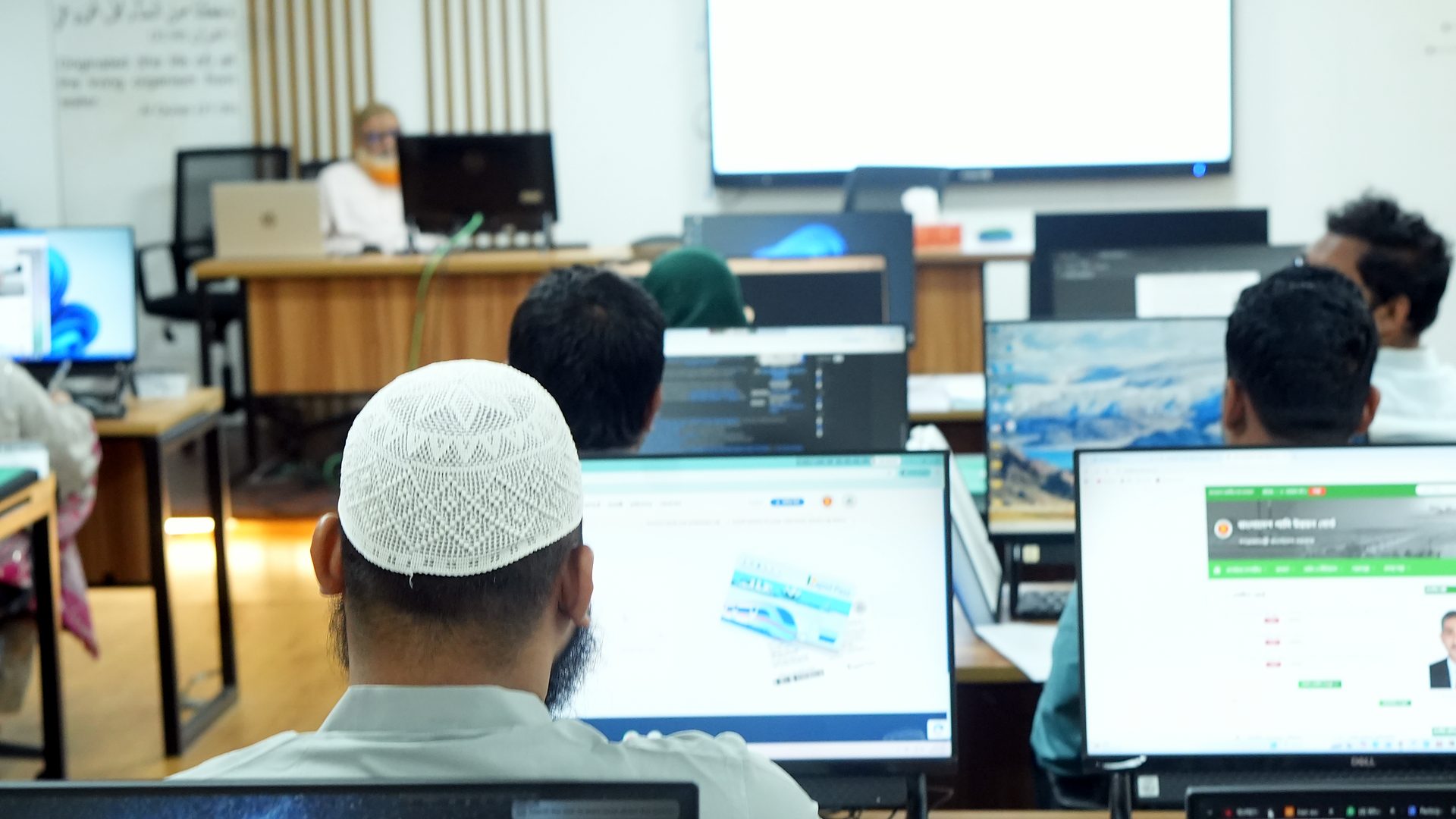
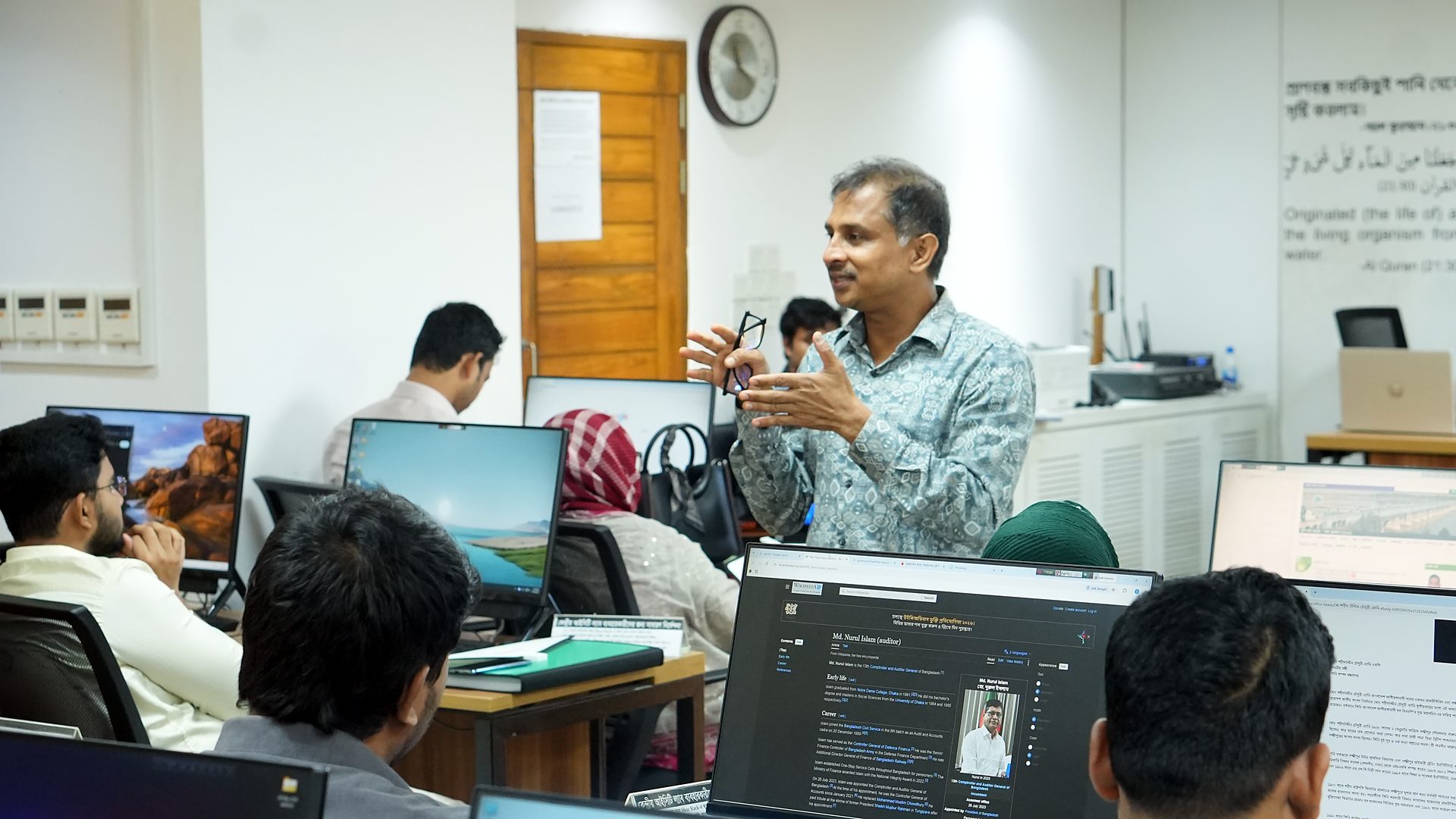
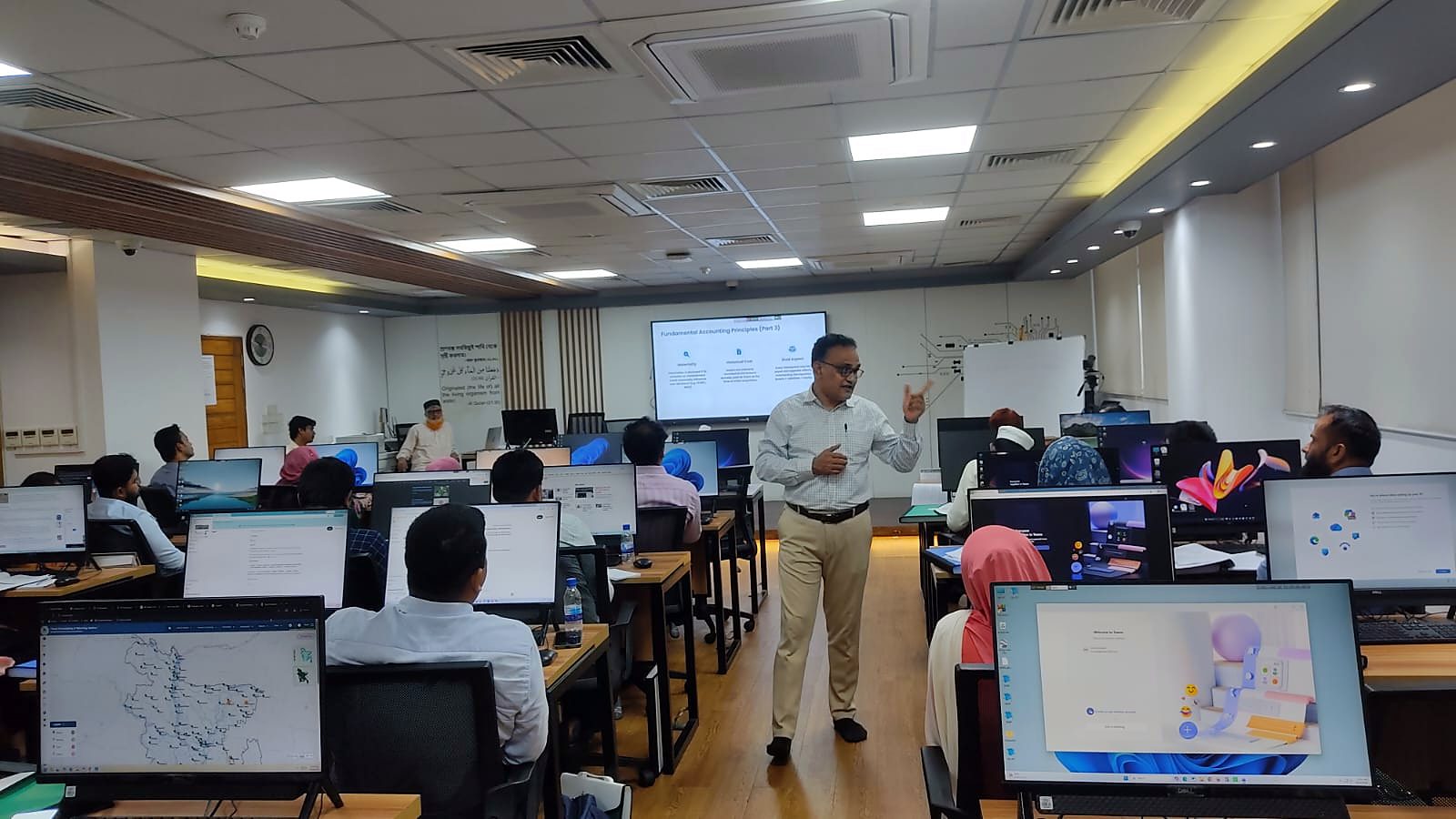
The Central ICT Lab gives every participant a workstation, and the course used it: statement analysis, cost exercises and the accounting-software session were worked on screen rather than described. Each session combined a short presentation with a demonstration, a case or a group exercise, and the closing day’s audit sessions leaned on worked examples from the kind of records BWDB offices actually keep.
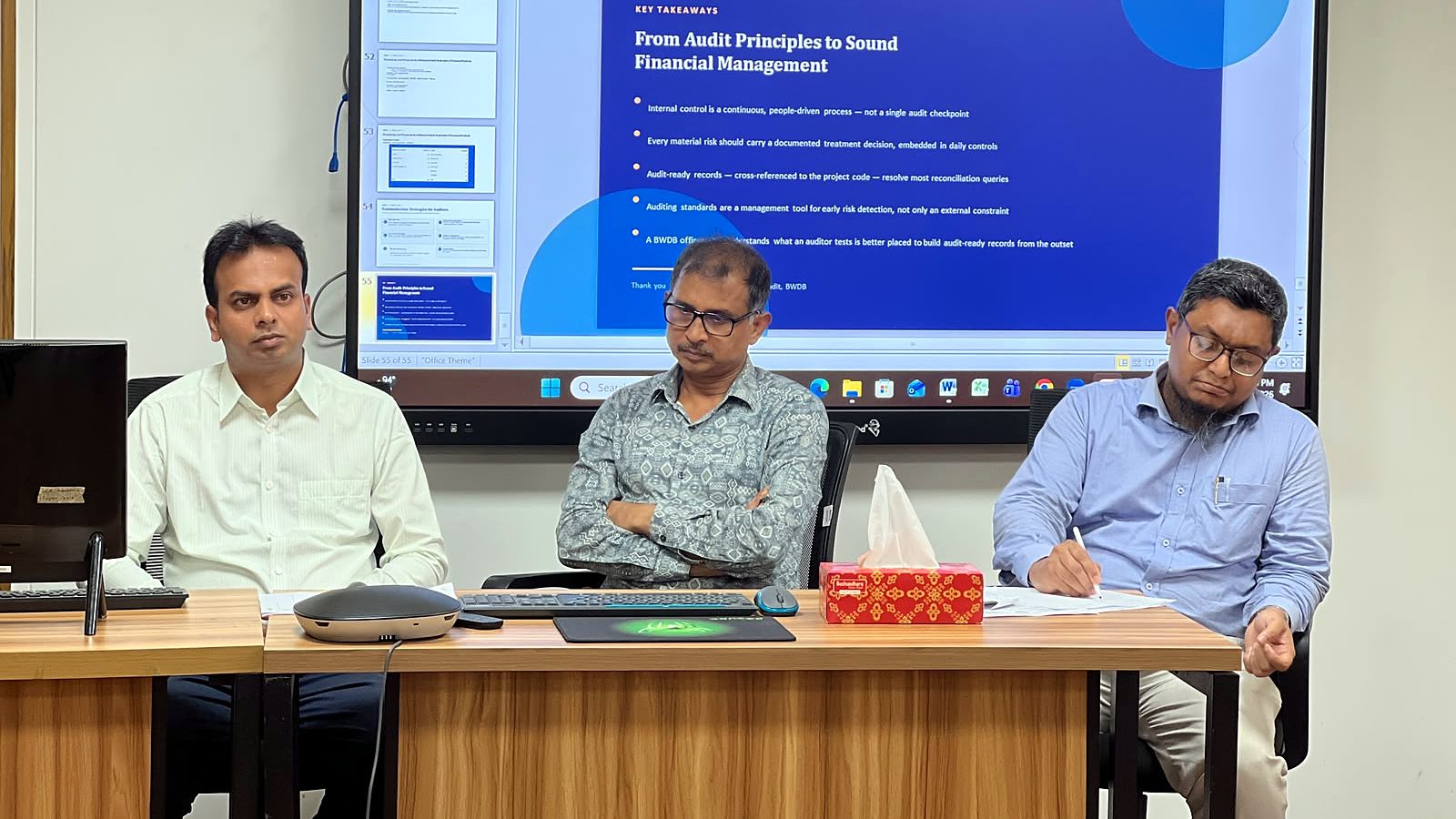
Group Work & Presentations
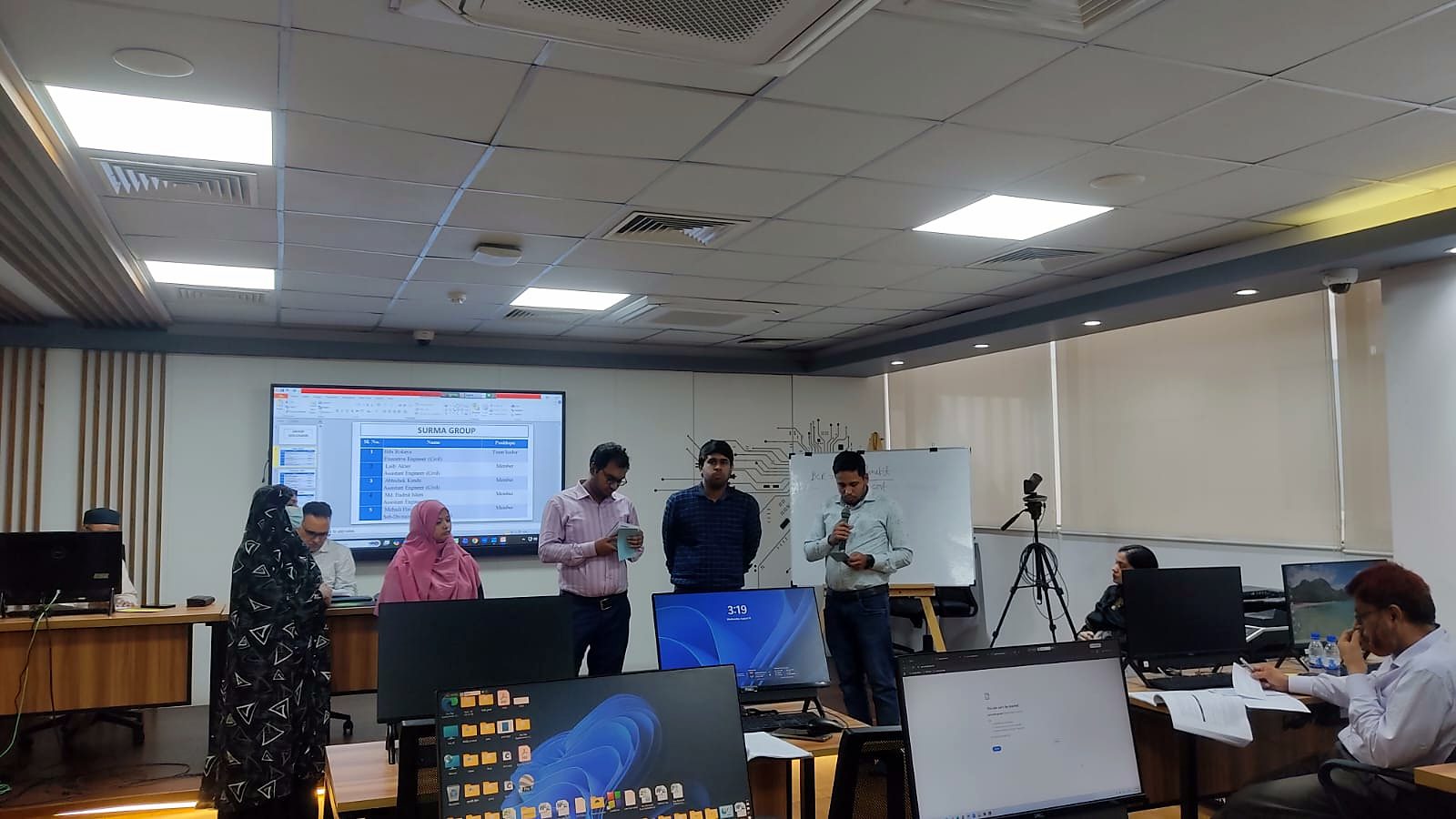
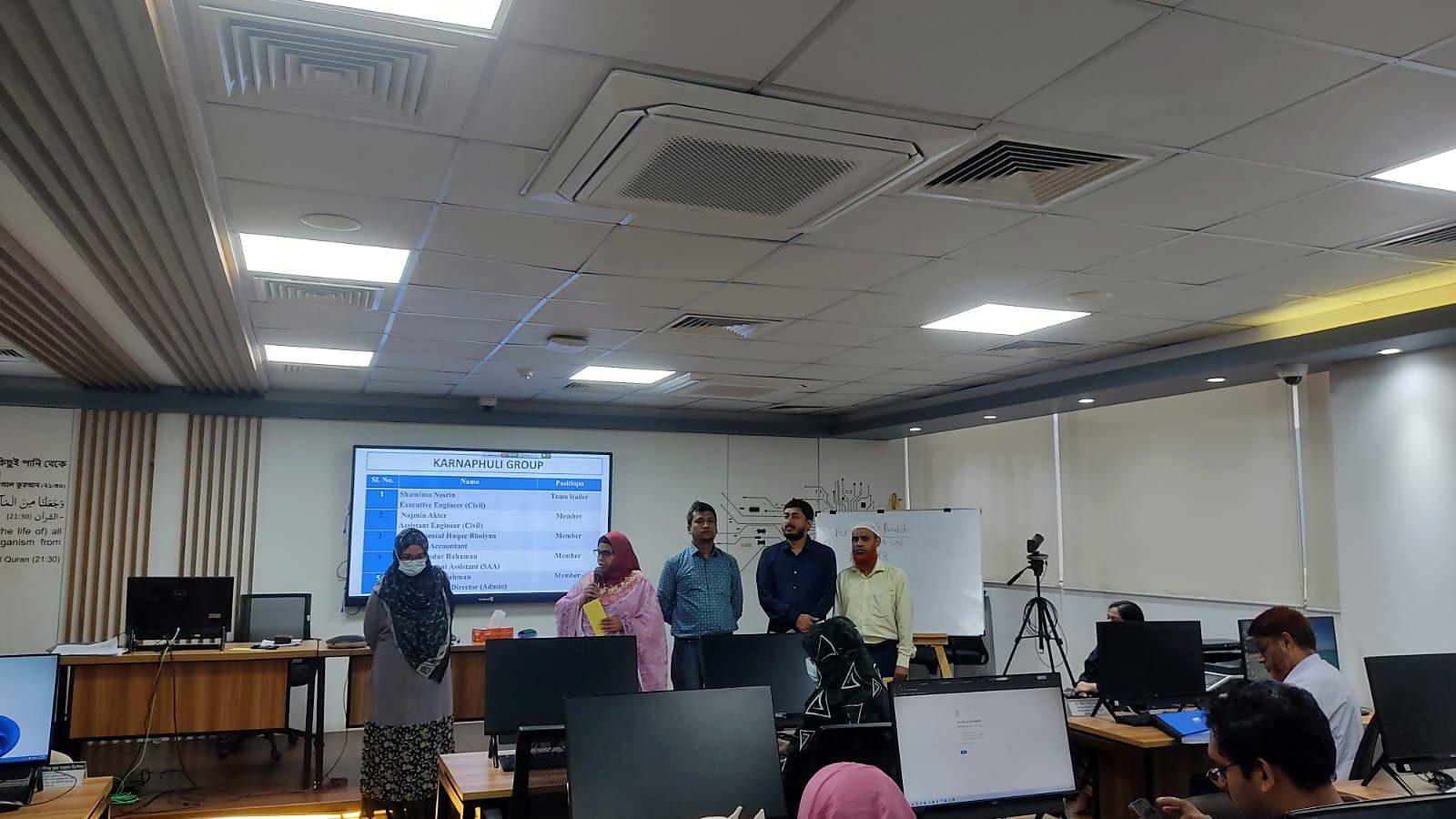
Participants worked in groups named after Bangladesh’s rivers — the Sitalakhya and Surma groups among them — and presented the results of their exercises back to the class. For a cohort split between engineers and accounts staff, the mixed groups were the point: an Assistant Engineer from a design circle and a Senior Account Assistant from the Directorate of Finance working the same budget or variance problem see different things in it.
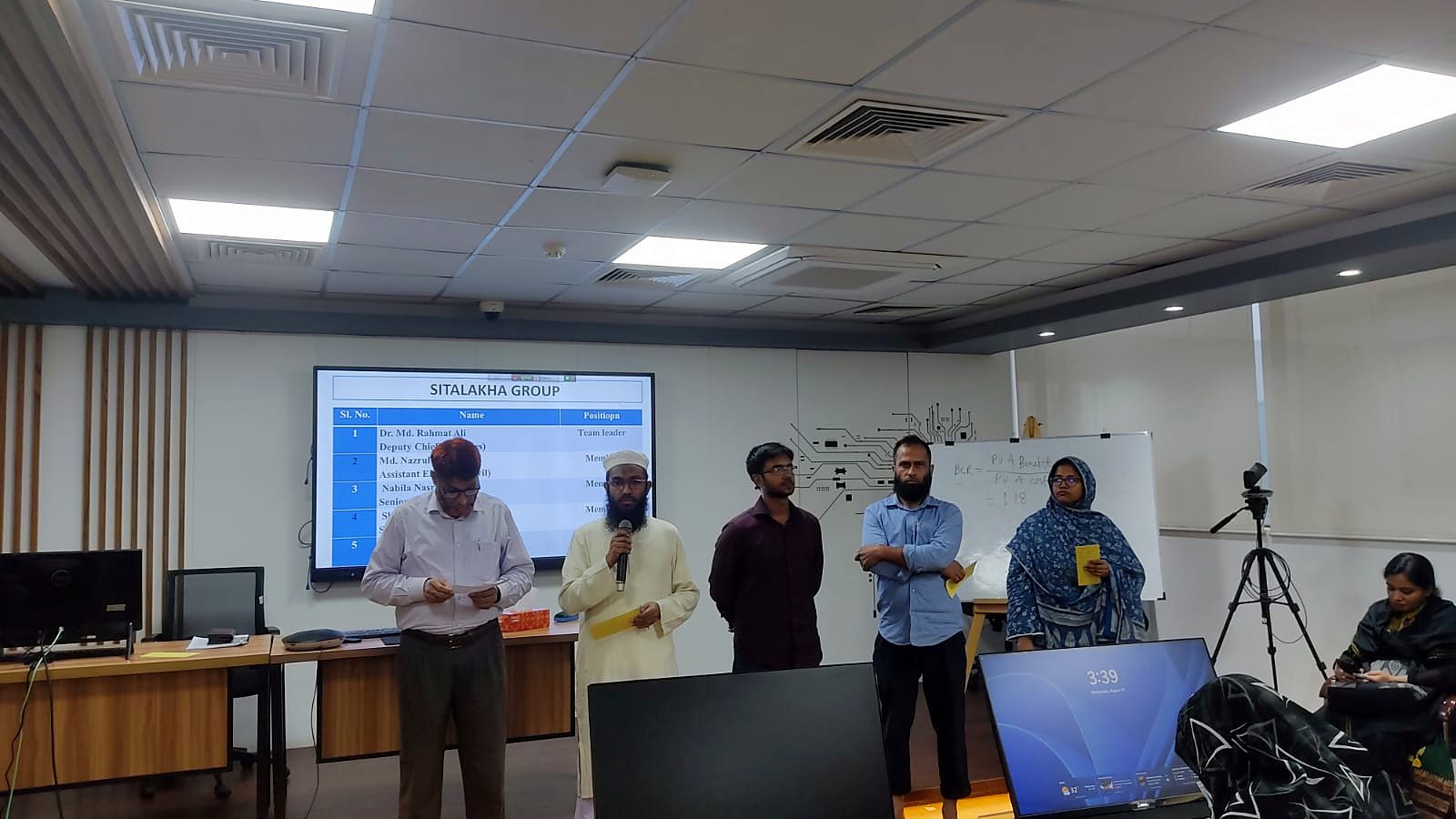
Who Was in the Room
The cohort was drawn from fourteen offices, most of them at Pani Bhaban and the Board’s Dhaka headquarters — four participants each from Design Circle-9 and the Directorate of Planning-3, three from the Office of the Chief Engineer, Monitoring, and others from the Directorates of Programme, Finance, Accounts, Personnel, Welfare and Economic Evaluation, the Hydroinformatics & Flood Forecasting Circle and the ICZ and Climate Change Management office. Two came in from the field: the Northern Hydrology Measurement Division in Pabna and the Narsingdi Water Development Division.
Full Participant Roster
Deputy Chief (Economics)
Directorate of Program, BWDB, DhakaExecutive Engineer (Civil)
Northern Hydrology Measurement Division, BWDB, PabnaExecutive Engineer (Civil)
Design Circle-9, BWDB, DhakaExecutive Engineer (Civil)
Design Circle-9, BWDB, DhakaDeputy Chief (Fisheries)
Directorate of Planning-3, BWDB, DhakaSub-Divisional Engineer (Civil)
Directorate Of Programme, BWDB, DhakaSub-Divisional Engineer (Civil)
Office of the Addl. Chief Engineer, ICZ And Climate Change Management, BWDB, DhakaAssistant Engineer (Civil)
Directorate of Planning-3, BWDB, DhakaAssistant Engineer (Civil)
Directorate of Planning-3, BWDB, DhakaAssistant Engineer (Civil)
Design Circle-9, BWDB, DhakaAssistant Engineer (Civil)
Design Circle-9, BWDB, DhakaAssistant Engineer (Civil)
Office of the Chief Engineer, Monitoring, BWDB, DhakaAssistant Engineer (Civil)
Office of the Chief Engineer, Monitoring, BWDB, DhakaAssistant Engineer (Civil)
Office of the Chief Engineer, Monitoring, BWDB, DhakaSenior Assistant Director (Admin)
Directorate of Personnel, BWDB, DhakaAssistant Engineer (Civil)
Design Circle-6, BWDB, DhakaAssistant Engineer (Civil)
Design Circle-6, BWDB, DhakaAssistant Engineer (Civil)
Hydroinformatics & Flood Forecasting Circle,BWDB, DhakaSenior Assistant Director (Admin)
Directorate of Welfare, BWDB, DhakaResearch Officer (Sociology)
Directorate of Economic Evaluation, BWDB, DhakaAssistant Accountant
Directorate of Finance, BWDB, DhakaSenior Account Assistant (SAA)
Directorate of Planning-3, BWDB, DhakaSenior Account Assistant (SAA)
Narsingdi WD Division, BWDB, NarsinghdiAddtitional Director (FA&A)
Directorate of Accounts, BWDB, DhakaSenior Account Assistant (SAA)
Directorate of Finance, BWDB, DhakaContinuity across the programme: two participants had already attended earlier courses in the series — Dr. Md. Rahmat Ali, Deputy Chief (Fisheries), was in the Batch 1 IWRM course in June, and Md. Kamrul Hasan, Research Officer (Sociology), attended the Package 22 Climate-Smart Agriculture and Water Management course in July. Several of this cohort went on to later courses, including Quality Control and Construction Management (Package 22) and the second IWRM batch.
Closing & Certification
The course closed on the afternoon of 20 August 2026 with the post-evaluation, the participants’ course evaluation and the distribution of certificates by the Project Director and the course management team.
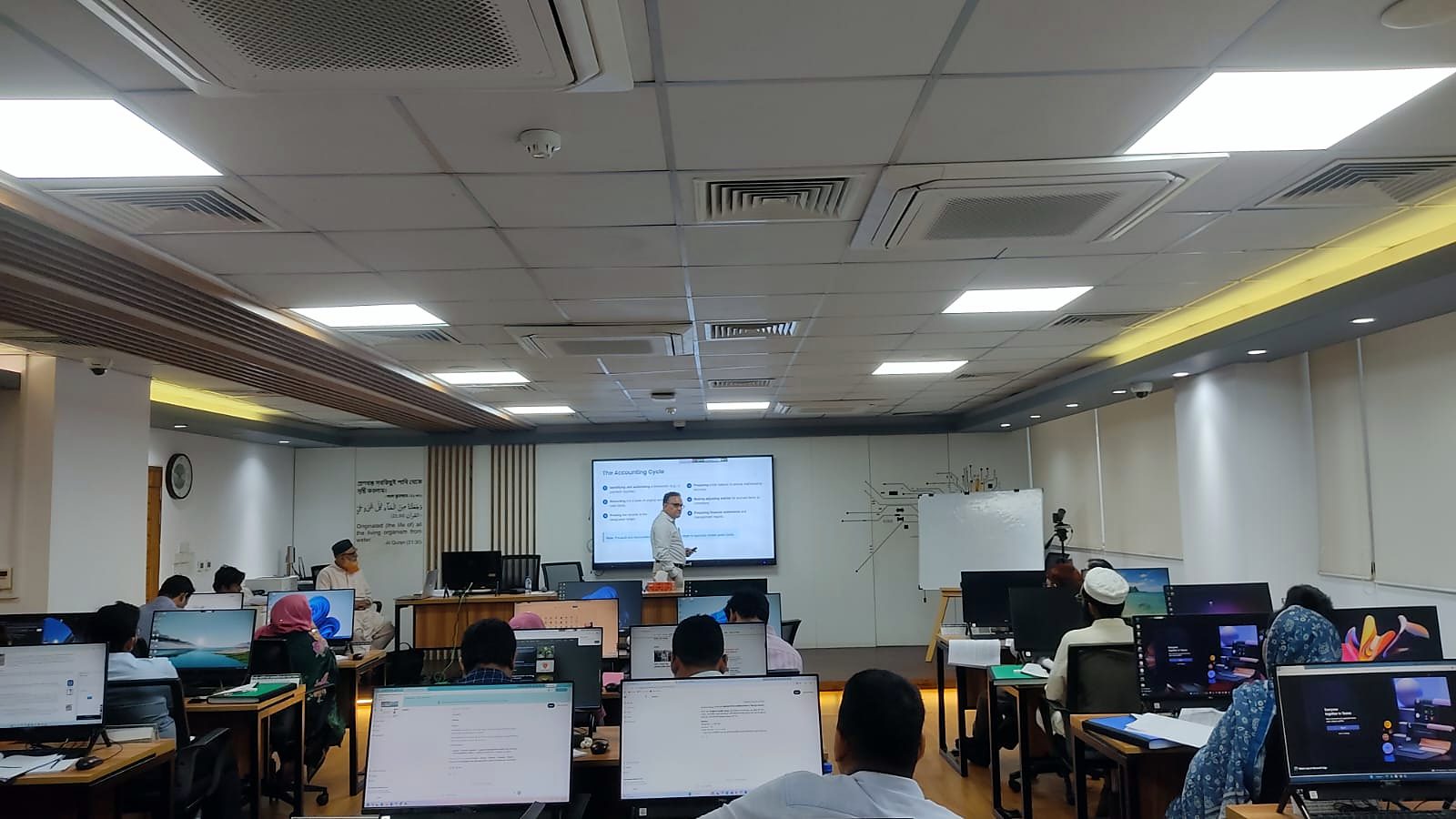
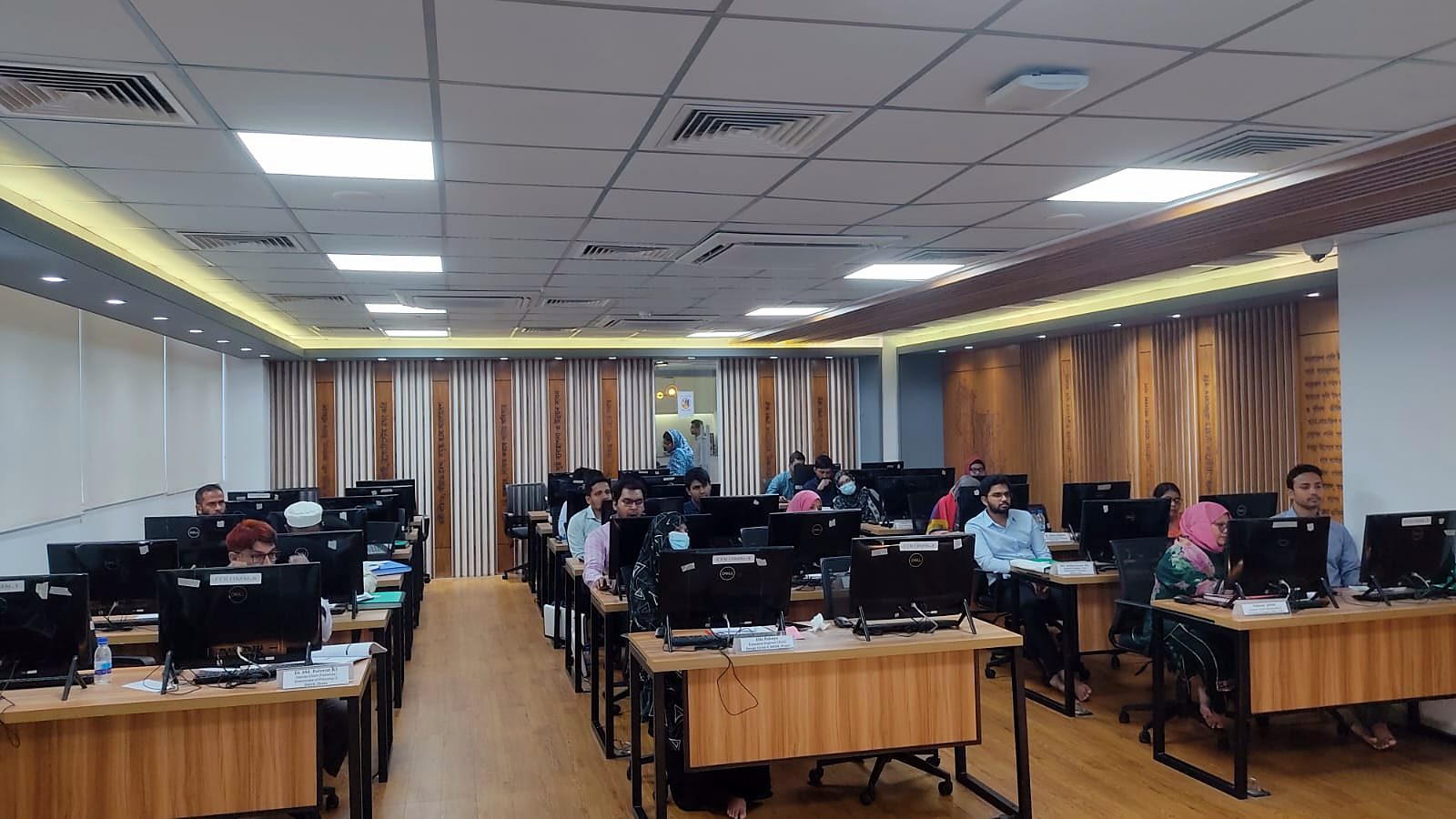
The Course in Pictures
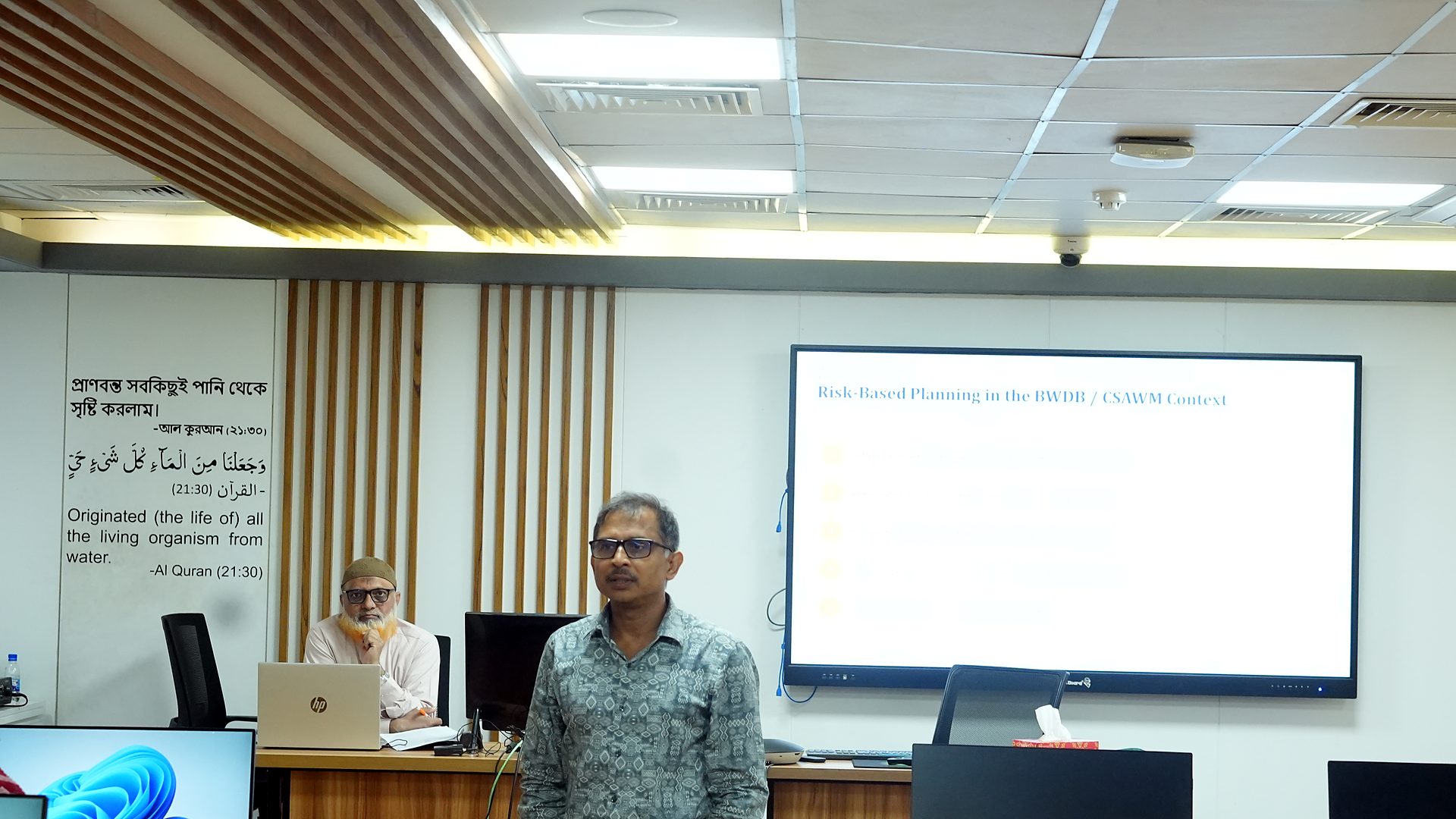
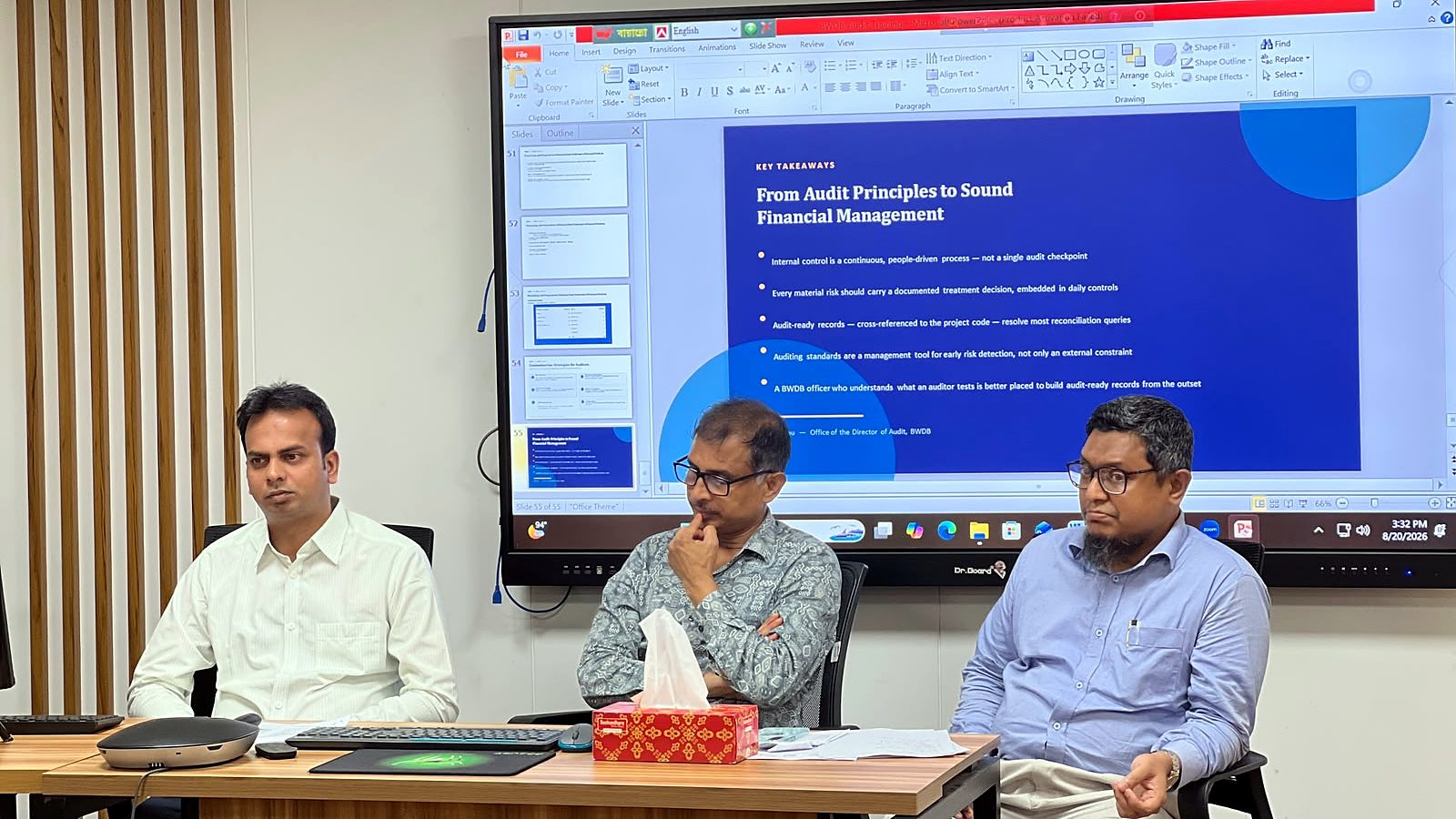
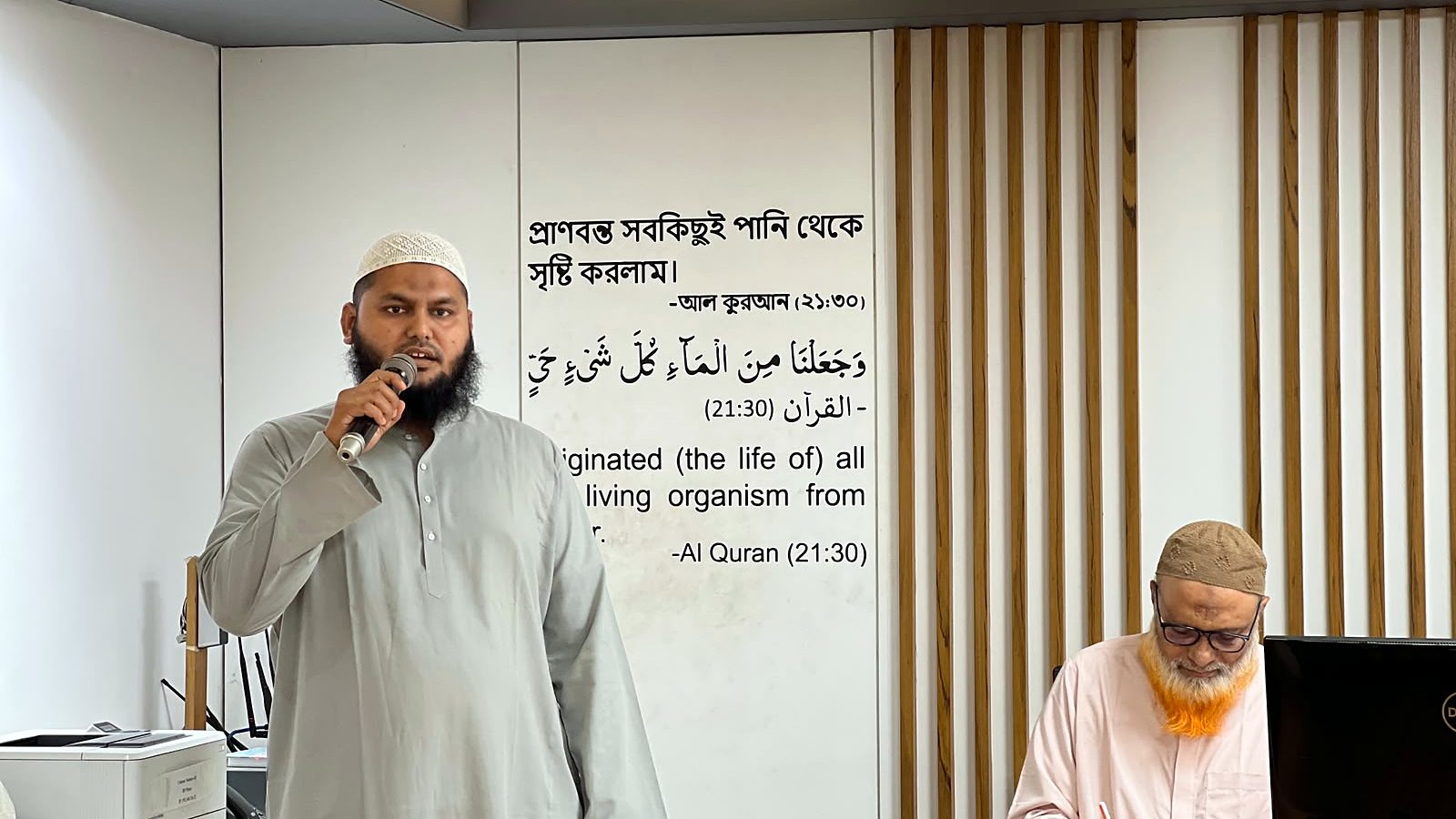
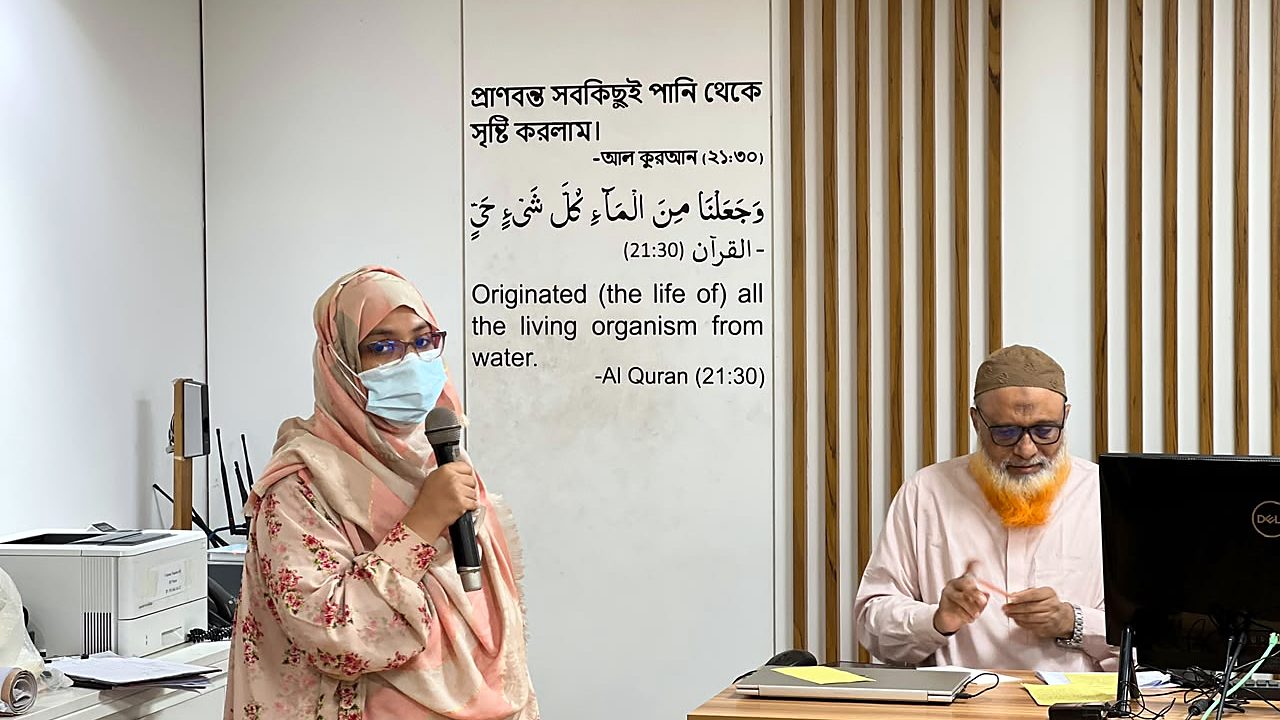
Twelve further photographs from the three days at the Central ICT Lab, Pani Bhaban.
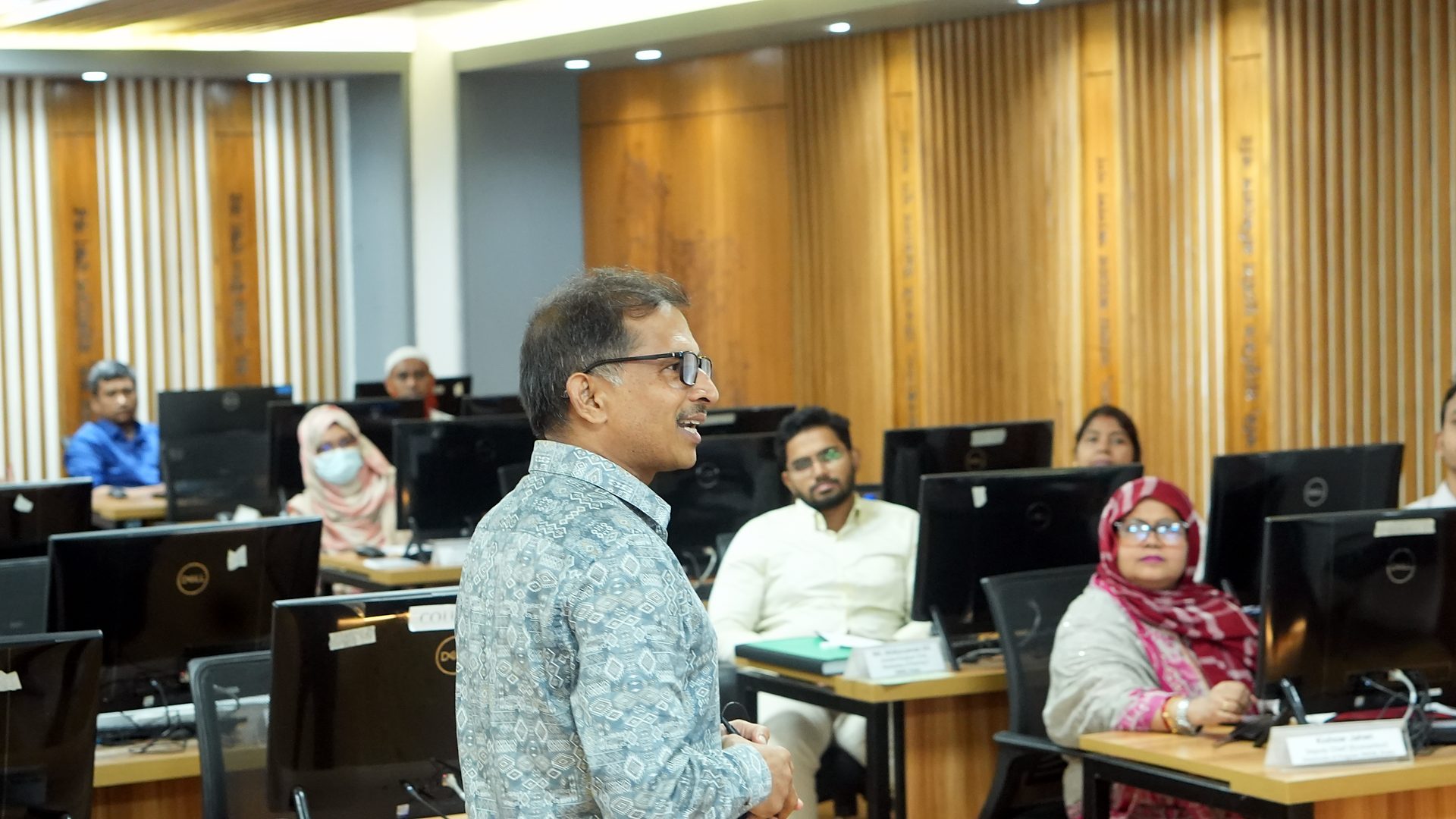
Why This Matters
A water development project in Bangladesh can be technically sound and still fail an audit — because an estimate was not tied to a budget head, a variance was not explained, or a register was not kept the way the rules require. Those failures are rarely fraud. More often, the engineer who made the decision and the accountant who recorded it were working from different pictures of the same money.
Under the Climate-Smart Agriculture and Water Management Project, where government and development-partner funds sit side by side and reporting obligations are strict, that gap is expensive. A course that walks engineers through finance, accounting and audit in the same order the money moves, taught by the three directors who hold those functions for the Board, narrows the gap from both ends.
More from this Programme
Programme Snapshot
| Field | Detail |
|---|---|
| Course Title | Financial Management, Accounting and Auditing Systems |
| Reference | CSAWMP-WDB-PCU-WD-21-3-FM-01 — Package 21, Batch 3 (Course ID FA&A-01) |
| Duration | 3 days — 18 to 20 August 2026 |
| Venue | Central ICT Lab (Level-11), Pani Bhaban, BWDB, 72 Green Road, Dhaka-1205 |
| Participants | 25 officials of the Bangladesh Water Development Board |
| Ministry | Ministry of Water Resources, Government of the People’s Republic of Bangladesh |
| Implementing Agency | Bangladesh Water Development Board (BWDB) |
| Project | Climate-Smart Agriculture and Water Management Project (CSAWM Project), BWDB Part |
| Project Director | Pijush Krishna Kundu, Additional Chief Engineer (Civil) |
| Course Coordinator | Muhammad Shahid Shikdar, System Analyst, Directorate of Central ICT |
| Sessions | 12 technical sessions across 3 days, four sessions per day |
| Resource Persons | The Directors of BWDB’s Directorates of Finance, Accounts and Audit |
| Training Service Provider | Management and Training International Ltd. (MTI Ltd.) |
Frequently Asked Questions
What did the Financial Management, Accounting and Auditing Systems course cover?
Three days in sequence: financial management (framework, planning and budgeting, financial analysis and control, modelling and time value of money), accounting (principles and standards, financial and cost accounting, accounting systems and software) and auditing (procedures and sampling, internal control and risk, standards and compliance, audit reporting).
Who taught the course?
Each day was taught by the BWDB director who owns the subject: Farid Ahmed Khan, Director of the Directorate of Finance (Day 1); A.M.M. Farid Uddin Chowdhury, Director of the Directorate of Accounts (Day 2); and Chandan Kumar Das, Director of the Directorate of Audit (Day 3). The Project Director, Pijush Krishna Kundu, opened and closed the course.
Why were so many engineers nominated for a finance course?
Fifteen of the twenty-five participants were engineers. In BWDB, engineers prepare estimates, certify measurements and sign bills, so many financial decisions start with them. Training them alongside accounts officers helps the planning, recording and audit of project money line up.
Where and when was the training held?
At the Central ICT Lab, Level-11, Pani Bhaban, 72 Green Road, Dhaka, from 18 to 20 August 2026.
Who funded and organised the course?
The course was funded by the Climate-Smart Agriculture and Water Management Project (CSAWM Project), BWDB Part, under the Bangladesh Water Development Board, Ministry of Water Resources. MTI Ltd. served as the training service provider under reference CSAWMP-WDB-PCU-WD-21-3-FM-01.
How many batches are planned under Package 21 and Package 22?
75 batches in total: 40 under Package 21 and 35 under Package 22 of the CSAWM Project (BWDB Part). This was the third Package 21 batch; a second Financial Management, Accounting and Auditing batch followed on 27–29 September 2026.