Second FA&A Batch: BWDB Finance and Accounts Cadre Trained on Auditing, Accounting and Financial Management
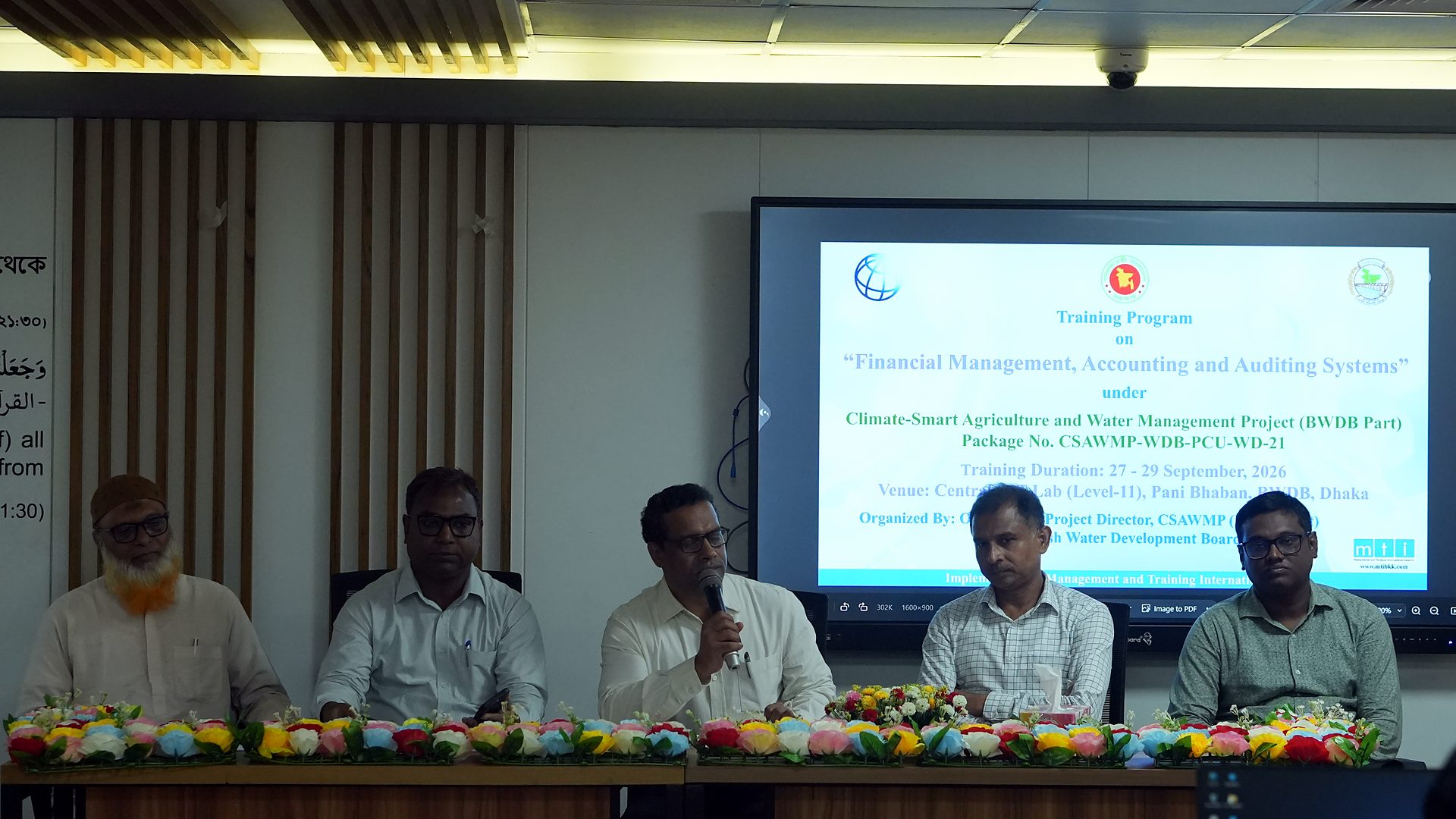
Management and Training International (MTI) Ltd. conducted the second running of the three-day course on Financial Management, Accounting and Auditing Systems from 27 to 29 September 2026 at the Central ICT Lab, Level-11, Pani Bhaban, BWDB, Dhaka. Twenty-five officials of the Bangladesh Water Development Board (BWDB), under the Ministry of Water Resources, took part — the seventh batch under Package 21 of the Climate-Smart Agriculture and Water Management Project (CSAWM Project), BWDB Part.
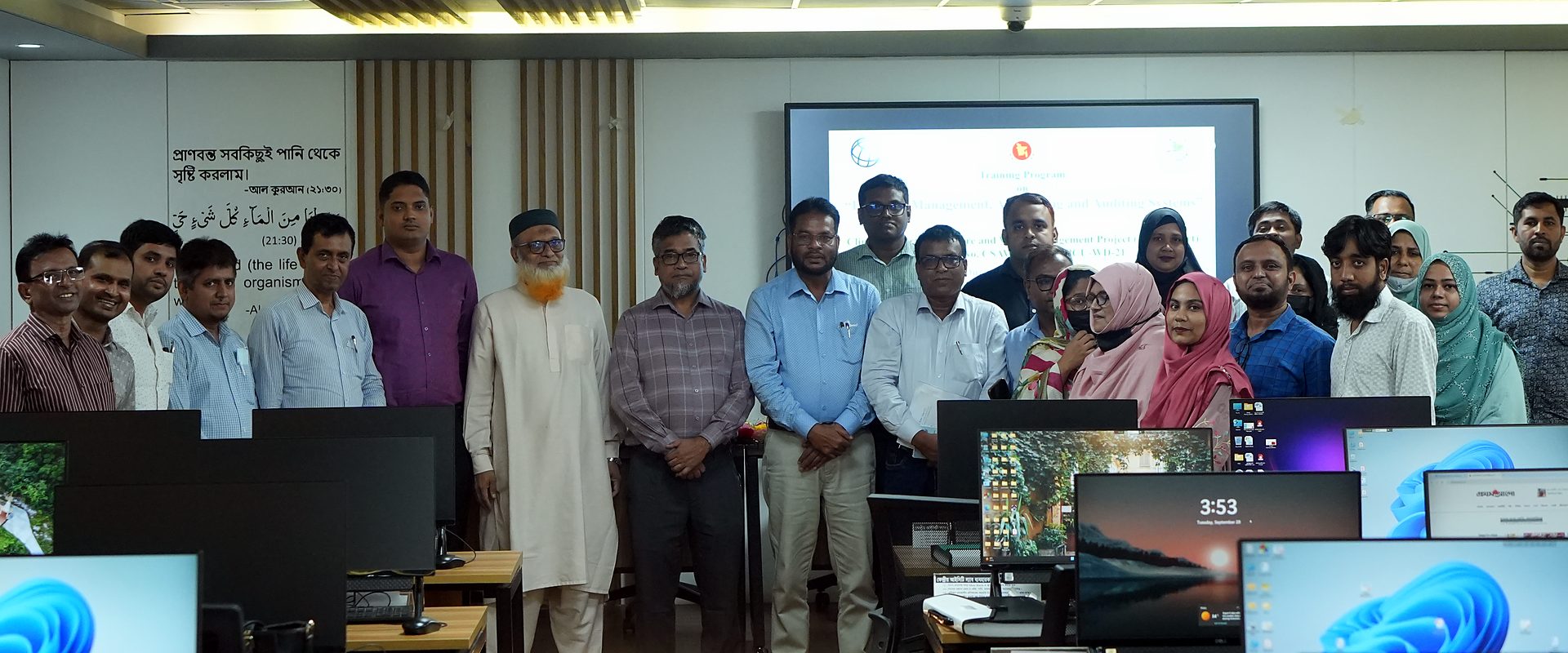
About the engagement: Under reference CSAWMP-WDB-PCU-WD-21-7-FM-02 (Course ID CSAWMP-WDB-PCU-WD-21/FA&A-02), MTI Ltd. is delivering the Package 21 training programme for the Climate-Smart Agriculture and Water Management Project (BWDB Part), implemented by the Bangladesh Water Development Board under the Ministry of Water Resources. The course was authorised by Office Order Memo Nos. 42.01.0000.000.647.25.0009.26-395 (course module) and 26-396 (participants), both dated 24 September 2026, following the Director General’s D-Nothi approval (Para 9.3) of the same date.
The Same Course, Turned Around
The first Financial Management, Accounting and Auditing batch in August was a course for engineers: fifteen of its twenty-five participants designed, estimated and certified works, and the course walked them forward through the money — plan, record, audit. This second batch was the opposite room. Twenty-two of the twenty-five participants work in BWDB’s finance, accounts and audit cadre, from a Deputy Director (FA&A) down to six Accounts Clerks, and the remaining three — a Data Entry Operator, an Office Assistant cum Computer Typist and a Stenographer/PA to the Additional Director General (Finance) — support finance offices directly.
The course module was turned around to match. Day 1 opened with the auditing system, Day 2 kept accounting in the middle, and Day 3 closed on financial management. For people who live inside the books, starting from what an auditor looks for — internal control, compliance records, the balance sheet and the management letter — and working back to how decisions are planned and budgeted is the more natural direction of travel.
Three Directors, Three Days — in Reverse
As in the first batch, each day belonged to the BWDB director who owns the subject — the Director of Audit on Day 1, the Director of Accounts on Day 2 and the Director of Finance on Day 3. The Project Director opened and closed the course and gave a brief introduction to the CSAWM Project at the inauguration.
Additional Chief Engineer (Civil) & Project Director
CSAWM Project (BWDB Part)
Director
Directorate of Audit, BWDB
Director
Directorate of Accounts, BWDB
Director
Directorate of Finance, BWDB
Course Leadership
System Analyst
Directorate of Central ICT
Assistant Director (FA&A)
CSAWM Project (BWDB Part)
Deputy Director (FA&A)
CSAWM Project (BWDB Part)
Managing Director
Management and Training International Ltd.
Twelve Sessions, Read Backwards from the Audit
Audit Procedures
Principles and purpose of audit, frameworks and standards, audit planning and risk assessment, procedures for statements, and audit sampling.
Internal Control & Risk
The internal controls framework and risk-management techniques, worked through cases and group exercises.
Standards & Compliance
Auditing standards and regulations, compliance requirements, and the records an office must keep to be audit-ready.
Audit Reporting
Audit reports and management letters; preparing the balance sheet and profit & loss statement; communicating findings.
Accounting Foundations
Principles, GAAP and IFRS, and the registers and rules of administrative control and accounting in BWDB.
Financial & Cost Accounting
Assets, liabilities and equity; cost behaviour, estimation, control, variance and performance evaluation.
Systems & Software
Accounting software and how accounting systems are designed and implemented.
Financial Management
Planning and budgeting, statement and ratio analysis, modelling, time value of money and cost-benefit decisions.
Day-by-Day Course Schedule
Participants reported to the Central ICT Lab at 08:30 on the first morning and at 09:00 on the following two days. Each day ran four sessions and closed at 16:00.
- 08:30–09:20 Inauguration and Opening of the Training Course Registration and breakfast; introduction of participants; objectives of the course and the detailed agenda; participants’ expectations; pre-evaluation; a brief introduction to the CSAWM Project (BWDB Part). Methods: self-introduction, questionnaire, lecture discussion. Pijush Krishna Kundu Project Director, CSAWM Project (BWDB Part), with the course management team
- 09:20–10:40 Session 1 — Auditing Procedures and Techniques Principles and concepts of auditing; the purpose and nature of an audit; auditing frameworks and standards; audit planning and risk assessment; audit procedures for financial statements such as inventory, accounts payable and accounts receivable; audit sampling. Methods: brainstorming, demonstrations, large group discussion with PPP. Chandan Kumar Das Director, Directorate of Audit, BWDB
- 10:40–10:50 Refreshment and tea break
- 10:50–12:10 Session 2 — Internal Controls and Risk Assessment The internal controls framework; risk assessment and risk-management techniques; case studies and group exercises. Methods: demonstration, small group work, large group discussion, case studies. Chandan Kumar Das Director, Directorate of Audit, BWDB
- 12:10–13:30 Session 3 — Auditing Standards and Regulations Overview of auditing standards and regulations (GAAP, IFRS, SOX); compliance requirements for auditors; the records an office must keep to be audit-compliant. Methods: large group discussion with PPP, interactive discussion. Chandan Kumar Das Director, Directorate of Audit, BWDB
- 13:30–14:20 Lunch and prayer break
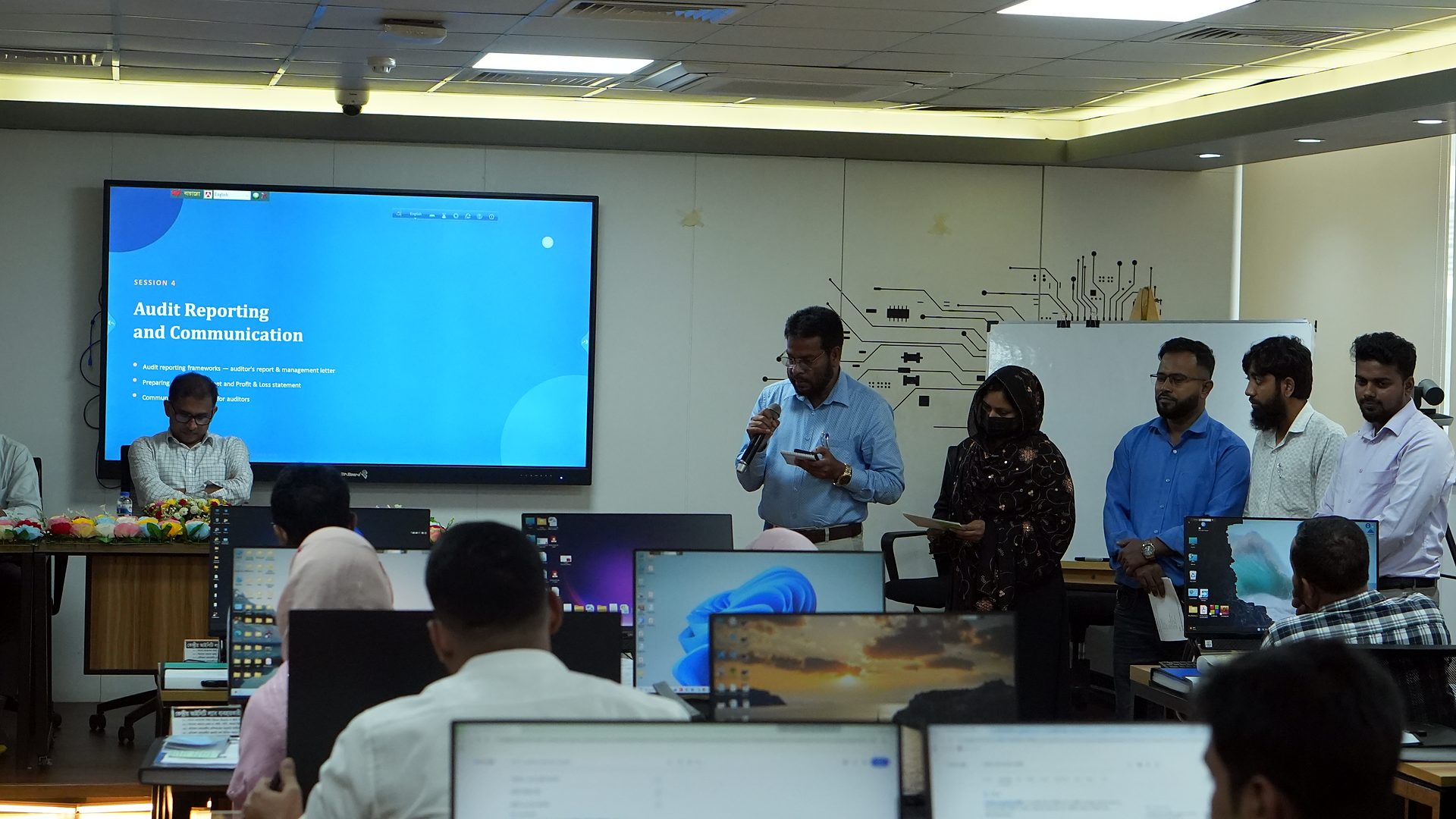
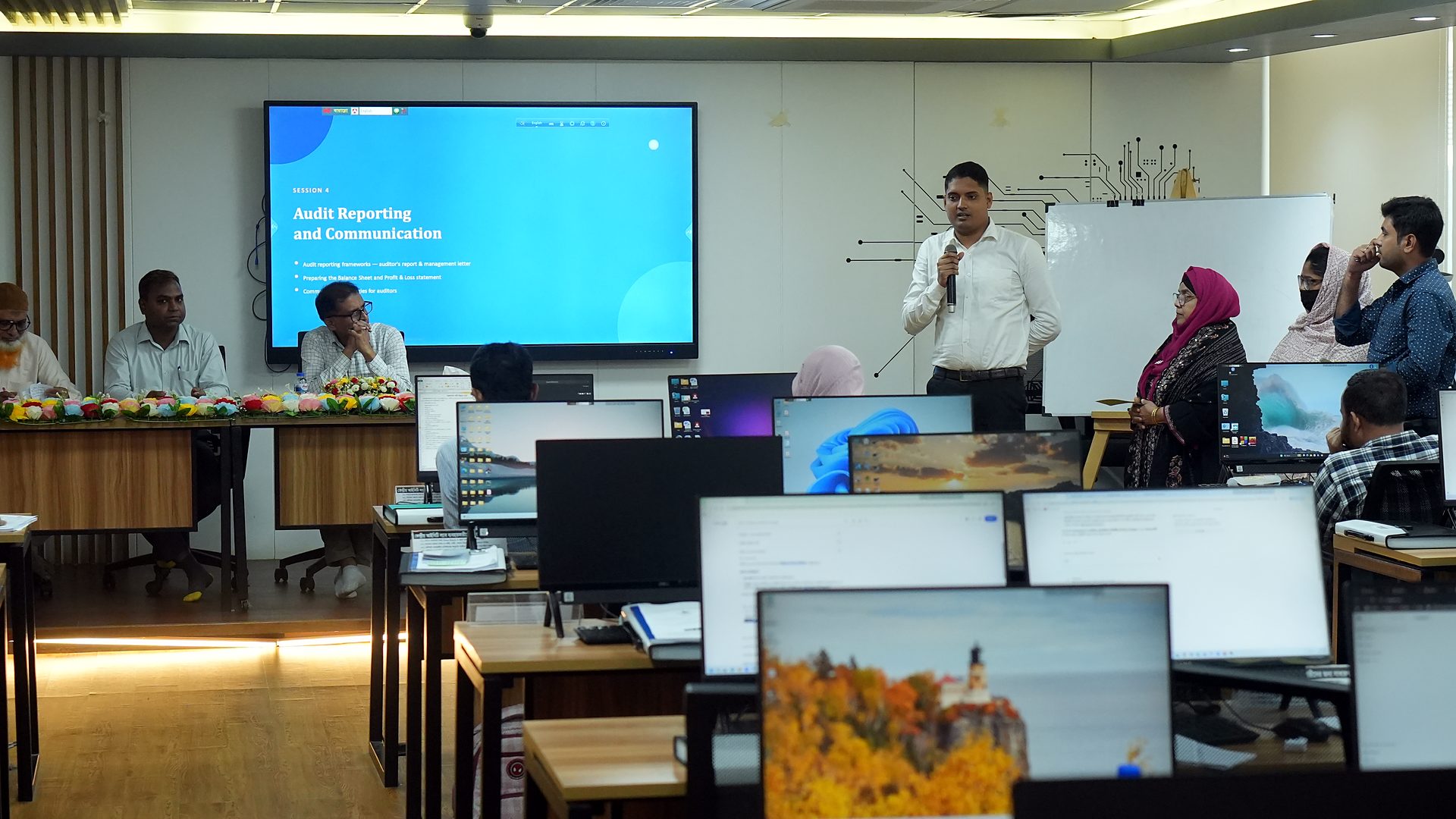
- 14:20–15:40 Session 4 — Audit Reporting and Communication Audit reporting frameworks — audit reports and management letters; the process of preparing the balance sheet and the profit & loss statement; communication strategies for auditors. Methods: Q&A, lecture discussion, large group discussion with PPP. Chandan Kumar Das Director, Directorate of Audit, BWDB
- 15:40–16:00 Day review and refreshment
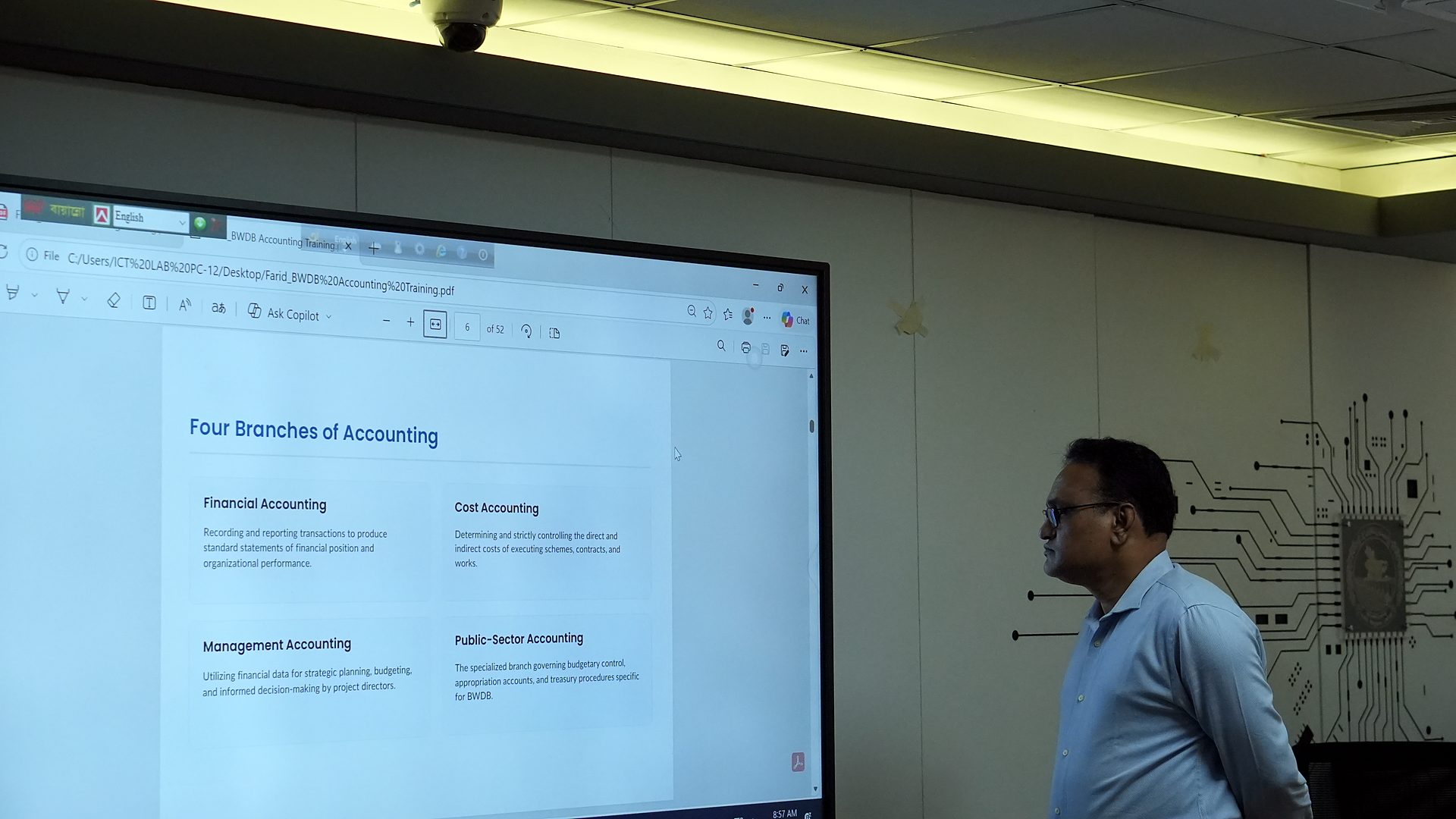
- 09:00–10:20 Session 1 — Introduction to Accounting Accounting principles and concepts; accounting frameworks and standards (GAAP, IFRS); registers, accounting requirements and the rules that govern administrative control and accounting in a public body. Methods: Q&A, interactive discussion with PPP. A.M.M. Farid Uddin Chowdhury Director, Directorate of Accounts, BWDB
- 10:20–10:40 Refreshment and tea break
- 10:40–12:00 Session 2 — Financial Accounting Asset valuation and recording for current and non-current assets; liability recording and valuation; equity accounting and valuation. Methods: demonstrations, large group discussion with PPP. A.M.M. Farid Uddin Chowdhury Director, Directorate of Accounts, BWDB
- 12:00–13:20 Session 3 — Cost Accounting and Management Cost classification and cost behaviour; cost estimation and control; variance analysis and performance evaluation; cost-benefit analysis for decisions; performance measurement; budgeting and financial planning. Methods: Q&A, large group discussion with PPP. A.M.M. Farid Uddin Chowdhury Director, Directorate of Accounts, BWDB
- 13:20–14:20 Lunch and prayer break
- 14:20–15:40 Session 4 — Accounting Systems and Software An introduction to accounting software (for example QuickBooks and SAP); accounting system design and implementation; case studies and group exercises. Methods: Q&A, case study, lecture discussion. A.M.M. Farid Uddin Chowdhury Director, Directorate of Accounts, BWDB
- 15:40–16:00 Day review and refreshment
- 09:00–10:20 Session 1 — Introduction to Financial Management Overview of financial management and its importance; the financial management framework; the financial decision-making process; financial objectives and organisational performance; the role of financial managers in public sector organisations. Methods: interactive discussion, lecture discussion, large group discussion with PPP. Farid Ahmed Khan Director, Directorate of Finance, BWDB
- 10:20–10:40 Refreshment and tea break
- 10:40–12:00 Session 2 — Financial Planning and Budgeting The financial planning process; budgeting techniques and tools such as zero-based and incremental budgeting; budget preparation, implementation and monitoring; case studies and group exercises. Methods: case studies, demonstrations, large group discussion with PPP. Farid Ahmed Khan Director, Directorate of Finance, BWDB
- 12:00–13:20 Session 3 — Financial Analysis and Control Financial statement analysis — balance sheet, income statement and cash flow statement; ratio analysis for liquidity, profitability and efficiency; break-even and cost-volume-profit analysis; financial performance monitoring and internal financial control. Methods: demonstration, small group work, large group discussion. Farid Ahmed Khan Director, Directorate of Finance, BWDB
- 13:20–14:20 Lunch and prayer break
- 14:20–15:40 Session 4 — Financial Management Tools and Techniques Financial modelling and forecasting; sensitivity analysis and scenario planning; time value of money — present value, future value and net present value; cost-benefit analysis and decision-making frameworks. Methods: Q&A, case study, lecture discussion. Farid Ahmed Khan Director, Directorate of Finance, BWDB
- 15:40–16:00 Closing ceremony — post-evaluation, course evaluation and certificate distribution Pijush Krishna Kundu Project Director, CSAWM Project (BWDB Part), with the course management team
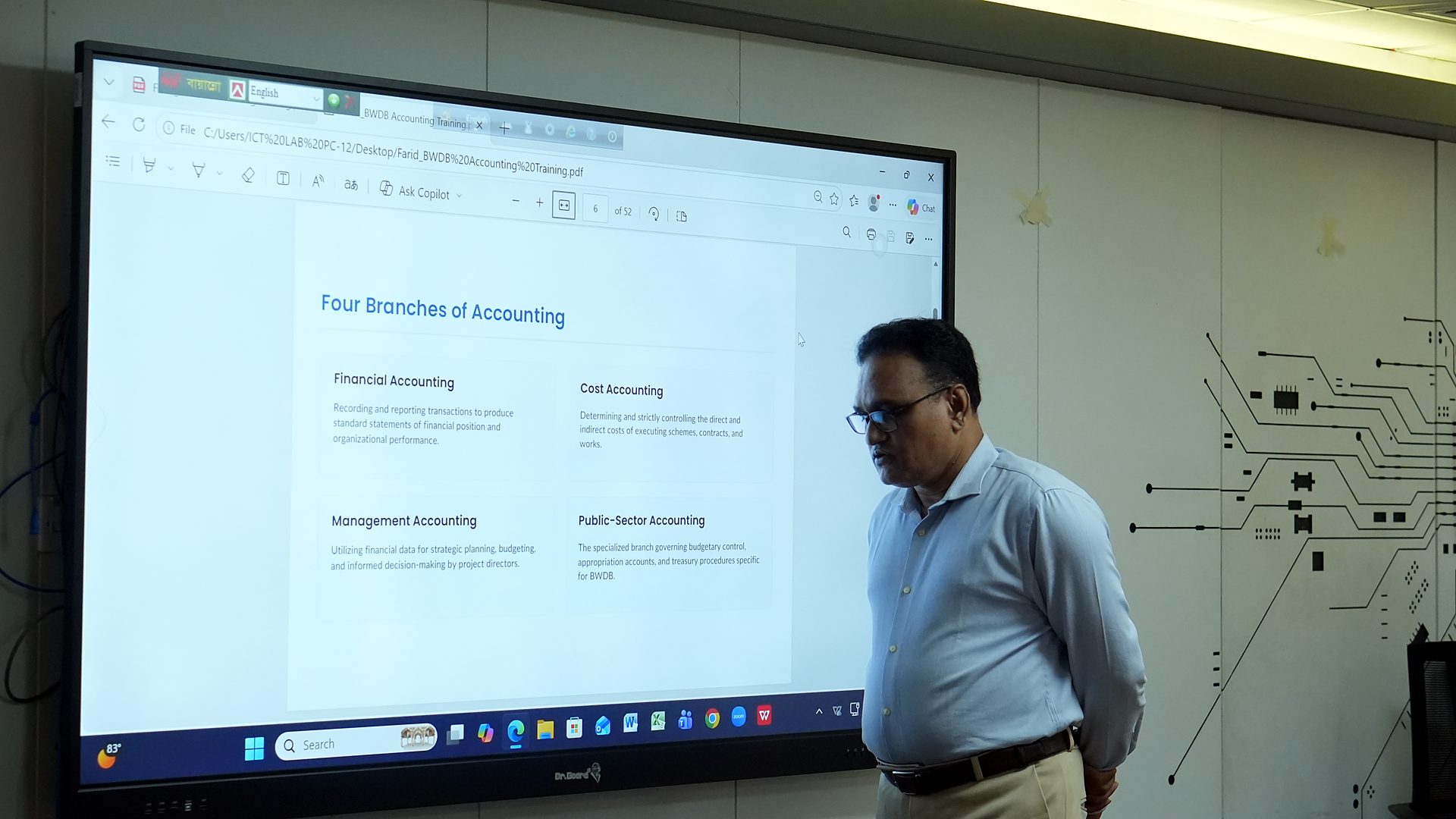
Training Methodology
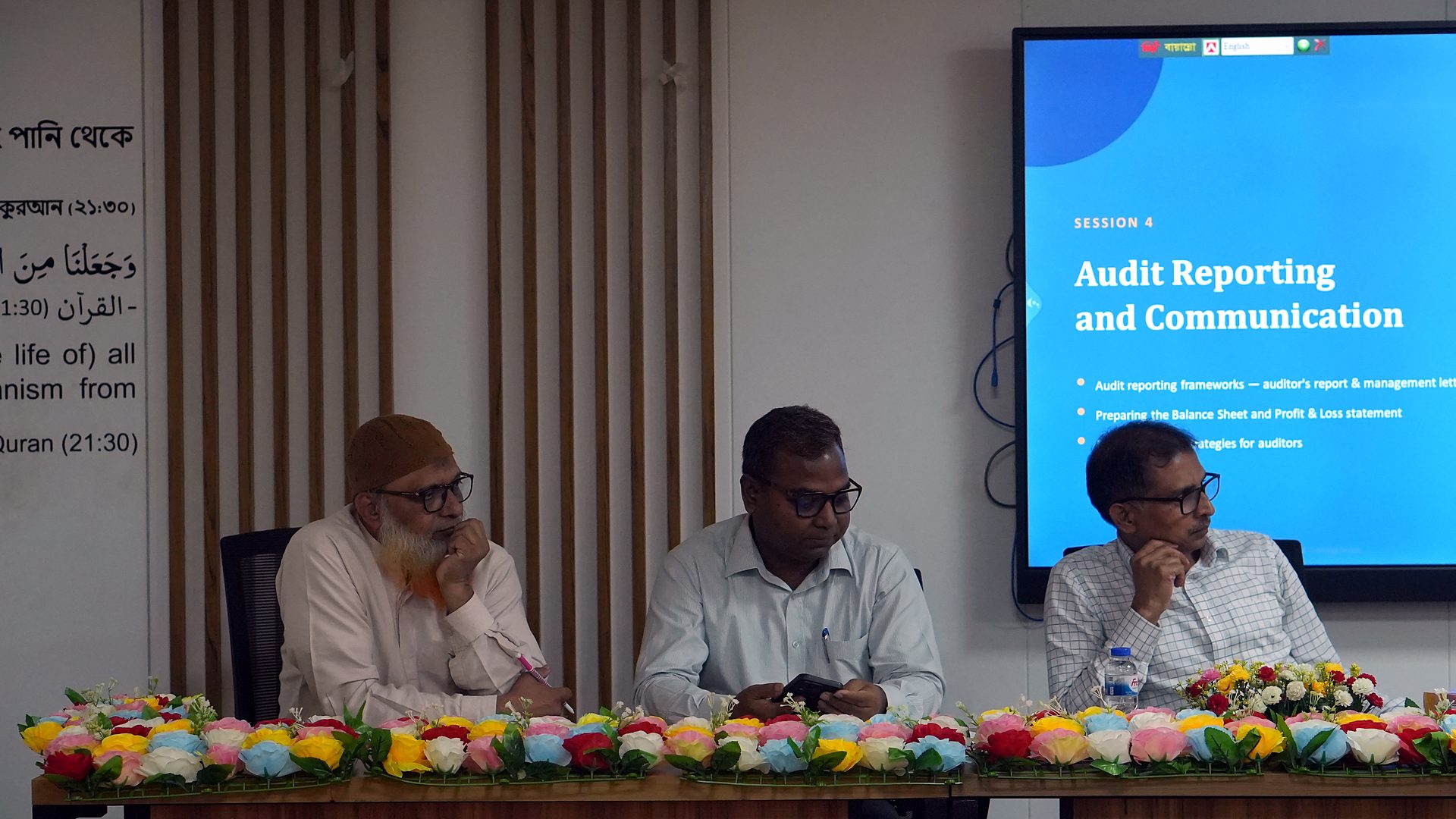
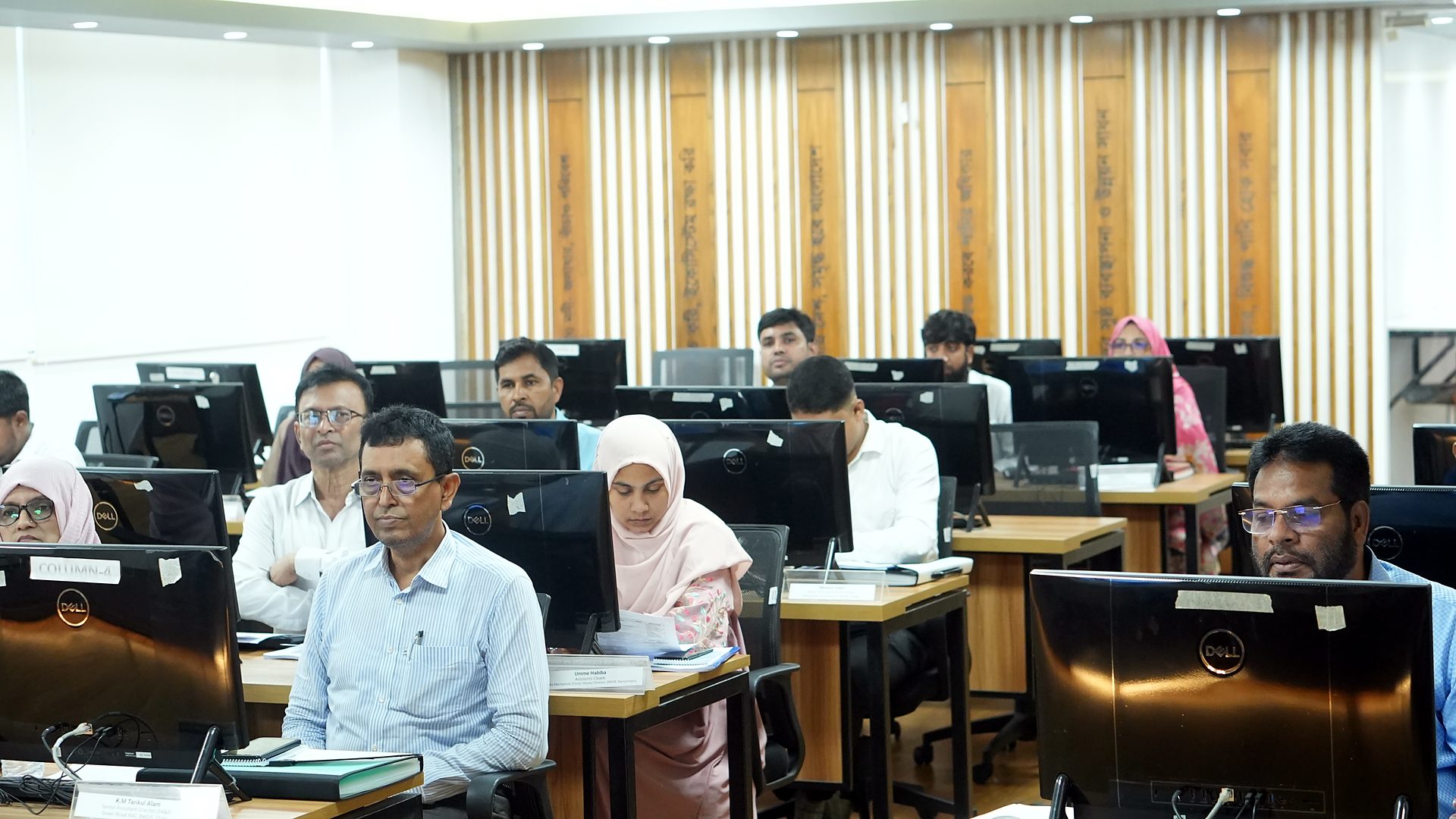
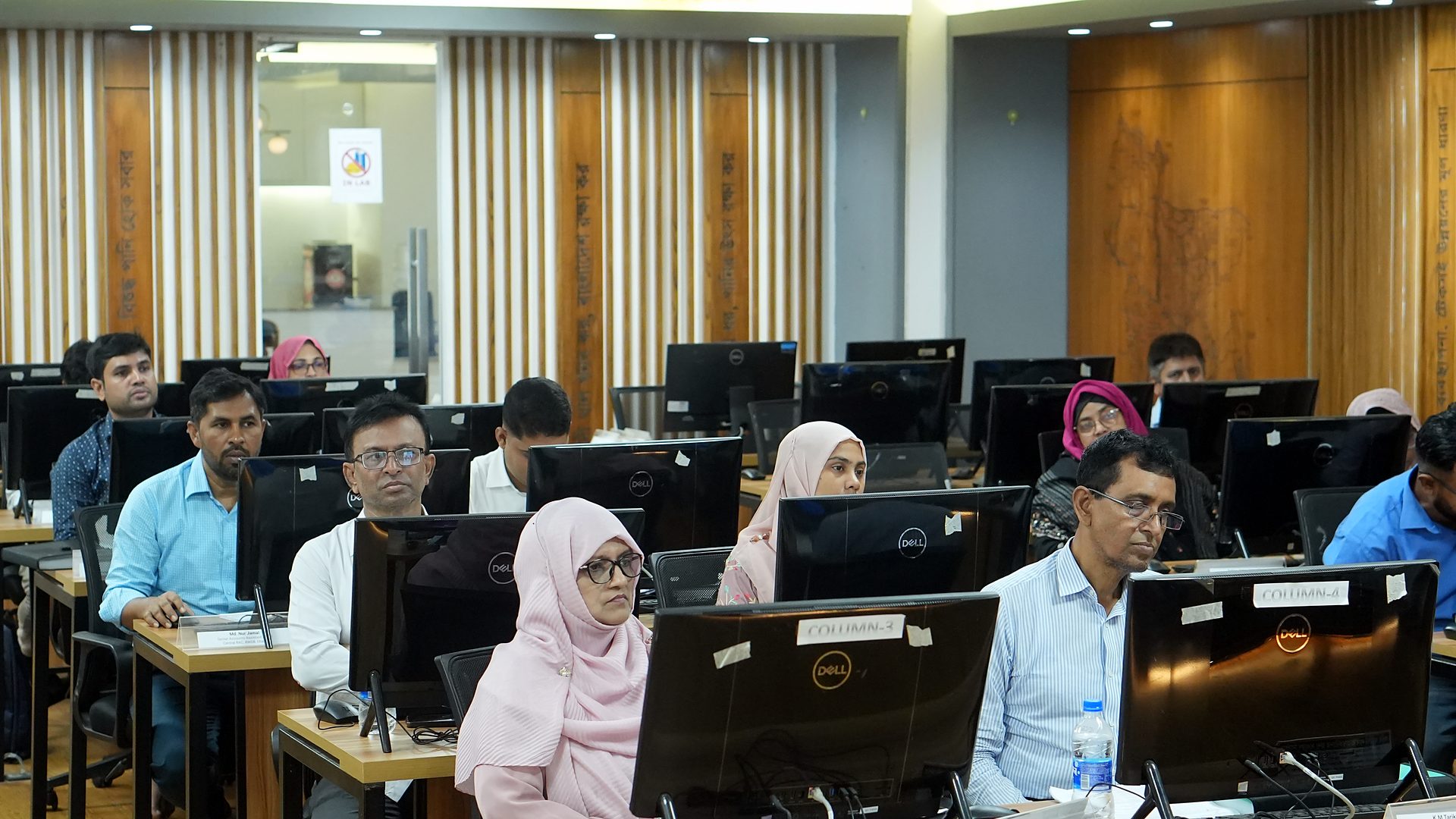
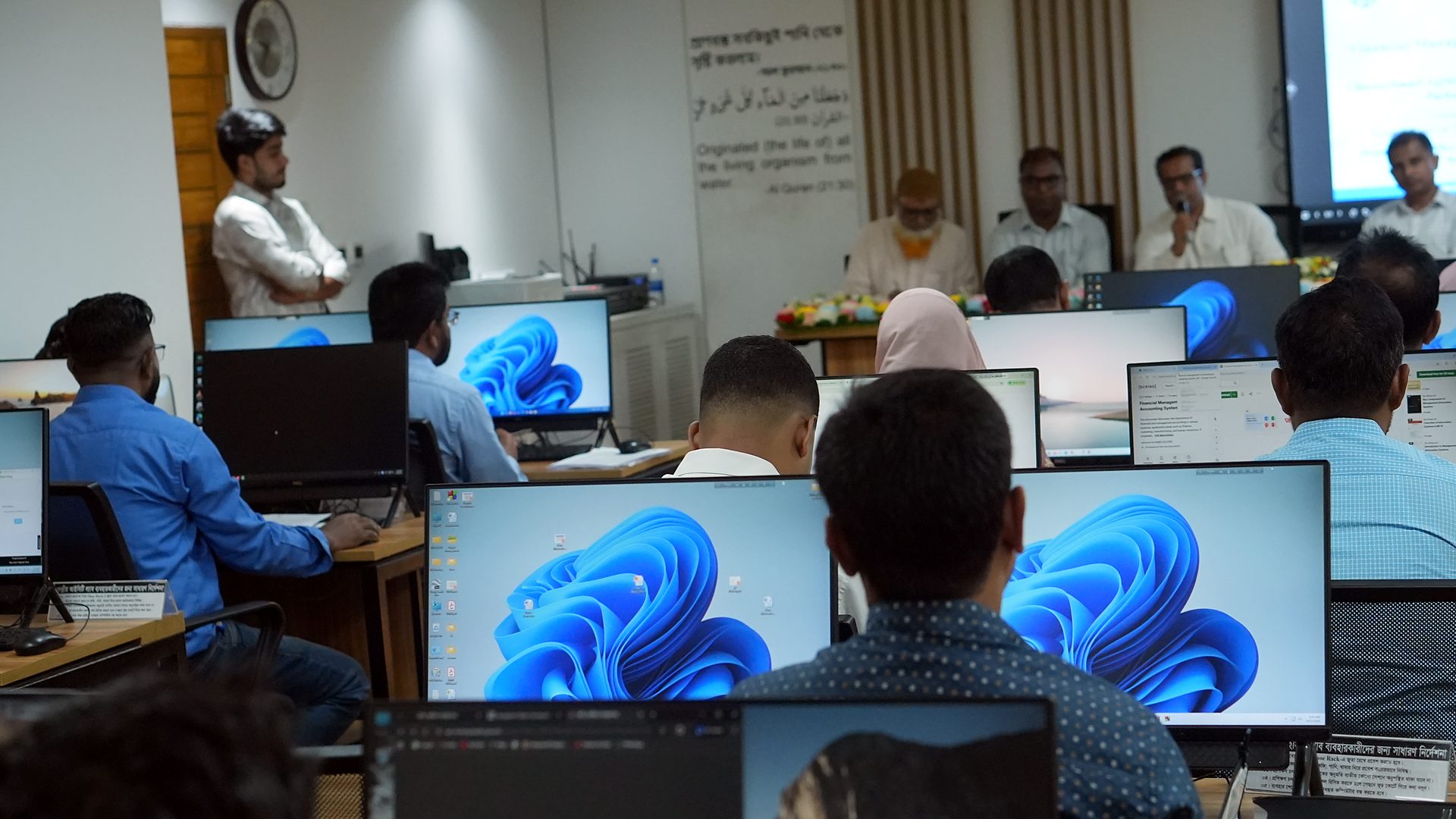
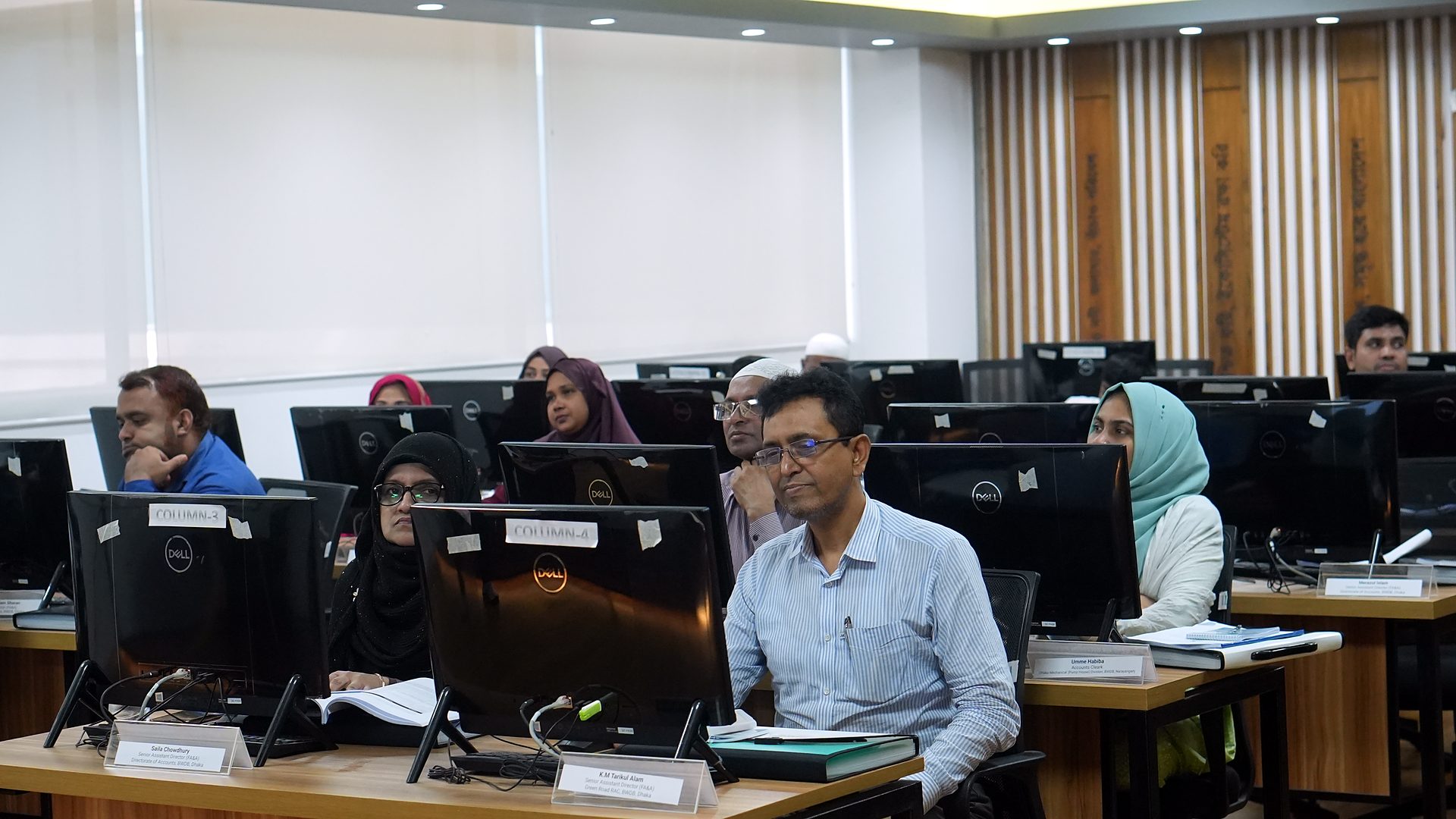
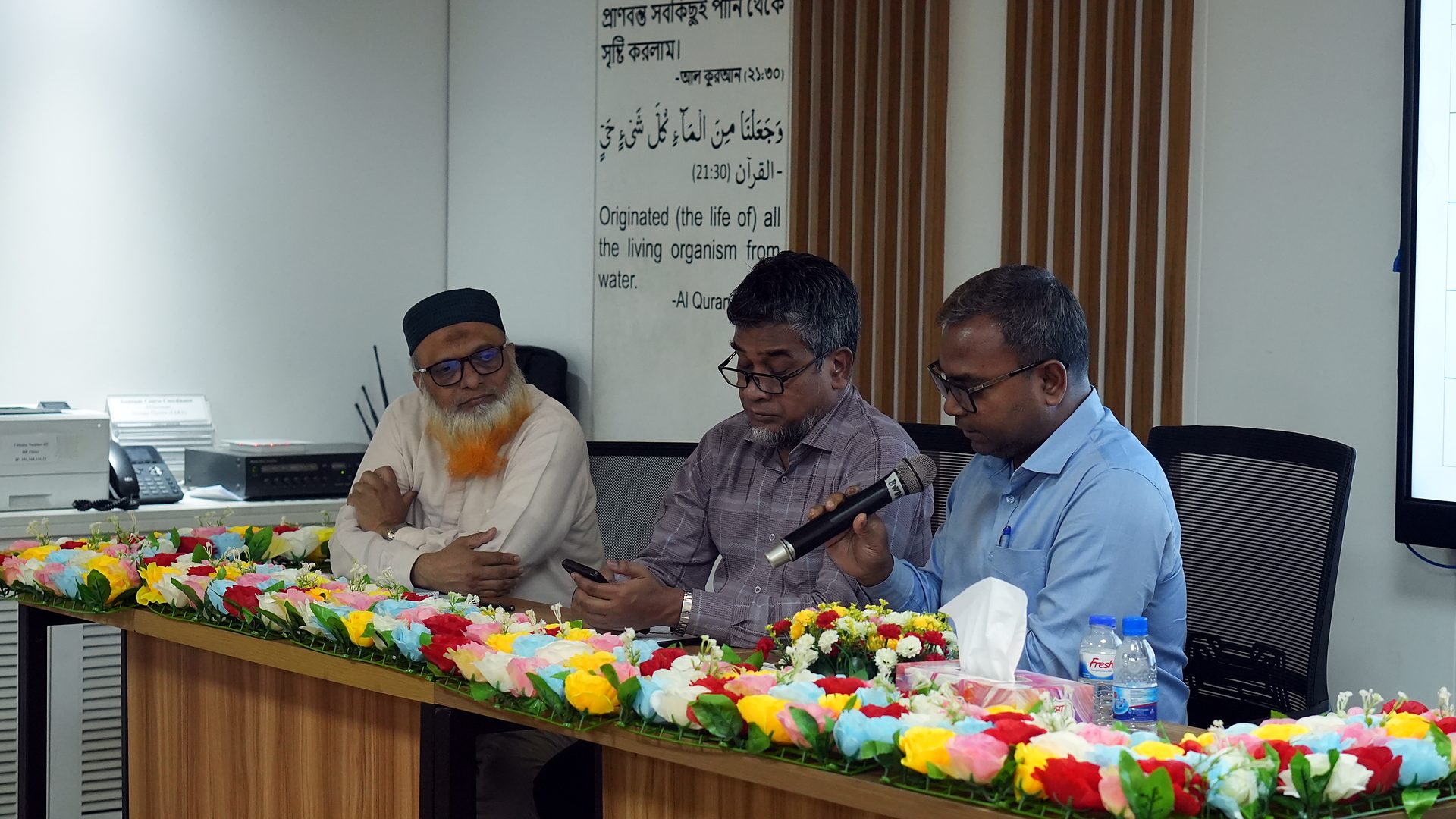
For a cohort that already keeps the Board’s books, the sessions leaned on demonstration and worked cases rather than definitions — reading a management letter, testing an internal control, classifying a cost. The Central ICT Lab put a workstation in front of every participant for the accounting-systems session.
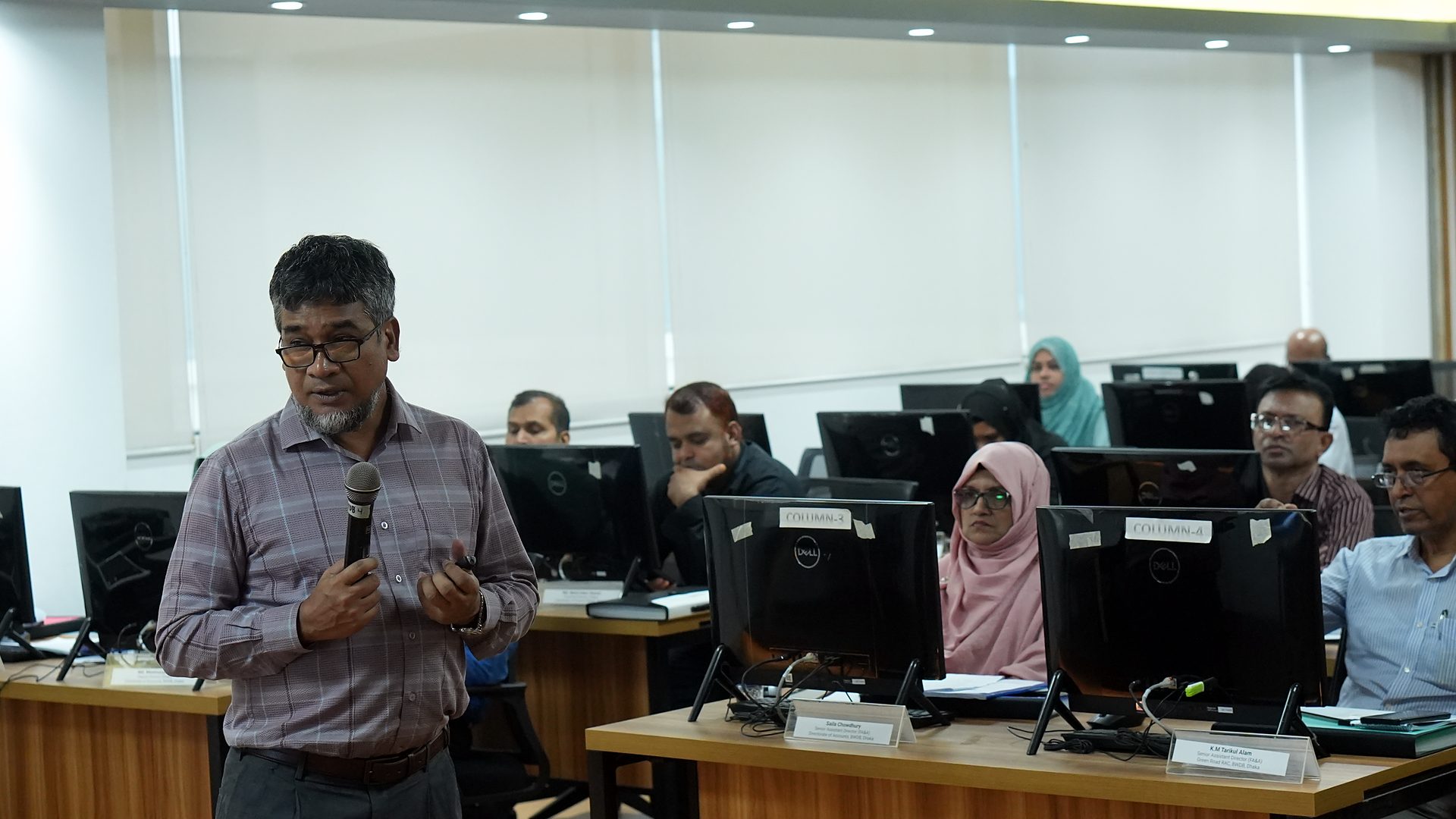
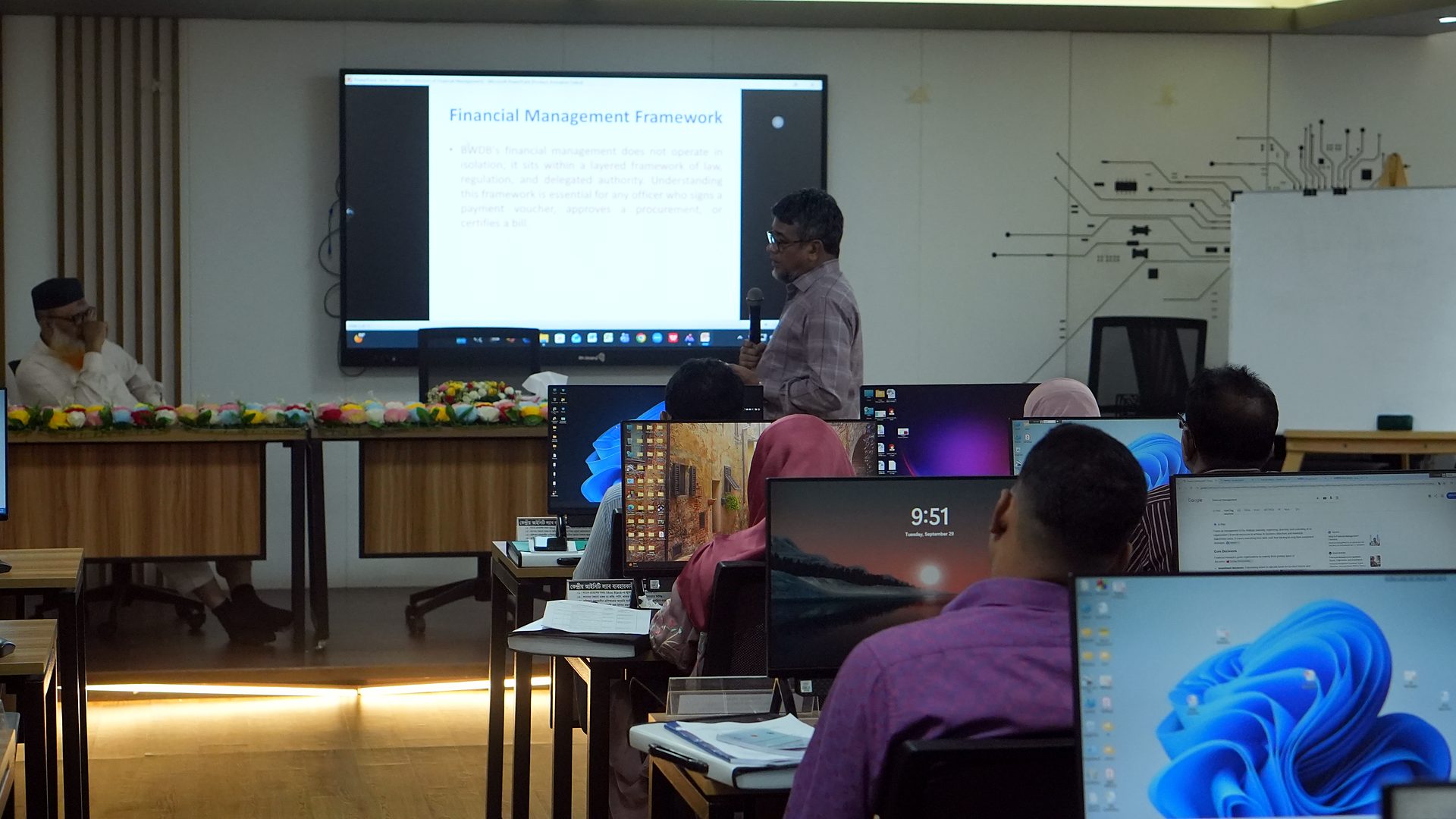
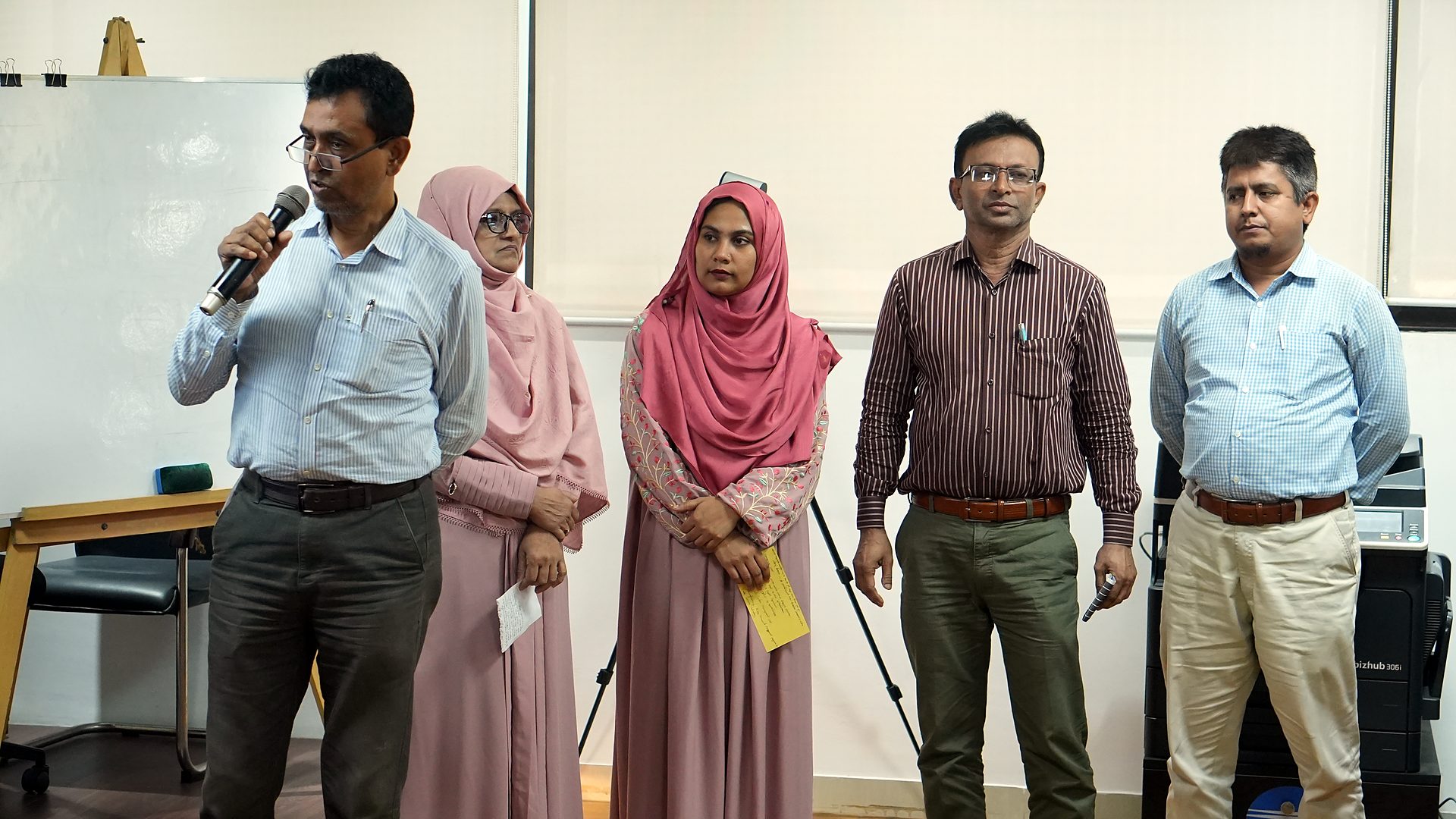
Group Presentations
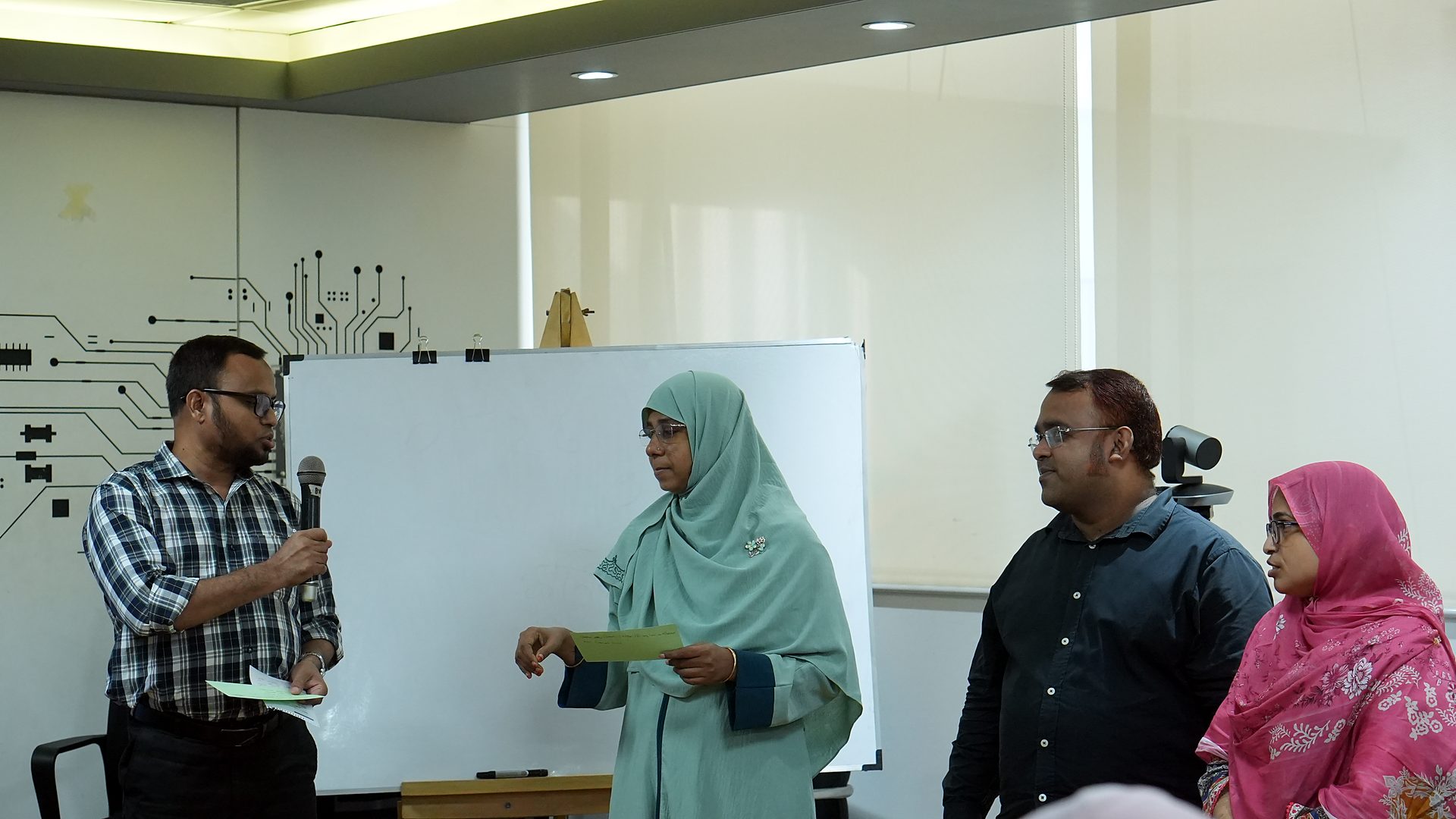
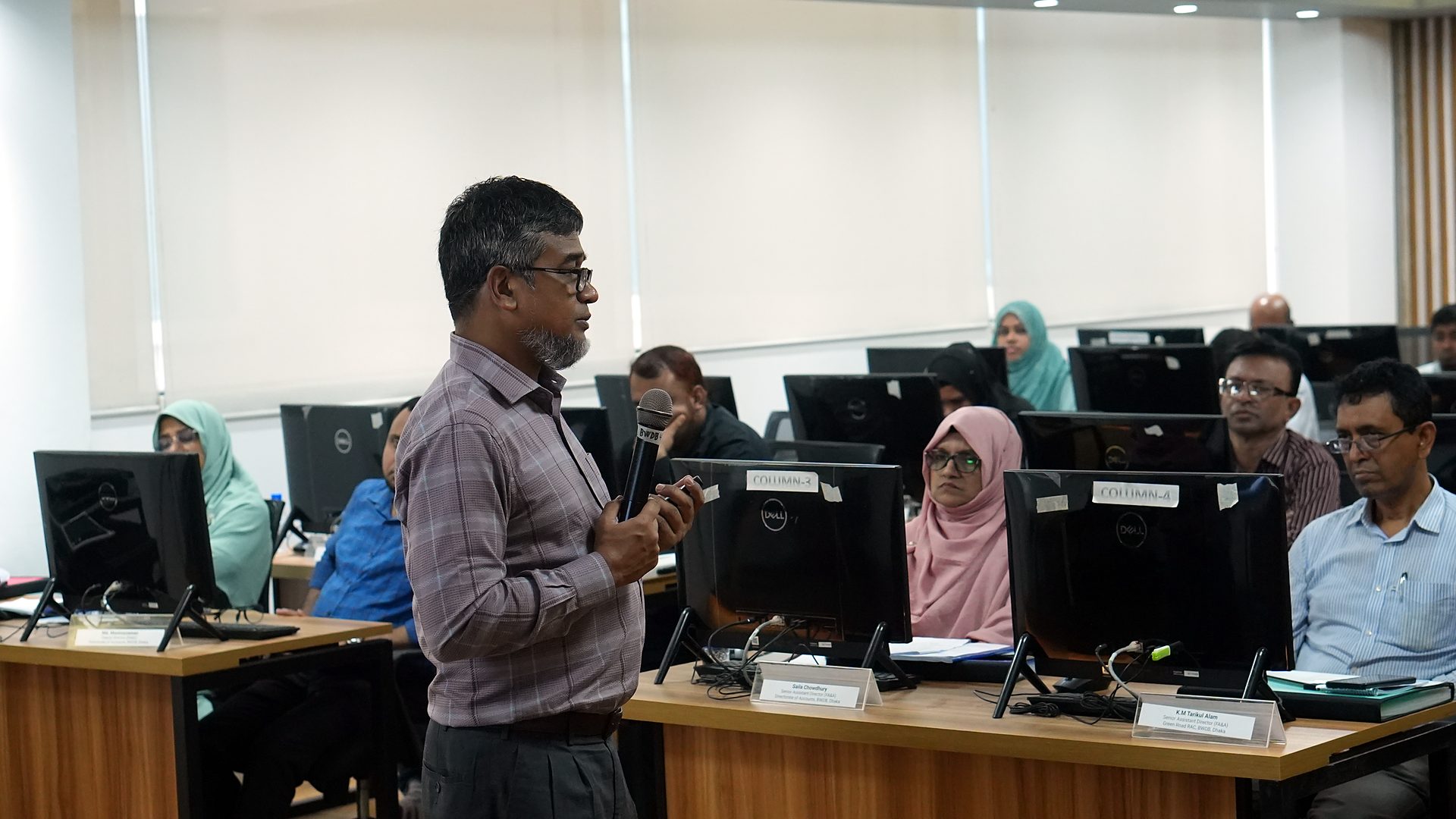
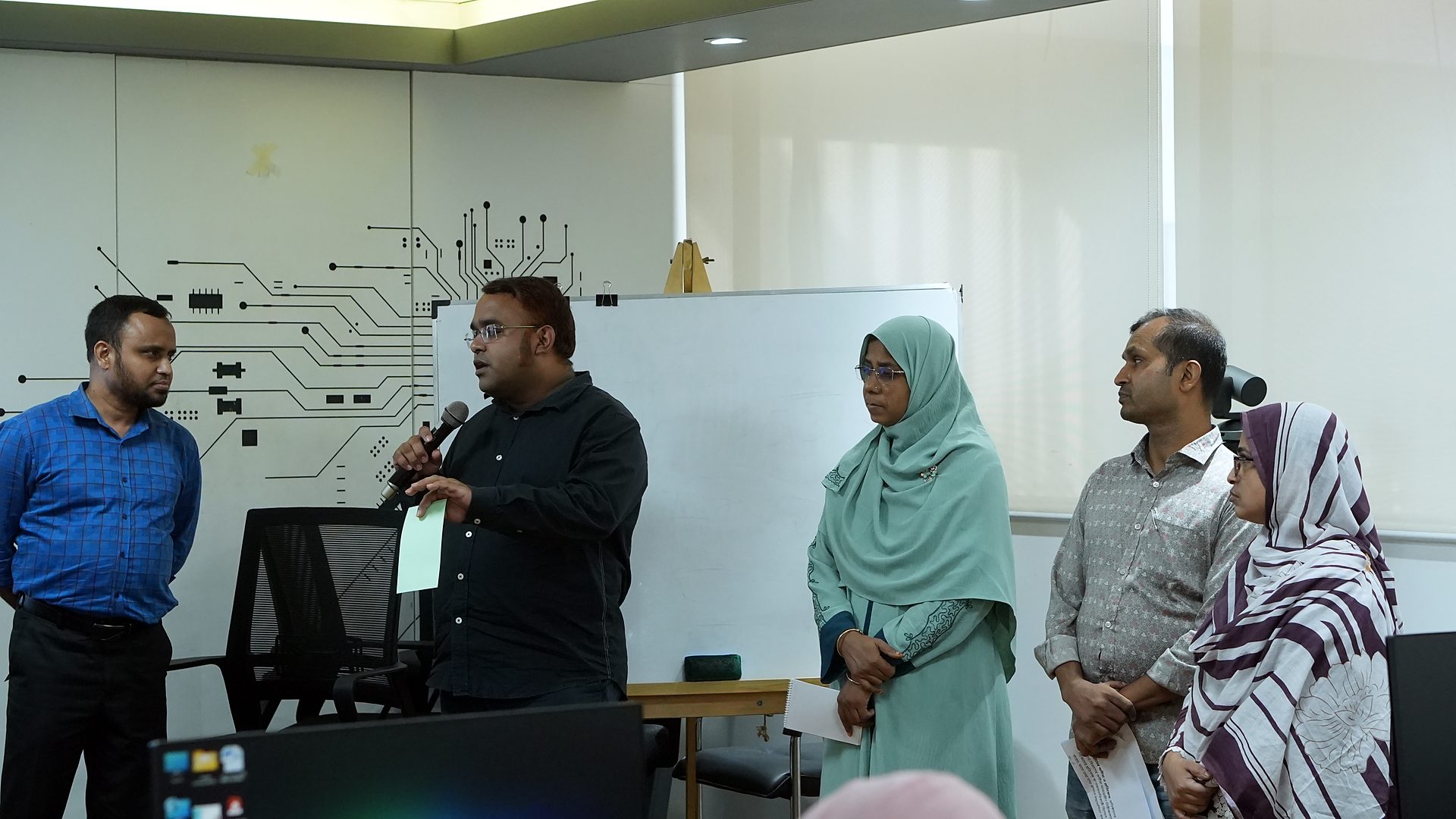
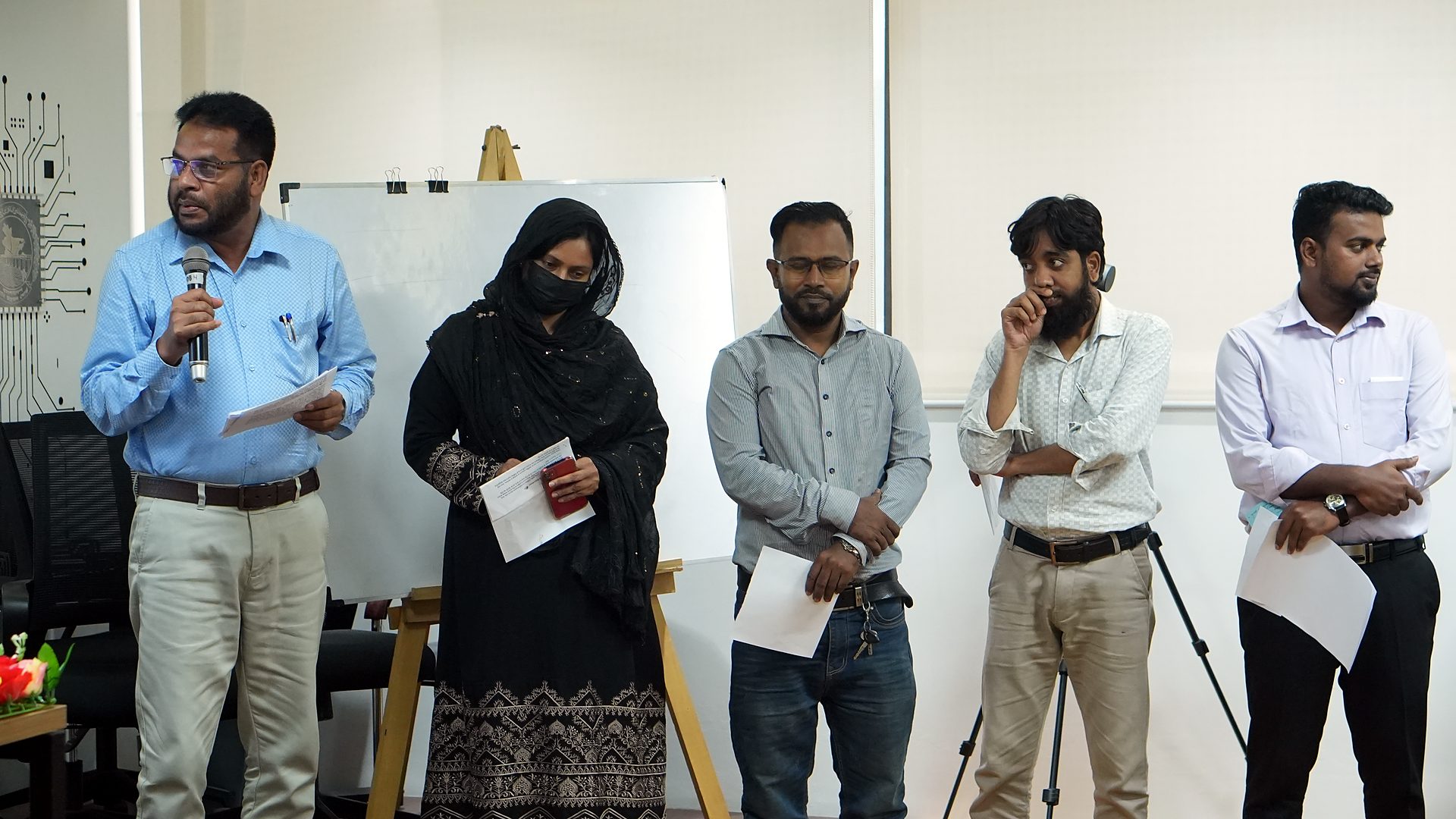
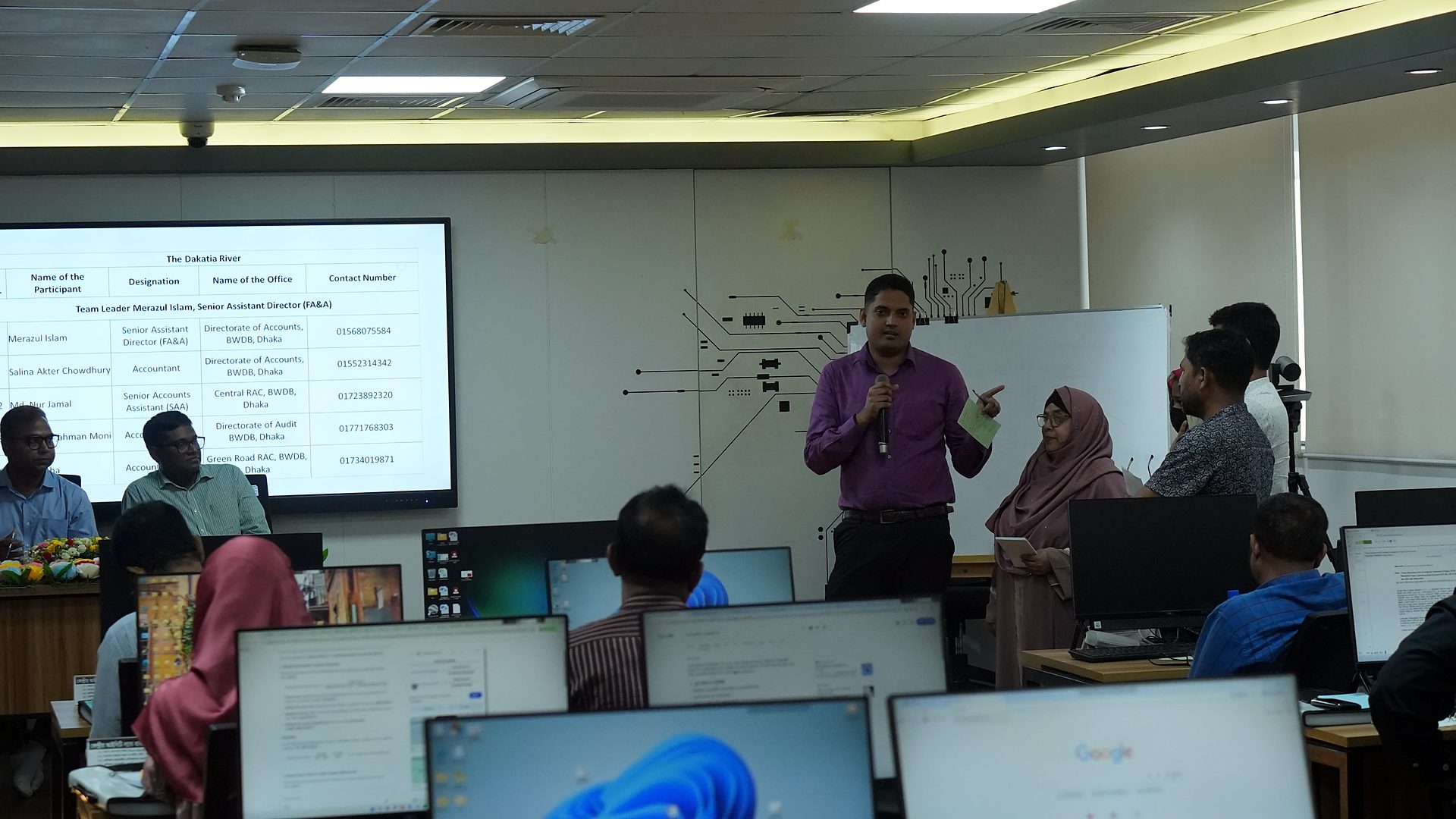
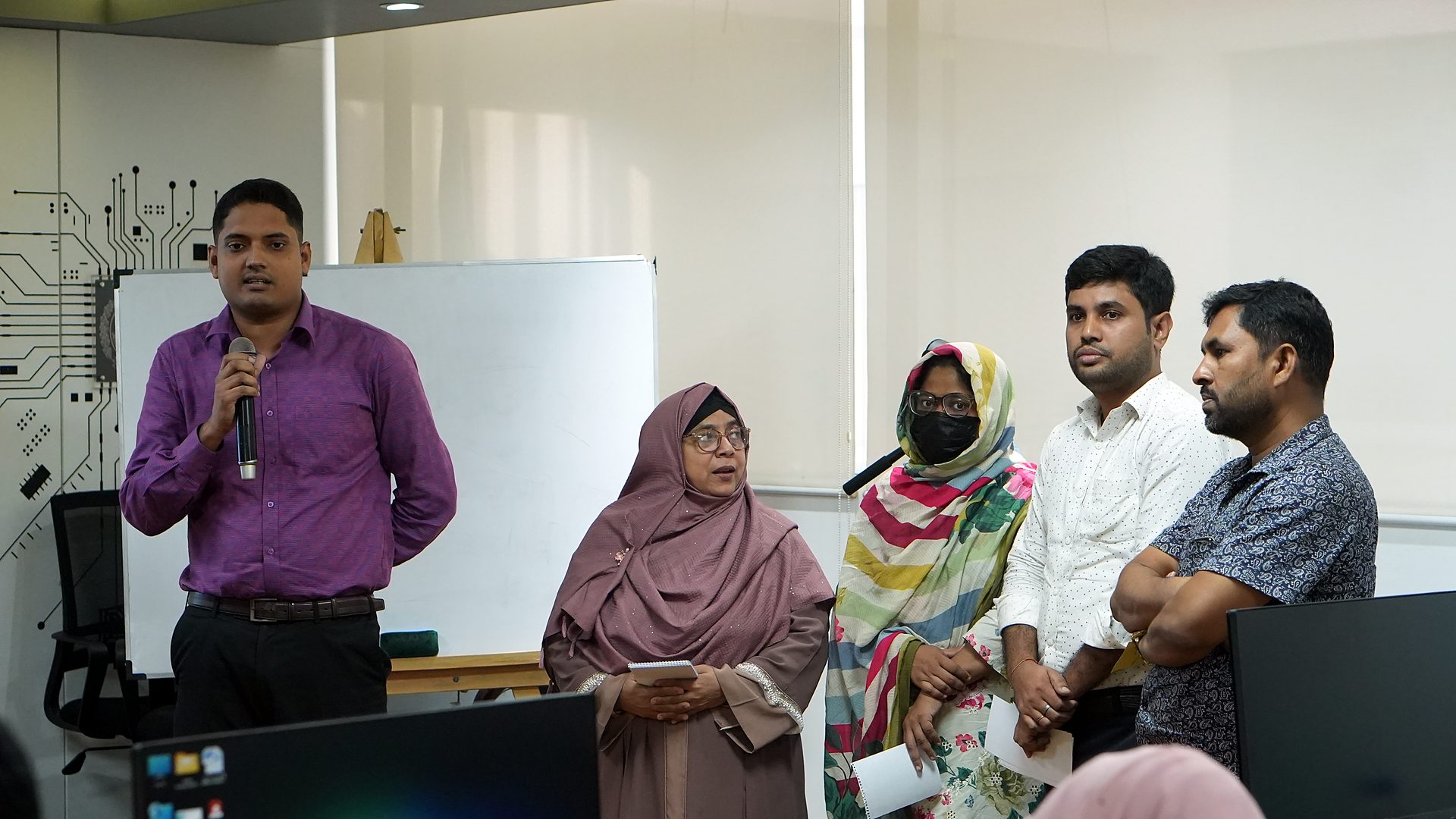
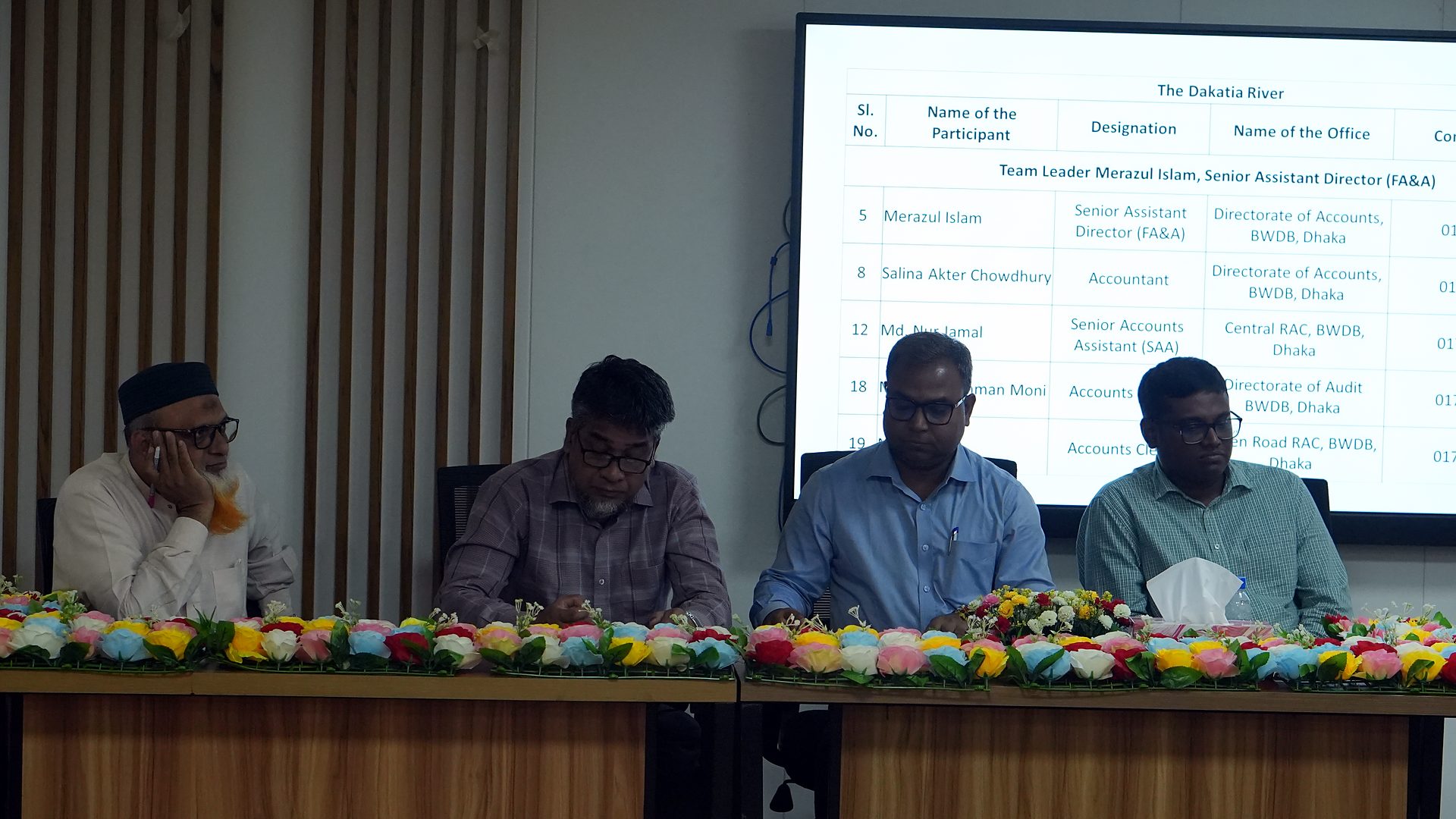
Participants worked in teams named after rivers, each with a team leader — among them K.M Tarikul Alam and Merazul Islam, Senior Assistant Directors (FA&A) — and presented their group work back to the class and the dais.
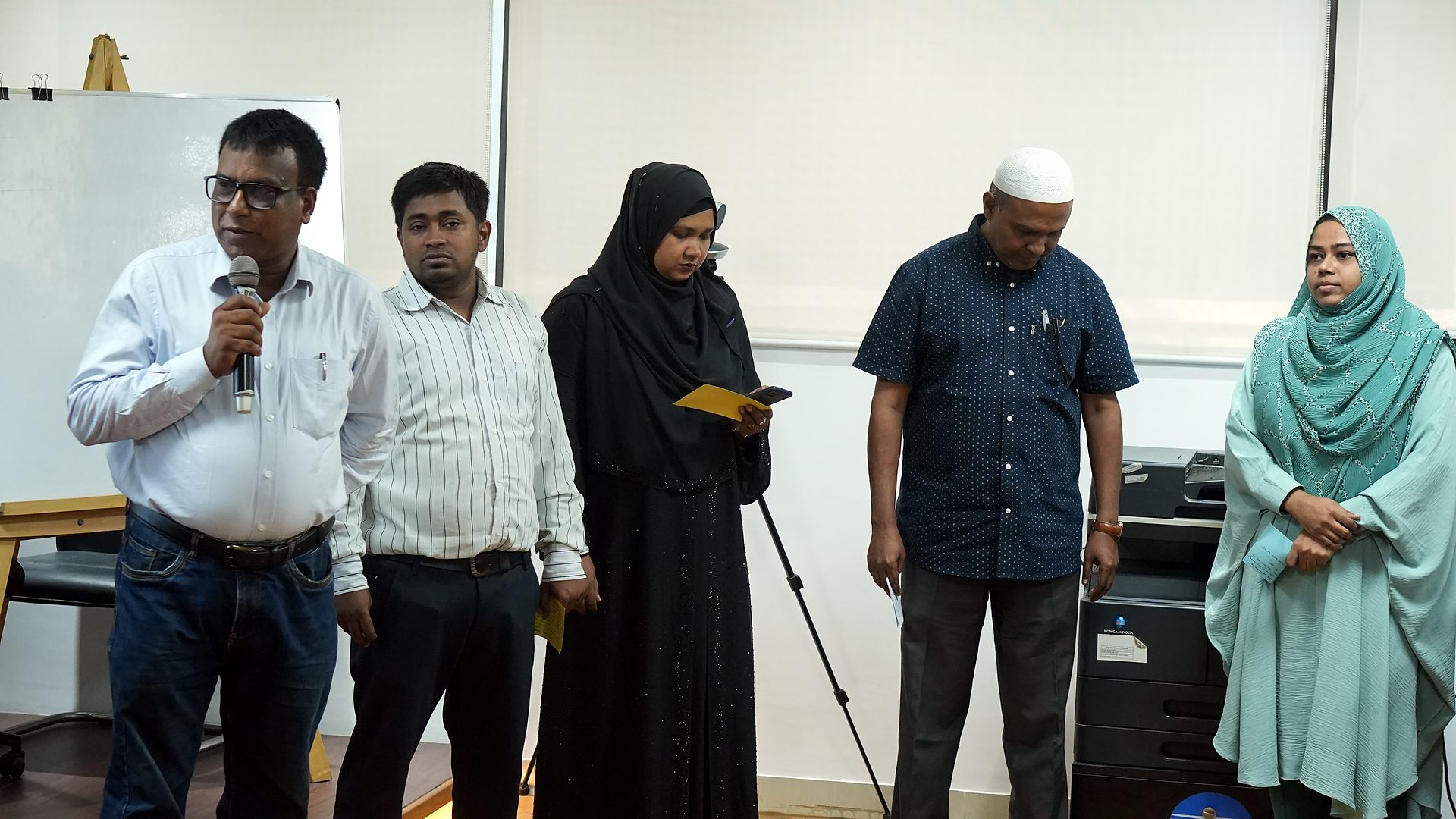
Who Was in the Room
The cohort came from twelve offices, concentrated in the places where BWDB’s money is recorded and checked: four participants each from the Directorates of Accounts and Audit, four from the Green Road Regional Accounting Centre and three from the Central RAC, two from the Directorate of Finance, and others from the Dhaka and M/E RACs, the Construction and Instrumentation Division and the office of the Additional Director General (Finance). Two travelled in from the Manikganj Water Development Division and the Dhaka Mechanical (Pump House) Division in Narayanganj.
Full Participant Roster
Deputy Director (FA&A)
Directorate of Accounts, BWDB, DhakaSenior Assistant Director (FA&A)
Directorate of Audit, BWDB, DhakaSenior Assistant Director (FA&A)
Directorate of Audit, BWDB, DhakaSenior Assistant Director (FA&A)
Green Road RAC, BWDB, DhakaSenior Assistant Director (FA&A)
Directorate of Accounts, BWDB, DhakaSenior Assistant Director (FA&A)
Directorate of Accounts, BWDB, DhakaAssistant Director (FA&A)
Directorate of Finance, BWDB, Dhaka.Accountant
Directorate of Accounts, BWDB, DhakaAccountant
Directorate of Finance, BWDB, DhakaAssistant Accountant
Green Road RAC, BWDB, DhakaSenior Accounts Assistant (SAA)
Construction and Instrumentation Division, BWDB, DhakaSenior Accounts Assistant (SAA)
Central RAC, BWDB, DhakaSenior Accounts Assistant (SAA)
Manikganj WD Division, BWDB, ManikganjSenior Accounts Assistant (SAA)
Central RAC, BWDB, DhakaSenior Accounts Assistant (SAA)
Central RAC, BWDB, DhakaSenior Accounts Assistant (SAA)
Dhaka RAC, BWDB, DhakaAccounts Cleark
Directorate of Audit, BWDB, DhakaAccounts Cleark
Directorate of Audit BWDB, DhakaAccounts Cleark
Green Road RAC, BWDB, DhakaAccounts Cleark
Construction and Instrumentation Division, BWDB, DhakaAccounts Cleark
ME RAC, BWDB, DhakaAccounts Cleark
Dhaka Mechanical (Pump House) Division, BWDB, NarayanganjData Entry Operator (DEO)
Greenroad RAC, BWDB, DhakaOffice Assistant cum Computer Typist
Directorate of Human Resource Development, BWDB, DhakaStenographer/PA
Additional Director General (Finance), BWDB, DhakaContinuity across the programme: three of the Senior Assistant Directors — Md. Abul Kalam Mazumder, Md. Lokman Hossain Gazi and K.M Tarikul Alam — had attended the second Package 22 Project Management course in July, and Md. Abul Kalam Mazumder also the Quality Control and Construction Management course in September. Merazul Islam went on to the second Climate-Smart Agriculture and Water Management course in October.
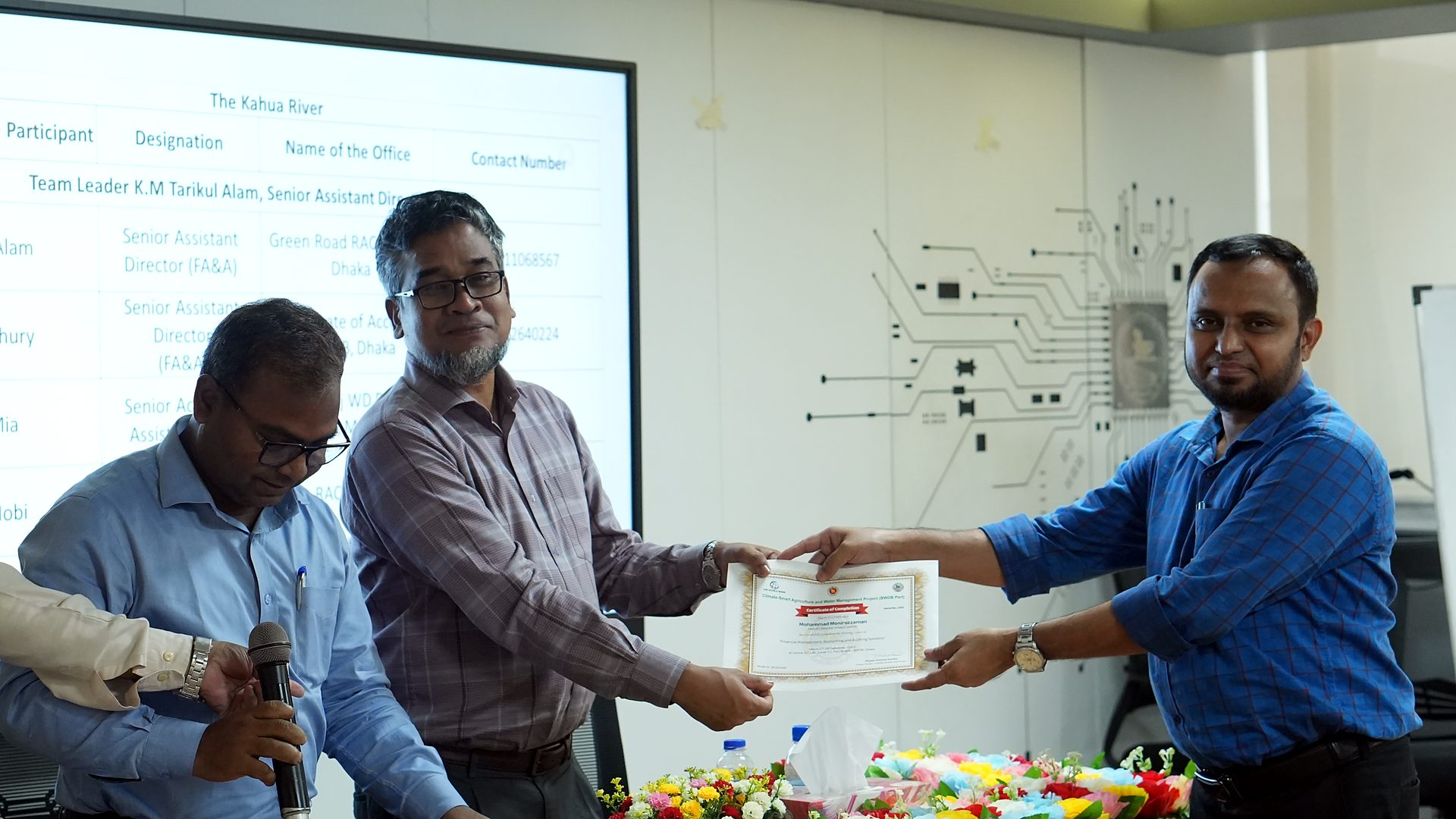
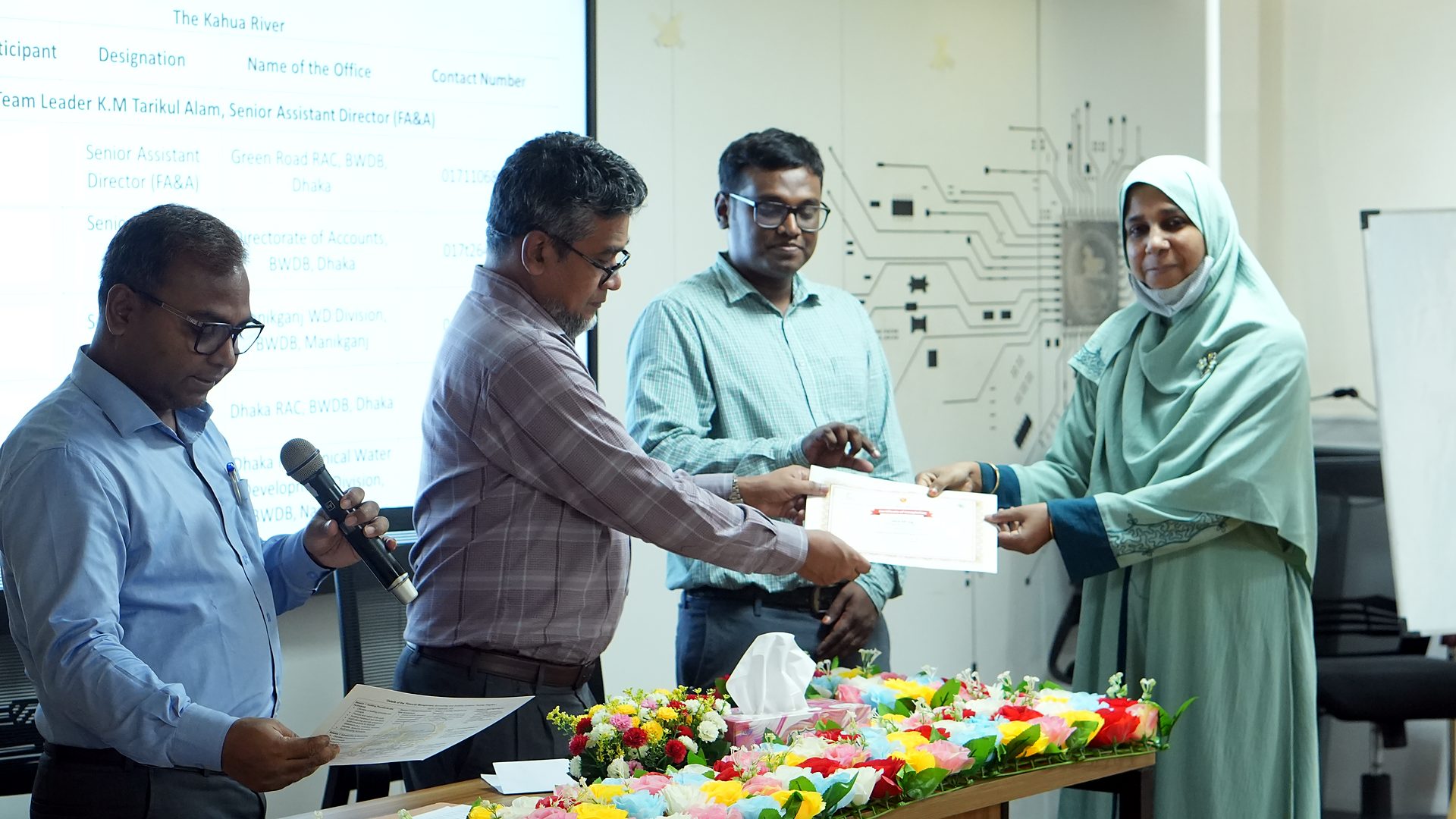
Closing Ceremony & Certification
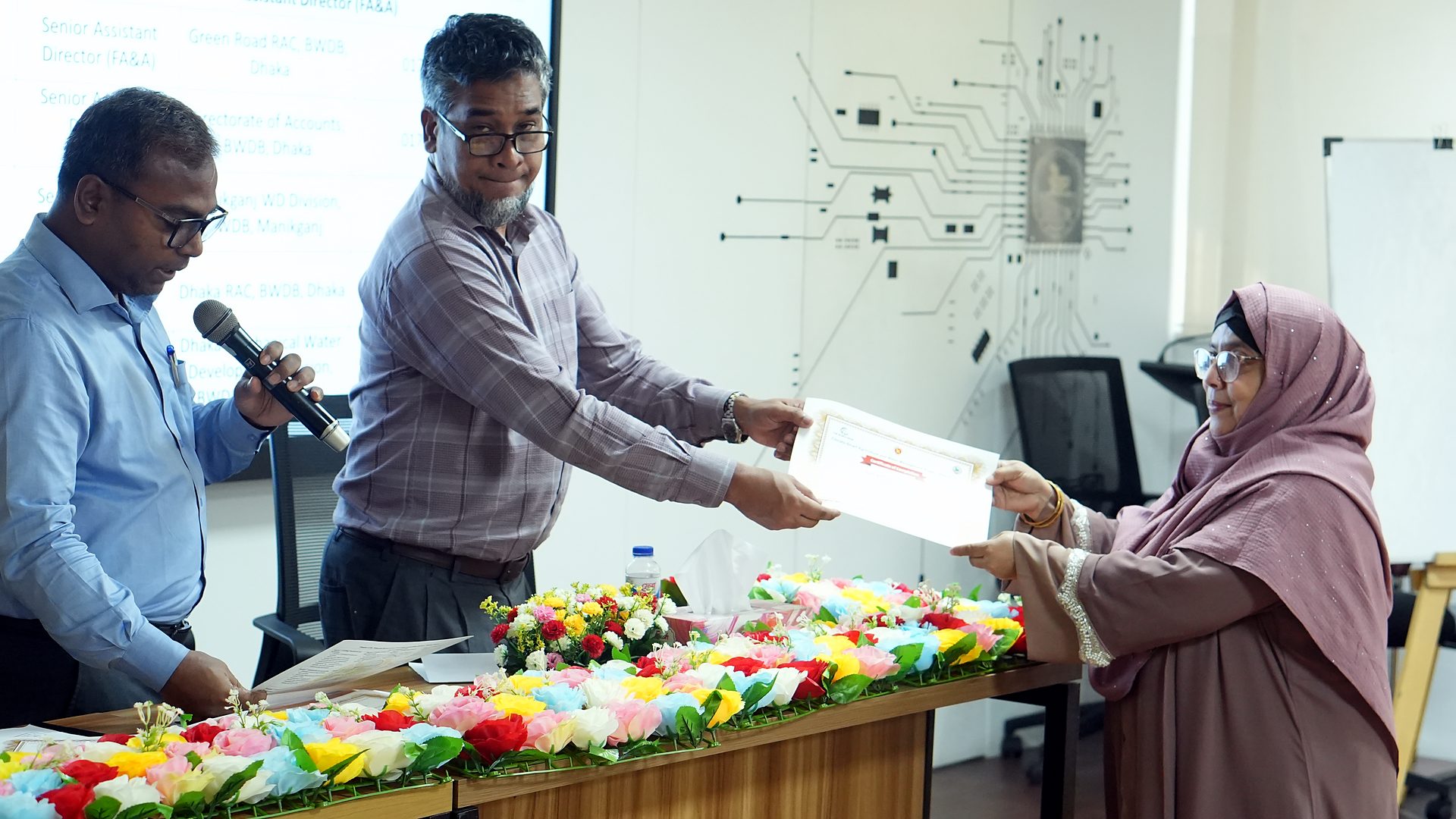
The course closed on the afternoon of 29 September 2026 with the post-evaluation, the participants’ course evaluation and the distribution of certificates.
The Course in Pictures
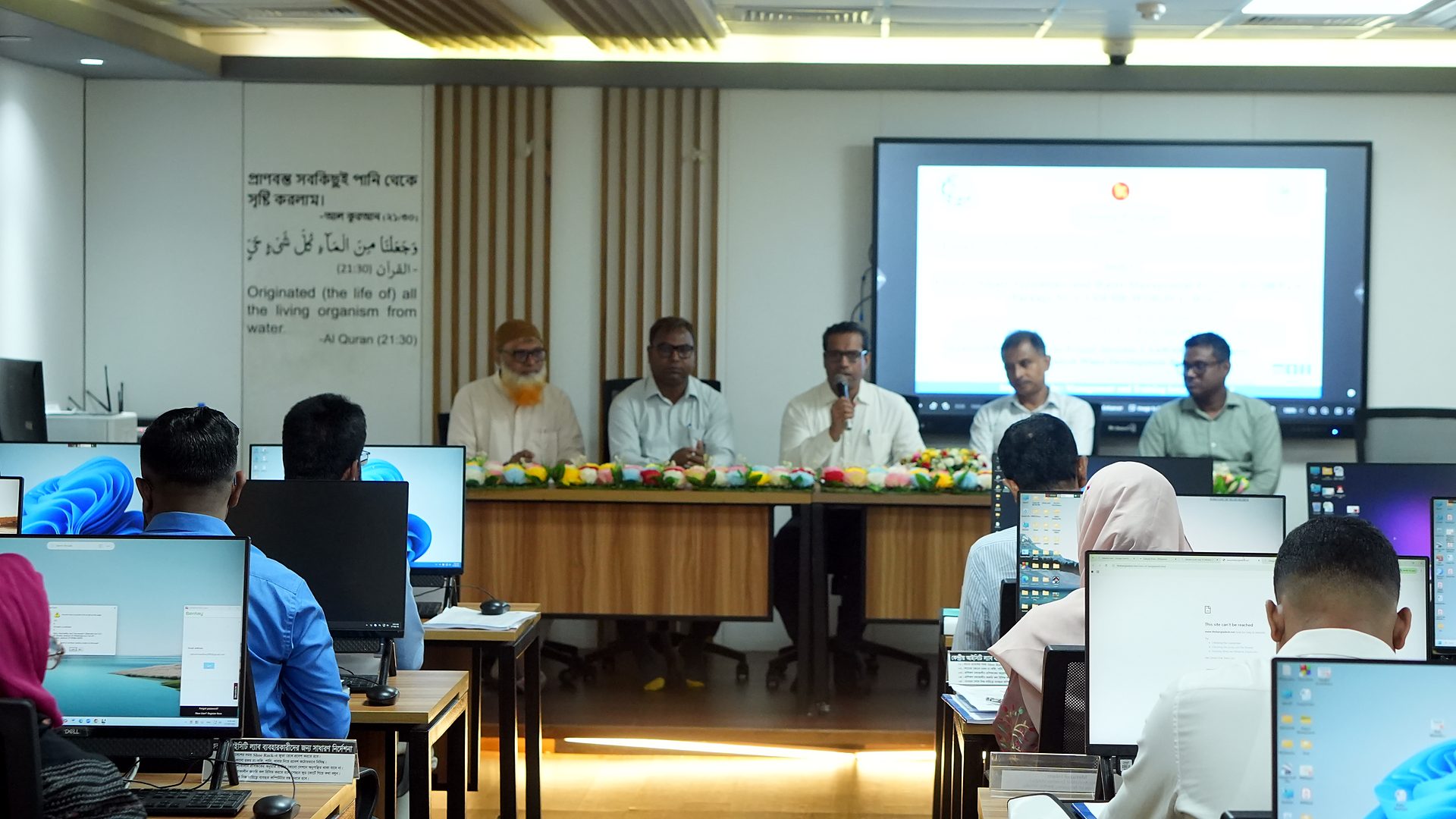
Sixteen further photographs from the three days at the Central ICT Lab, Pani Bhaban.
Why This Matters
In a public organisation the finance cadre is the last line of control: the person who records a payment, reconciles an account or answers an audit query is often the only one who sees a problem in time to fix it. Their training is easy to overlook because their work is invisible when it is done well.
Running the same course twice — once for engineers, once for the finance cadre, and in reverse order for each — gives the Climate-Smart Agriculture and Water Management Project both ends of the same chain. Engineers who understand what an auditor will ask, and accounts officers who understand how a budget was built, make fewer of the mistakes that turn into audit objections.
More from this Programme
Programme Snapshot
| Field | Detail |
|---|---|
| Course Title | Financial Management, Accounting and Auditing Systems |
| Reference | CSAWMP-WDB-PCU-WD-21-7-FM-02 — Package 21, Batch 7 (Course ID FA&A-02) |
| Duration | 3 days — 27 to 29 September 2026 |
| Venue | Central ICT Lab (Level-11), Pani Bhaban, BWDB, 72 Green Road, Dhaka-1205 |
| Participants | 25 officials of the Bangladesh Water Development Board — 22 from finance, accounts and audit |
| Ministry | Ministry of Water Resources, Government of the People’s Republic of Bangladesh |
| Implementing Agency | Bangladesh Water Development Board (BWDB) |
| Project | Climate-Smart Agriculture and Water Management Project (CSAWM Project), BWDB Part |
| Project Director | Pijush Krishna Kundu, Additional Chief Engineer (Civil) |
| Course Coordinator | Muhammad Shahid Shikdar, System Analyst, Directorate of Central ICT |
| Sessions | 12 technical sessions across 3 days, four sessions per day |
| Resource Persons | The Directors of BWDB’s Directorates of Audit, Accounts and Finance |
| Training Service Provider | Management and Training International Ltd. (MTI Ltd.) |
Frequently Asked Questions
How was this batch different from the first Financial Management, Accounting and Auditing batch?
The first batch (August 2026) was mostly engineers and ran finance, then accounting, then audit. This second batch was 22 finance, accounts and audit staff out of 25, and the day order was reversed: auditing on Day 1, accounting on Day 2 and financial management on Day 3.
Who taught the course?
Chandan Kumar Das, Director of the Directorate of Audit (Day 1); A.M.M. Farid Uddin Chowdhury, Director of the Directorate of Accounts (Day 2); and Farid Ahmed Khan, Director of the Directorate of Finance (Day 3). The Project Director, Pijush Krishna Kundu, opened and closed the course.
Who attended the training?
Twenty-five BWDB officials from twelve offices: a Deputy Director, five Senior Assistant Directors and an Assistant Director (FA&A), two Accountants, an Assistant Accountant, six Senior Accounts Assistants and six Accounts Clerks, plus a Data Entry Operator, an Office Assistant cum Computer Typist and a Stenographer/PA.
Where and when was the training held?
At the Central ICT Lab, Level-11, Pani Bhaban, 72 Green Road, Dhaka, from 27 to 29 September 2026.
Who funded and organised the course?
The course was funded by the Climate-Smart Agriculture and Water Management Project (CSAWM Project), BWDB Part, under the Bangladesh Water Development Board, Ministry of Water Resources. MTI Ltd. served as the training service provider under reference CSAWMP-WDB-PCU-WD-21-7-FM-02.
How many batches are planned under Package 21 and Package 22?
75 batches in total: 40 under Package 21 and 35 under Package 22. Eight of the Package 21 batches are Financial Management, Accounting and Auditing courses; this was the second.