Second CSAWM Batch: BWDB Officials Trained on IWRM, GIS/IoT and Climate-Resilient Irrigation
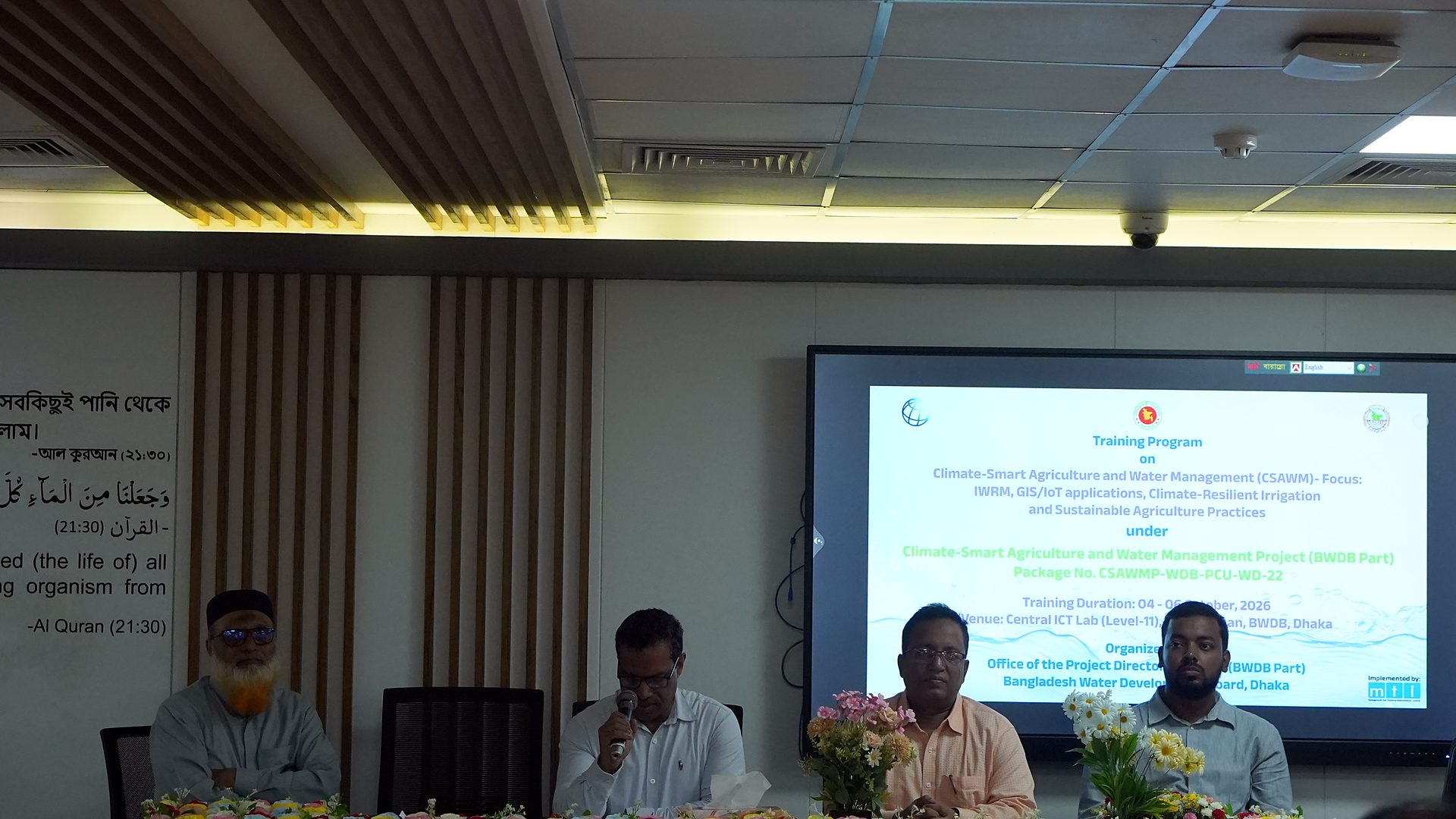
Management and Training International (MTI) Ltd. conducted the second running of the three-day course on Climate-Smart Agriculture and Water Management (CSAWM) — IWRM, GIS/IoT applications, climate-resilient irrigation and sustainable agriculture practices from 4 to 6 October 2026 at the Central ICT Lab, Level-11, Pani Bhaban, BWDB, Dhaka. Twenty-five officials of the Bangladesh Water Development Board (BWDB), under the Ministry of Water Resources, took part — the seventh batch under Package 22 of the Climate-Smart Agriculture and Water Management Project (CSAWM Project), BWDB Part.
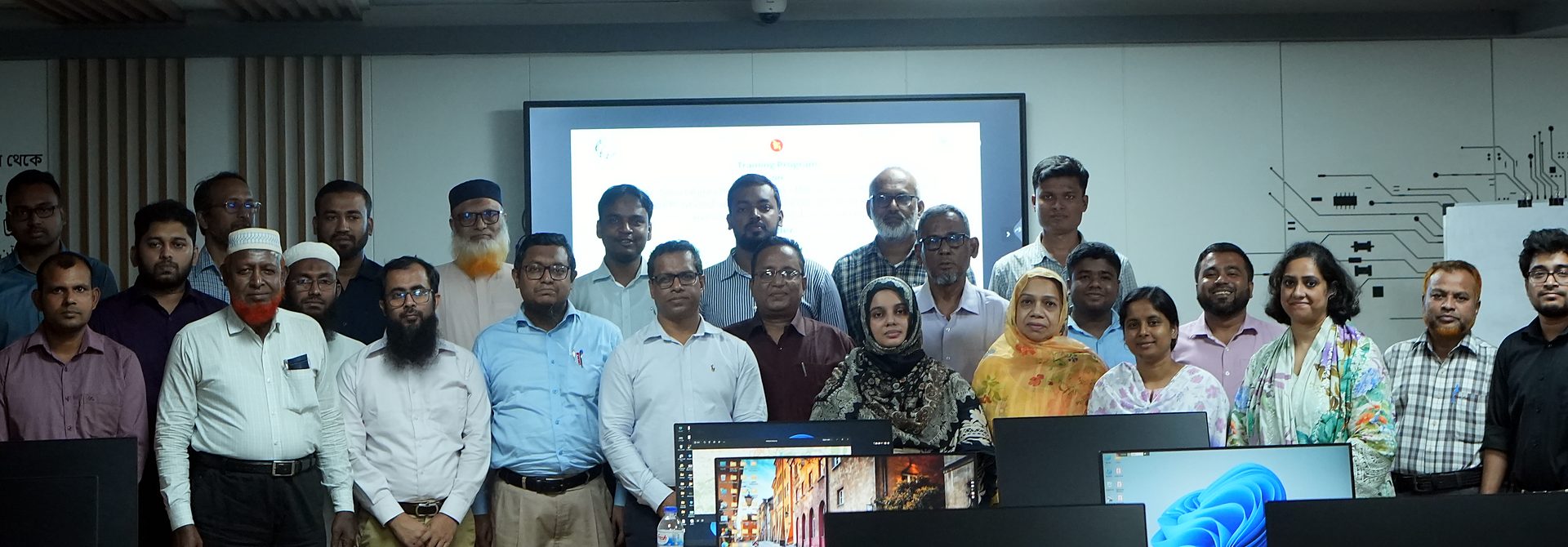
About the engagement: Under reference CSAWMP-WDB-PCU-WD-22-7-CSAWM-02 (Course ID CSAWMP-WDB-PCU-WD-22/CSAWM-02), MTI Ltd. is delivering the Package 22 training programme for the Climate-Smart Agriculture and Water Management Project (BWDB Part), implemented by the Bangladesh Water Development Board under the Ministry of Water Resources. The course was authorised by Office Order Memo Nos. 42.01.0000.000.647.25.0010.26-423 (course module) and 26-424 (participants), both dated 1 October 2026, following the Director General’s D-Nothi approval (Para 7.3) of the same date.
The Course That Names the Project, Run Again
Of all the courses in the programme, this is the one that carries the project’s own name, and it is built on the same three-scale logic as the July batch: the basin on Day 1 (how water is shared, balanced and protected across a catchment), the data on Day 2 (how it is mapped, sensed and monitored), and the field on Day 3 (how it reaches a crop efficiently under a changing climate).
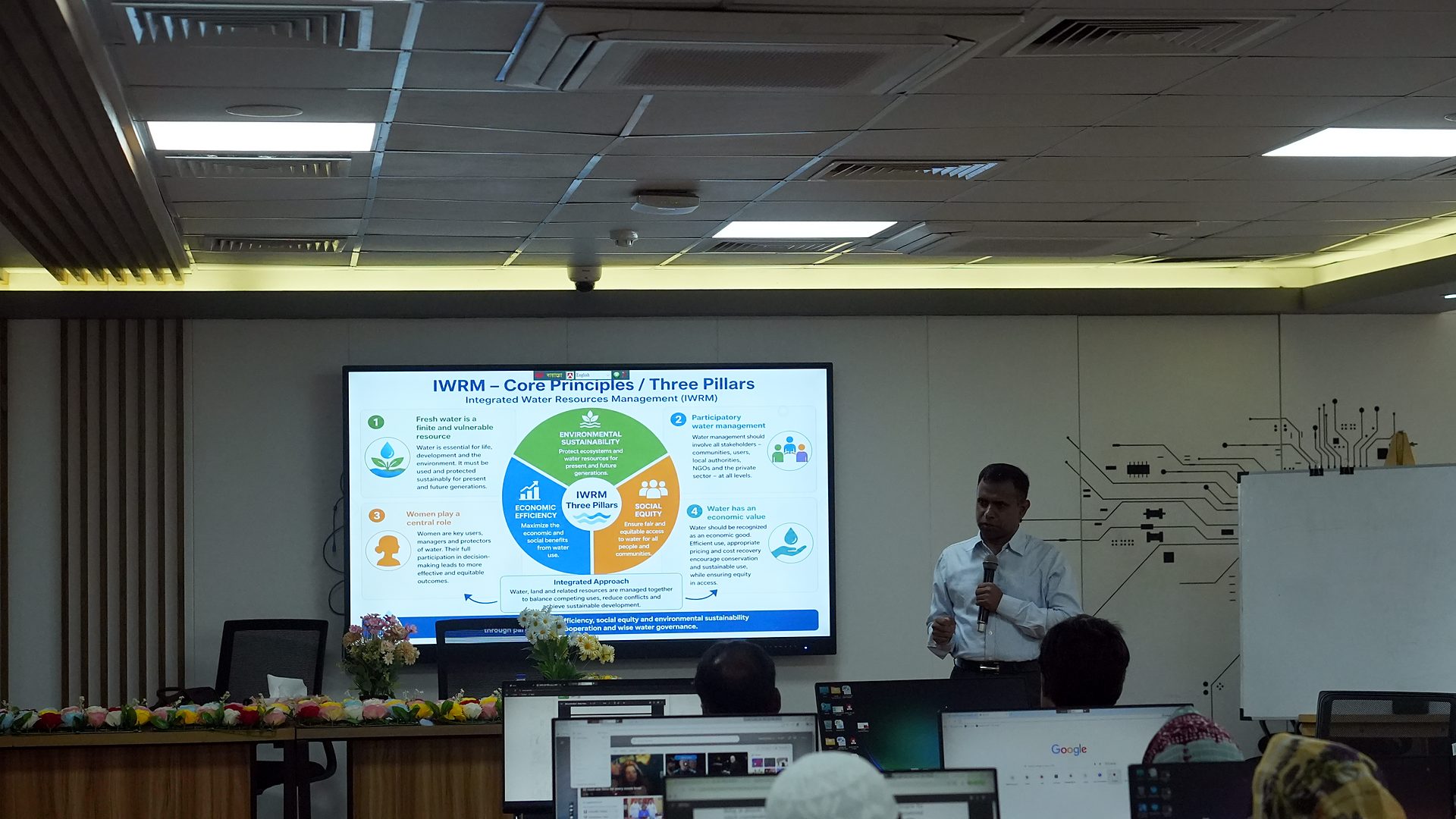
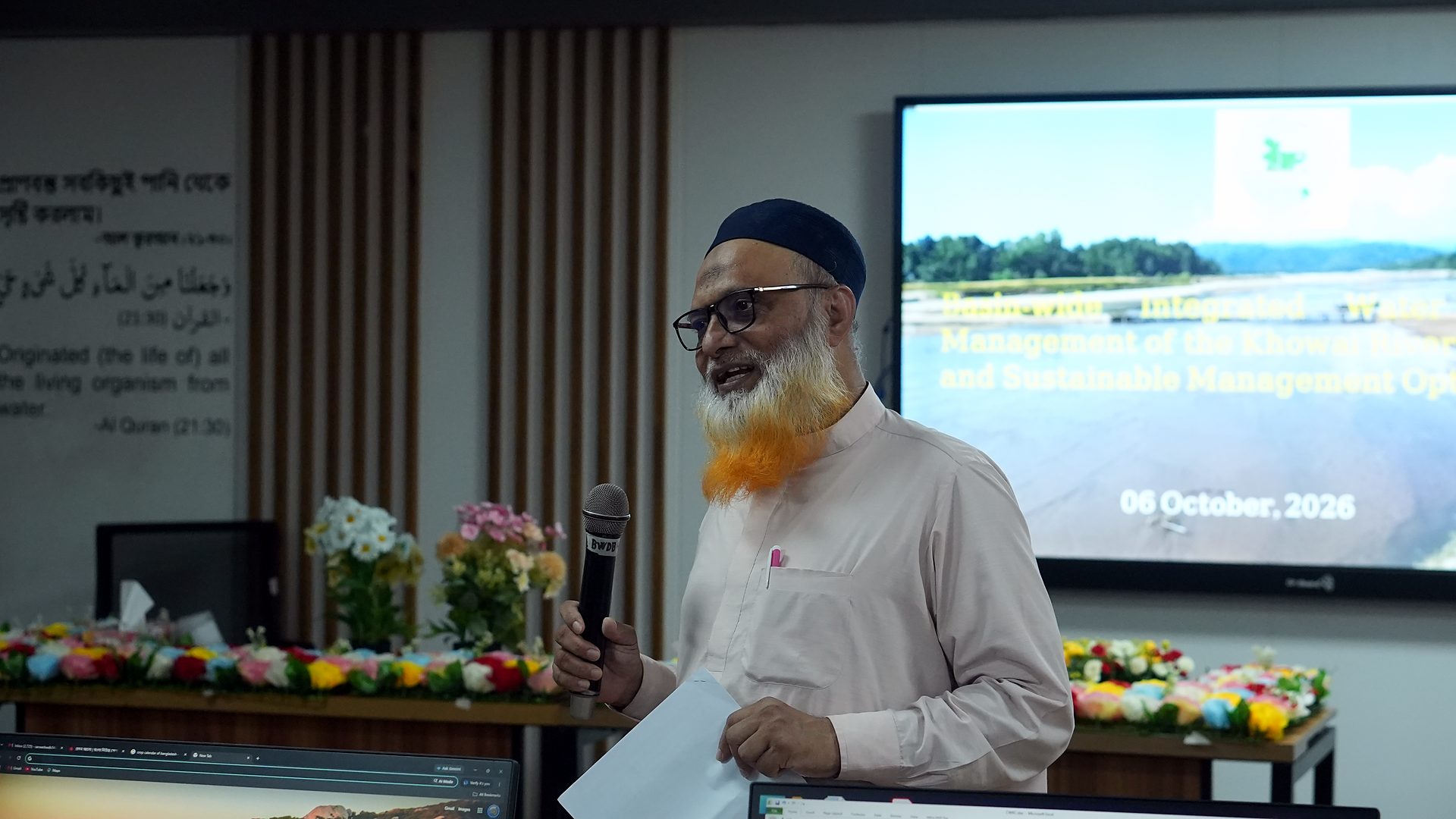
Two things changed for the second running. The Project Director took the opening IWRM session himself, setting out the principles and basin-planning framework before the Surface Water Hydrology Circle’s Superintending Engineer took the rest of Day 1. And the closing review passed to the Board’s Chief Water Management (PRL), who ran it as team presentations on real basins — the Gumti among them.
Where the Two Halves of the Project Meet
The CSAWM Project has a BWDB Part and a Department of Agricultural Extension (DAE) Part, and this course is where they teach together. Days 1 and 2 were taught by BWDB; Day 3 was taught by the DAE side — its Agricultural Engineer on efficient irrigation, scheduling, salinity and conjunctive use, and its Project Director on sustainable agriculture practices. Water engineers who build the canal heard, from the agency that works with the farmer at its tail end, what happens to the water after it leaves the structure.
Additional Chief Engineer (Civil) & Project Director
CSAWM Project (BWDB Part)
Superintending Engineer (Civil)
Surface Water Hydrology Circle, BWDB
Executive Engineer (Civil)
Office of the Director General, BWDB
Agricultural Engineer
CSAWM Project (DAE Part), DAE
Project Director
CSAWM Project (DAE Part), DAE
Chief Water Management (PRL)
Bangladesh Water Development Board
Course Leadership
Deputy Chief Extension Officer
CSAWM Project (BWDB Part)
Sub-Divisional Engineer (Civil)
CSAWM Project (BWDB Part)
Executive Engineer (Civil)
CSAWM Project (BWDB Part)
Managing Director
Management and Training International Ltd.
Twelve Blocks, Three Scales
Principles & Basin Planning
Cross-sector integration, national water governance, catchment analysis and allocation planning.
Participation & Water Budgets
Community engagement, multi-agency coordination, inflow–outflow accounting and sectoral demand.
Groundwater & Extremes
Recharge and discharge, sustainable abstraction, and flood and drought management.
E-flow & Conflict
Environmental flow, wetland conservation and the resolution of water-sharing disputes.
GIS & Remote Sensing
Spatial data, layers and thematic maps; satellite imagery and change detection.
Hydrological & Asset Mapping
Watershed delineation, runoff simulation, asset inventory and condition assessment.
IoT & Smart Irrigation
Sensor networks and telemetry; automated control and soil-moisture sensing.
Decision Support & Disaster Risk
Integrated decision support systems; flood mapping, hazard zonation and early warning.
Efficient Irrigation & Scheduling
Drip and sprinkler systems; crop-water requirement and climate-based scheduling.
Salinity & Conjunctive Use
Drainage design, salinity control, and combining surface and groundwater.
Sustainable Agriculture
Crop diversification, resilient varieties, soil and nutrient management, eco-friendly pest control and nature-based solutions.
Review & Post-Evaluation
Team presentations of each day’s key learnings, then the post-evaluation.
Day-by-Day Course Schedule
Participants reported to the Central ICT Lab at 08:30 on the first morning and at 09:00 on the following two days. Each day ran four sessions and closed at 16:00.
- 08:30–09:20 Inauguration of the Training Course Registration and breakfast; introduction of participants; objectives and detailed agenda; participants’ expectations; pre-evaluation; a brief introduction to the CSAWM Project (BWDB Part). Methods: self-introduction, questionnaire, lecture discussion. Pijush Krishna Kundu Project Director, CSAWM Project (BWDB Part), with the course management team
- 09:20–10:40 Session 1 — IWRM Principles & Framework; Basin and Sub-Basin Planning Principles and framework: integration across sectors; policy alignment with national water governance. Basin and sub-basin planning: catchment analysis and allocation planning. Methods: case-based learning in the Bangladesh context. Pijush Krishna Kundu Project Director, CSAWM Project (BWDB Part)
- 10:40–10:50 Refreshment and tea break
- 10:50–12:10 Session 2 — Stakeholder Participation & Governance; Water Balance & Budgeting Participation and governance: community engagement; multi-agency institutional coordination. Water balance and budgeting: water accounting of inflow and outflow; sectoral demand assessment. Methods: case-based learning, group work. A.B.M. Khan Mozahedy Superintending Engineer (Civil), Surface Water Hydrology Circle, BWDB
- 12:10–13:30 Session 3 — Surface–Groundwater Interaction; Flood and Drought Management Surface–groundwater: recharge and discharge; sustainable aquifer abstraction. Flood and drought: managing both extremes in an integrated plan. Methods: case-based learning, problem-solving. A.B.M. Khan Mozahedy Superintending Engineer (Civil), Surface Water Hydrology Circle, BWDB
- 13:30–14:20 Lunch and prayer break
- 14:20–15:40 Session 4 — Environmental Flow & Ecosystem Protection; Conflict Resolution & Water Sharing Environmental flow: e-flow requirements and wetland conservation. Conflict resolution: resolving disputes over water sharing. Methods: group work and problem-solving. A.B.M. Khan Mozahedy Superintending Engineer (Civil), Surface Water Hydrology Circle, BWDB
- 15:40–16:00 Day review and refreshment
- 09:00–10:20 Session 1 — GIS Fundamentals; Remote Sensing GIS fundamentals: spatial data basics, layer analysis and thematic mapping. Remote sensing: satellite imagery and change detection. Methods: hands-on technical session. Md. Manzur Rahman Executive Engineer (Civil), Office of the Director General, BWDB
- 10:20–10:40 Refreshment and tea break
- 10:40–12:00 Session 2 — Hydrological Mapping & Modelling; Infrastructure Mapping & Asset Management Hydrological mapping: watershed delineation and runoff simulation. Asset management: infrastructure inventory and condition assessment. Methods: hands-on technical session. Md. Manzur Rahman Executive Engineer (Civil), Office of the Director General, BWDB
- 12:00–13:20 Session 3 — IoT for Water Monitoring; Smart Irrigation IoT monitoring: sensor networks and telemetry. Smart irrigation: automated control and soil-moisture sensing. Methods: hands-on technical session. Md. Manzur Rahman Executive Engineer (Civil), Office of the Director General, BWDB
- 13:20–14:20 Lunch and prayer break
- 14:20–15:40 Session 4 — Data Integration & Decision Support; GIS for Disaster Risk Management Decision support: integrating data into decision support systems. Disaster risk: flood mapping, hazard zonation and early warning. Methods: hands-on technical session. Md. Manzur Rahman Executive Engineer (Civil), Office of the Director General, BWDB
- 15:40–16:00 Day review and refreshment
- 09:00–10:20 Session 1 — Efficient Irrigation Techniques; Irrigation Scheduling under Climate Variability Efficient irrigation: drip and sprinkler systems. Scheduling: crop-water requirement and climate-based irrigation scheduling. Methods: lecture, worked examples. Engr. Mofazzal Hossain Agricultural Engineer, CSAWM Project (DAE Part), Department of Agricultural Extension
- 10:20–10:40 Refreshment and tea break
- 10:40–12:00 Session 2 — Salinity & Waterlogging Management; Conjunctive Water Use Salinity and waterlogging: drainage design and salinity control. Conjunctive use: combining surface water and groundwater. Methods: lecture, discussion. Engr. Mofazzal Hossain Agricultural Engineer, CSAWM Project (DAE Part), Department of Agricultural Extension
- 12:00–13:20 Session 3 — Sustainable Agriculture Practices Crop diversification and climate-resilient varieties; soil management, water conservation and nutrient management; eco-friendly pest control; the ecosystem approach and nature-based solutions. Methods: lecture, discussion. Khandakar Mohammad Rashed Iftekher Project Director, CSAWM Project (DAE Part), Department of Agricultural Extension
- 13:20–14:20 Lunch and prayer break
- 14:20–15:40 Session 4 — Review of the Training Course A structured review of the three days and the key learnings from each, presented by participant teams. Methods: group discussion, team presentations. Md. Enamur Rahman Chief Water Management (PRL), BWDB
- 15:40–16:00 Closing ceremony — post-evaluation, course evaluation and certificate distribution Pijush Krishna Kundu Project Director, CSAWM Project (BWDB Part), with the course management team
Training Methodology
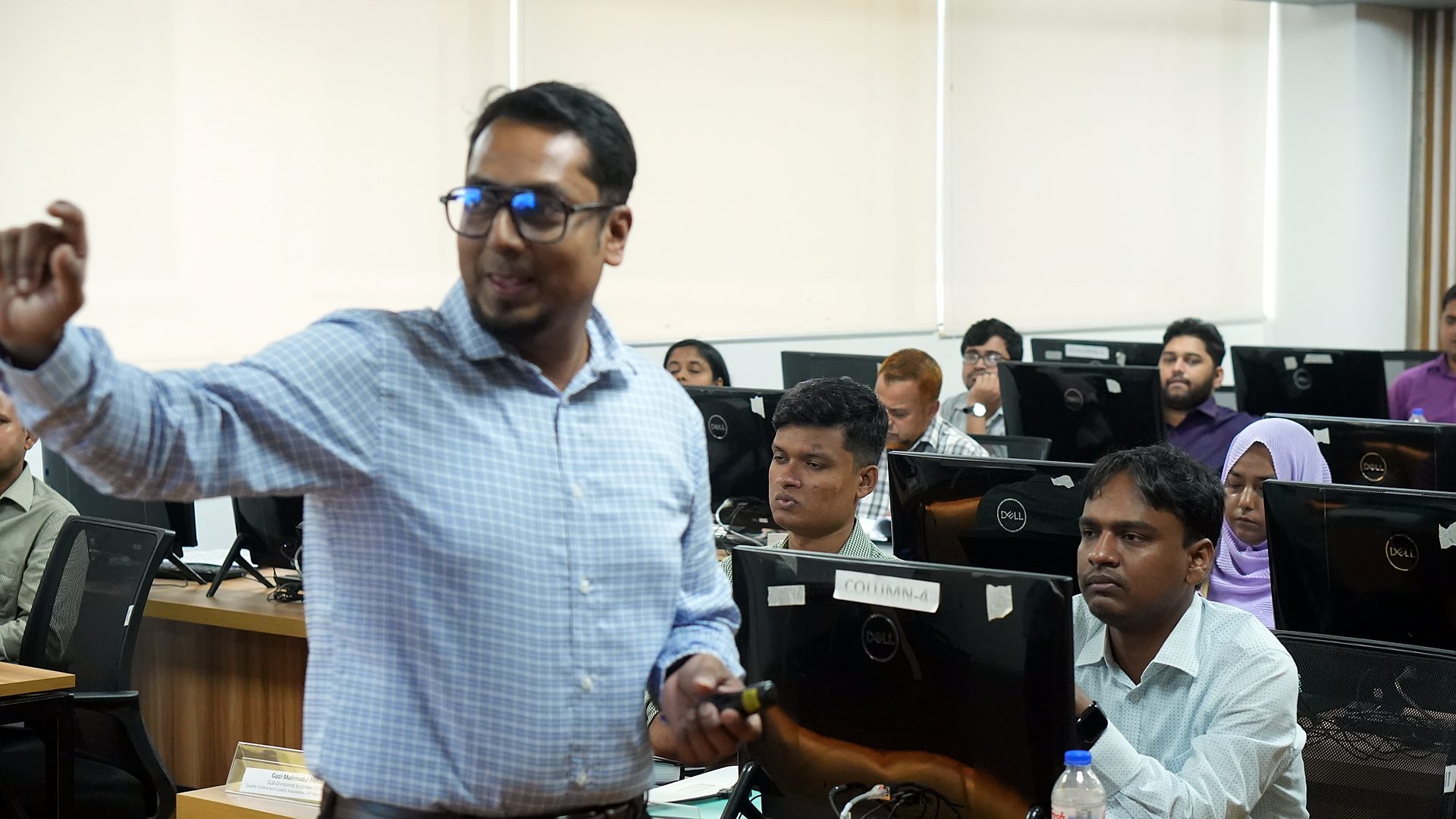
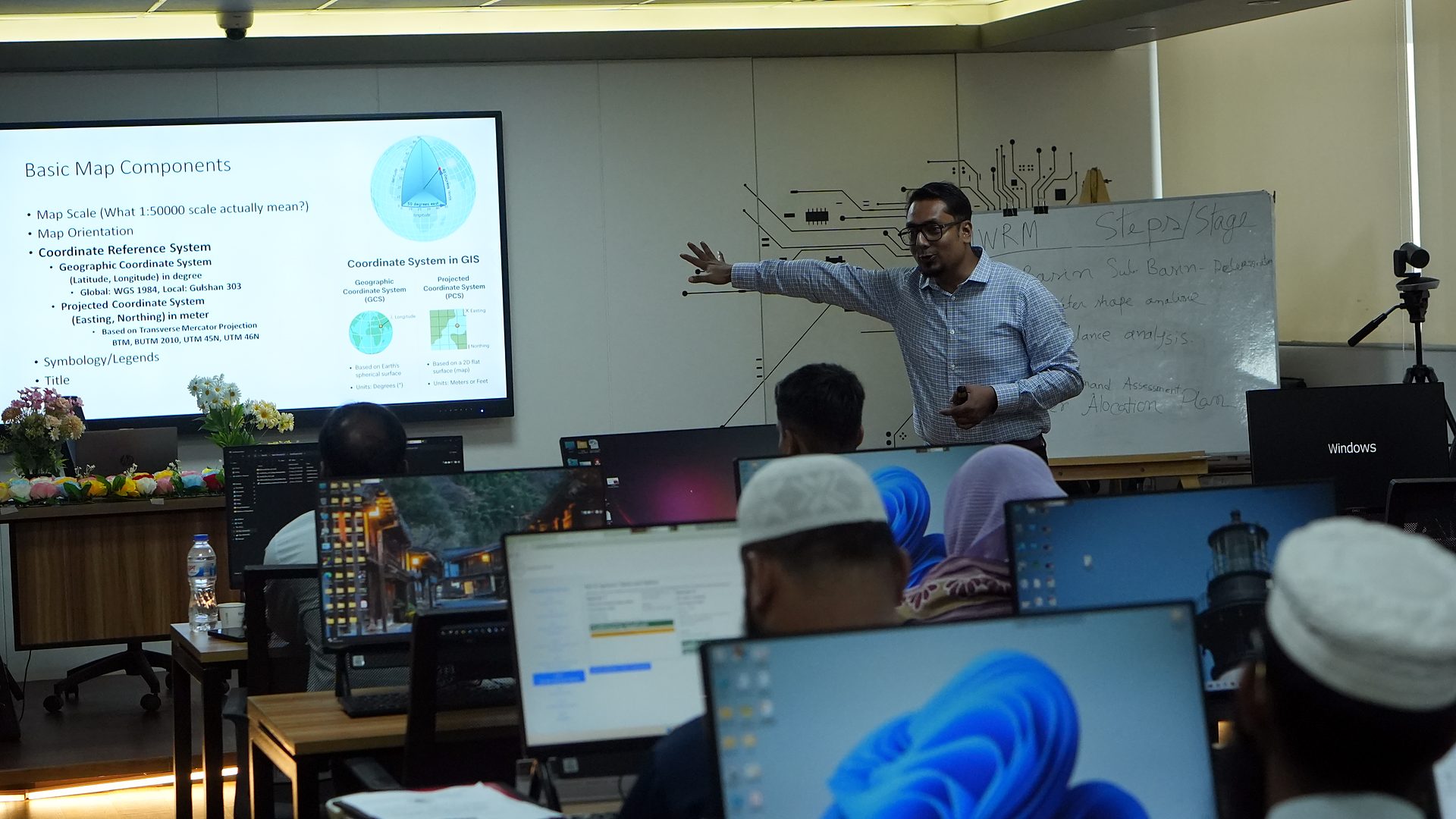
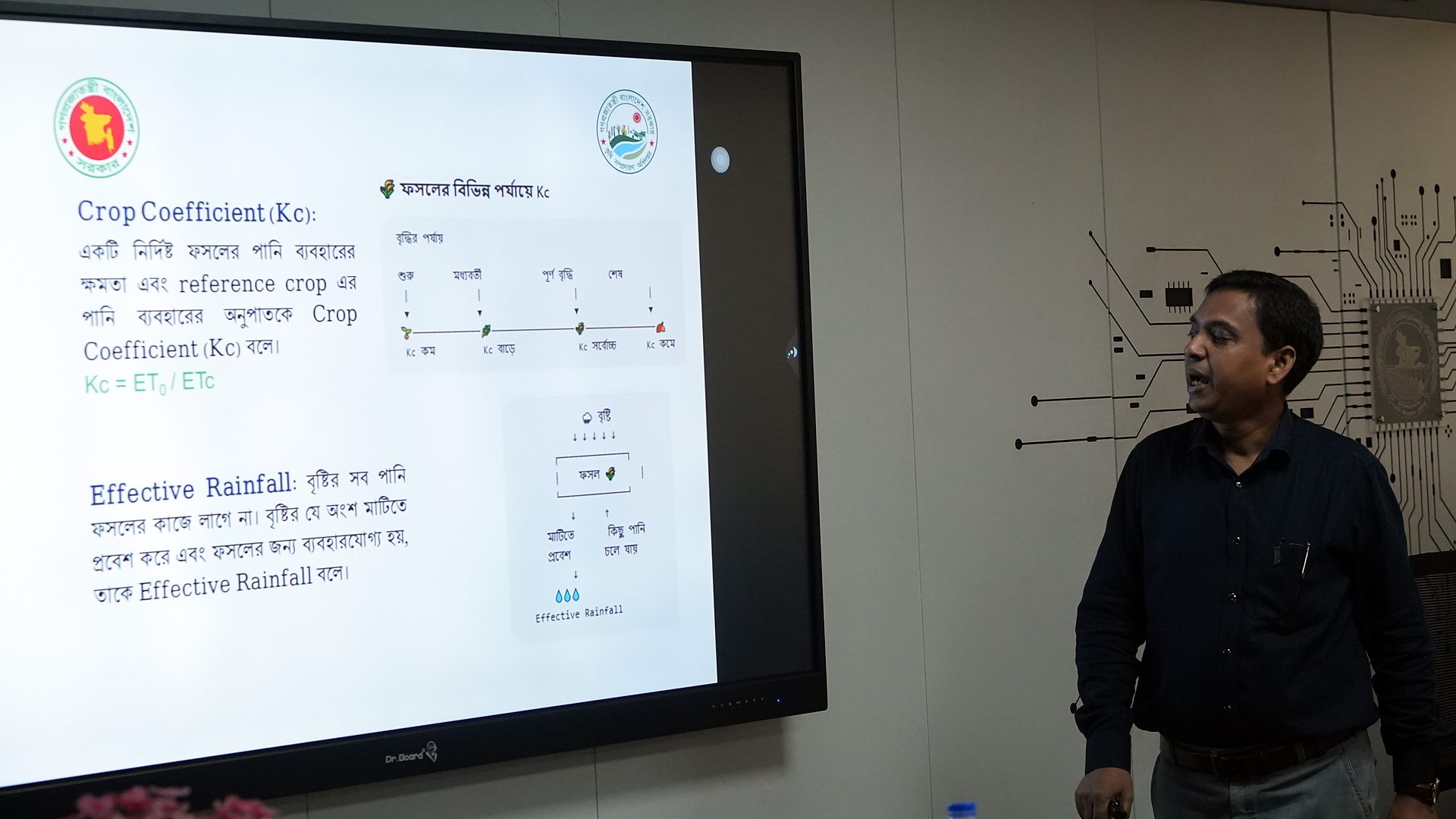
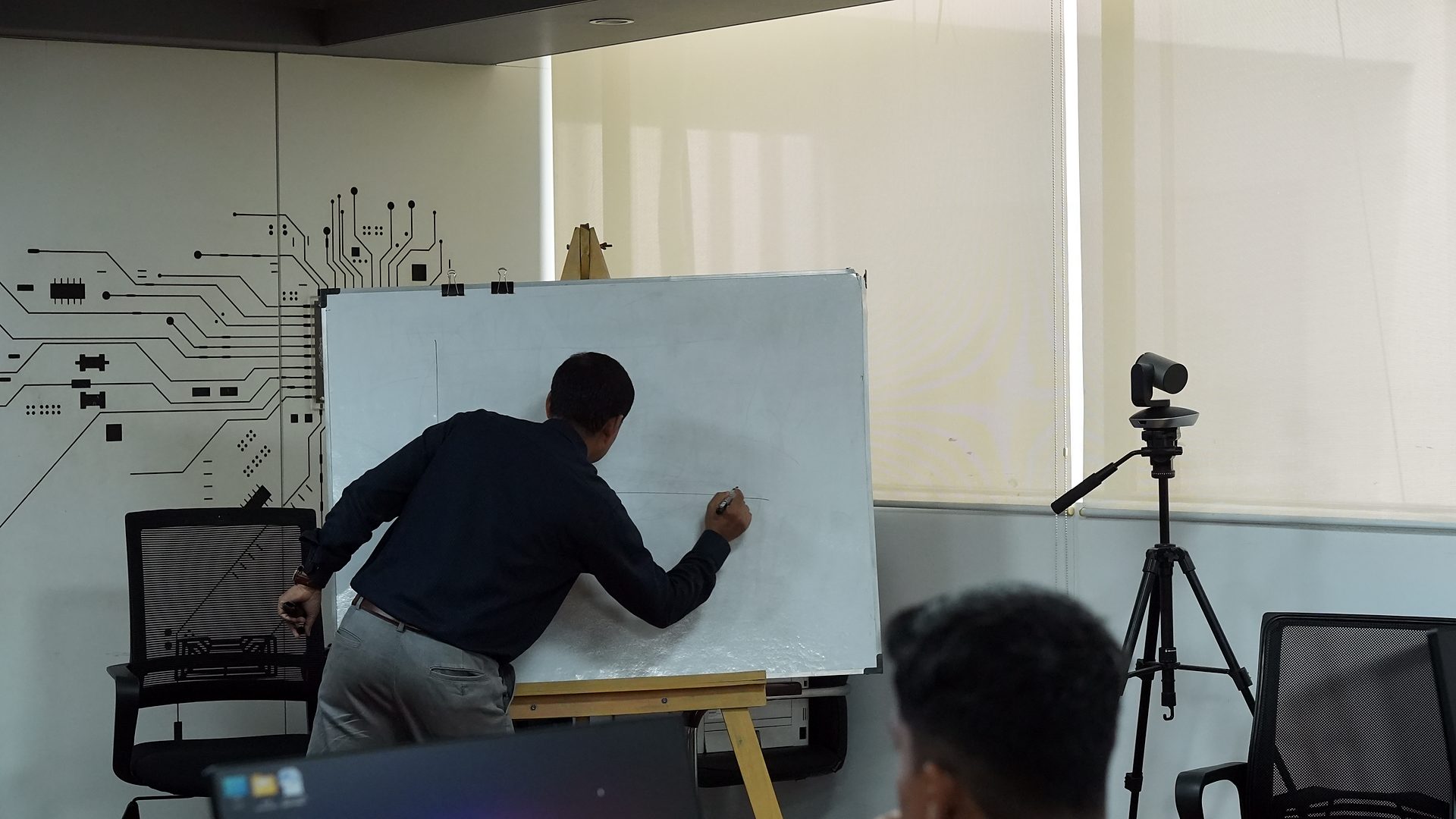
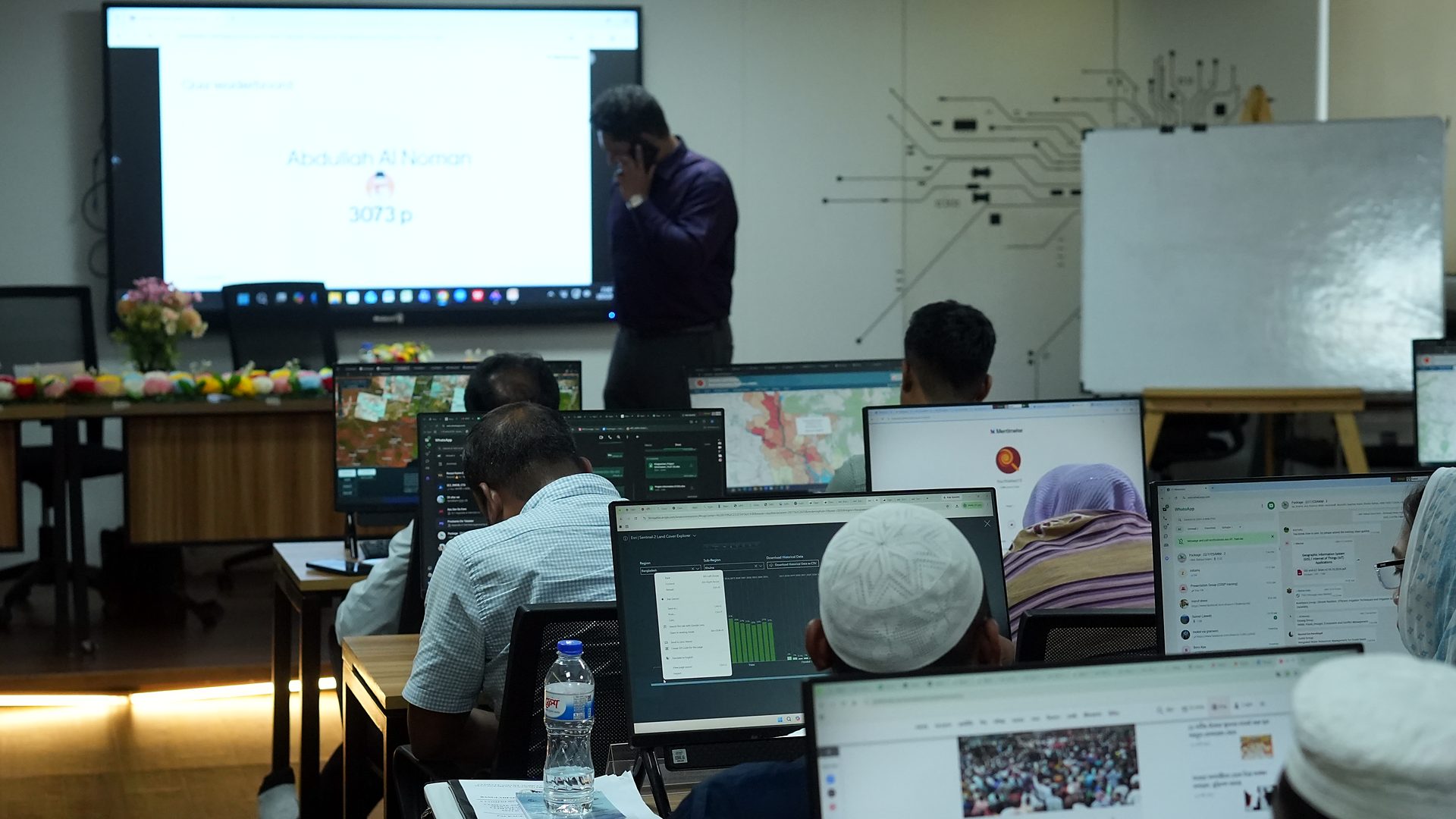
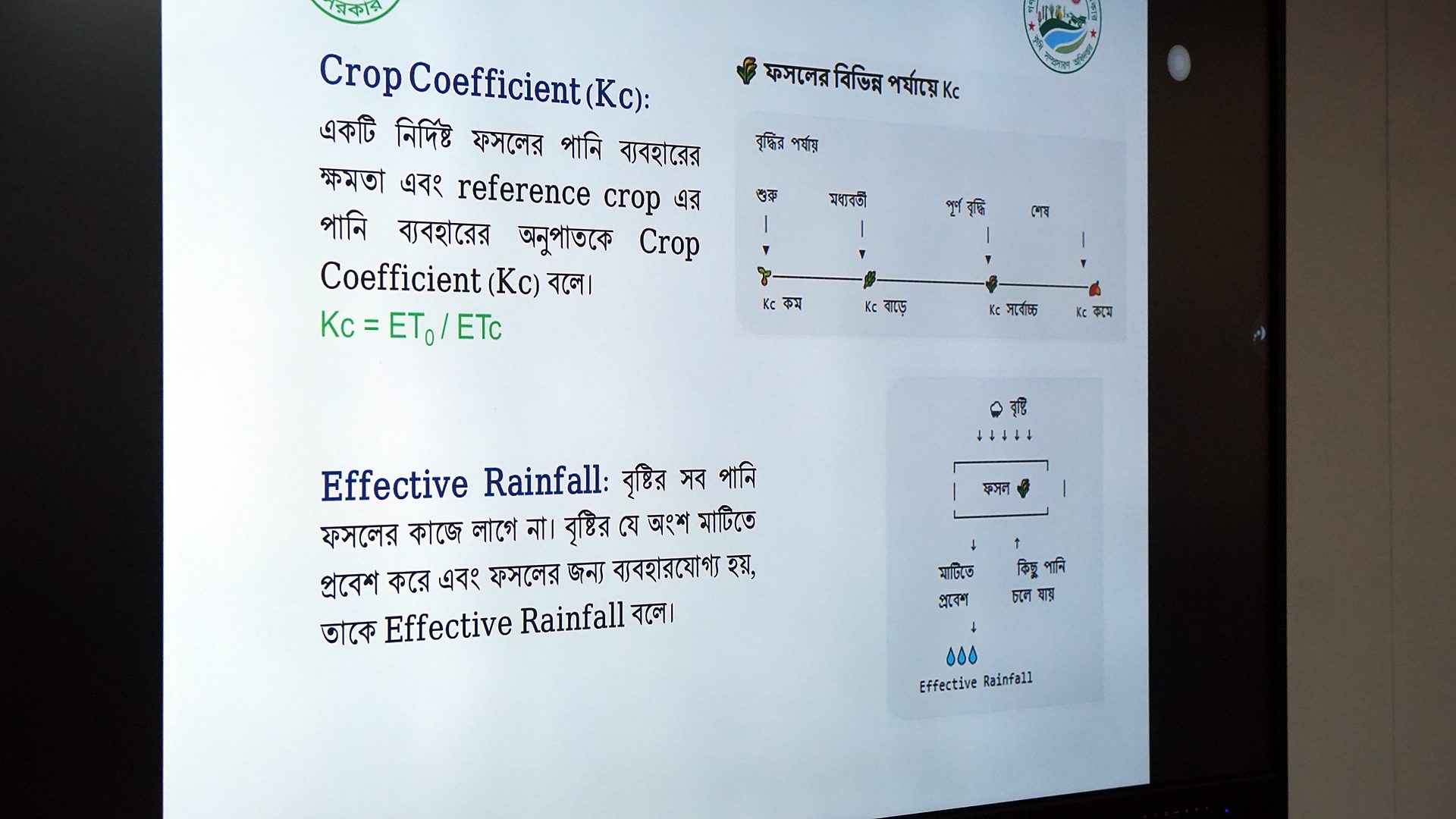
Each day used the method its subject demanded: case-based learning in the Bangladesh context and group problem-solving for IWRM; hands-on technical sessions at the lab’s workstations for GIS and IoT; and worked examples — crop coefficients, effective rainfall, drainage — for irrigation. Participants were seated by team from the first morning, and the course closed with the teams presenting.
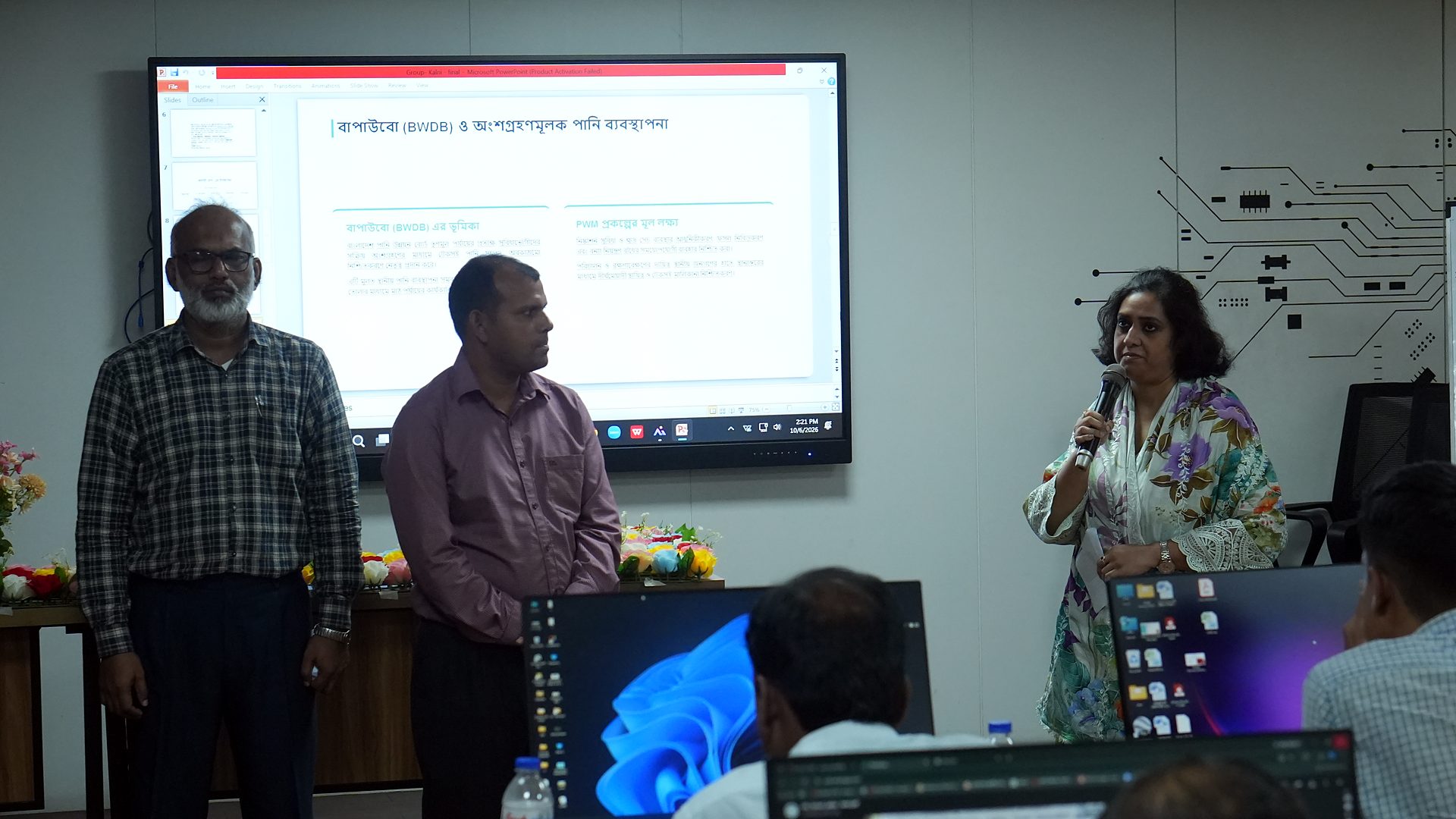
Team Presentations on Real Basins
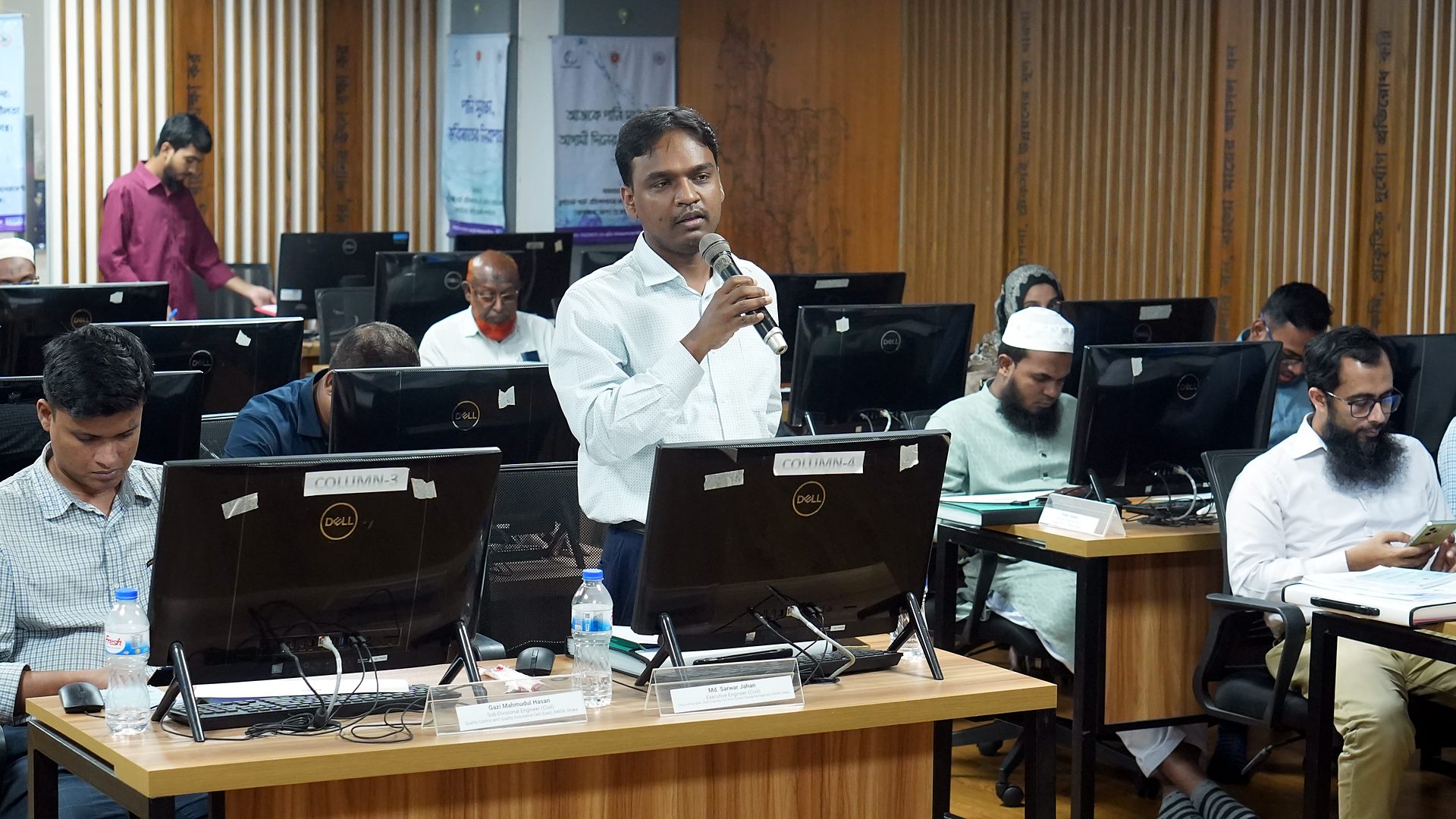
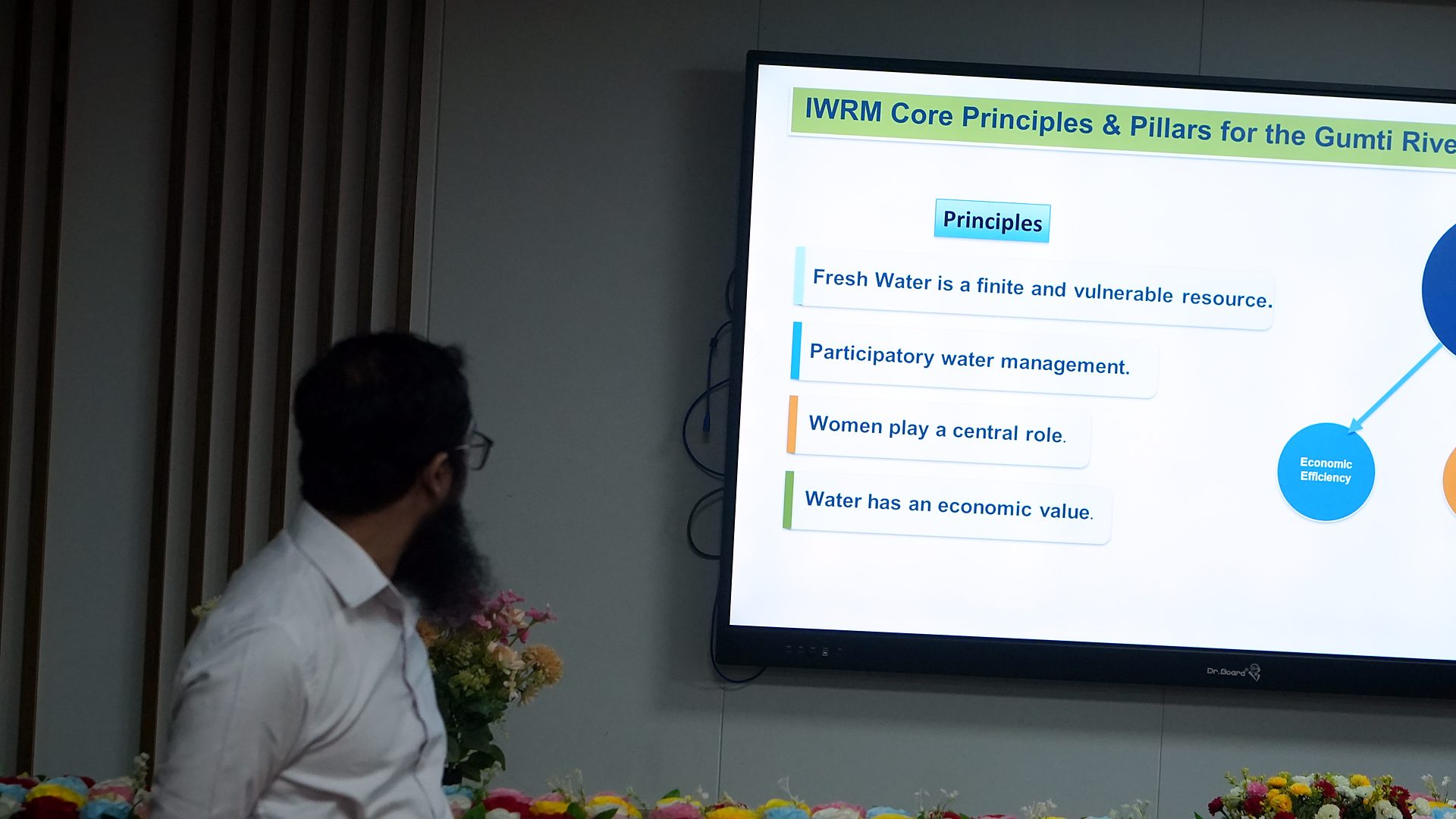
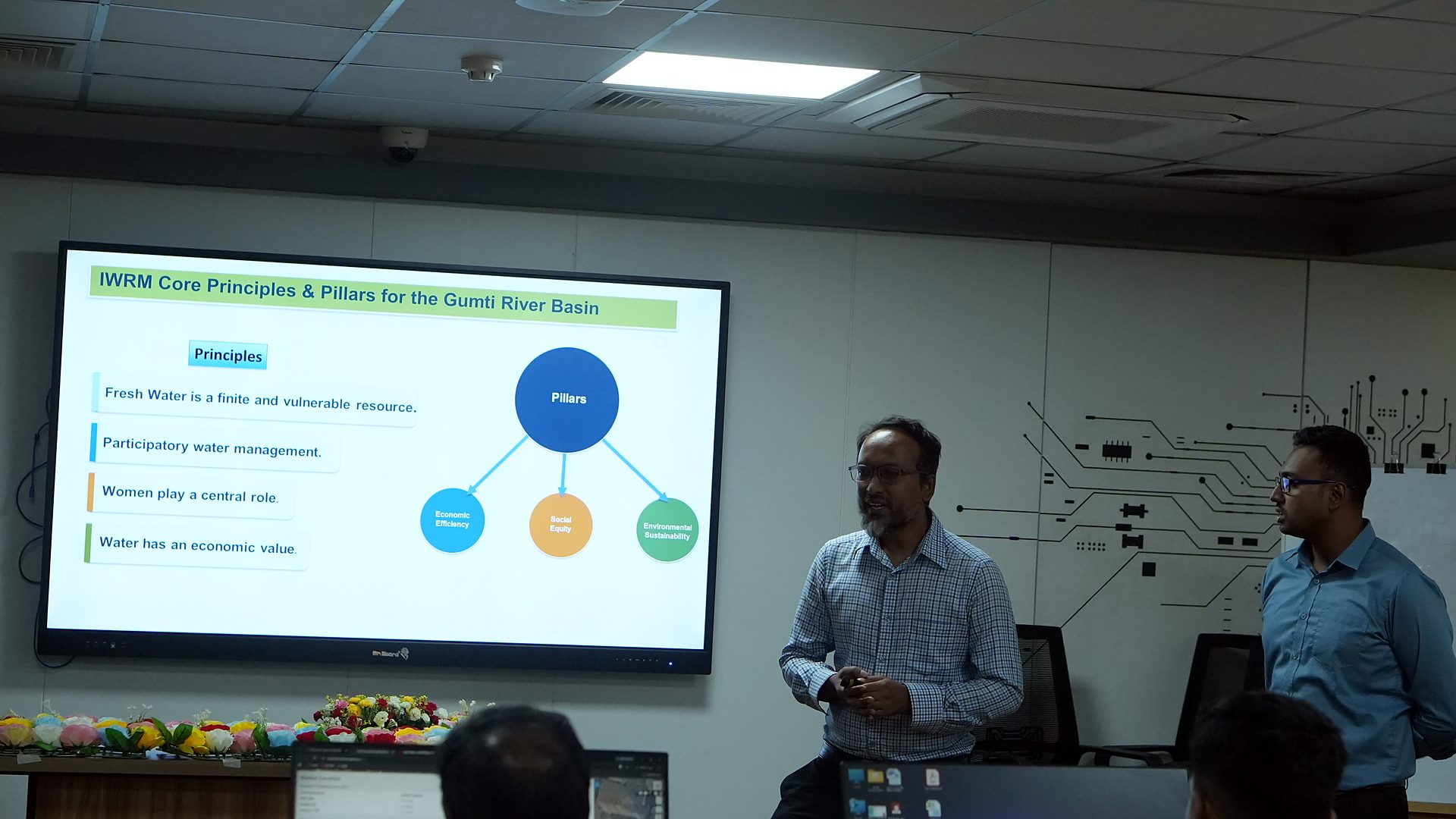
The closing review was run as team presentations. One team presented IWRM core principles and pillars for the Gumti River basin — freshwater as a finite and vulnerable resource, participatory management, the central role of women and the economic value of water — and others presented their own syntheses of the GIS and irrigation days.
Who Was in the Room
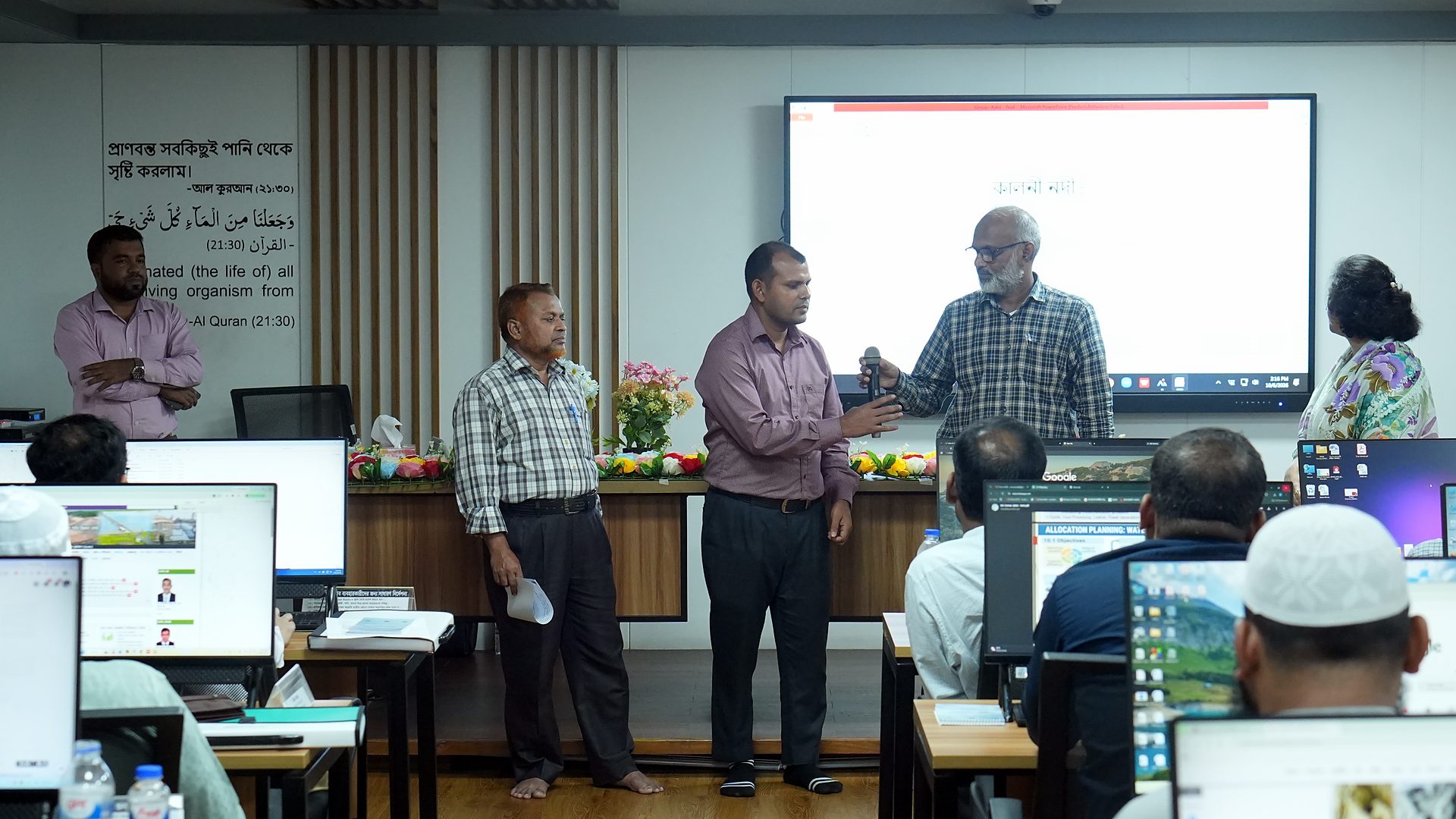
The second CSAWM cohort was the broadest yet in range of disciplines. Alongside six Executive Engineers, a Sub-Divisional Engineer and five Assistant Engineers sat three Environment & Forest specialists (two Assistant Chiefs and a Research Officer), a Deputy Chief (Sociology), an Extension Officer from Chuadanga, a System Analyst, a Deputy Director and two Assistant Directors from administration, and four finance staff. Participants came from twenty-three offices; four travelled in from Pabna, Rajshahi, Chuadanga and Chattogram.
Full Participant Roster
System Analyst
Directorate of Human Resource Development, BWDB, DhakaDeputy Chief (Sociology)
Office of the Chief Water Management, BWDB, DhakaExecutive Engineer (Civil)
Office of the Chief Engineer, Planning, BWDB, DhakaExecutive Engineer (Civil)
Northern Hydrology Measurement Division, BWDB, PabnaExecutive Engineer (Civil)
Office of the Addl. Chief Engineer, ICZ and Climate Change Management, BWDB, DhakaExecutive Engineer (Civil)
Design Circle-3, BWDB, DhakaExecutive Engineer (Civil)
Design Circle-3, BWDB, DhakaExecutive Engineer (Civil)
Design Circle-5, BWDB, DhakaDeputy Director (Admin)
Directorate of Training, BWDB, DhakaSub-Divisional Engineer (Civil)
Quality Control and Quality Assurance Cell (East), BWDB, DhakaSenior Assistant Director (FA&A)
Directorate of Accounts, BWDB, DhakaSenior Assistant Director (FA&A)
Rajshahi RAC, BWDB, RajshahiExtension Officer
Office of the Extension Officer, BWDB, ChuadangaAssistant Engineer (Civil)
Design Circle-6, BWDB, DhakaAssistant Engineer (Civil)
Design Circle-1, BWDB, DhakaAssistant Engineer (Civil)
Office of the Chief Engineer, Monitoring, BWDB, DhakaAssistant Engineer (Civil)
Directorate of Processing, BWDB, DhakaAssistant Engineer (Civil)
Directorate of Planning-1, BWDB, DhakaAssistant Director (FA&A)
Directorate of Finance, BWDB, DhakaAssistant Director (Admin)
Directorate of Personnel, BWDB, DhakaAssistant Director (Admin)
Office of the Chief Engineer (Civil), Planning, BWDB, DhakaAssistant Chief (Environment & Forest)
Directorate of Planning-2, BWDB, DhakaAssistant Chief (Environment & Forest)
Office of the Addl. Chief Engineer (Civil), South Eastern Zone, ChattogramResearch Officer (Environment & Forest)
Directorate of Planning-1, BWDB, DhakaSenior Accounts Assistant (SAA)
Office of the Chief Engineer, Design & Research, BWDB, DhakaContinuity across the programme: 10 participants had attended earlier courses. Salma Begum, Deputy Chief (Sociology), was in both the first IWRM and the first PWMR batches; Md. Mostafizur Rahman, System Analyst, came from the O&M course; Merazul Islam from the second Financial Management batch a week earlier; and Bishwajit Sikder and B.M. Abdullah from the first PWMR batch. Course coordinator Md. Hafizur Rahman, a resource person on several earlier courses, sat the third Project Management batch as a participant the very next day.
Closing Ceremony & Certification
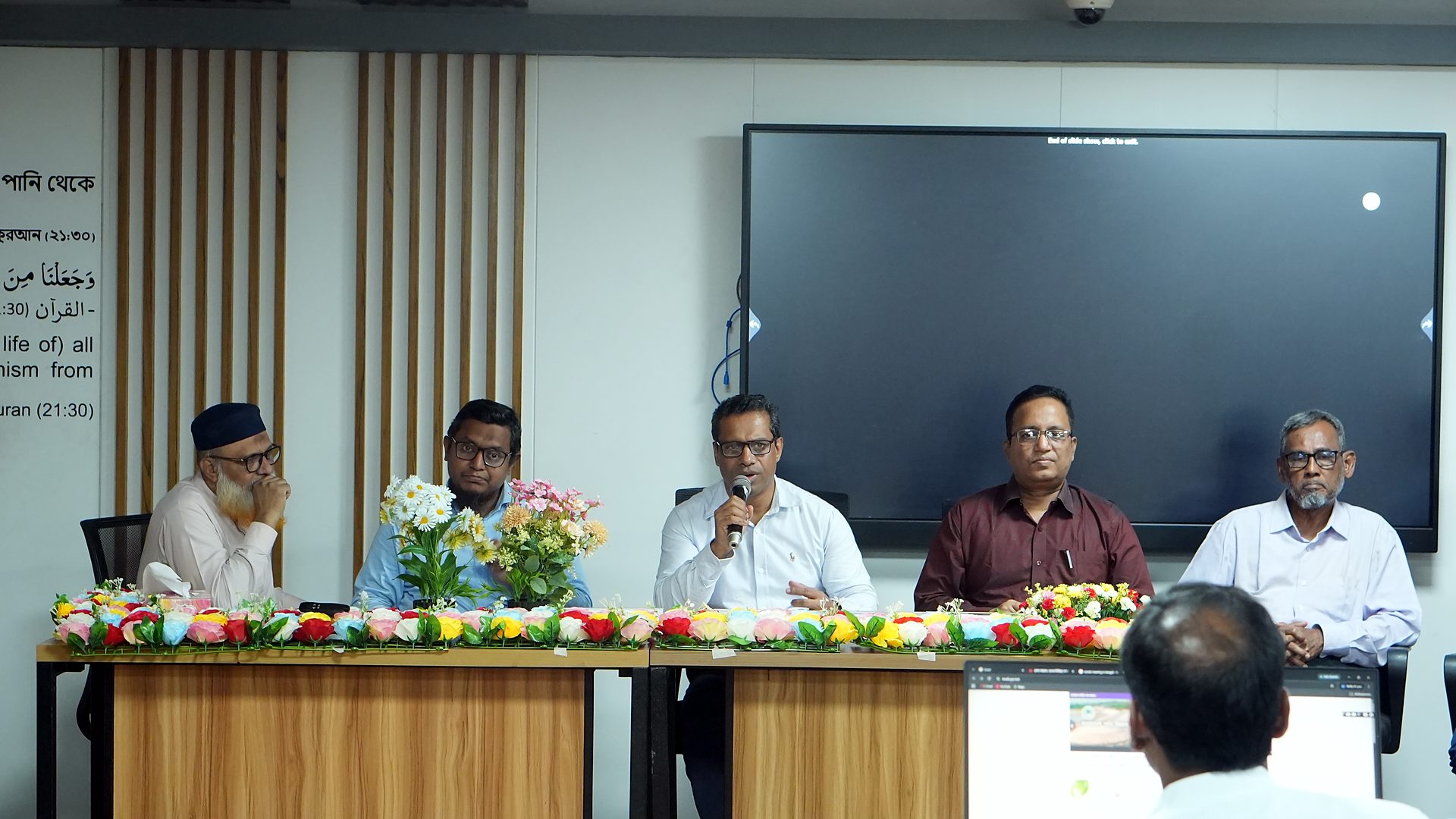
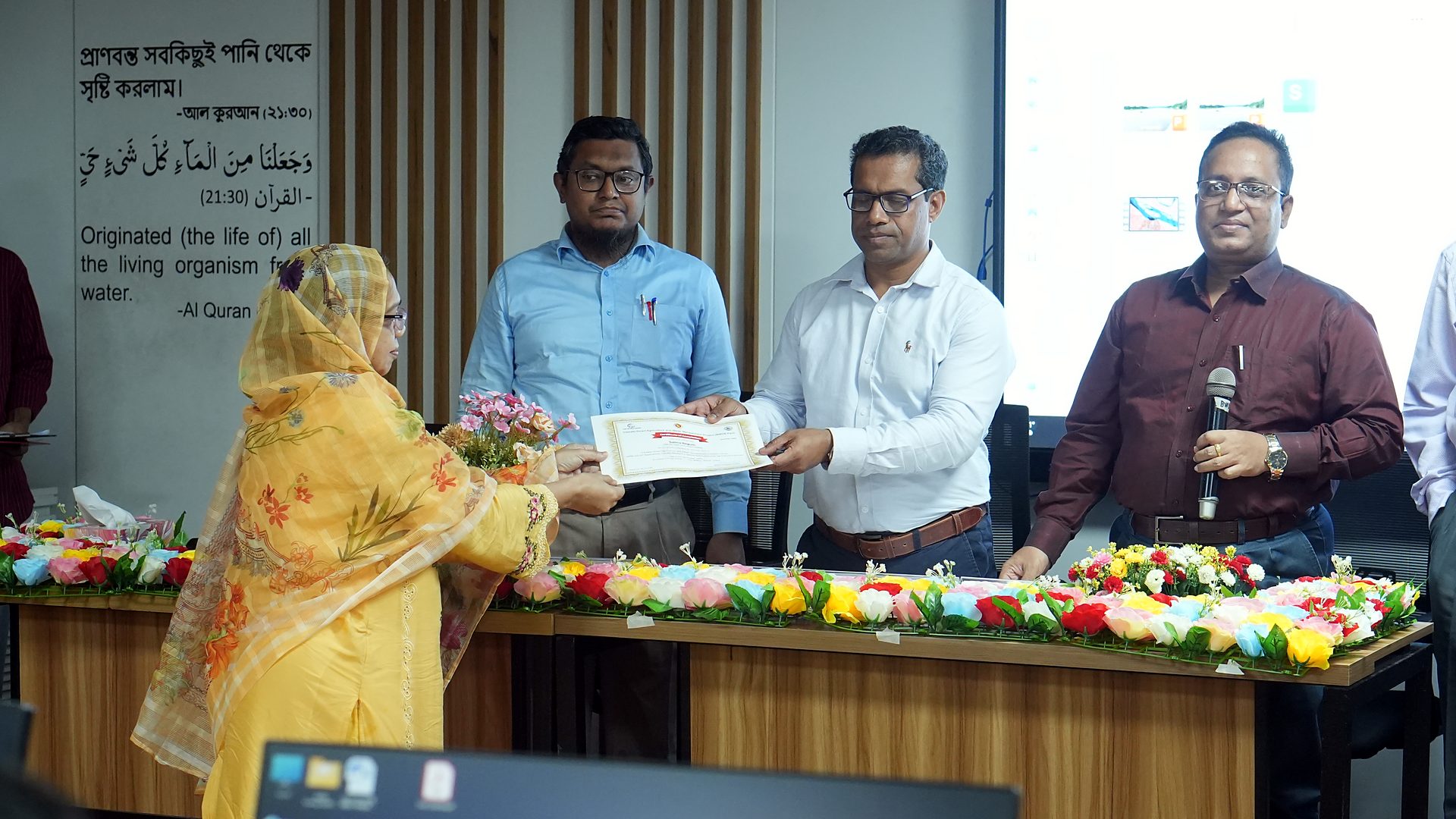
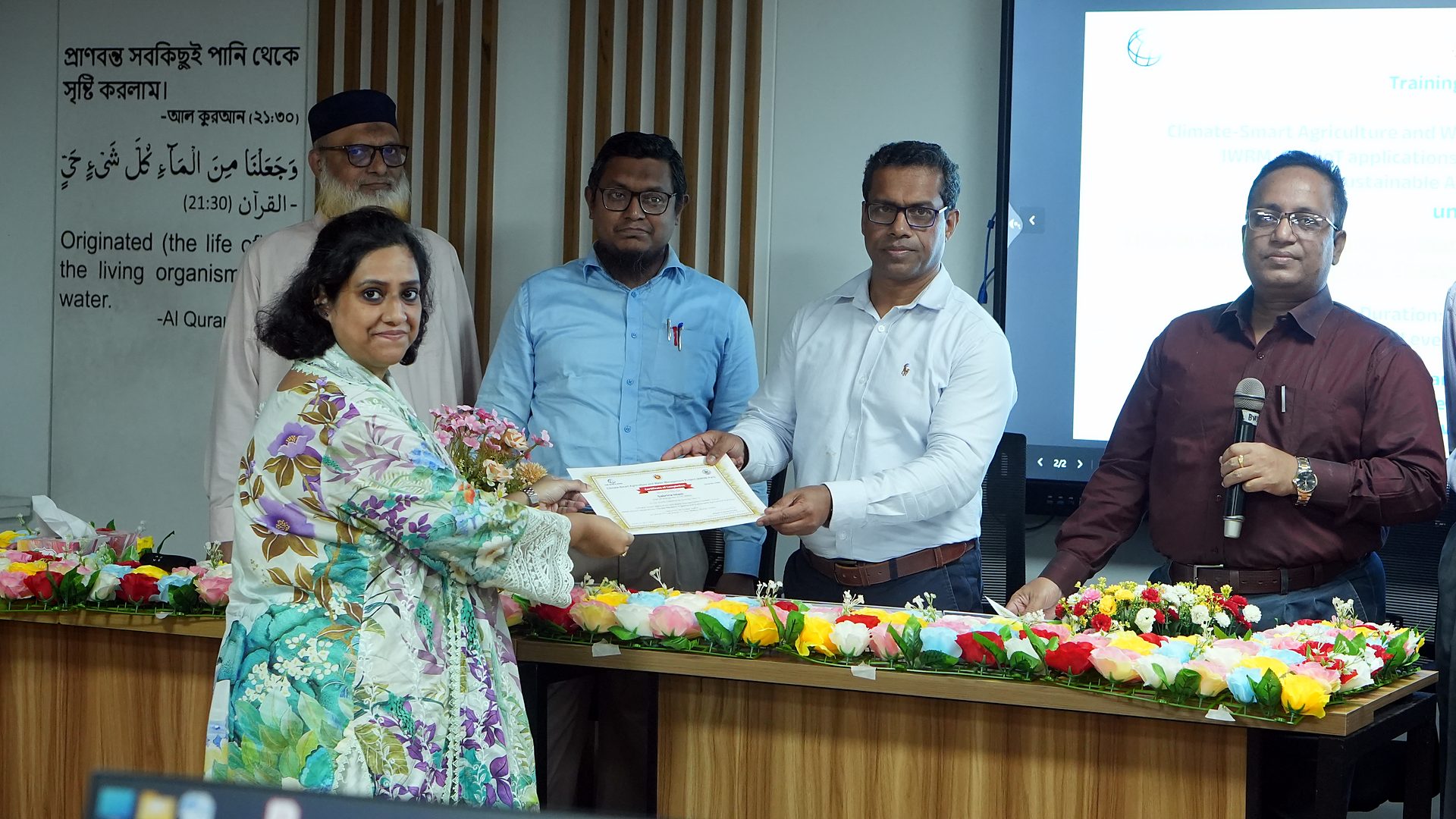
The Project Director closed the course on the afternoon of 6 October 2026. After the post-evaluation and course evaluation, each participant was presented with a certificate at the dais.
The Course in Pictures
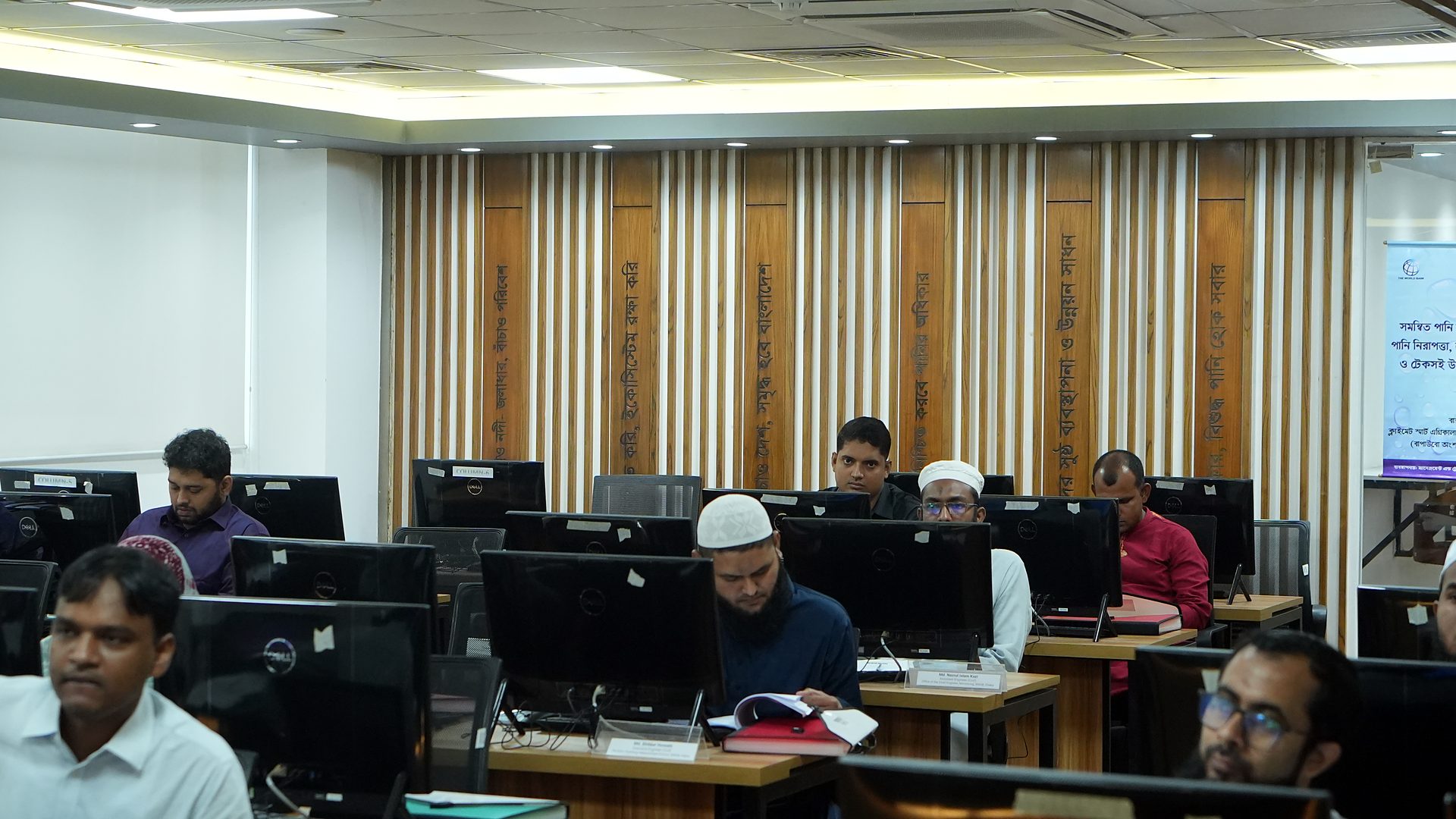
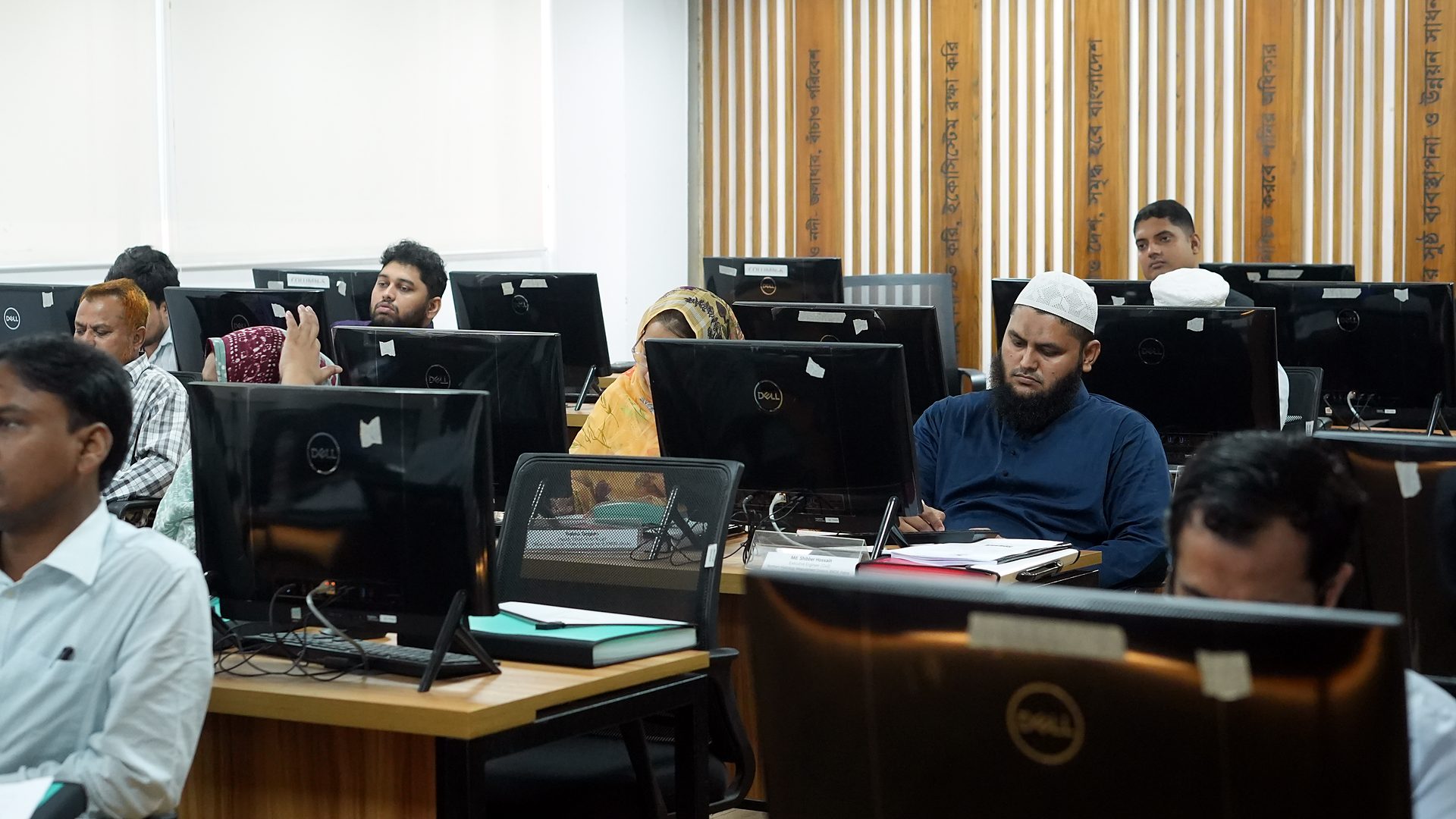
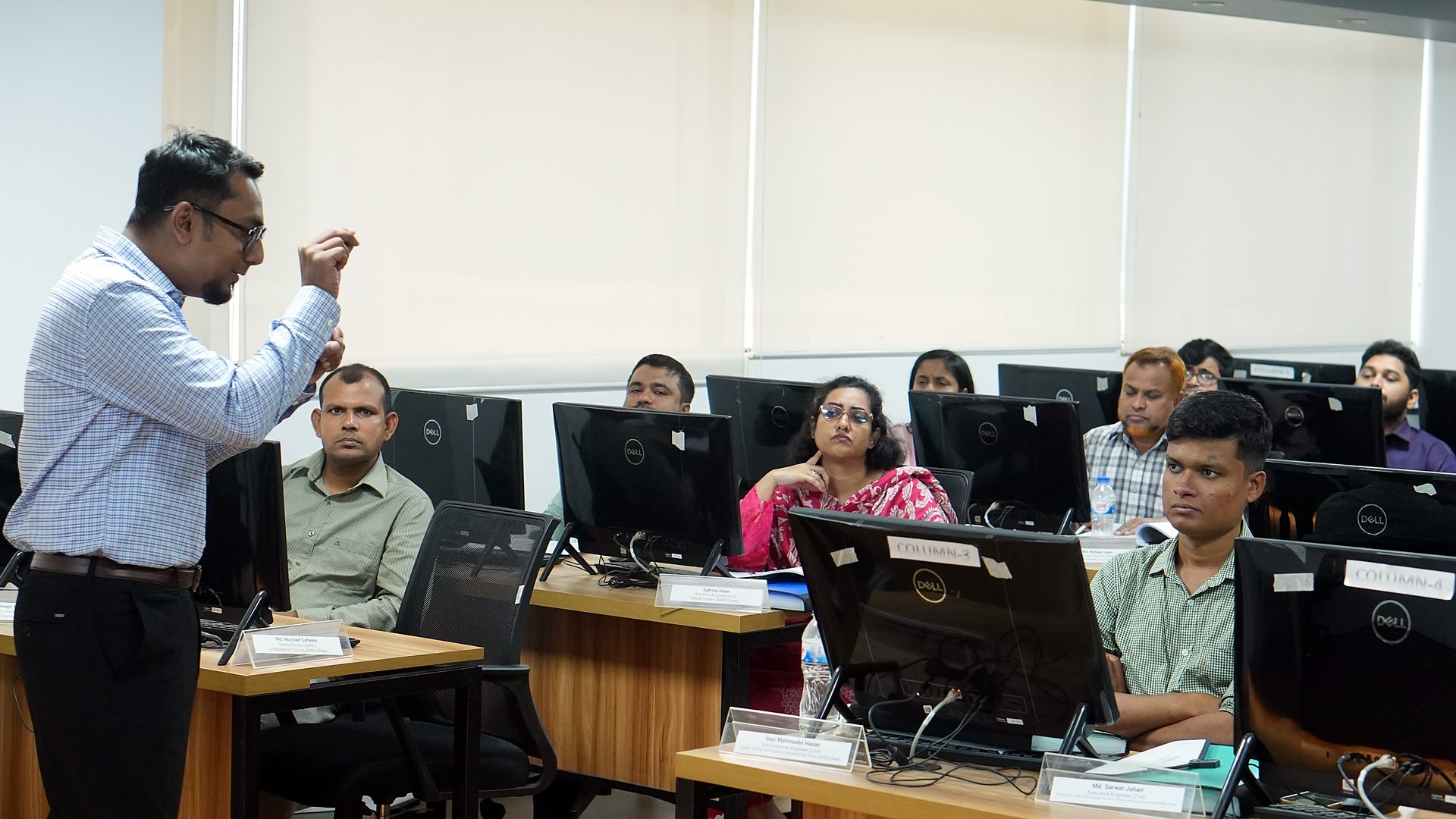
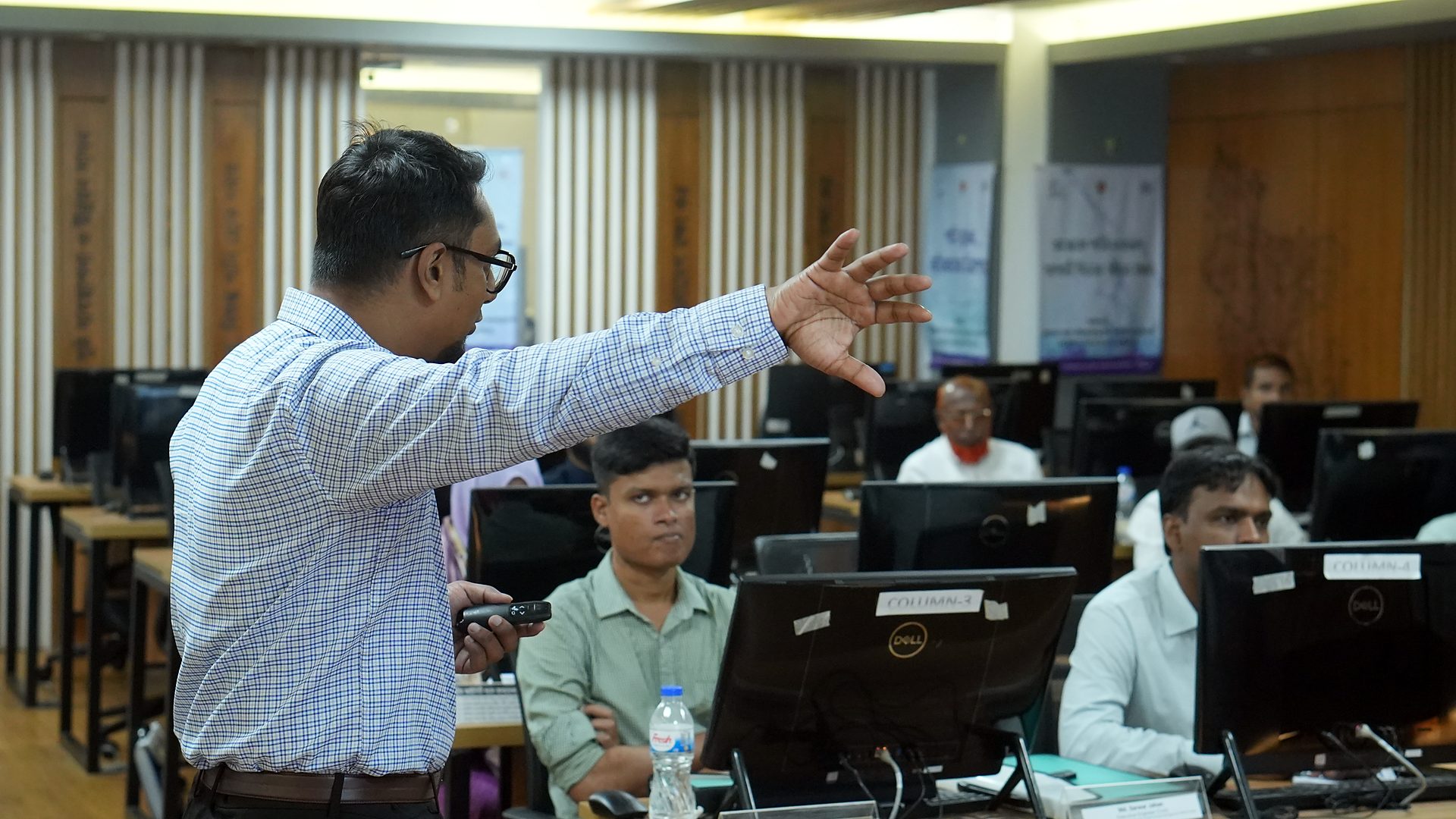
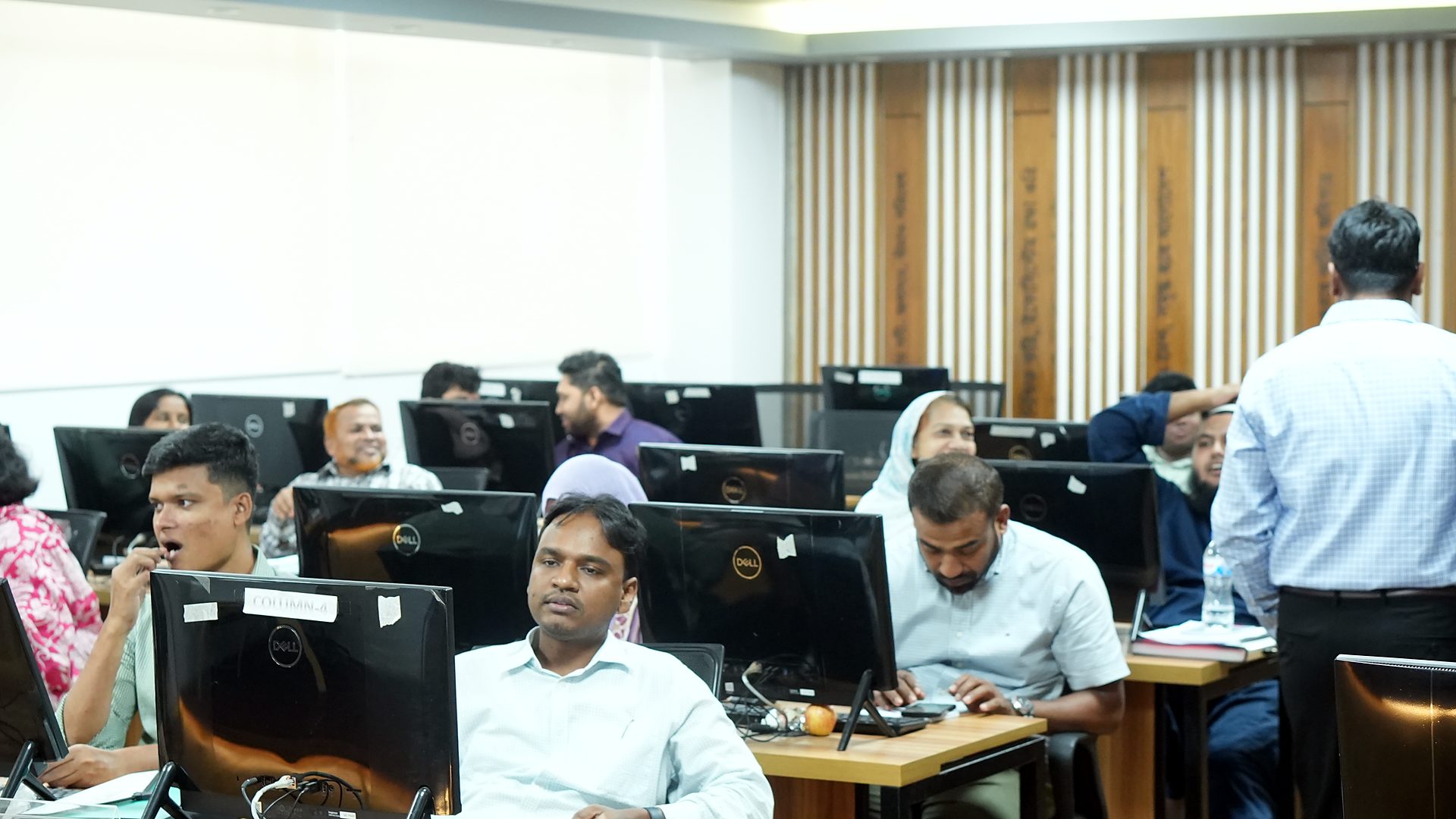
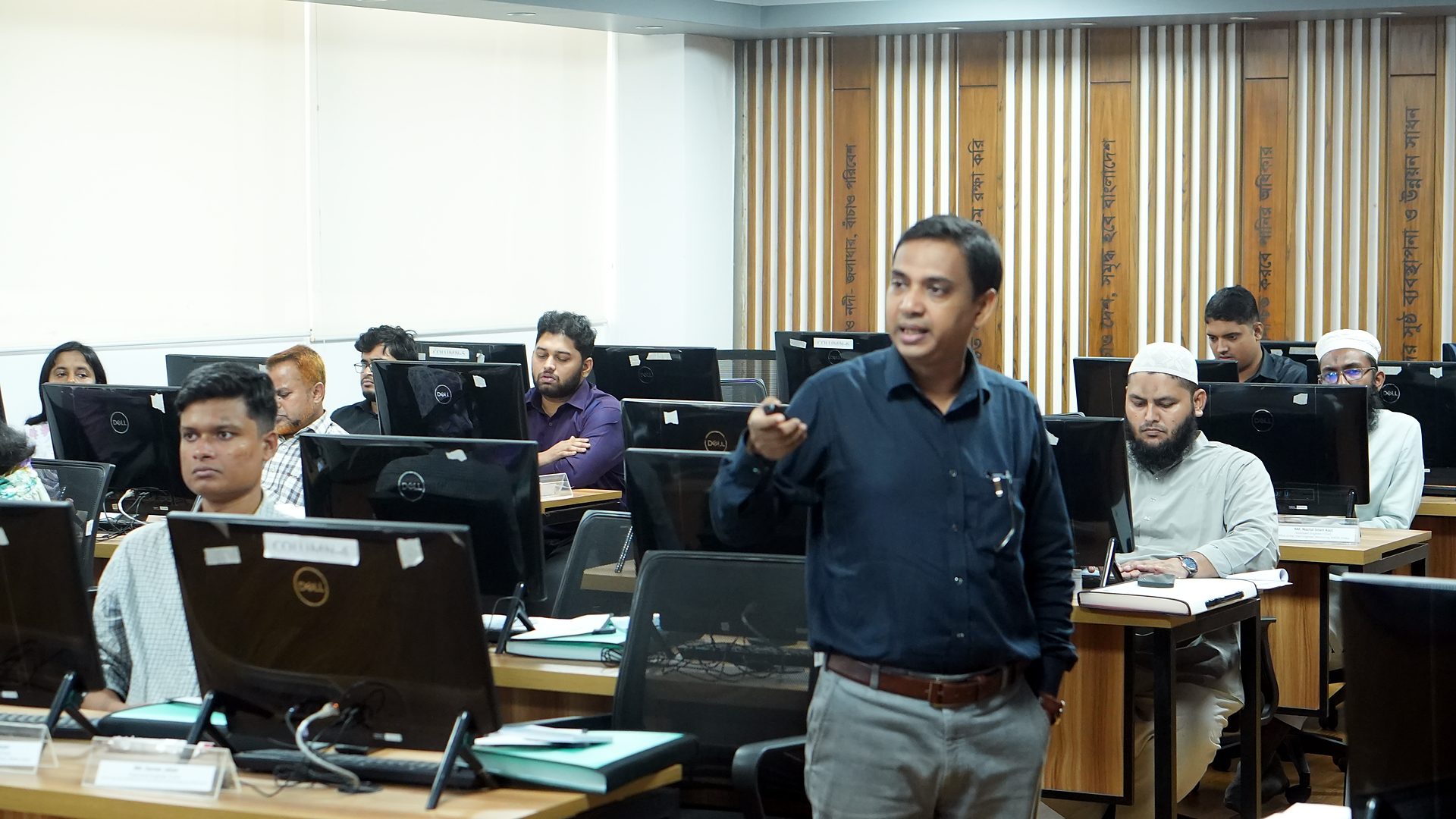
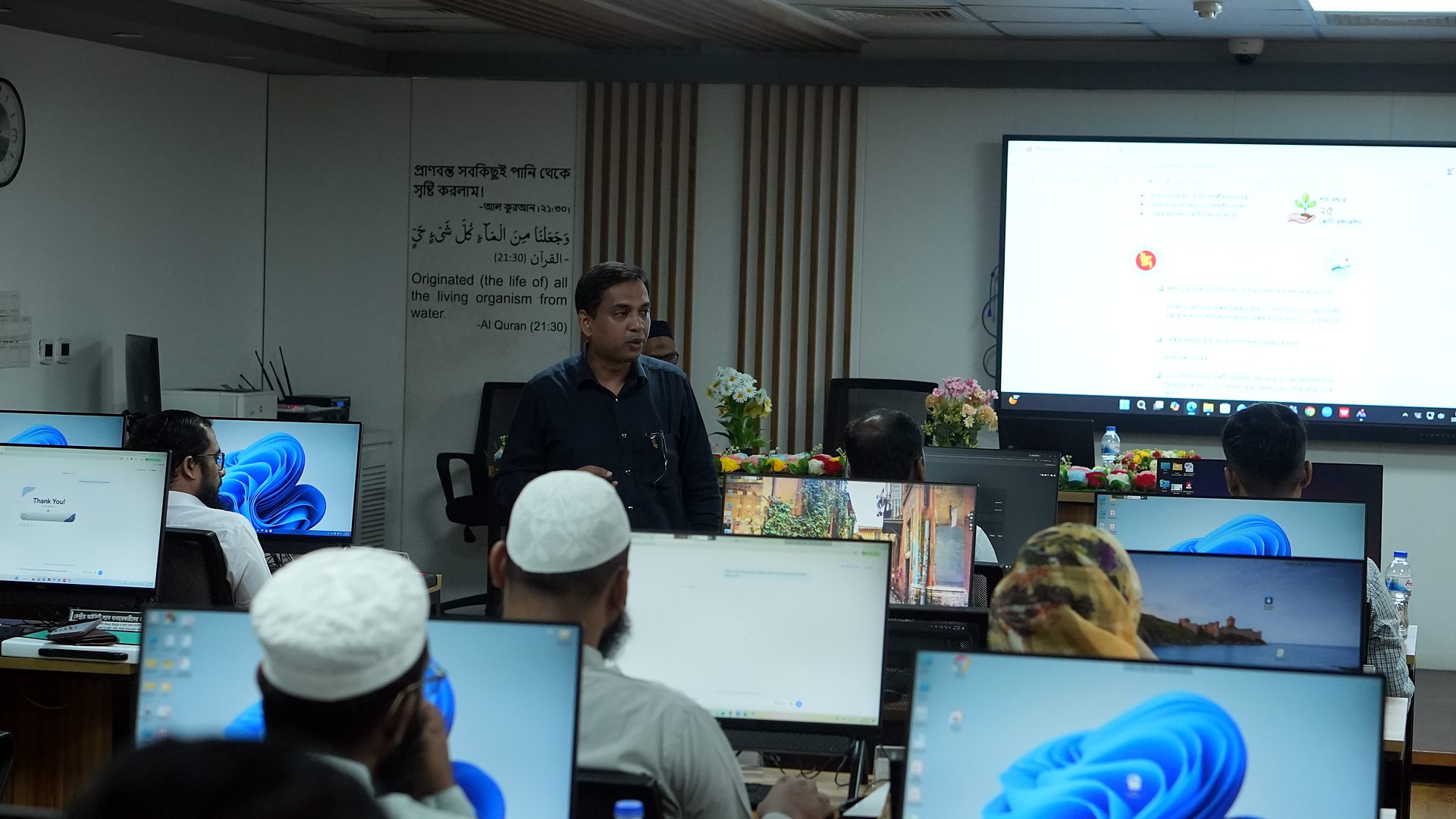
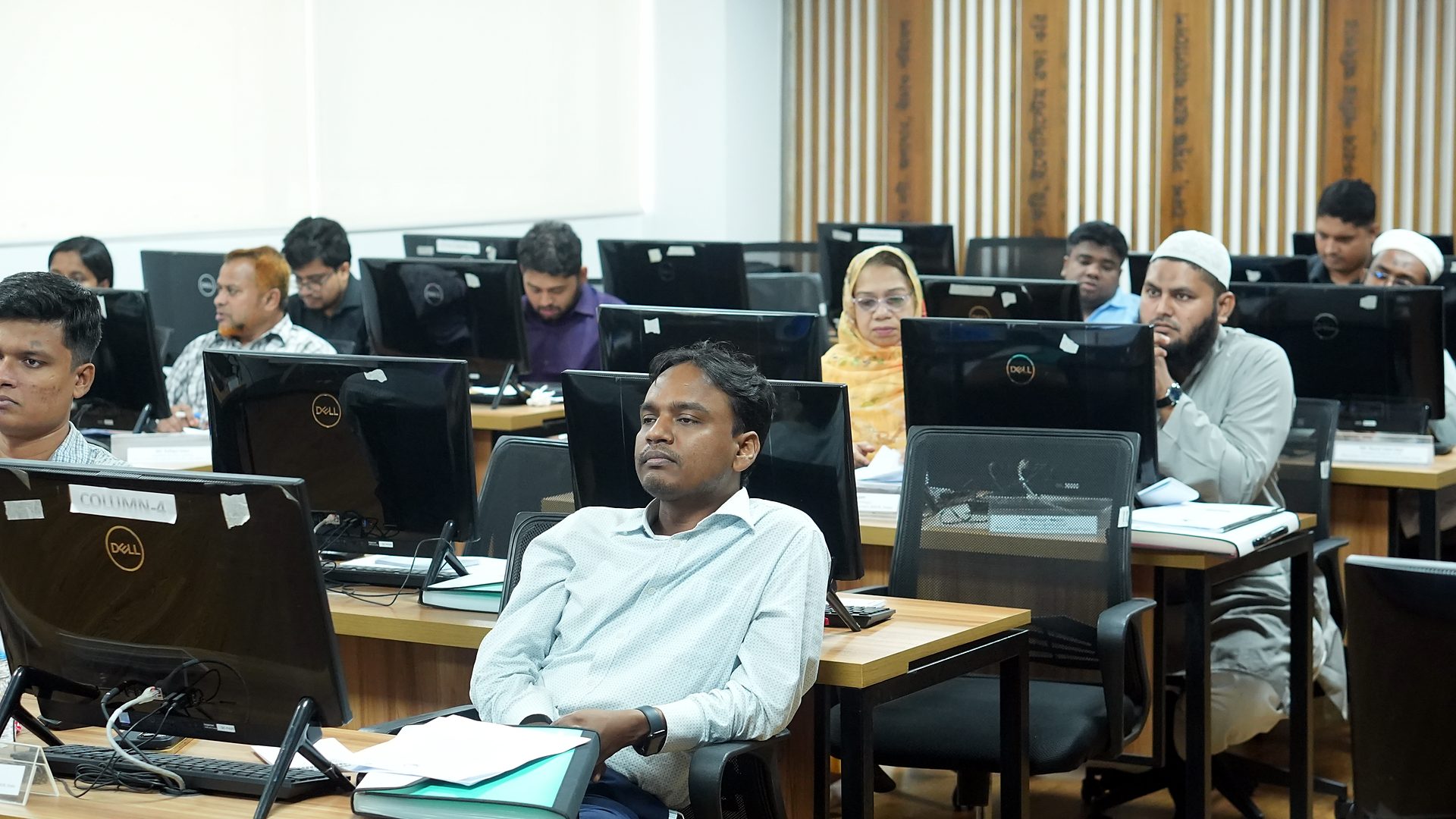
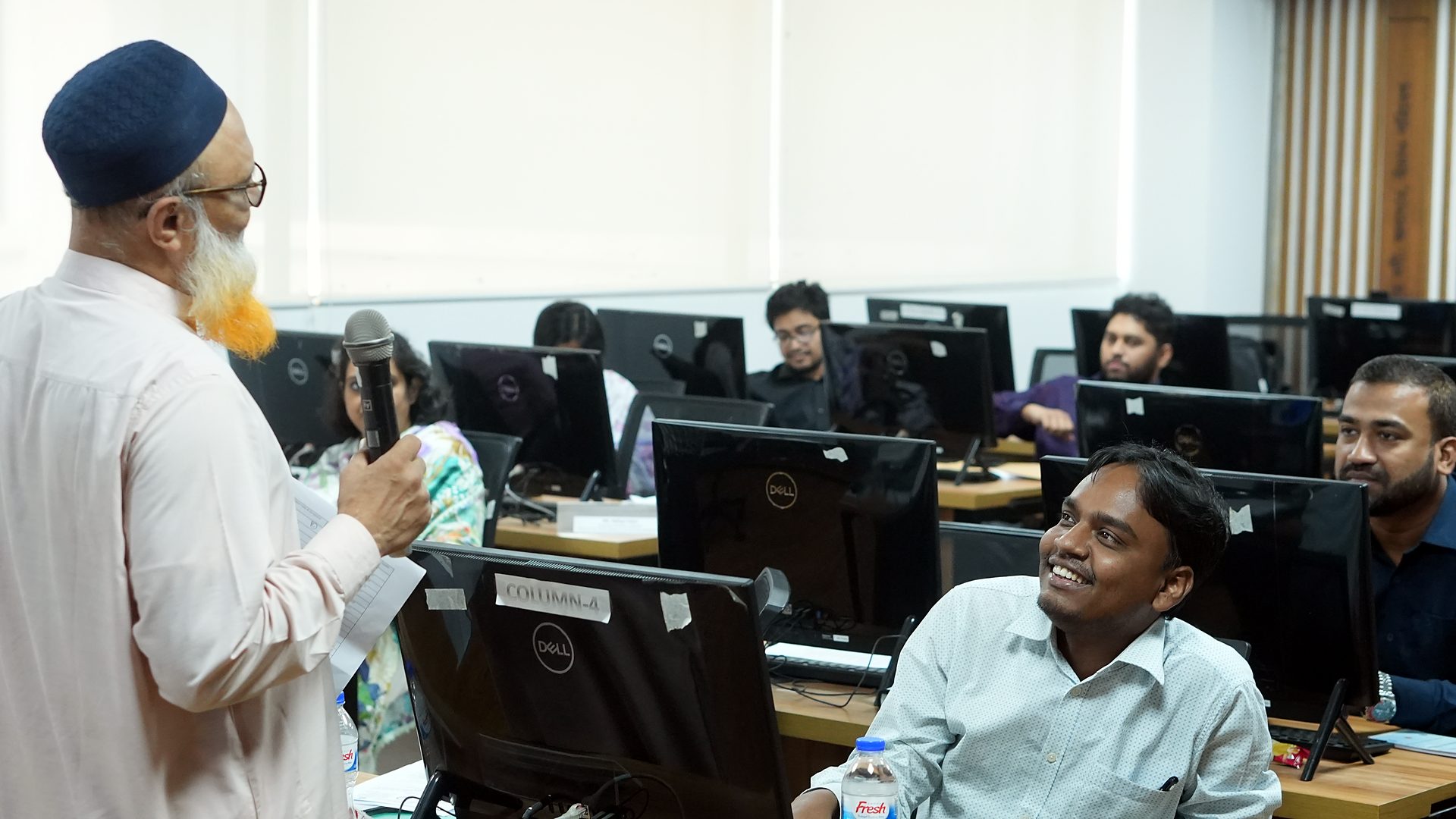
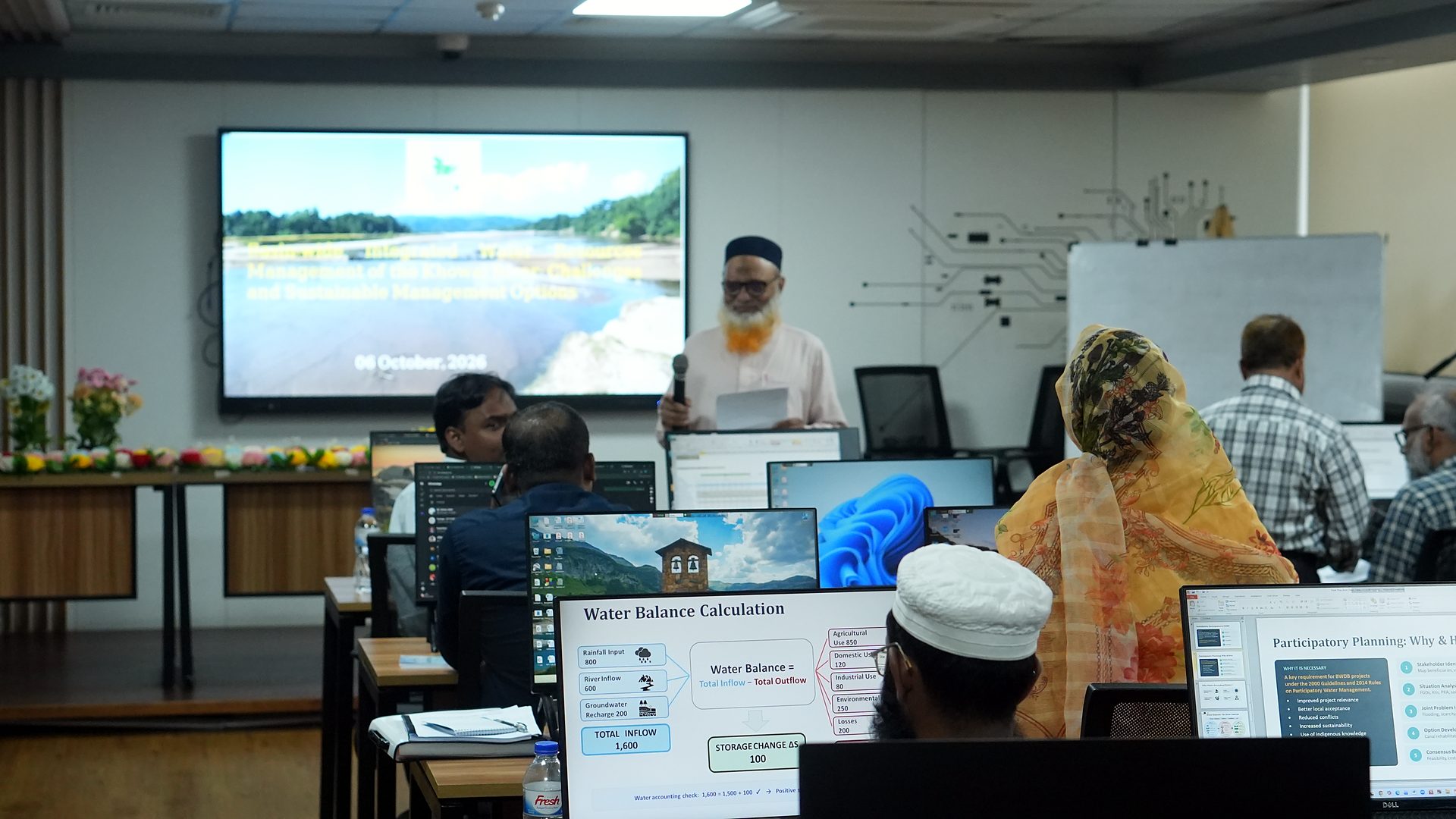
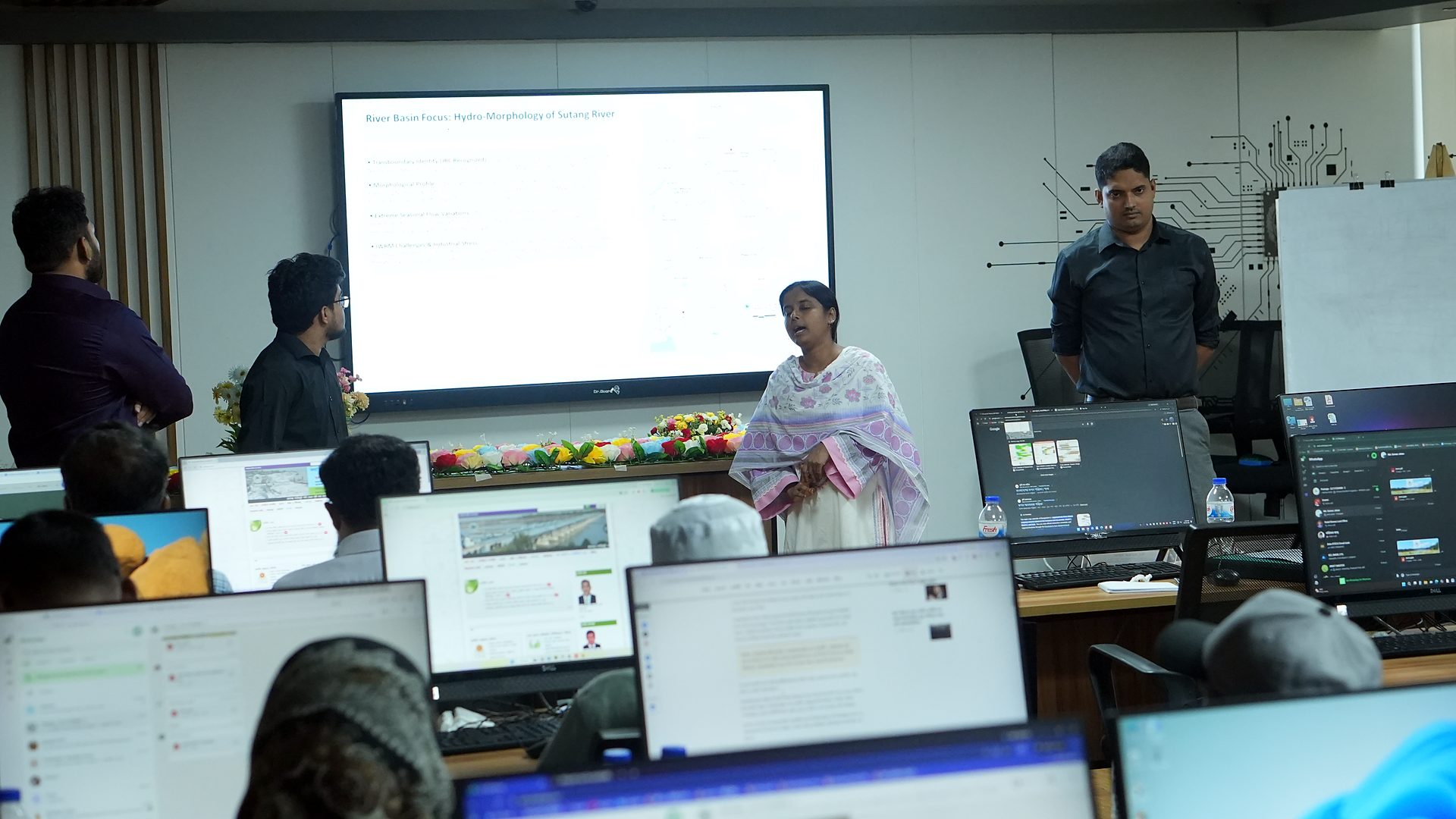
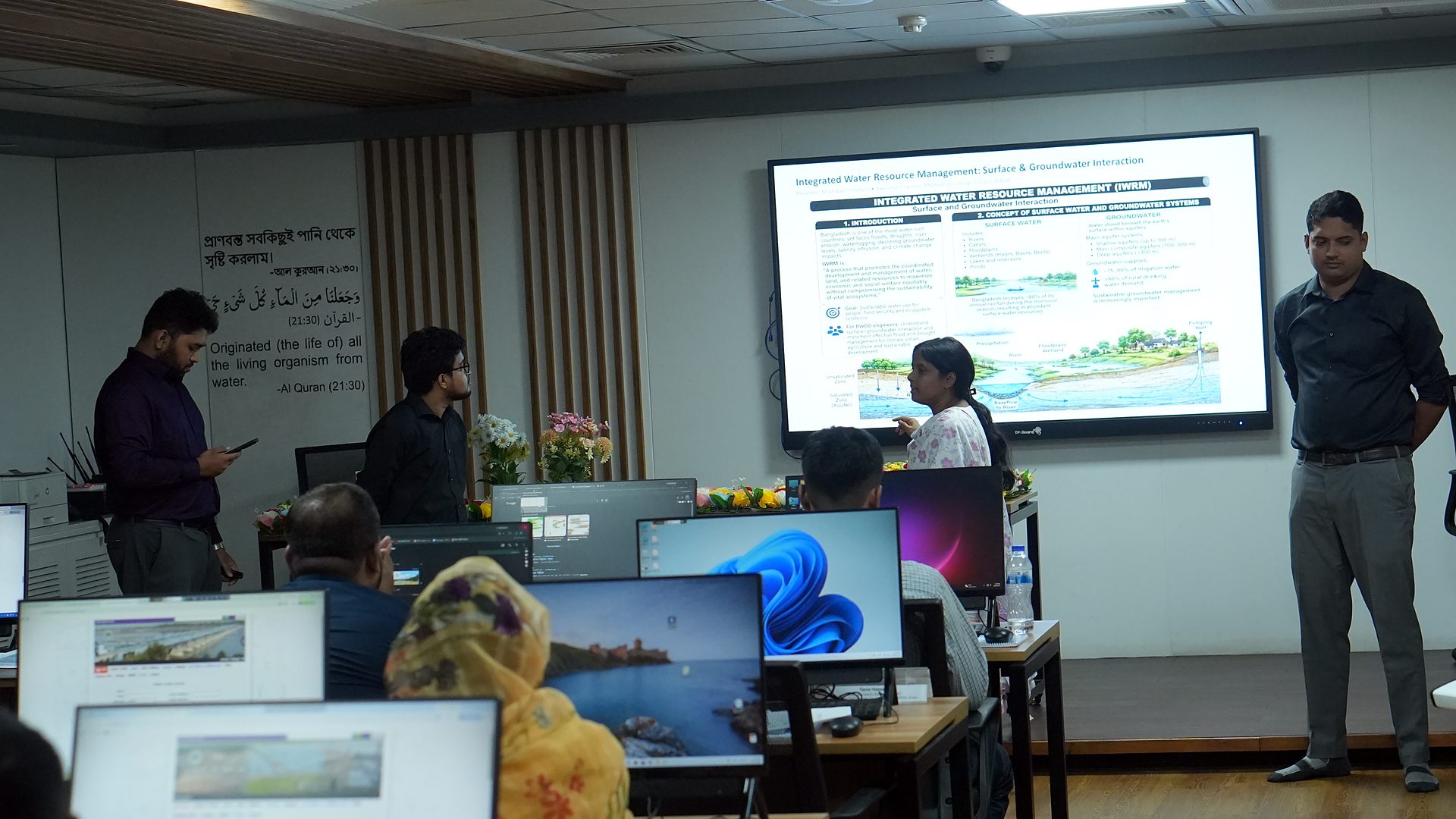
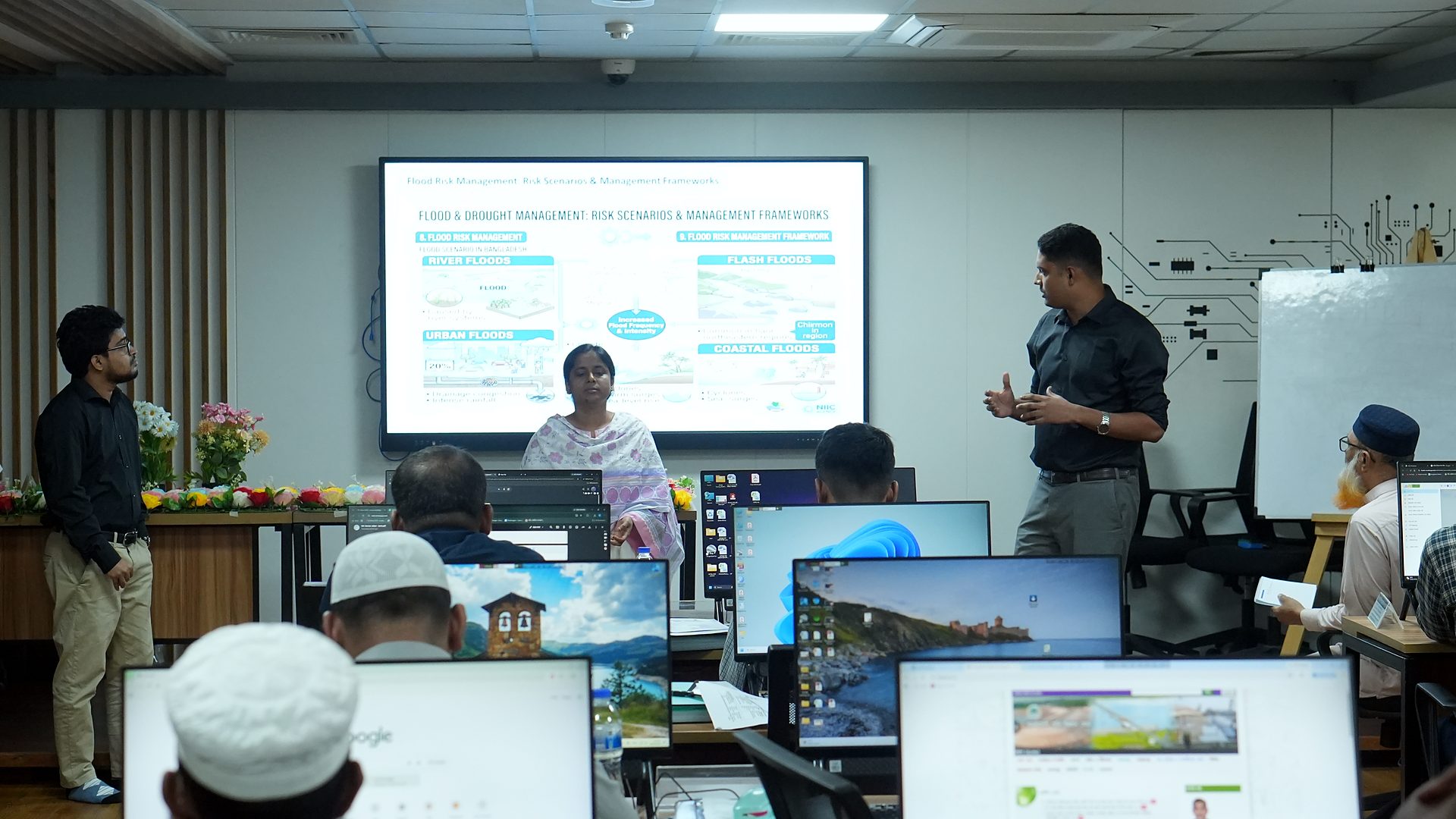
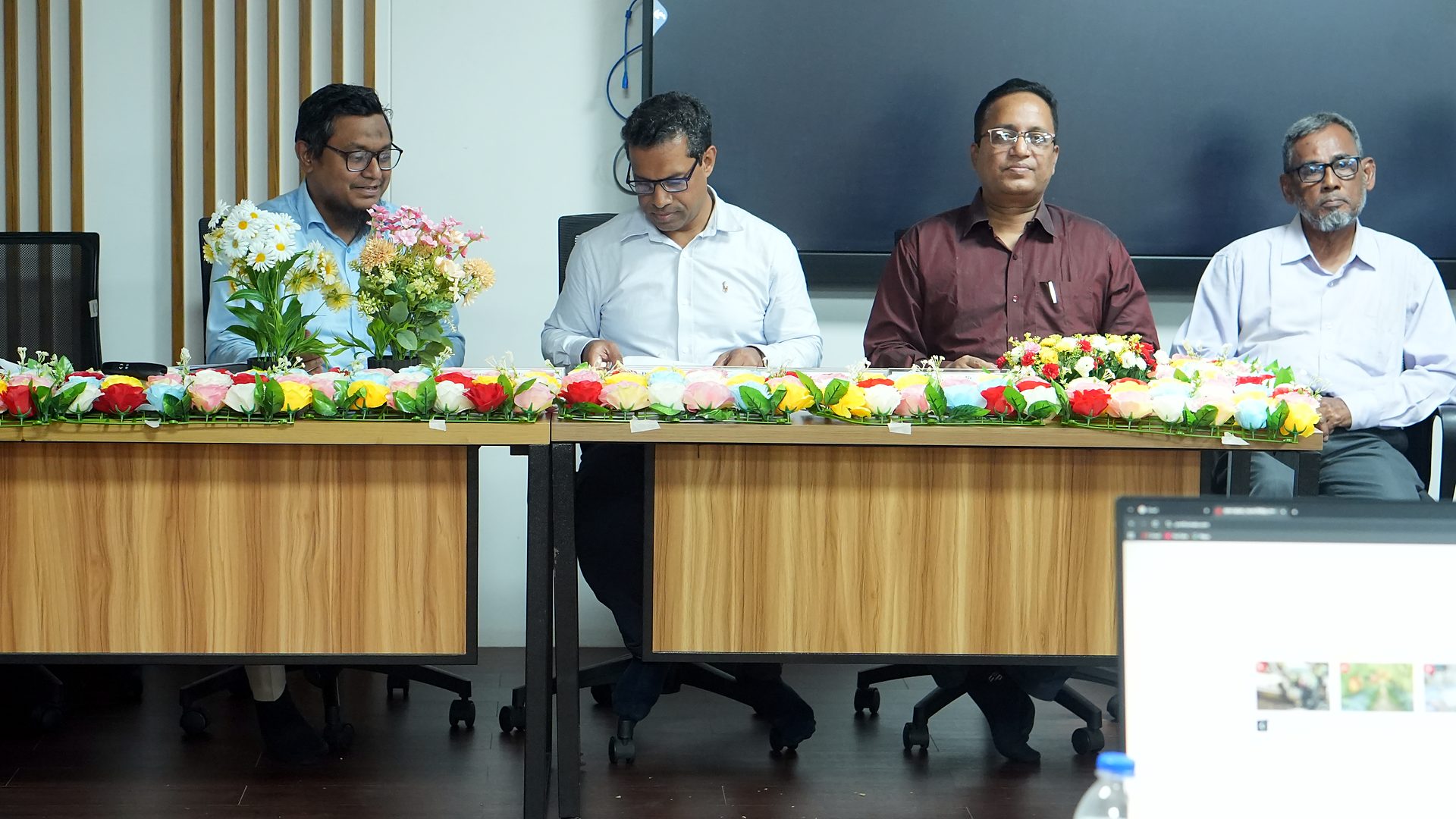
Sixteen further photographs from the three days at the Central ICT Lab, Pani Bhaban.
Why This Matters
Climate-smart agriculture in Bangladesh fails at the joins: between a basin plan and the canal that serves a single field, between the agency that delivers water and the agency that advises the farmer, between data that exists and decisions that use it. This course is designed around those joins, which is why it moves from basin to data to field and why its third day is taught by the Department of Agricultural Extension.
Running it a second time, for a cohort that brought environment and forest specialists, extension staff and finance officers into the room with BWDB’s engineers, widens the circle of officials who can think across those joins — the capacity the Climate-Smart Agriculture and Water Management Project ultimately depends on.
More from this Programme
Programme Snapshot
| Field | Detail |
|---|---|
| Course Title | Climate-Smart Agriculture and Water Management (CSAWM) — Focus: IWRM, GIS/IoT applications, climate-resilient irrigation and sustainable agriculture practices |
| Reference | CSAWMP-WDB-PCU-WD-22-7-CSAWM-02 — Package 22, Batch 7 |
| Duration | 3 days — 4 to 6 October 2026 |
| Venue | Central ICT Lab (Level-11), Pani Bhaban, BWDB, 72 Green Road, Dhaka-1205 |
| Participants | 25 officials of the Bangladesh Water Development Board |
| Ministry | Ministry of Water Resources, Government of the People’s Republic of Bangladesh |
| Implementing Agency | Bangladesh Water Development Board (BWDB) |
| Project | Climate-Smart Agriculture and Water Management Project (CSAWM Project), BWDB Part |
| Project Director | Pijush Krishna Kundu, Additional Chief Engineer (Civil) |
| Course Coordinator | Md. Hafizur Rahman, Deputy Chief Extension Officer, CSAWM Project (BWDB Part) |
| Sessions | 12 technical sessions across 3 days, four sessions per day |
| Resource Persons | 6 — four from BWDB and two from the Department of Agricultural Extension |
| Training Service Provider | Management and Training International Ltd. (MTI Ltd.) |
Frequently Asked Questions
What did the second CSAWM course cover?
Day 1, IWRM: principles and framework, basin planning, stakeholder governance, water balance and budgeting, surface–groundwater interaction, flood and drought, environmental flow and conflict resolution. Day 2, GIS and IoT: remote sensing, hydrological and asset mapping, sensor networks, smart irrigation, decision support and disaster risk mapping. Day 3: efficient irrigation and scheduling, salinity and waterlogging, conjunctive use, and sustainable agriculture practices, then a review.
Why was Day 3 taught by the Department of Agricultural Extension?
The Climate-Smart Agriculture and Water Management Project has a BWDB Part and a DAE Part. Irrigation scheduling, salinity management and sustainable farming practice are DAE’s field, so its Agricultural Engineer and Project Director for the DAE Part taught the third day.
How did this batch differ from the first CSAWM batch?
The module and most of the panel were the same. The Project Director taught the first IWRM session himself, and the closing review was led by Md. Enamur Rahman, Chief Water Management (PRL), through team presentations on river basins such as the Gumti.
Where and when was the training held?
At the Central ICT Lab, Level-11, Pani Bhaban, 72 Green Road, Dhaka, from 4 to 6 October 2026.
Who funded and organised the course?
The course was funded by the Climate-Smart Agriculture and Water Management Project (CSAWM Project), BWDB Part, under the Bangladesh Water Development Board, Ministry of Water Resources. MTI Ltd. served as the training service provider under reference CSAWMP-WDB-PCU-WD-22-7-CSAWM-02.
How many batches are planned under Package 21 and Package 22?
75 batches in total: 40 under Package 21 and 35 under Package 22. Four of the Package 22 batches are CSAWM courses; this was the second.