Second PWMR Batch: BWDB Officials Trained on Participatory Water Management Rules 2014 for Sustainable WMOs
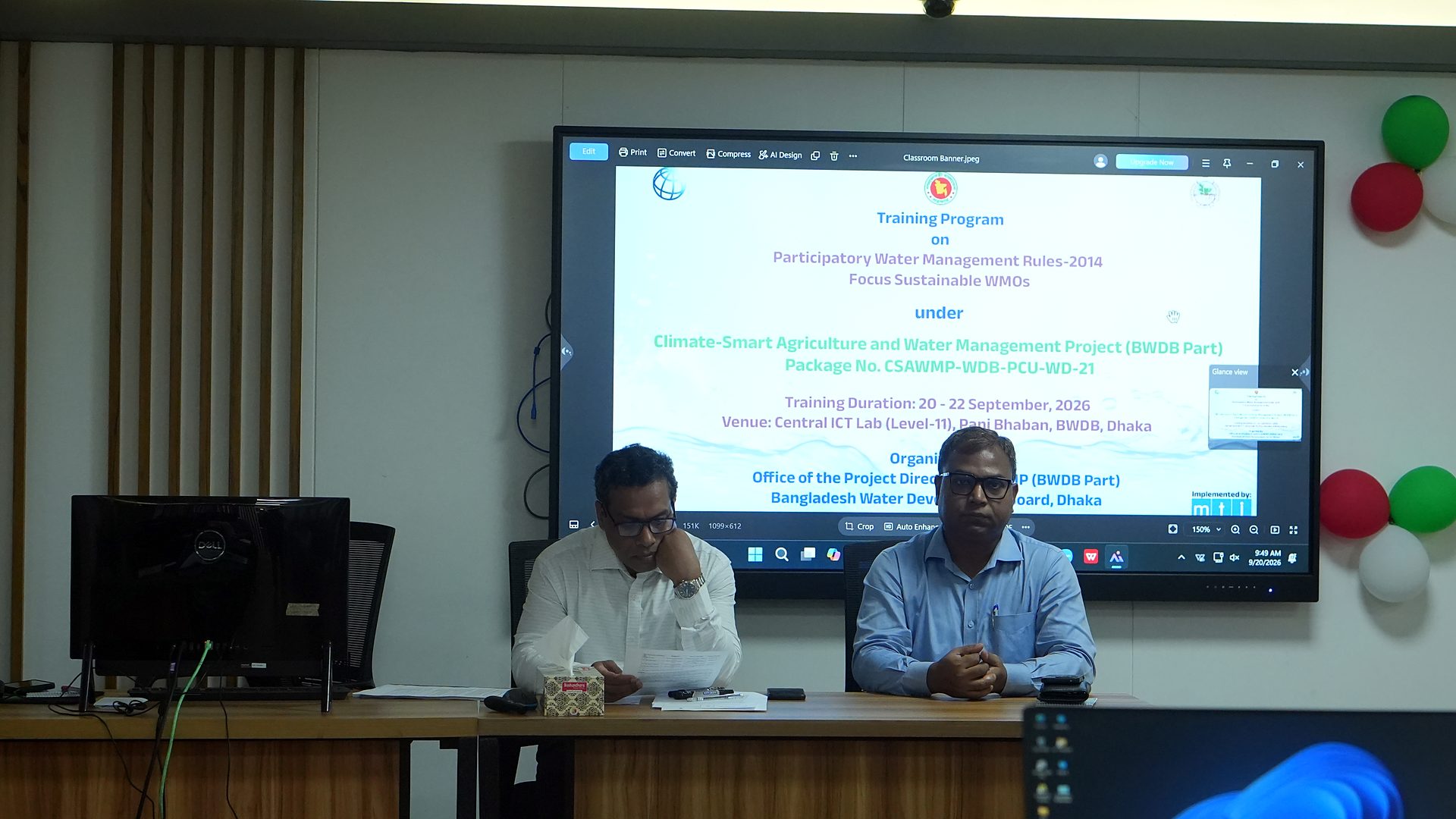
Management and Training International (MTI) Ltd. conducted the second running of the three-day course on the Participatory Water Management Rules 2014, with a focus on sustainable Water Management Organisations (WMOs), from 20 to 22 September 2026 at the Central ICT Lab, Level-11, Pani Bhaban, BWDB, Dhaka. Twenty-five officials of the Bangladesh Water Development Board (BWDB), under the Ministry of Water Resources, took part — the sixth batch under Package 21 of the Climate-Smart Agriculture and Water Management Project (CSAWM Project), BWDB Part.
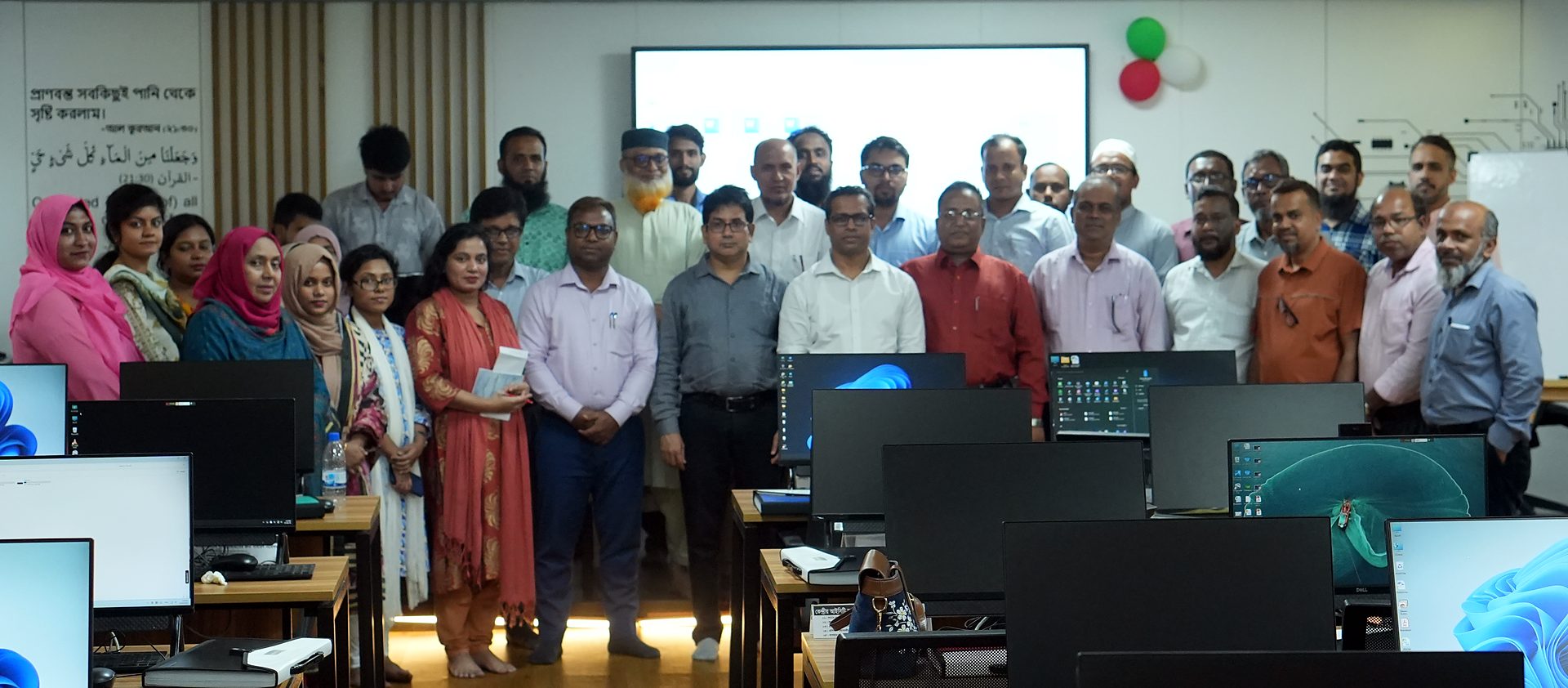
About the engagement: Under reference CSAWMP-WDB-PCU-WD-21-6-PWMR-02 (Course ID CSAWMP-WDB-PCU-WD-21/PWMR-02), MTI Ltd. is delivering the Package 21 training programme for the Climate-Smart Agriculture and Water Management Project (BWDB Part), implemented by the Bangladesh Water Development Board under the Ministry of Water Resources. The course was authorised by Office Order Memo Nos. 42.01.0000.000.647.25.0009.26-360 (course module) and 26-361 (participants), both dated 17 September 2026, following the Director General’s D-Nothi approval (Para 8.3) of the same date.
Rivers on the Screen
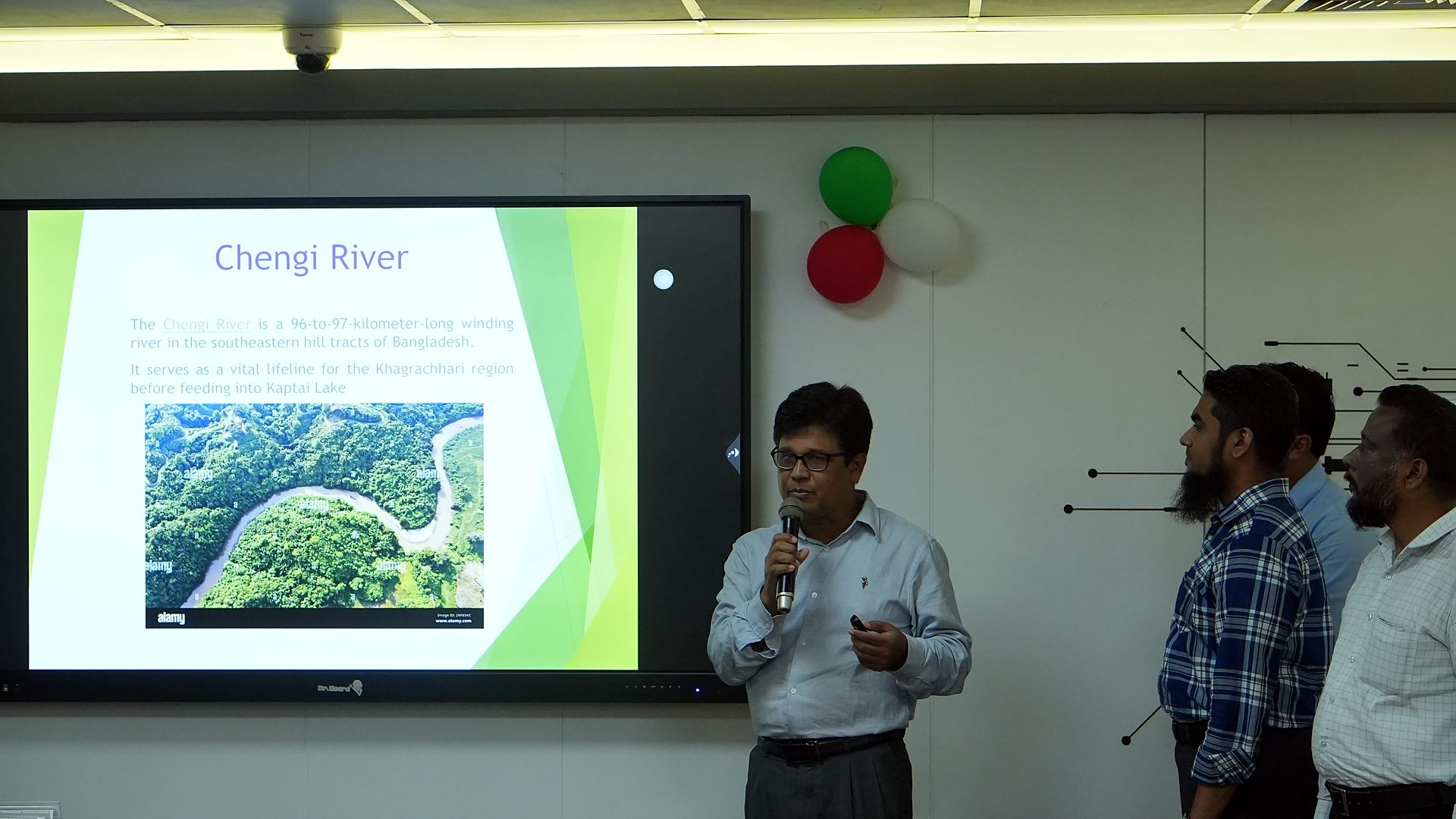
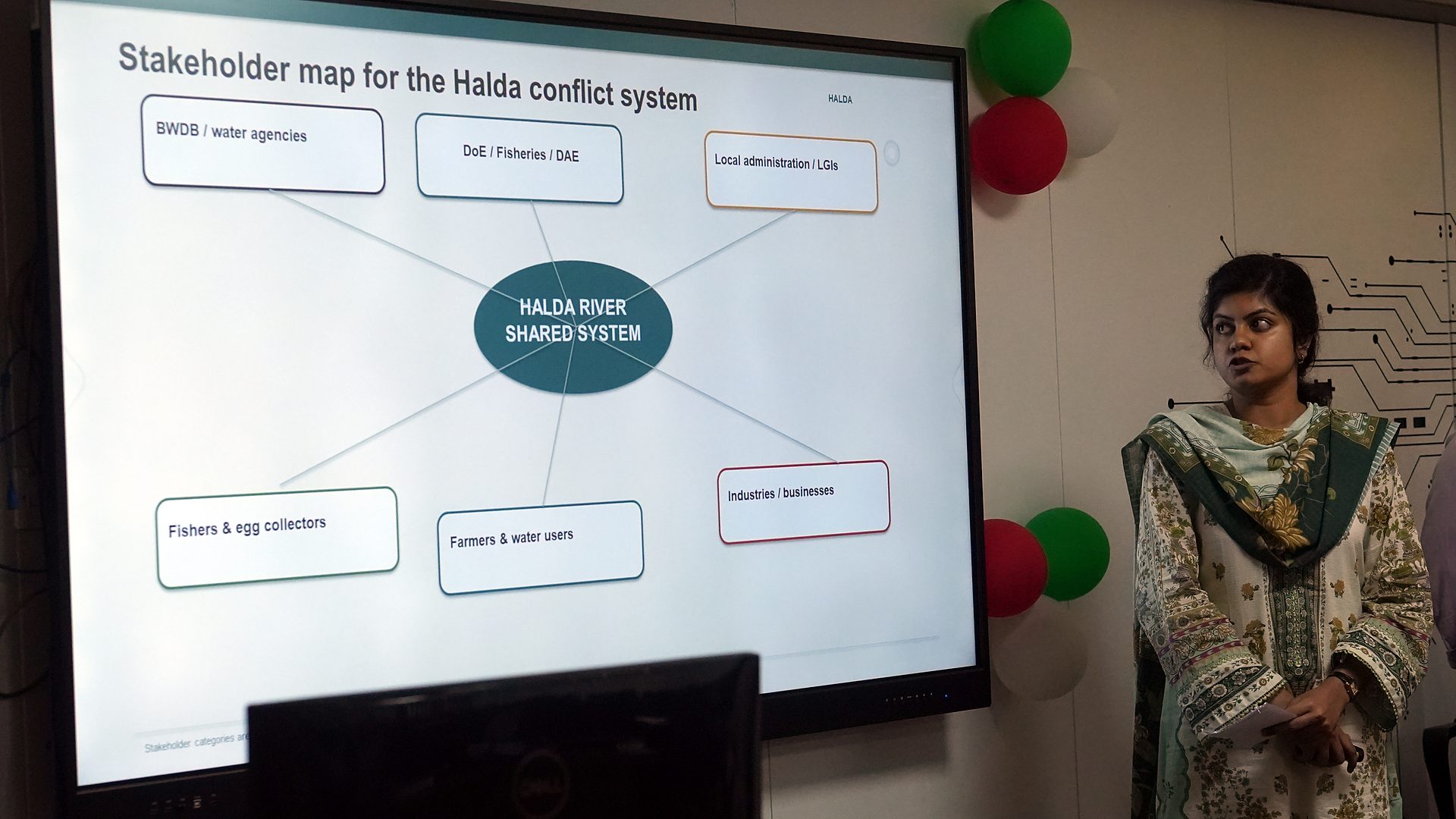
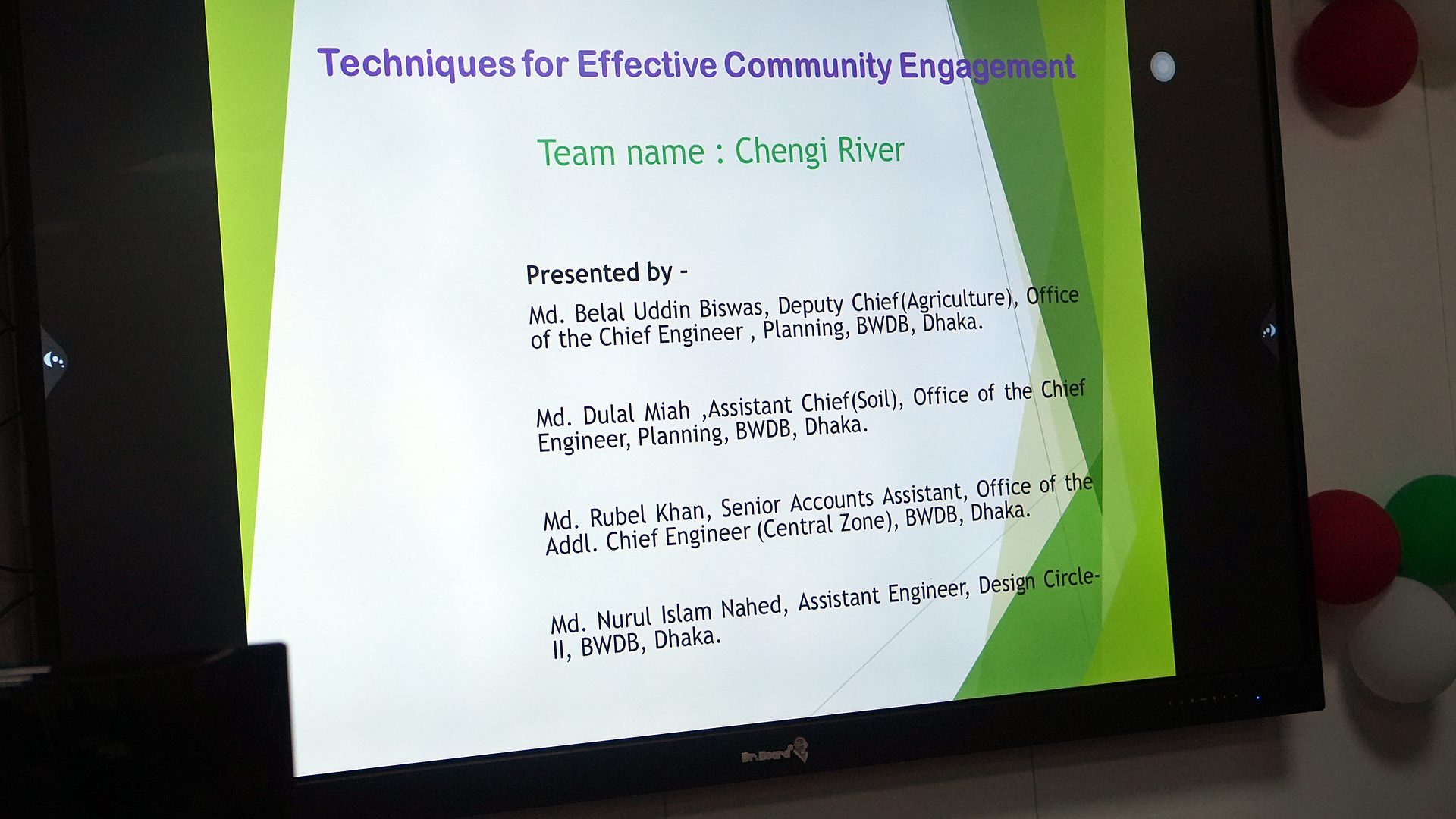
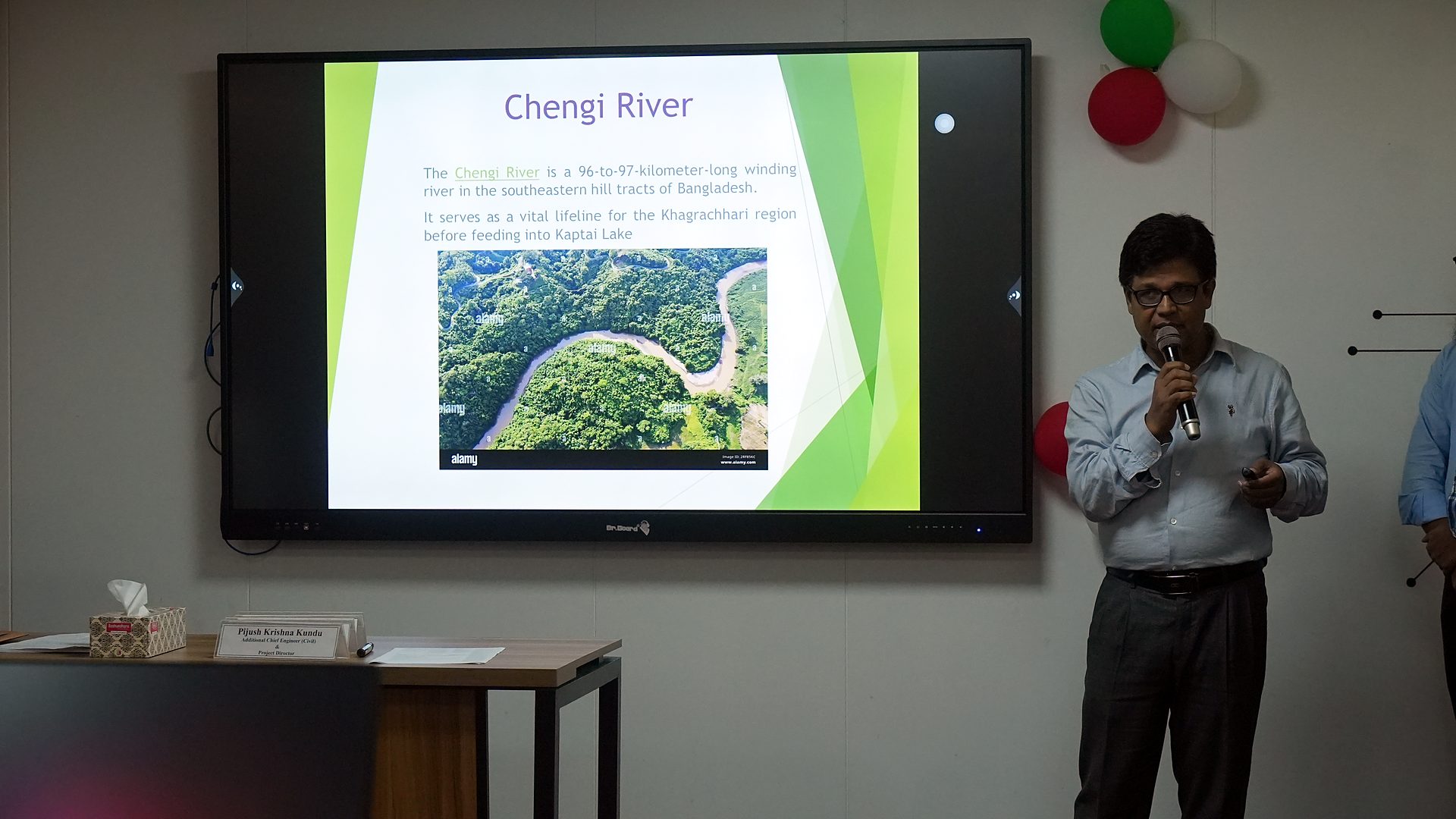
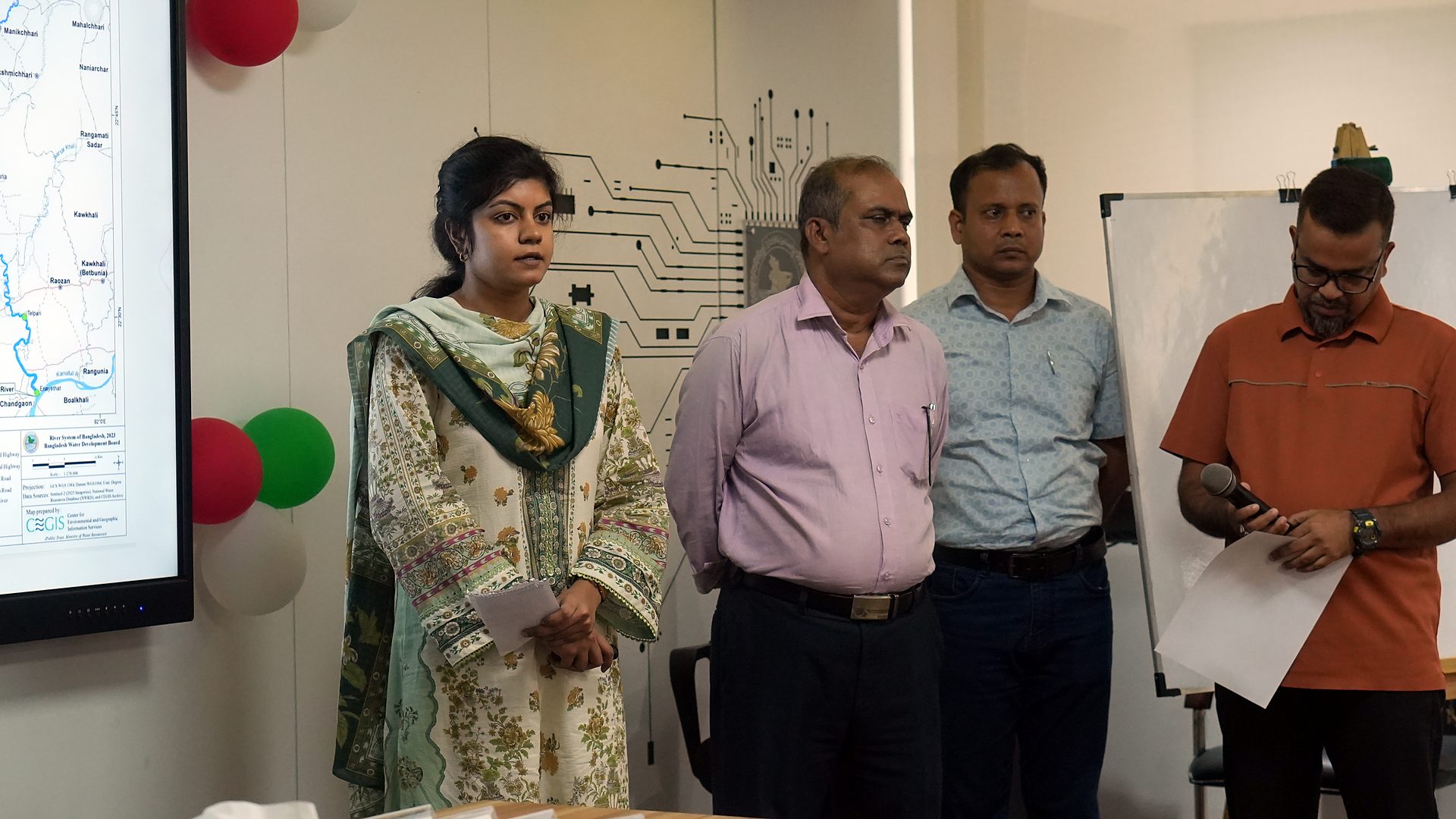
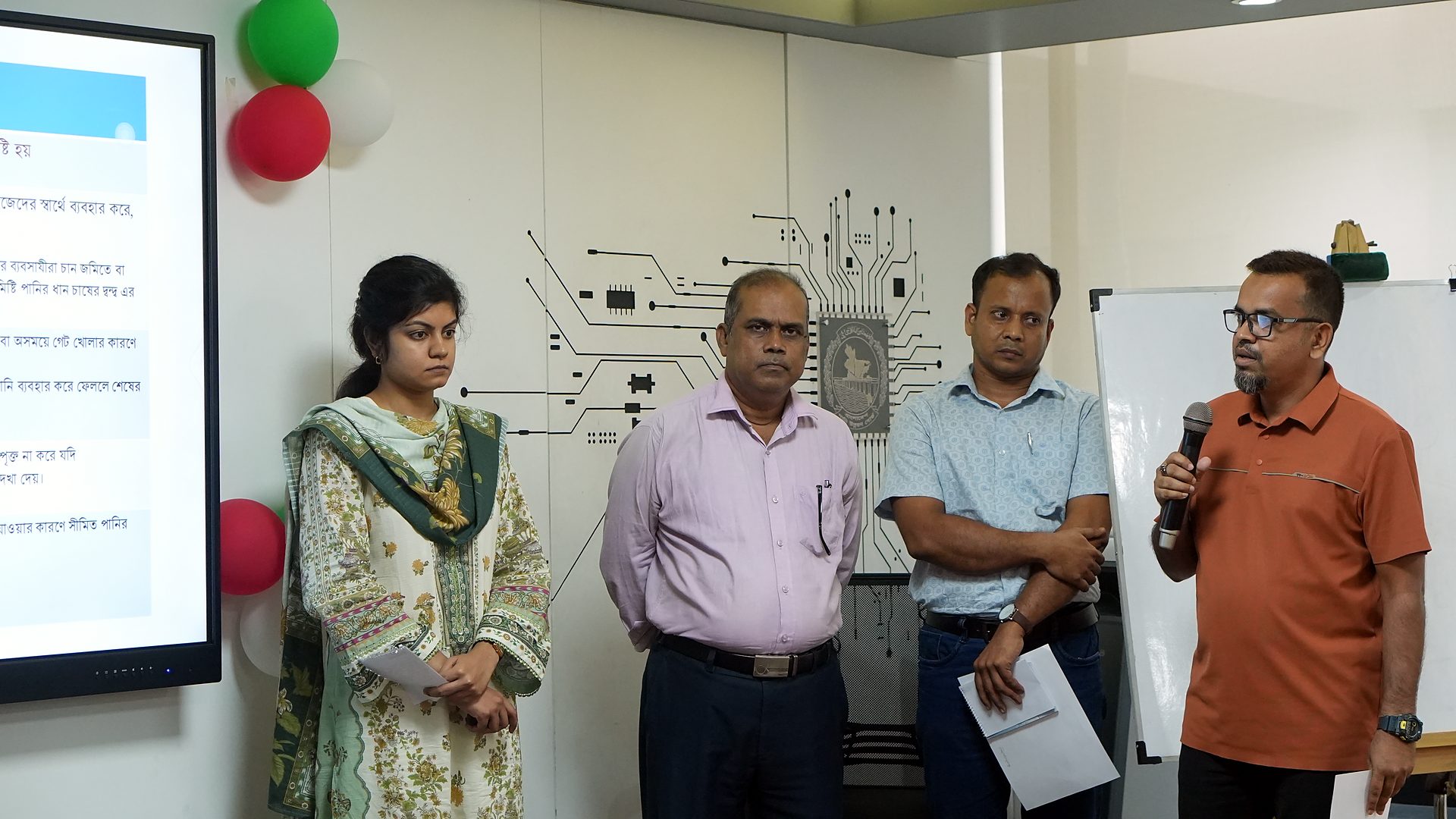
The first PWMR batch in July framed sustainability of Water Management Organisations as a financial and institutional problem. This second running kept the module and made it local. Participants were organised into teams named after Bangladesh’s rivers, and the teams brought those rivers into the room: the Chengi River team — a Deputy Chief (Agriculture), an Assistant Chief (Soil), an Assistant Engineer and a Senior Accounts Assistant — presented techniques for effective community engagement, and another group built a stakeholder map of the Halda River as a shared system, with BWDB, fisheries interests and local users around a common resource.
That is the honest way to teach the PWM Rules 2014. The rules describe a structure; whether it works depends on a specific river, its specific users and the disputes between them. The three days moved from the rules and their history (Day 1), to communities, networks and money (Day 2), to conflict, challenges and measurement (Day 3).
Resource Persons
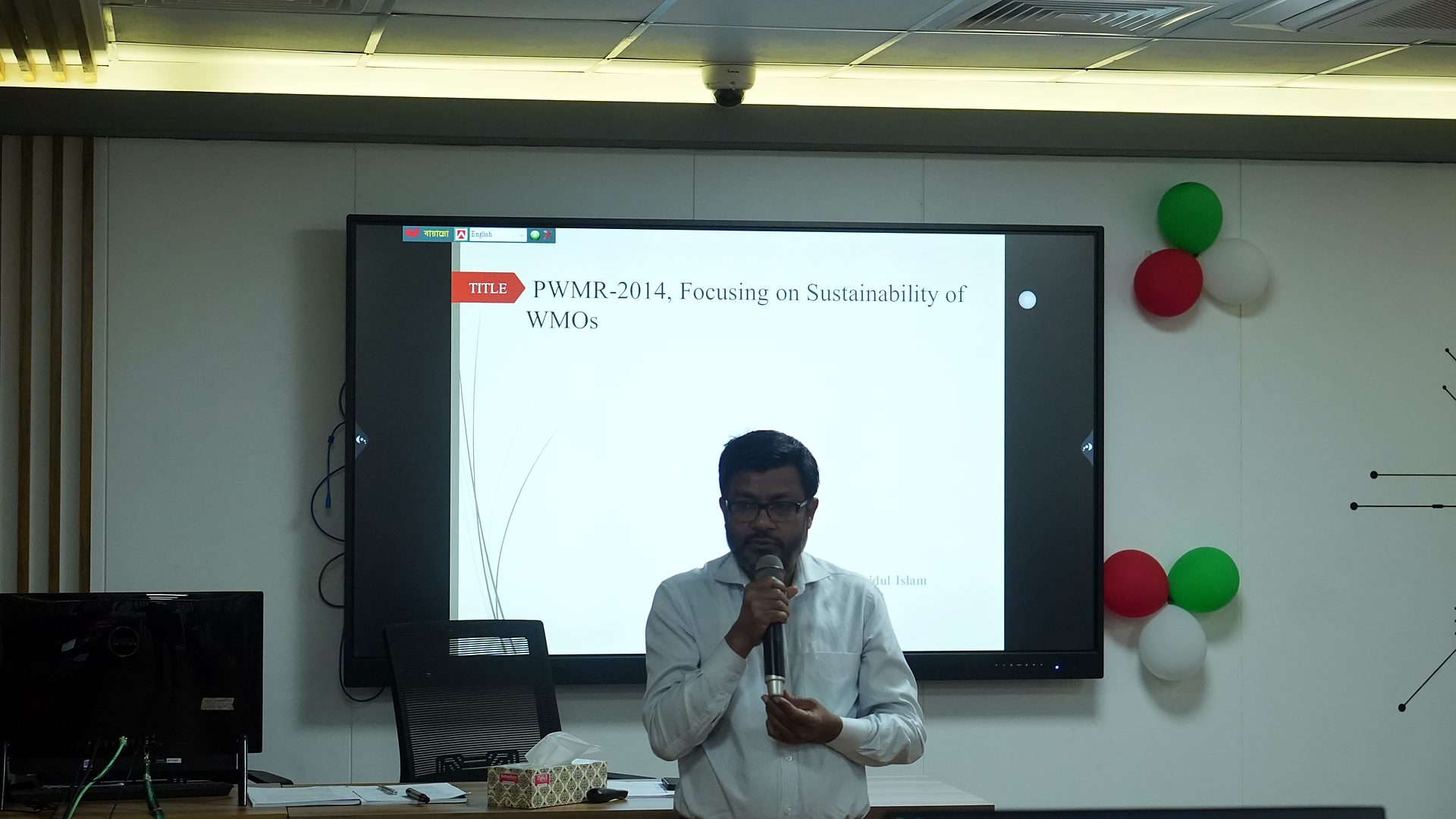
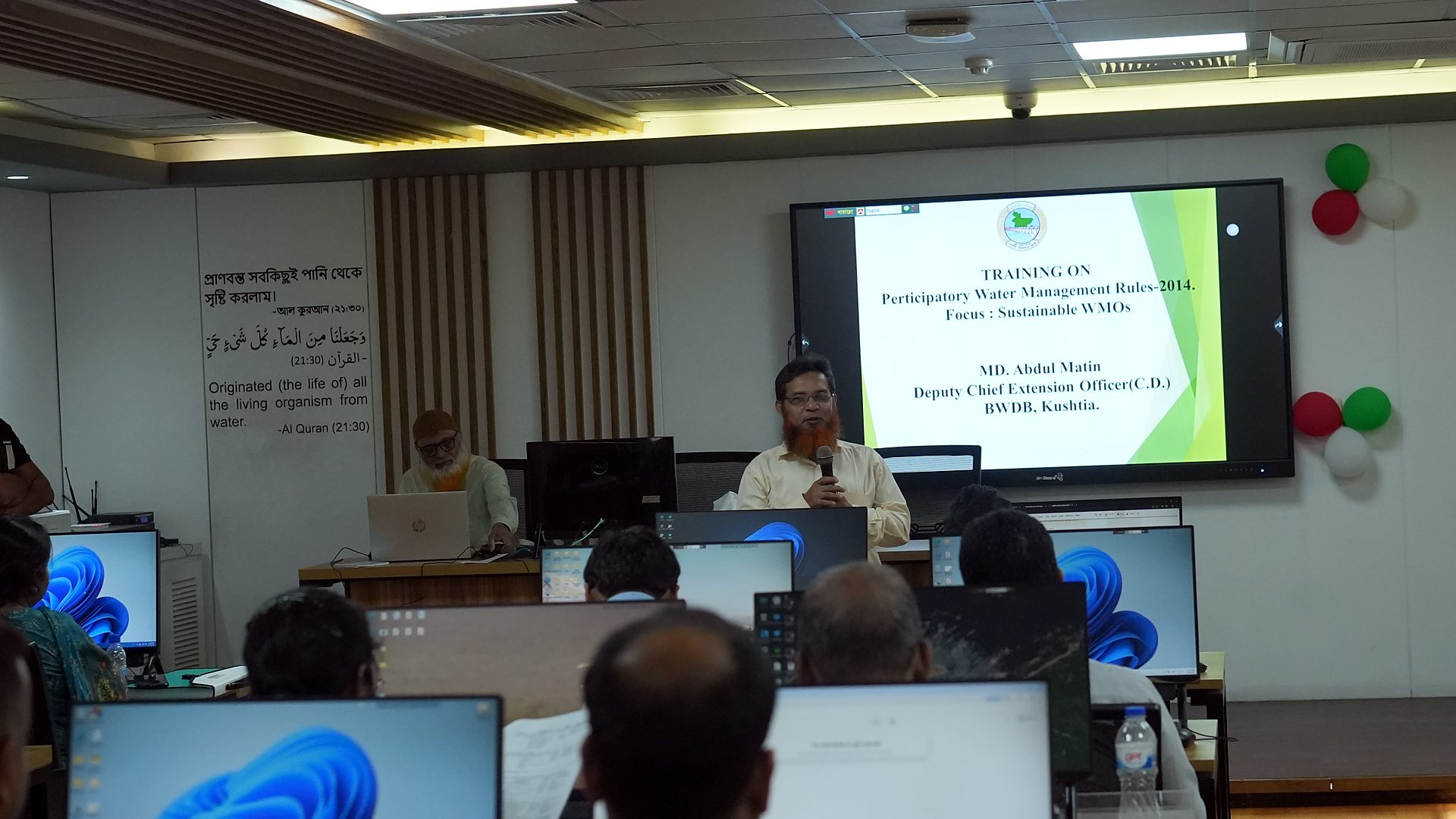
Seven senior professionals delivered the twelve sessions. The Project Director opened with the concept of participatory water management; the Board’s Chief Water Management (PRL) took the legal framework and monitoring; four Deputy Chief Extension Officers — including Md. Abdul Matin, who came in from the Kushtia office to teach WMO governance and financial sustainability — carried the community and institutional sessions; and the CSAWM Project’s Superintending Engineer chaired the closing review.
Additional Chief Engineer (Civil) & Project Director
CSAWM Project (BWDB Part)
Chief Water Management (PRL)
Bangladesh Water Development Board
Deputy Chief Extension Officer (CD)
CSAWM Project (BWDB Part)
Deputy Chief Extension Officer (CD)
Office of the Addl. Chief Engineer, Central Zone
Deputy Chief Extension Officer (CD)
Office of the DCEO (CD), Kushtia
Deputy Chief Extension Officer (CD)
Office of the DCEO (CD), Dhaka
Superintending Engineer (Civil)
CSAWM Project (BWDB Part)
Course Leadership
System Analyst
Directorate of Central ICT
Assistant Engineer (Civil)
CSAWM Project (BWDB Part)
Deputy Director (FA&A)
CSAWM Project (BWDB Part)
Managing Director
Management and Training International Ltd.
Six Building Blocks of a Sustainable WMO
Legal Foundation
The history of water management policy in Bangladesh, the PWM Rules 2014 and their legal basis, and the roles of BWDB, WMOs and local government.
Formation & Structure
How WMOs are structured, formed and registered, and how they link to BWDB and other stakeholders.
Community Engagement
Building trust, communication and collaboration, and the tools of participatory planning and decision-making.
Networks & Governance
Partnerships with Local Government Institutions and GoB line departments; leadership, transparency and accountability inside WMOs.
Financial Sustainability
Revenue generation and fund management, access to government and donor support, and staying solvent after the project.
Conflict, Challenges & M&E
Resolving conflict and reaching consensus, overcoming institutional, financial and technical barriers, and measuring impact.
Day-by-Day Course Schedule
Participants reported to the Central ICT Lab at 08:30 on the first morning and at 09:00 on the following two days. Each day ran four sessions and closed at 16:00.
- 08:30–09:20 Inauguration of the Training Course Registration and breakfast; introduction of participants; objectives and detailed agenda; participants’ expectations; pre-evaluation; a brief introduction to the CSAWM Project (BWDB Part). Methods: self-introduction, questionnaire, lecture discussion. Pijush Krishna Kundu Project Director, CSAWM Project (BWDB Part), with the course management team
- 09:20–10:40 Session 1 — Understanding of Participatory Water Management Concept and features of participatory water management in the context of Bangladesh; the benefits of involving communities; characteristics and benefits of PWM. Methods: large group discussion with PPP, brainstorming, VIPP. Pijush Krishna Kundu Project Director, CSAWM Project (BWDB Part)
- 10:40–10:50 Refreshment and tea break
- 10:50–12:10 Session 2 — Policy and Legal Framework Historical background of water management policy in Bangladesh; overview of the PWM Rules 2014 and their legal basis; institutional roles of BWDB, Water Management Organisations and local government. Methods: large group discussion with PPP, small group work. Md. Enamur Rahman Chief Water Management (PRL), BWDB
- 12:10–13:30 Session 3 — Institutional Framework and WMO Formation Organisational structure of WMOs; formation, registration and operational guidelines; the institutional linkage between BWDB, WMOs and other stakeholders. Methods: interactive discussion, case analysis. Md. Hafizur Rahman Deputy Chief Extension Officer (CD), CSAWM Project (BWDB Part)
- 13:30–14:20 Lunch and prayer break
- 14:20–15:40 Session 4 — Comparative Analysis of PWM Successful PWM initiatives in Bangladesh and globally; comparing PWM models across global and local contexts; their applicability in Bangladesh. Methods: experience sharing, brainstorming. Md. Hafizur Rahman Deputy Chief Extension Officer (CD), CSAWM Project (BWDB Part)
- 15:40–16:00 Day review and refreshment
- 09:00–10:20 Session 1 — Community Engagement Strategies in PWM Techniques for effective community engagement; building trust and fostering communication and collaboration; tools for participatory planning and decision-making. Methods: large group discussion with PPP, Q&A. Dr. Md. Zahidul Islam Deputy Chief Extension Officer (CD), Office of the Additional Chief Engineer, Central Zone
- 10:20–10:40 Refreshment and tea break
- 10:40–12:00 Session 2 — Networking with Private Organisations and GoB Line Agencies Key problems and challenges in PWM; solutions and best practices; developing partnerships with Local Government Institutions and GoB line departments. Methods: brainstorming, small group work. Dr. Md. Zahidul Islam Deputy Chief Extension Officer (CD), Office of the Additional Chief Engineer, Central Zone
- 12:00–13:20 Session 3 — Governance and Capacity Development of WMOs Leadership, transparency and accountability inside WMOs; capacity-building approaches for effective operations; community empowerment. Methods: small group work, interactive discussion. Md. Abdul Matin Deputy Chief Extension Officer (CD), Office of the DCEO (CD), Kushtia
- 13:20–14:20 Lunch and prayer break
- 14:20–15:40 Session 4 — Financial Sustainability of WMOs Revenue generation and fund management; accessing government and donor support; best practices that keep a WMO solvent once project funding ends. Methods: interactive discussion, large group discussion with PPP. Md. Abdul Matin Deputy Chief Extension Officer (CD), Office of the DCEO (CD), Kushtia
- 15:40–16:00 Refreshment and tea break
- 09:00–10:20 Session 1 — Conflict Resolution The concept and dimensions of conflict in water management projects; its effects on delivery; strategies for resolving conflict and reaching consensus. Methods: interactive discussion, story telling, large group discussion with PPP. Muhammad Monirul Alam Sarker Deputy Chief Extension Officer (CD), Office of the DCEO (CD), Dhaka
- 10:20–10:40 Refreshment and tea break
- 10:40–12:00 Session 2 — Challenges and Solutions in Participatory Water Management Common challenges faced by WMOs; strategies to overcome institutional, financial and technical barriers; case studies and best practice. Methods: VIPP, story telling, large group discussion with PPP. Muhammad Monirul Alam Sarker Deputy Chief Extension Officer (CD), Office of the DCEO (CD), Dhaka
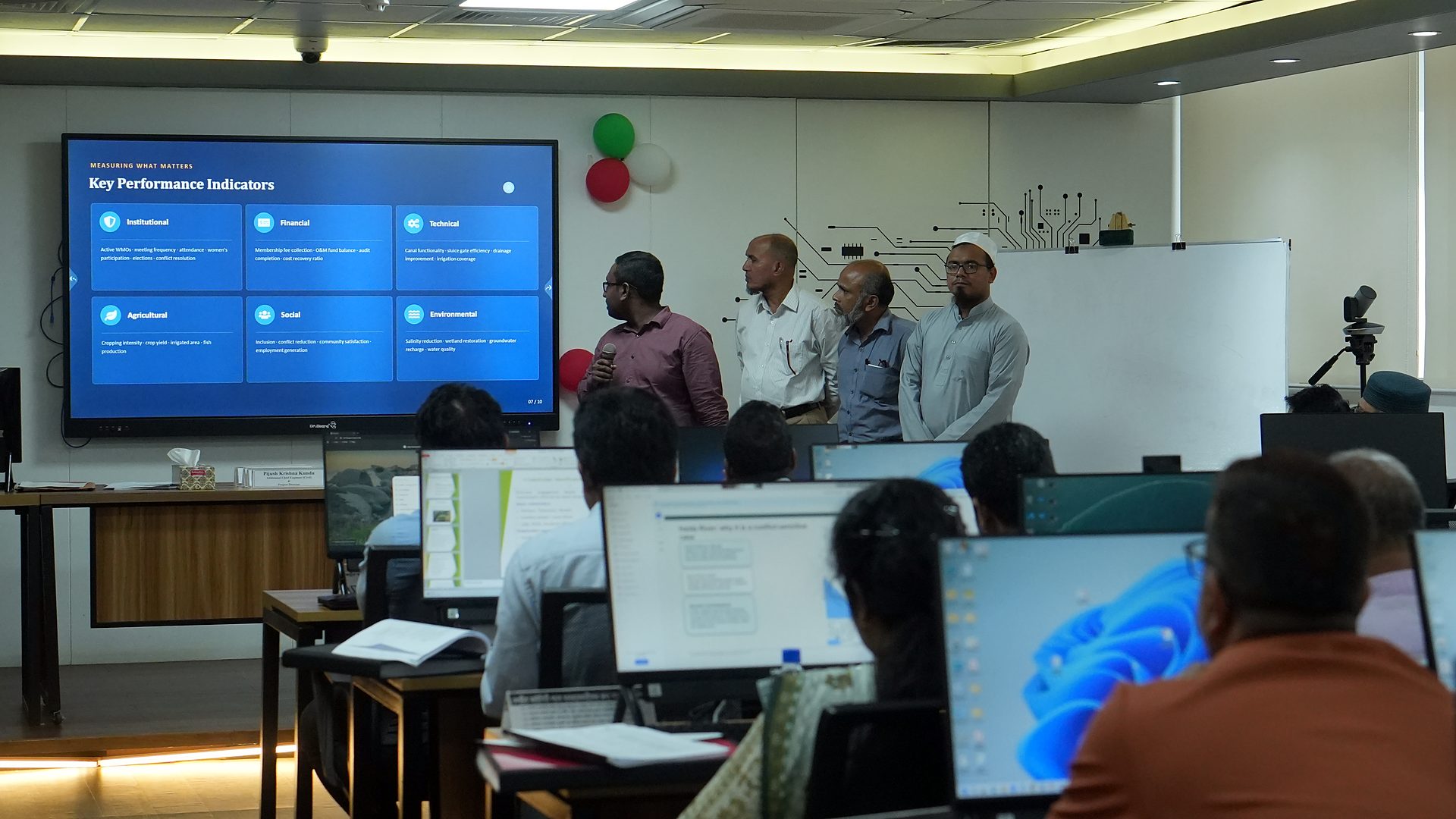
- 12:00–13:20 Session 3 — Monitoring and Evaluation of PWM Projects Why monitoring and evaluation matter in PWM; key indicators and methods for assessing impact and success. Methods: interactive discussion, story telling. Md. Enamur Rahman Chief Water Management (PRL), BWDB
- 13:20–14:20 Lunch and prayer break
- 14:20–15:40 Session 4 — Review of the Training Course A structured review of the three days, with participant groups presenting the key learnings from each day to a review panel. Methods: group presentation, large group discussion. Md. Sultan Mahmud Superintending Engineer (Civil), CSAWM Project (BWDB Part)
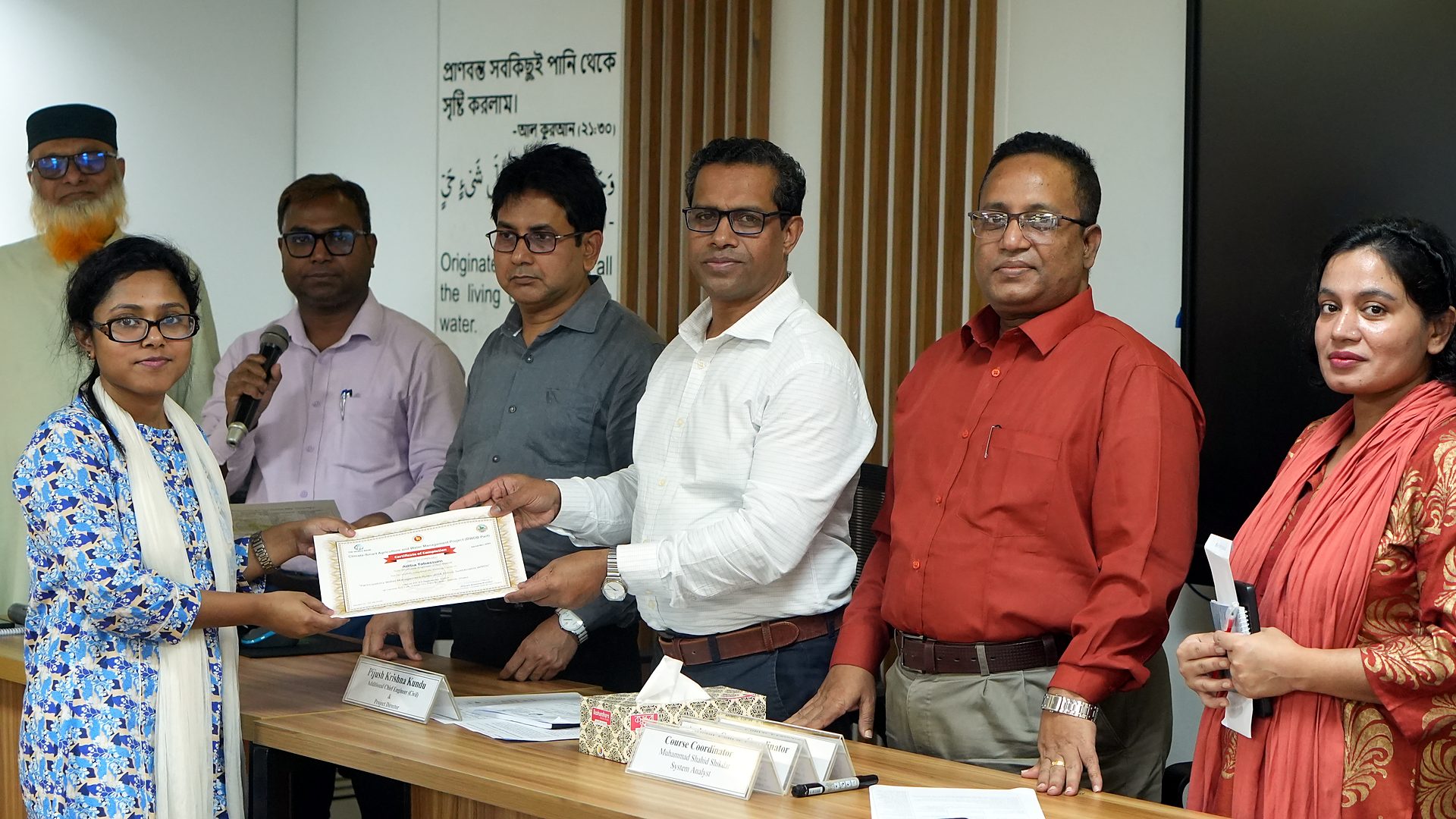
- 15:40–16:00 Closing ceremony — post-evaluation, course evaluation and certificate distribution Pijush Krishna Kundu Project Director, CSAWM Project (BWDB Part), with the course management team
Training Methodology
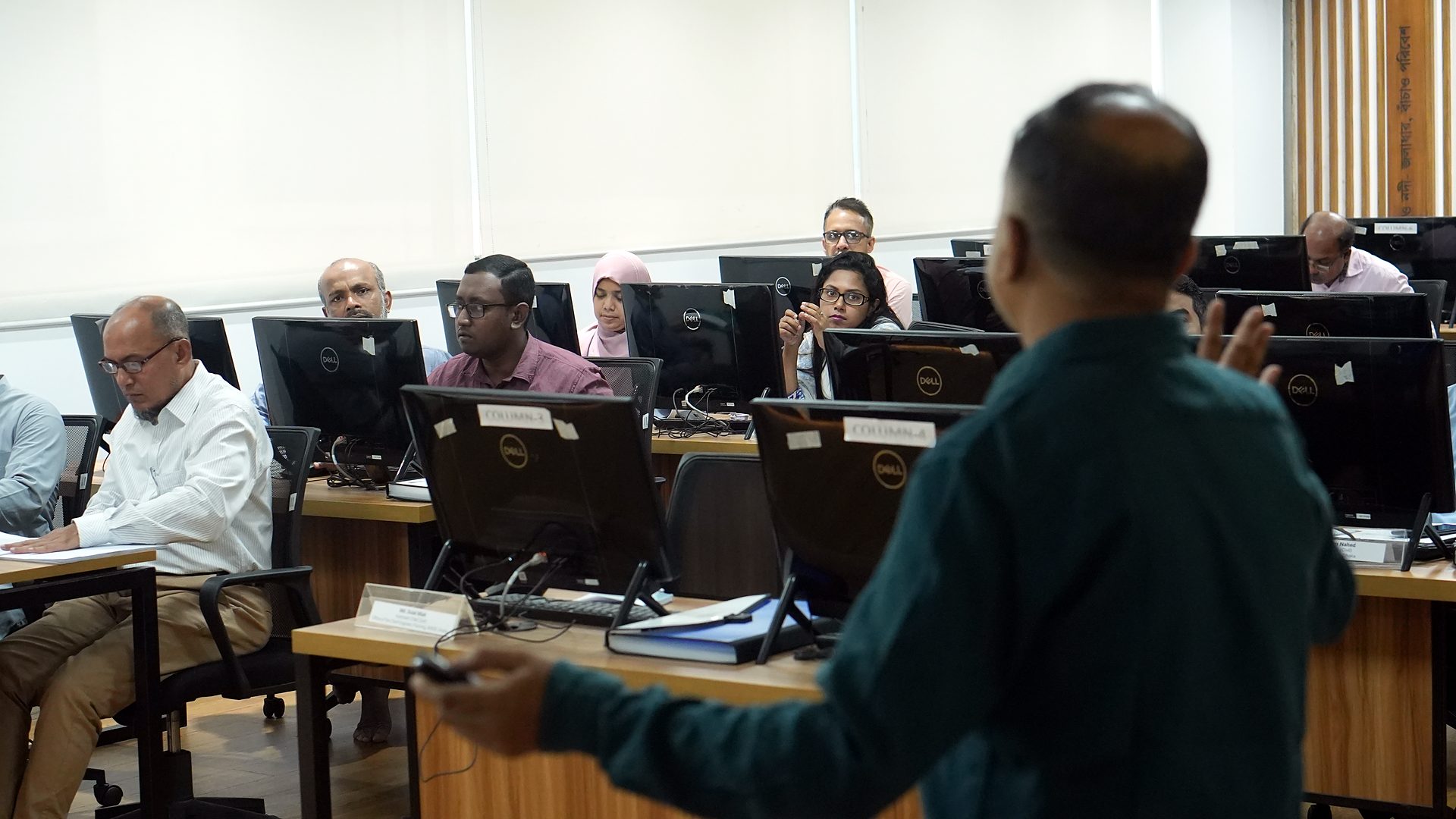
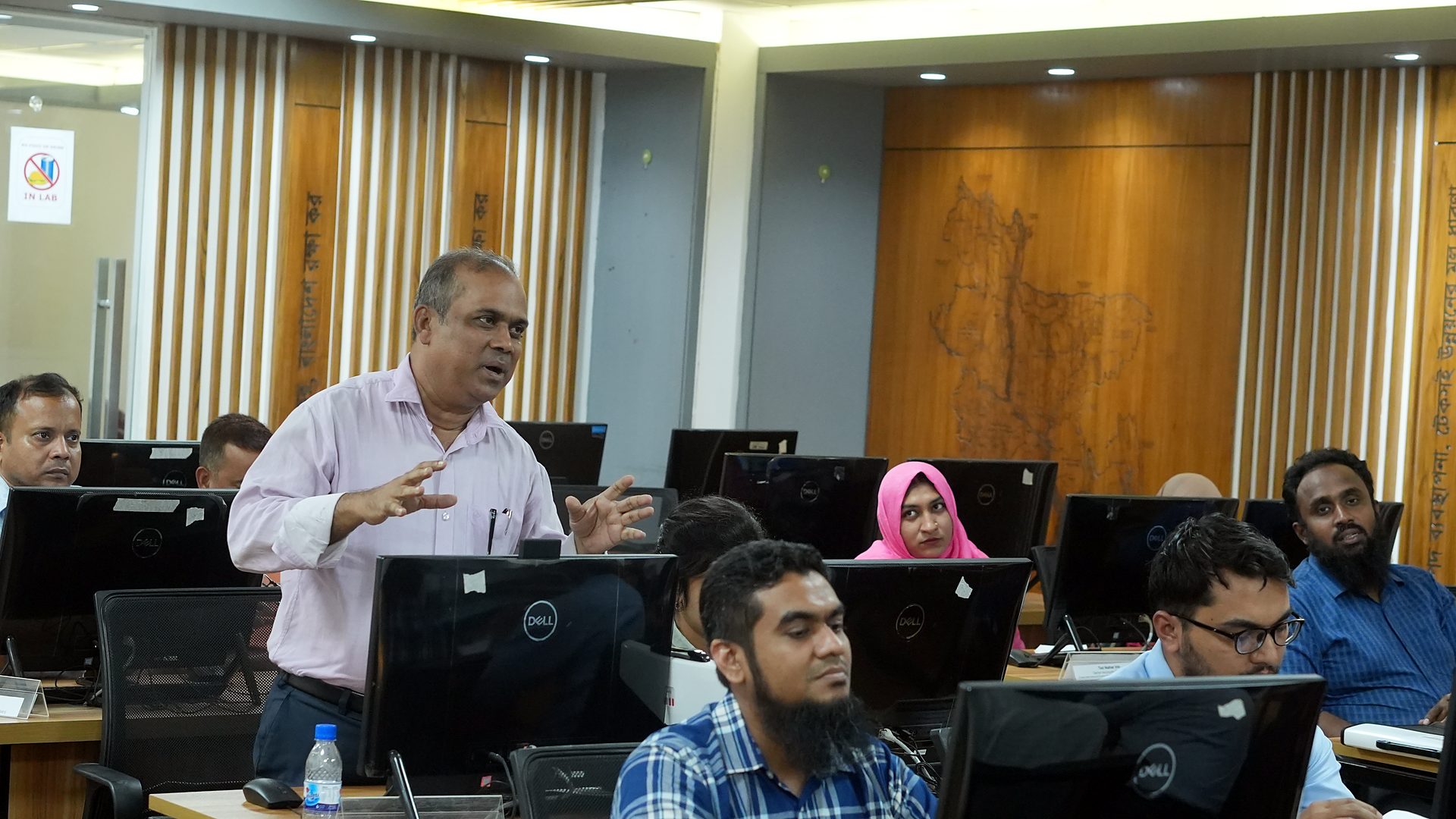
Every session paired its content with an interactive method. Three of the Day 3 sessions used story telling — the right instrument for a subject that succeeds or fails in particular villages over particular disputes — and the course closed with river-named groups presenting to a review panel.
Group Presentations & Course Review
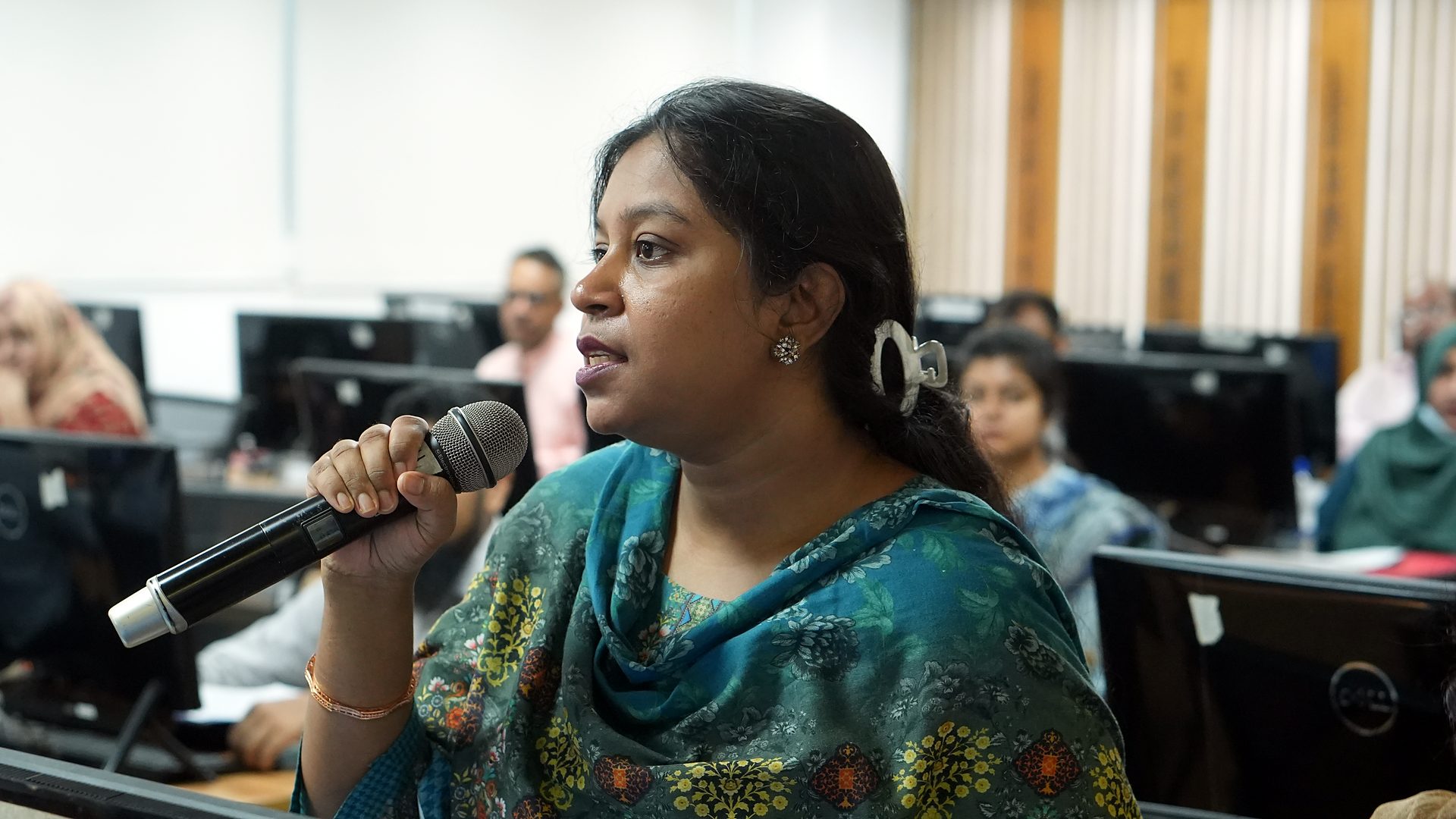
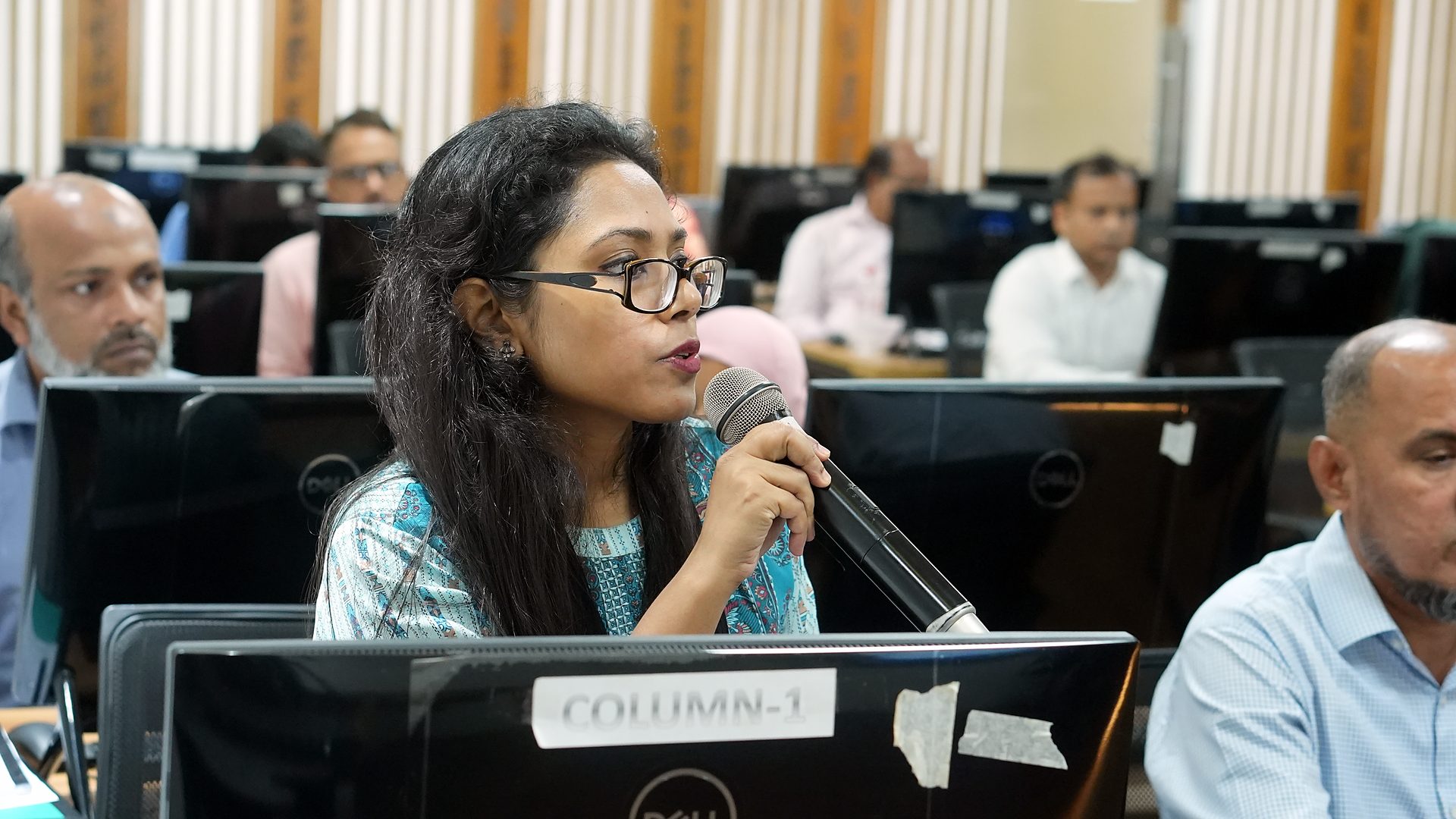
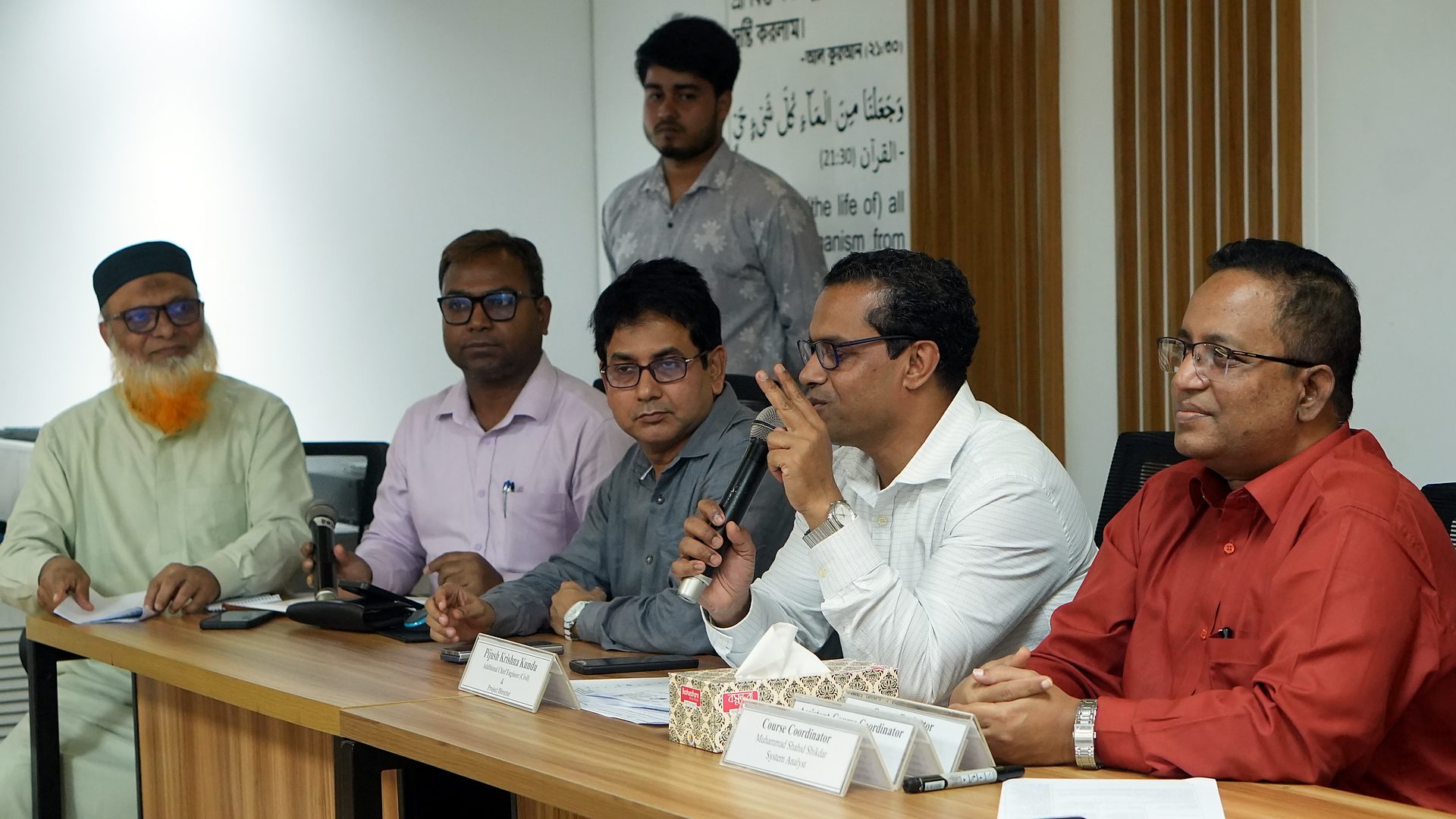
On the final afternoon the river-named teams presented their syntheses to a review panel led by the CSAWM Project’s Superintending Engineer, with the Project Director and course management at the dais. Topics ranged from community engagement techniques to the Halda conflict map and the performance indicators by which a WMO should be judged.
Who Was in the Room
As in the first PWMR batch, BWDB put its money people in the room. Nine of the twenty-five participants came from accounts — an Assistant Director (Accounts), two Assistant Accountants and six Senior Accounts Assistants from the Directorate of Accounts, the Central RAC and divisional offices. Around them sat ten engineers, two Deputy Chiefs (Agriculture and EF&A), an Assistant Chief (Soil), a Research Officer, an Assistant Director (Admin) and a Sub-Assistant Engineer. Five participants came from field offices in Narsingdi, Mymensingh, Nawabganj, Narayanganj and Gazipur; twenty-two offices were represented in all.
Full Participant Roster
Executive Engineer (Civil)
Office of the Chief Engineer (Civil), Monitoring, BWDB, DhakaExecutive Engineer (Civil)
Design Circle-6, BWDB, DhakaDeputy Chief (Agriculture)
Office of the Chief Engineer, Planning, BWDB, DhakaDeputy Chief (EF&A)
Office of the Addl. CE, ICZ&CCM, BWDB, Dhaka.Sub-Divisional Engineer (Civil)
Narsingdi WD Division, BWDB. NarsingdiSub-Divisional Engineer (Civil)
Office of the Chief Engineer (Civil), Planning, BWDB, DhakaSub-Divisional Engineer (Civil)
Joint Rivers Commission, BangladeshAssistant Engineer (Civil)
Design Circle-2, BWDB, DhakaAssistant Engineer (Civil)
Design Circle-2, BWDB, DhakaAssistant Engineer (Civil)
Design Circle- 4, BWDB, DhakaAssistant Engineer (Civil)
Mymensingh WD Circle, BWDB, MymensinghAssistant Engineer (Civil)
North Eastern Hydrology Measurement Division, BWDB, DhakaAssistant Chief (Soil)
Office of the Chief Engineer, Planning, BWDB, DhakaResearch Officer (Environment & Forest)
Office of the Chief Water Management, BWDB, Dhaka.Assistant Director (Accounts)
Disasters Risk Management Enhancements Programme, BWDB, DhakaAssistant Director (Admin)
Directorate of Security & Intelligence BWDB, DhakaSub-Assistant Engineer (Civil)
River Morphology Processing Branch, BWDB, DhakaAssistant Accountant
Directorate Of Accounts, BWDB, DhakaAssistant Accountant
Central RAC, BWDB, DhakaSenior Accounts Assistant
Nawabganj WD Division, BWDB, NawabganjSenior Accounts Assistant (SAA)
Dhaka Mechanical (Pump House) Division, BWDB, NarayanganjSenior Accounts Assistant (SAA)
Gazipur WD Division, BWDB, GazipurSenior Accounts Assistant (SAA)
Office of the Addl. Chief Engineer, Central Zone, BWDB, DhakaSenior Accounts Assistant (SAA)
Design Circle-4, BWDB, DhakaSenior Accounts Assistant (SAA)
Directorate Of Accounts, BWDB, DhakaContinuity across the programme: three participants — Md. Humayun Kabir, Nilufar Yasmin and Md. Dulal Miah — came to this course from the O&M and Exit Strategy batch earlier in September, carrying the handover question straight into the WMO sessions. A.K.M. Maminul Islam had attended the second DPP course and Md Jahangir Alam the second Project Management course in Package 22.
Closing Ceremony & Certification
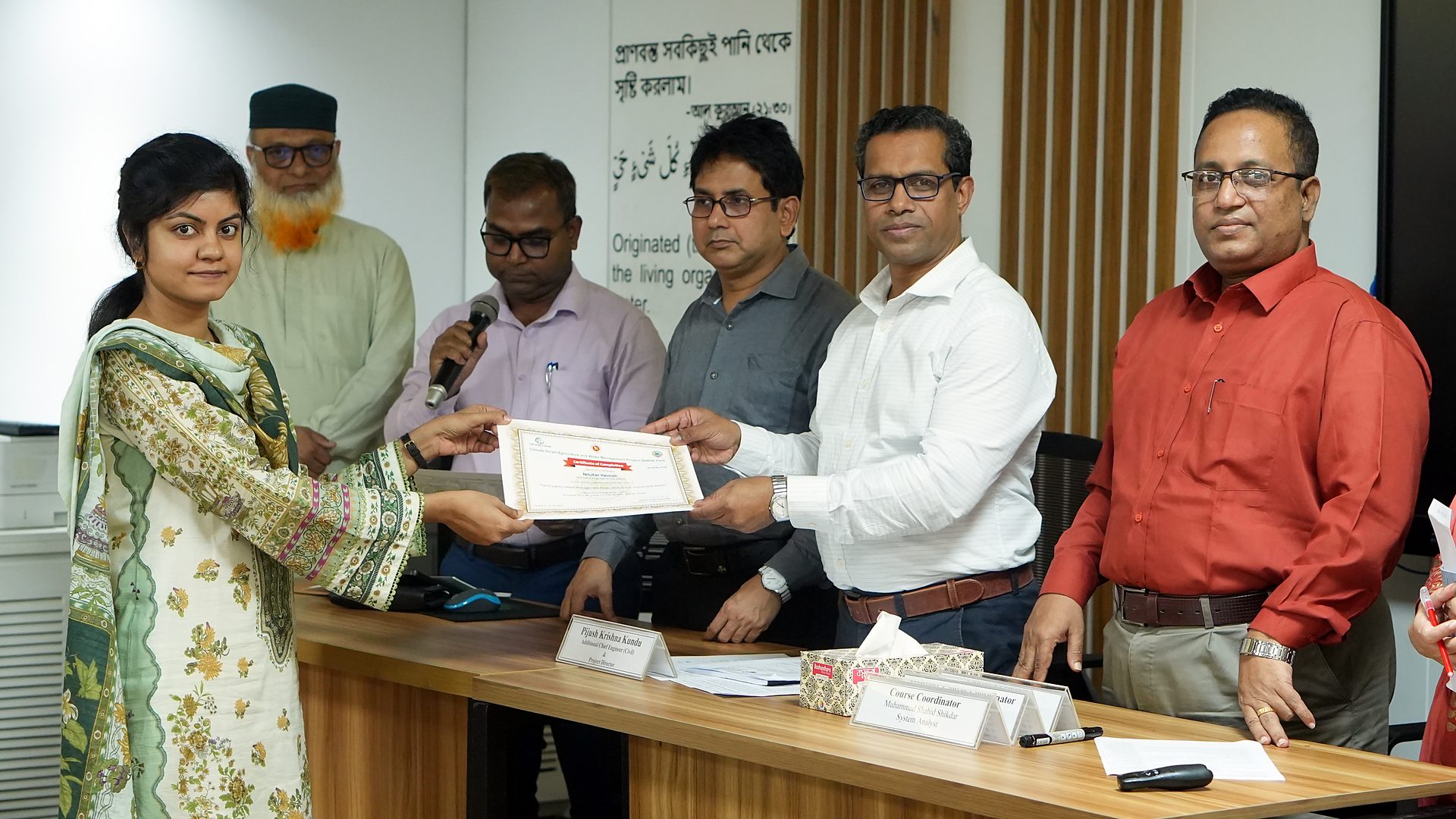
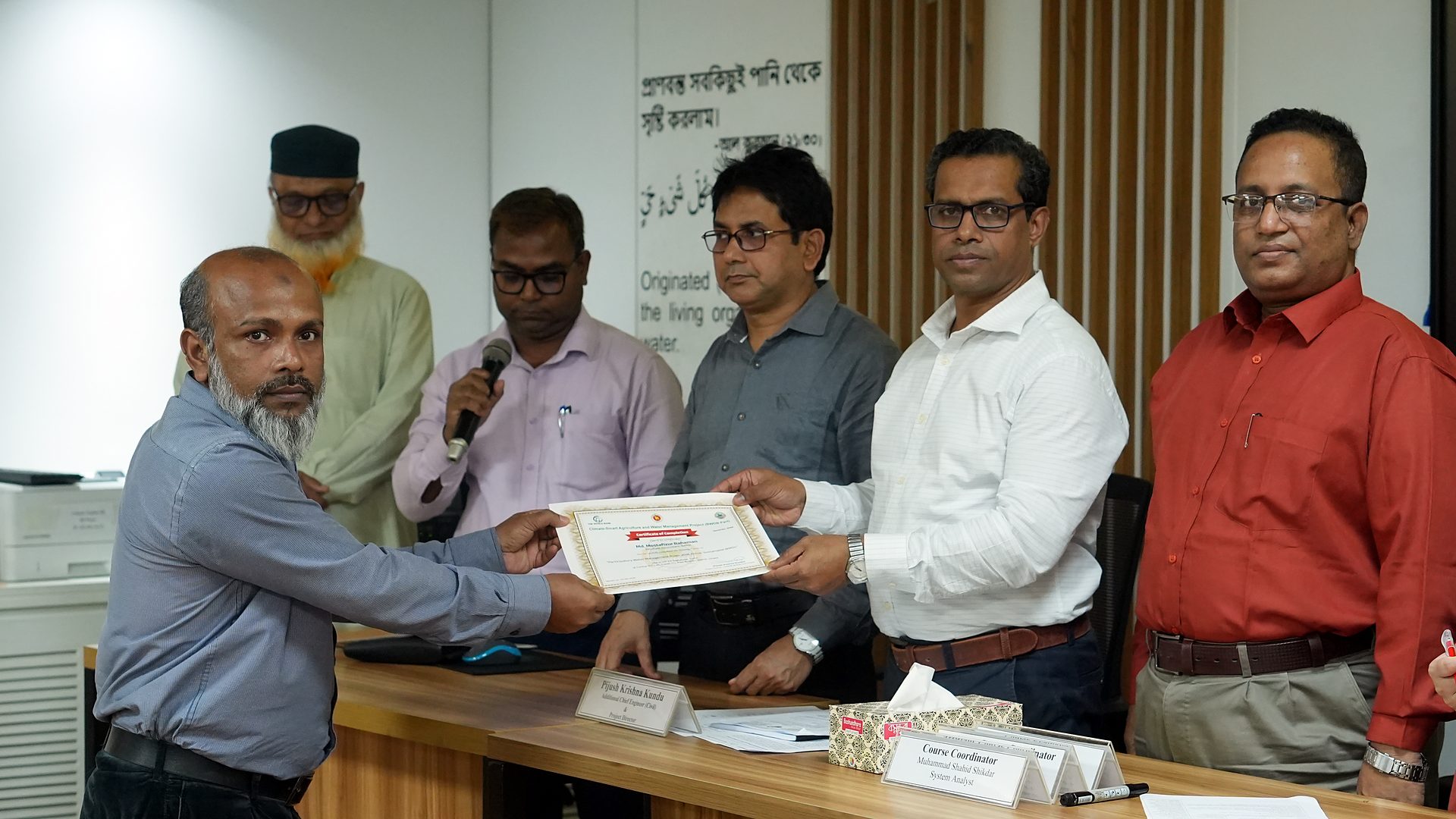
The Project Director closed the course on the afternoon of 22 September 2026. After the post-evaluation and the participants’ course evaluation, certificates were presented at the dais.
The Course in Pictures
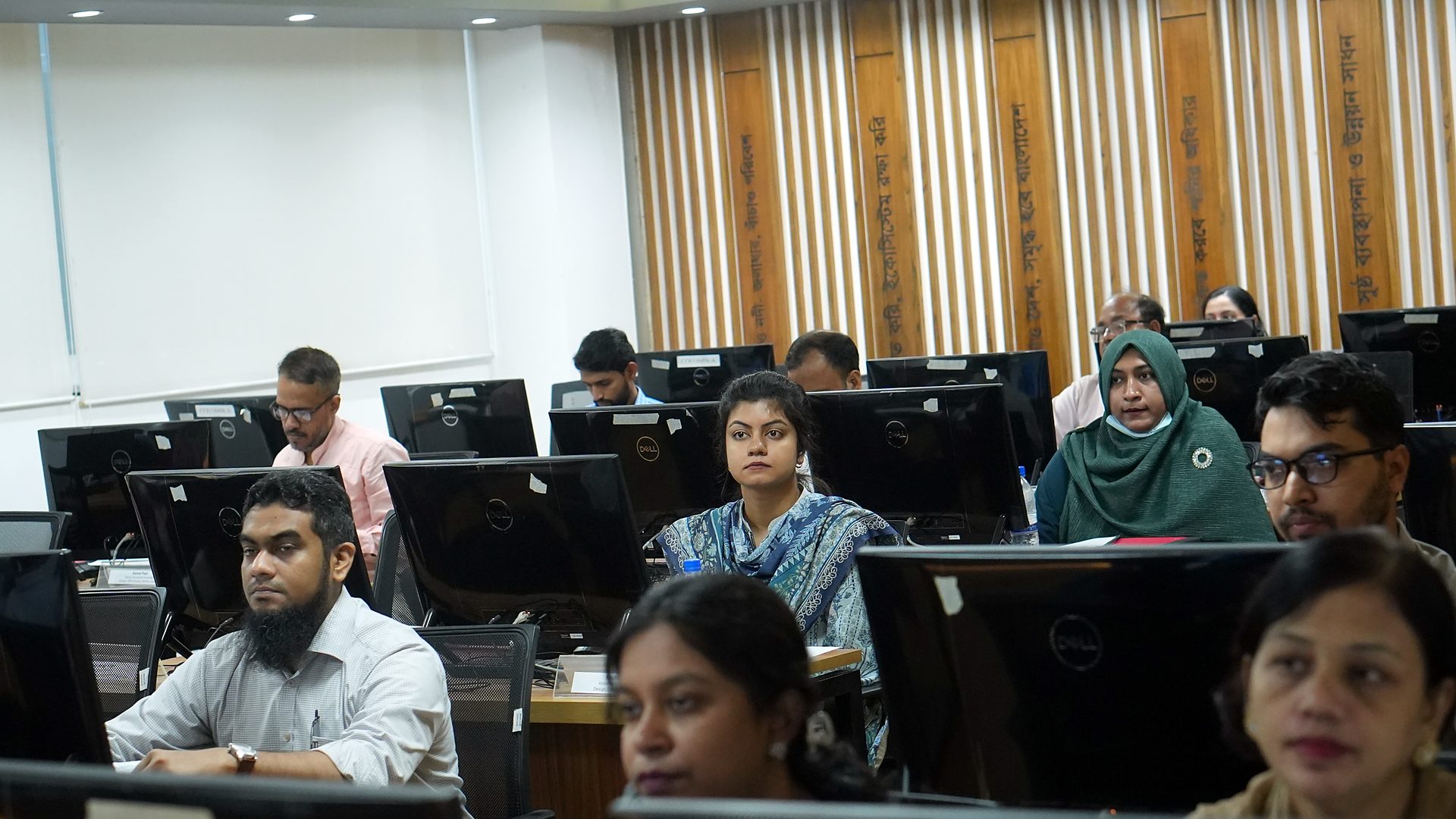
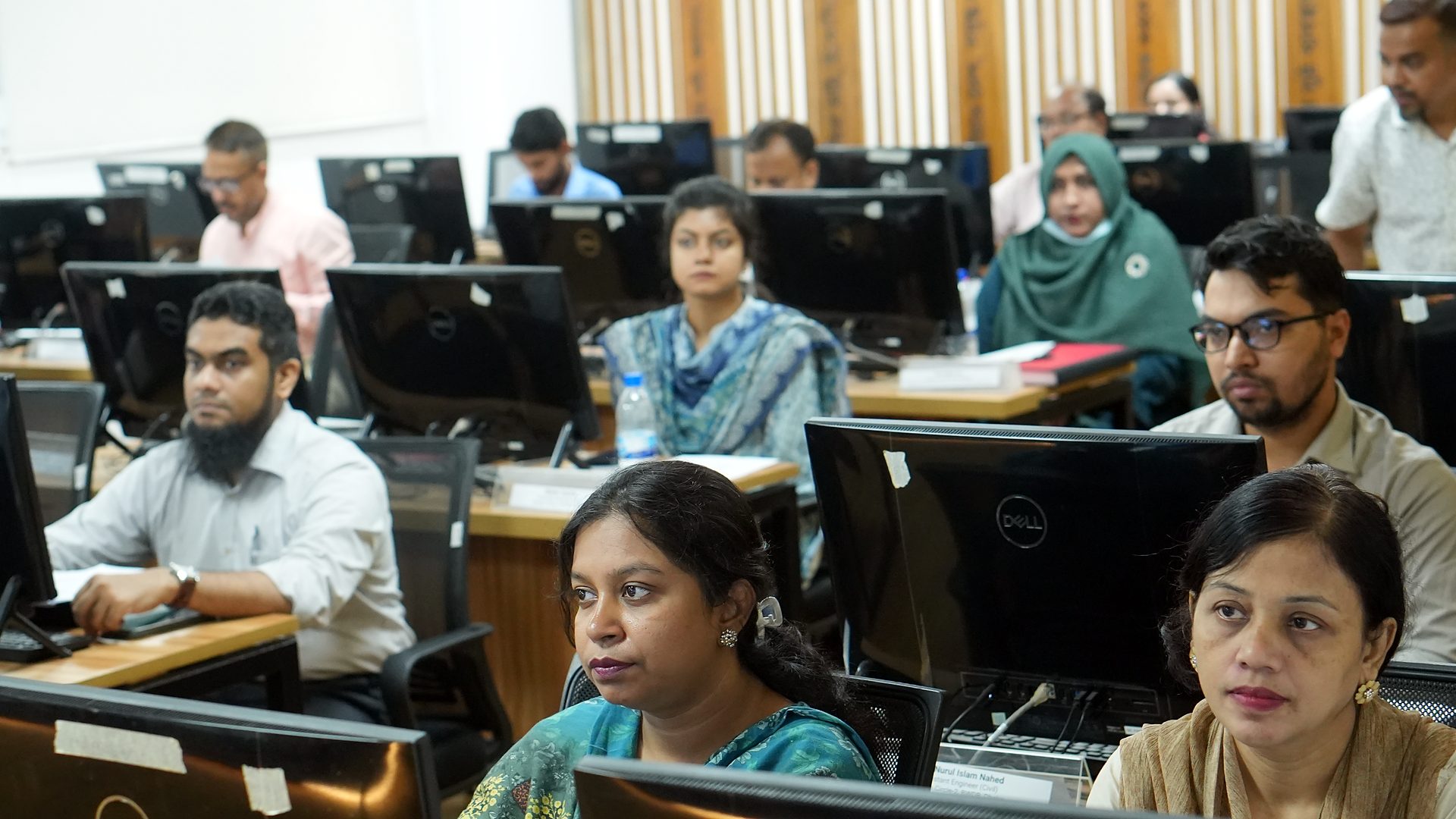
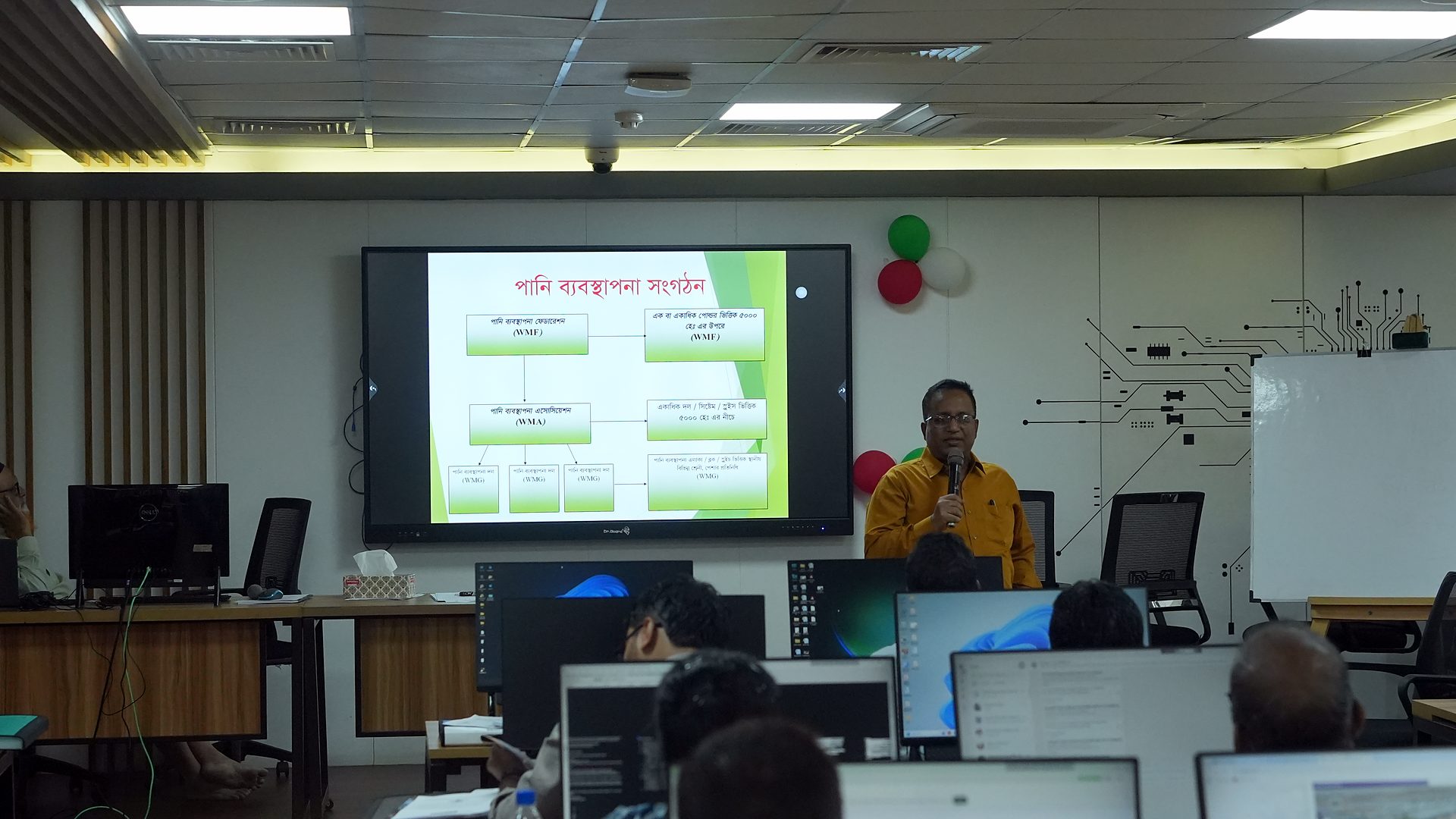
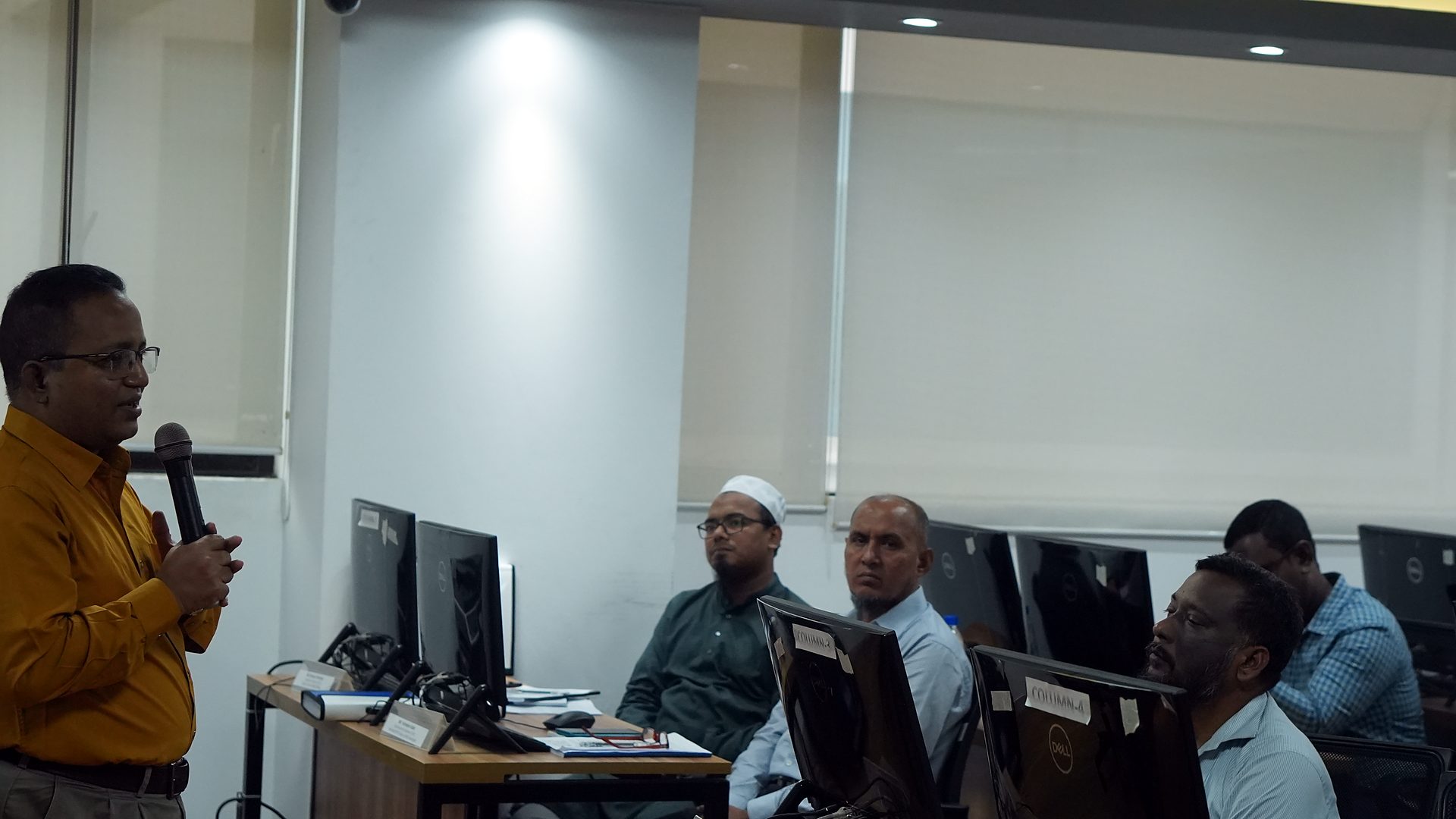
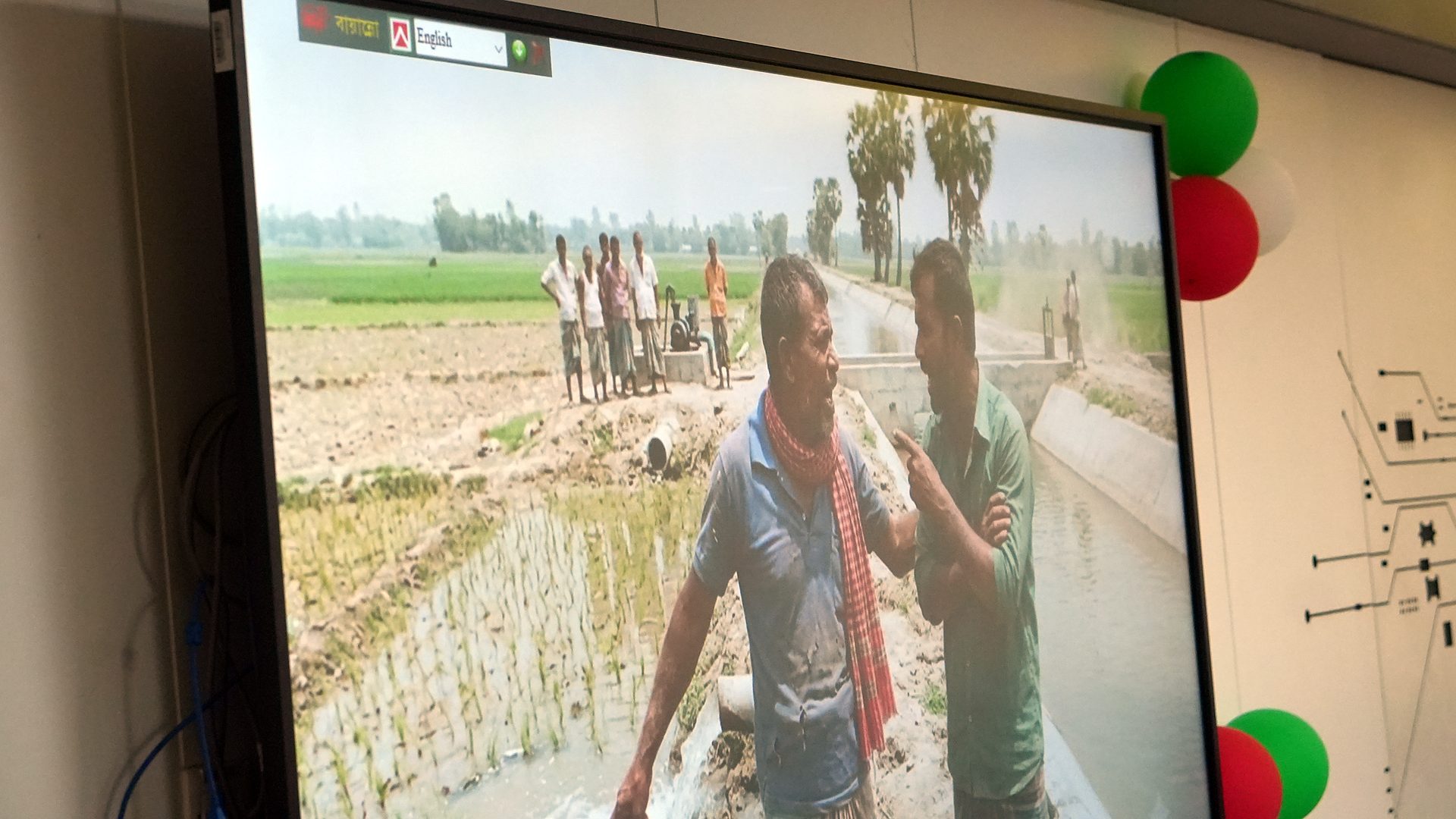
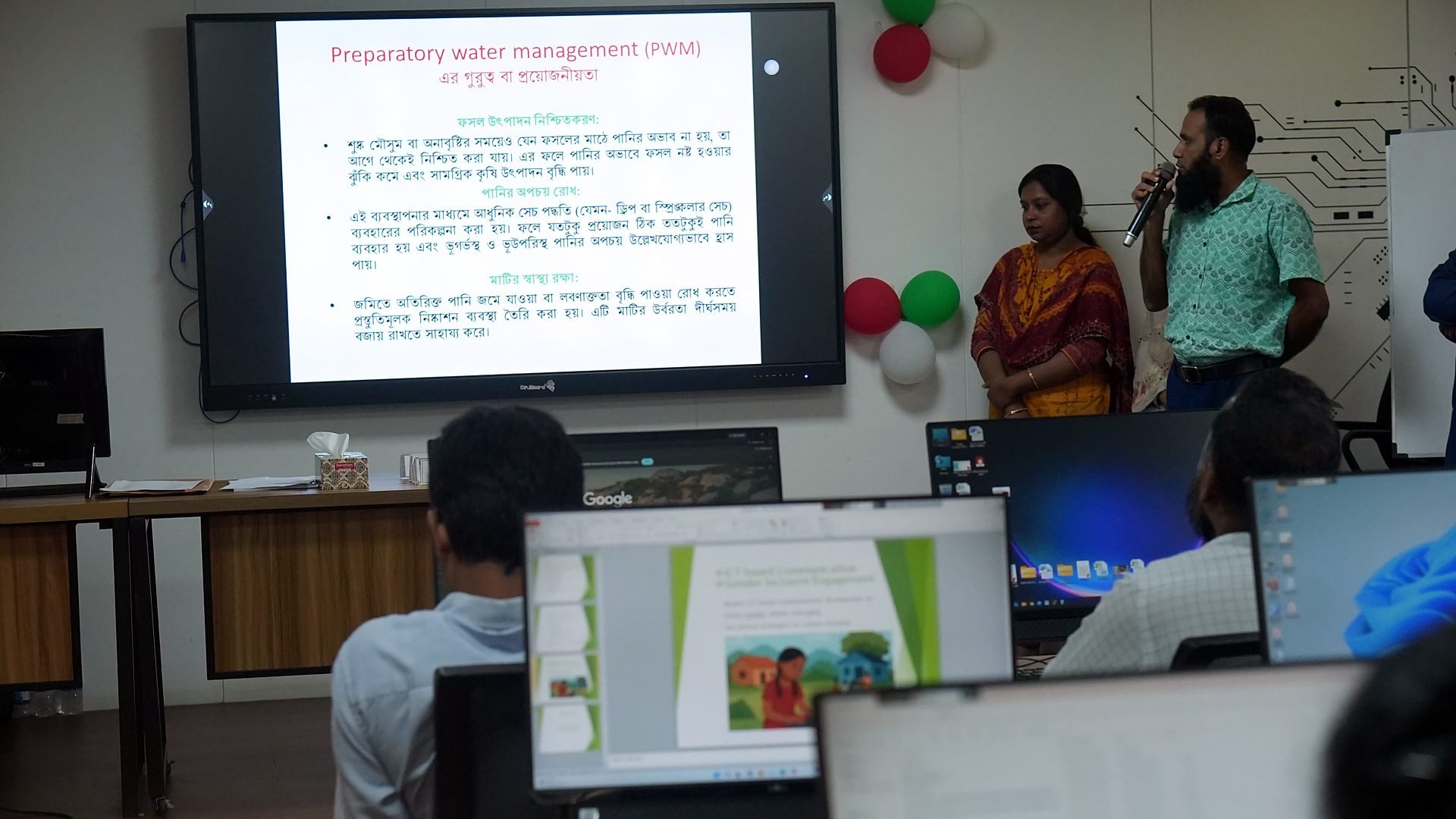
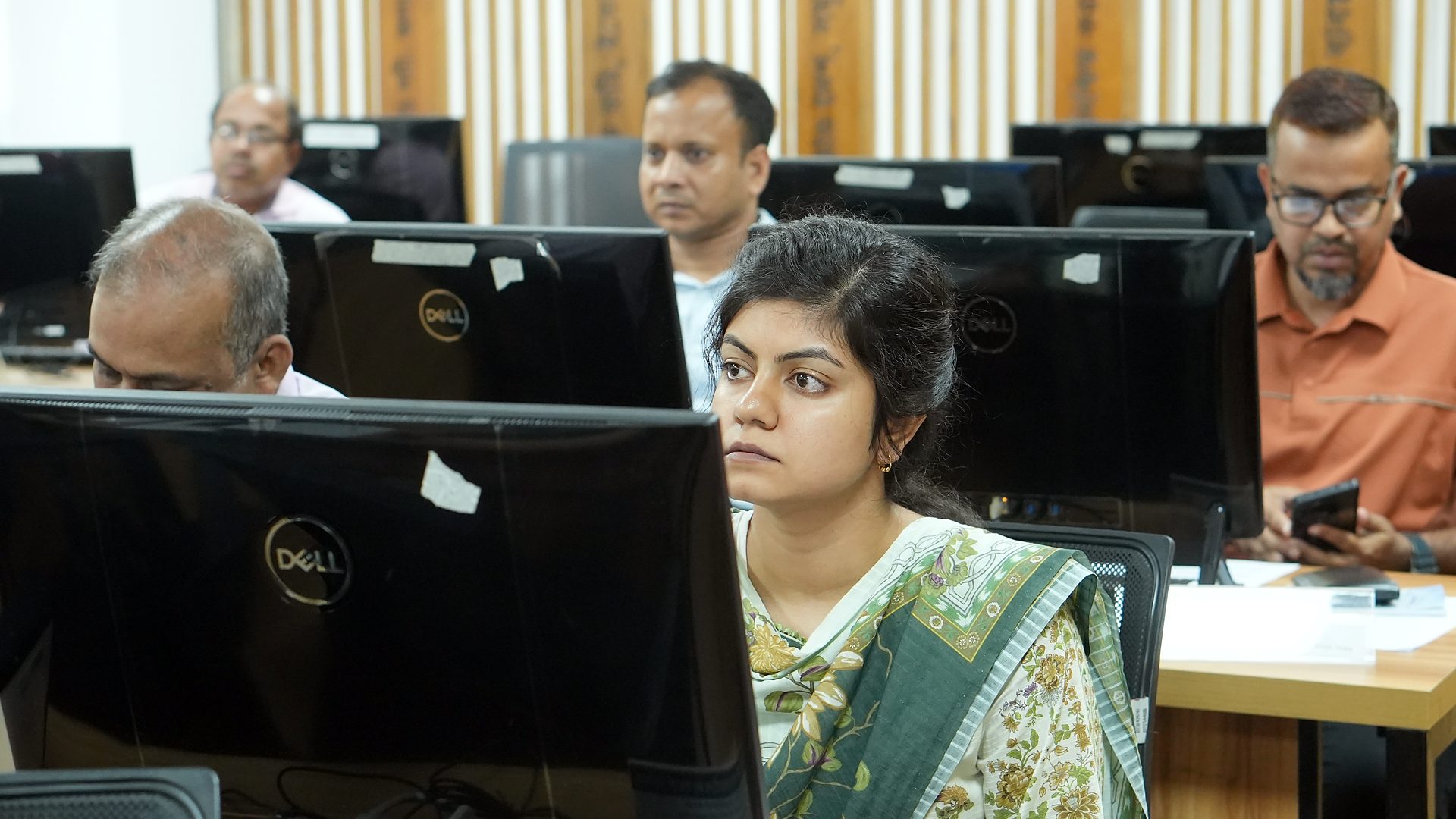
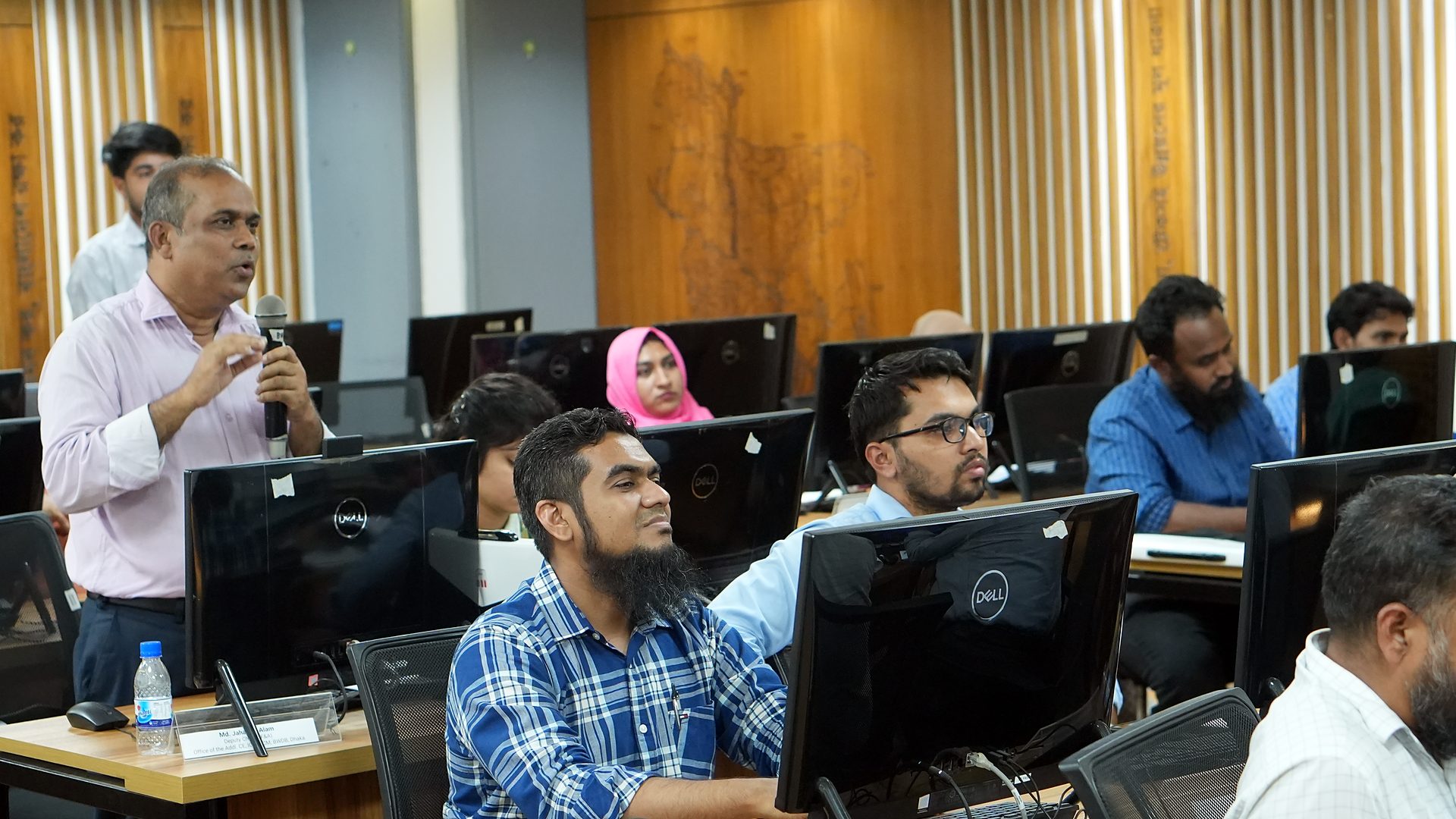
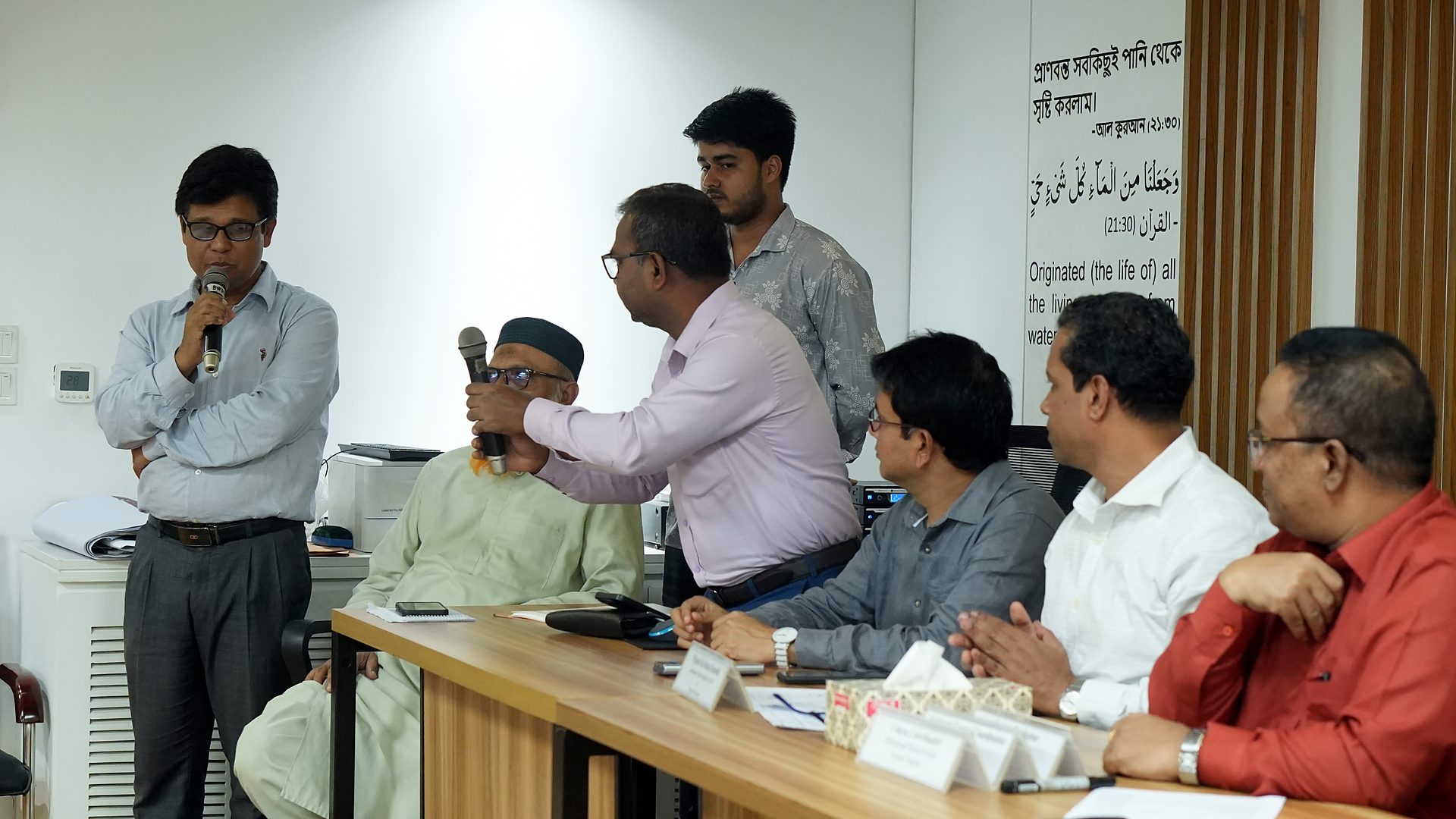
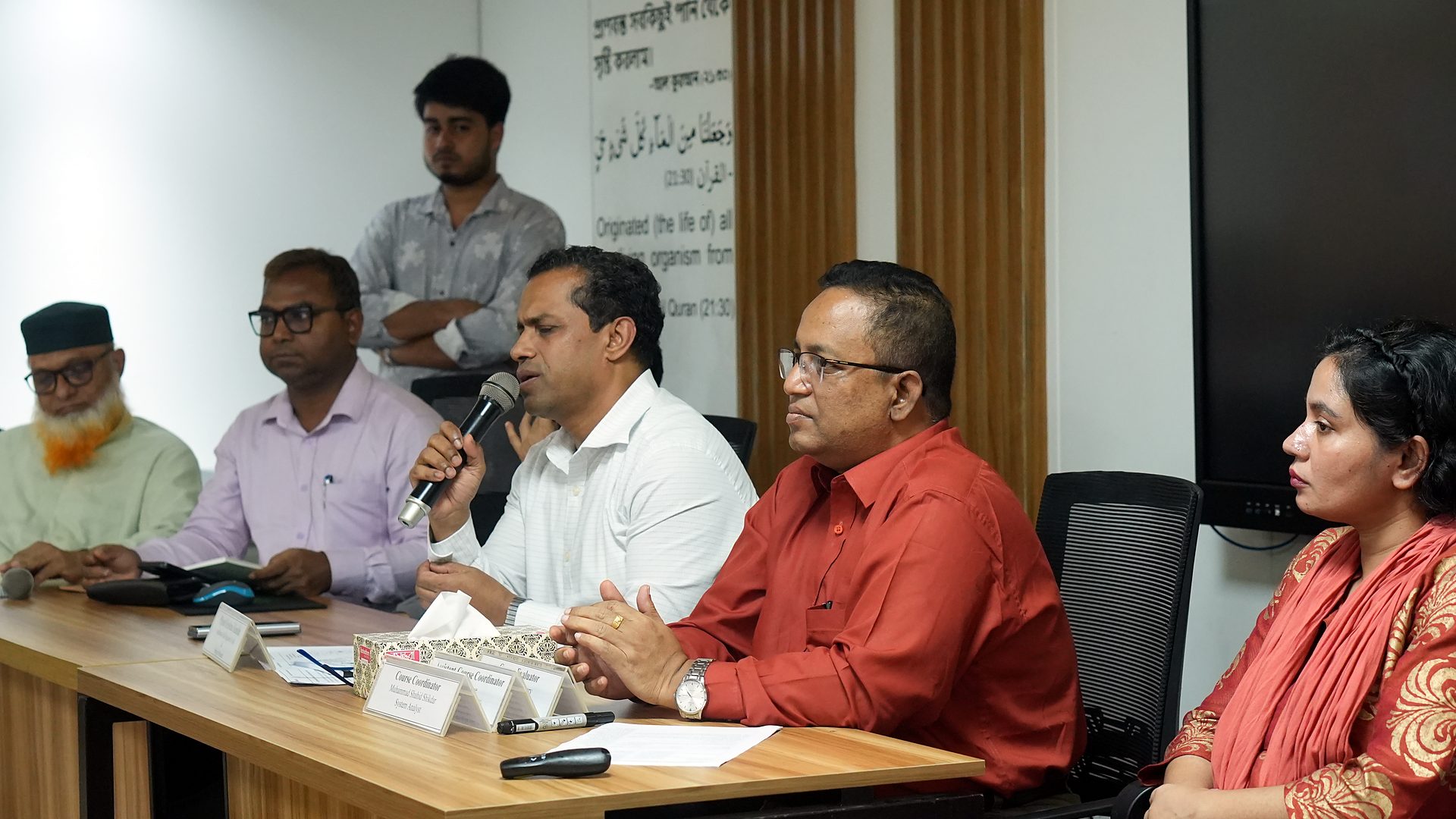
Sixteen further photographs from the three days at the Central ICT Lab, Pani Bhaban.
Why This Matters
A Water Management Organisation is where a BWDB scheme meets the people who will live with it. The PWM Rules 2014 give that organisation legal form, but they cannot settle a dispute between upstream and downstream users, keep the books balanced or persuade a farmer to pay a maintenance fee. People do those things — and they do them better when the engineers, extension officers and accountants who support them share a working picture of what a sustainable WMO looks like.
This second batch built that picture around real rivers, with a cohort in which accounts staff sat alongside engineers and soil and agriculture specialists. Under the Climate-Smart Agriculture and Water Management Project, where climate adaptation is delivered through community institutions that must outlast the project, that shared picture is the point of the training.
More from this Programme
Programme Snapshot
| Field | Detail |
|---|---|
| Course Title | Participatory Water Management Rules-2014, Focus: Sustainable WMOs |
| Reference | CSAWMP-WDB-PCU-WD-21-6-PWMR-02 — Package 21, Batch 6 |
| Duration | 3 days — 20 to 22 September 2026 |
| Venue | Central ICT Lab (Level-11), Pani Bhaban, BWDB, 72 Green Road, Dhaka-1205 |
| Participants | 25 officials of the Bangladesh Water Development Board |
| Ministry | Ministry of Water Resources, Government of the People’s Republic of Bangladesh |
| Implementing Agency | Bangladesh Water Development Board (BWDB) |
| Project | Climate-Smart Agriculture and Water Management Project (CSAWM Project), BWDB Part |
| Project Director | Pijush Krishna Kundu, Additional Chief Engineer (Civil) |
| Course Coordinator | Muhammad Shahid Shikdar, System Analyst, Directorate of Central ICT |
| Sessions | 12 technical sessions across 3 days, four sessions per day |
| Resource Persons | 7 senior BWDB officials |
| Training Service Provider | Management and Training International Ltd. (MTI Ltd.) |
Frequently Asked Questions
What did the second PWMR 2014 course cover?
The concept and legal framework of participatory water management, WMO formation and registration, comparative PWM models, community engagement, networking with Local Government Institutions and line agencies, WMO governance and capacity development, financial sustainability, conflict resolution, challenges and solutions, and monitoring and evaluation of PWM projects.
How was this batch different from the first PWMR batch?
The module was the same, but the resource-person panel changed in part — Md. Abdul Matin, Deputy Chief Extension Officer from Kushtia, taught governance and financial sustainability, and Md. Sultan Mahmud chaired the closing review — and participants worked in river-named teams that applied the rules to real rivers such as the Chengi and the Halda.
Who attended the training?
Twenty-five BWDB officials from twenty-two offices: nine accounts staff, ten engineers, two Deputy Chiefs, an Assistant Chief (Soil), a Research Officer, an Assistant Director (Admin) and a Sub-Assistant Engineer. Five came from field offices in Narsingdi, Mymensingh, Nawabganj, Narayanganj and Gazipur.
Where and when was the training held?
At the Central ICT Lab, Level-11, Pani Bhaban, 72 Green Road, Dhaka, from 20 to 22 September 2026.
Who funded and organised the course?
The course was funded by the Climate-Smart Agriculture and Water Management Project (CSAWM Project), BWDB Part, under the Bangladesh Water Development Board, Ministry of Water Resources. MTI Ltd. served as the training service provider under reference CSAWMP-WDB-PCU-WD-21-6-PWMR-02.
How many batches are planned under Package 21 and Package 22?
75 batches in total: 40 under Package 21 and 35 under Package 22. Seven of the Package 21 batches are PWMR courses; this was the second.