BWDB Engineers Trained on DPP Preparation and Economic Analysis — Cost-Benefit, NPV, IRR and Approval Compliance
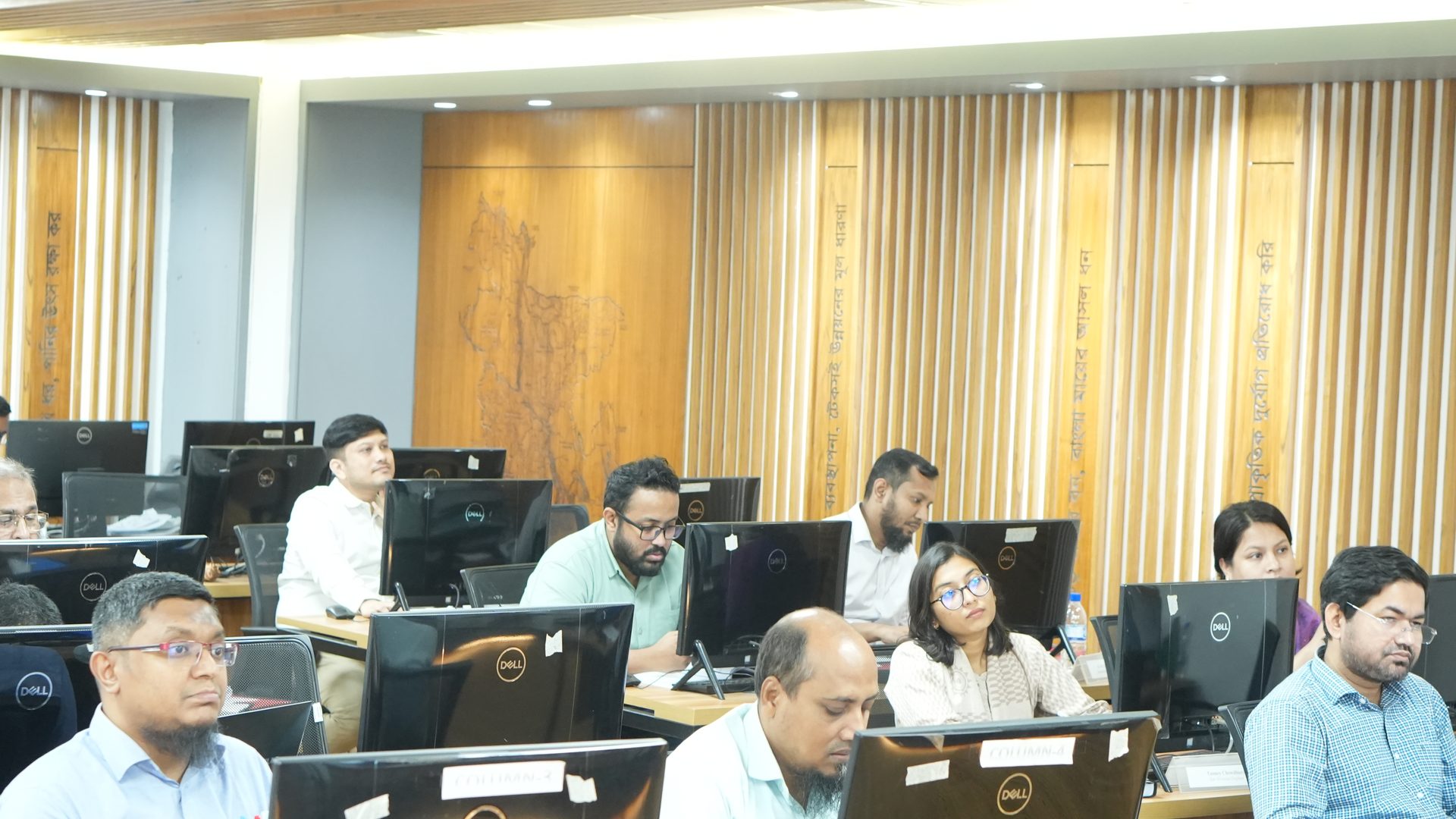
Management and Training International (MTI) Ltd. conducted the two-day training course on DPP Preparation and Economic Analysis — focusing on DPP structuring, cost-benefit analysis, sensitivity analysis and compliance with approval processes on 22 and 23 July 2026 at the Central ICT Lab, Level-11, Pani Bhaban, BWDB, Dhaka. Twenty-five officials of the Bangladesh Water Development Board (BWDB), under the Ministry of Water Resources, took part — the third batch of Package 22 of the Climate-Smart Agriculture and Water Management Project (CSAWM Project), BWDB Part, and the fifth course delivered in the programme.
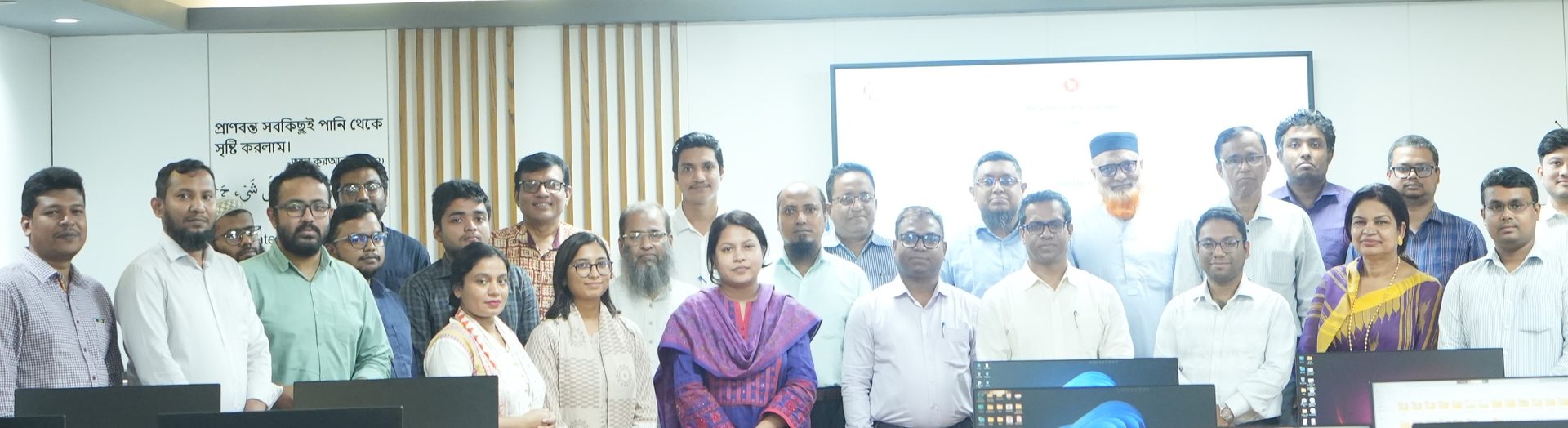
About the engagement: Under reference CSAWMP-WDB-PCU-WD-22-3-DPP-01, MTI Ltd. is delivering the training package for the Climate-Smart Agriculture and Water Management Project (BWDB Part), implemented by the Bangladesh Water Development Board under the Ministry of Water Resources, Government of the People's Republic of Bangladesh. The course was authorised by Office Order Memo No. 42.01.0000.000.647.25.0010.26-87 & -88, dated 21 July 2026, issued by the Office of the Project Director, CSAWM Project (BWDB Part), Pani Bhaban, 72 Green Road, Dhaka, following the Director General's D-Nothi approval (Para 3.3) dated 20 July 2026.
The Document That Decides Everything
Before an embankment is raised, a regulator built or a river dredged in Bangladesh, one document has to survive scrutiny: the Development Project Proposal. The DPP is where a scheme states its objectives, justifies its design, costs itself out, sets physical targets, names its implementing arrangements and — critically — proves it is worth doing. It passes through the line ministry, the Planning Commission, the Ministry of Finance and, above a threshold, ECNEC. A technically excellent scheme with a weak DPP does not get built.
This is the course that sits underneath everything else in the programme. Package 21 taught the governance framework a scheme must respect; Package 22's first two batches taught how a project is delivered once approved. This third batch went earlier still — to the point where the project is still only an argument on paper, and the argument is economic.
A Resource Person From Outside the Water Sector
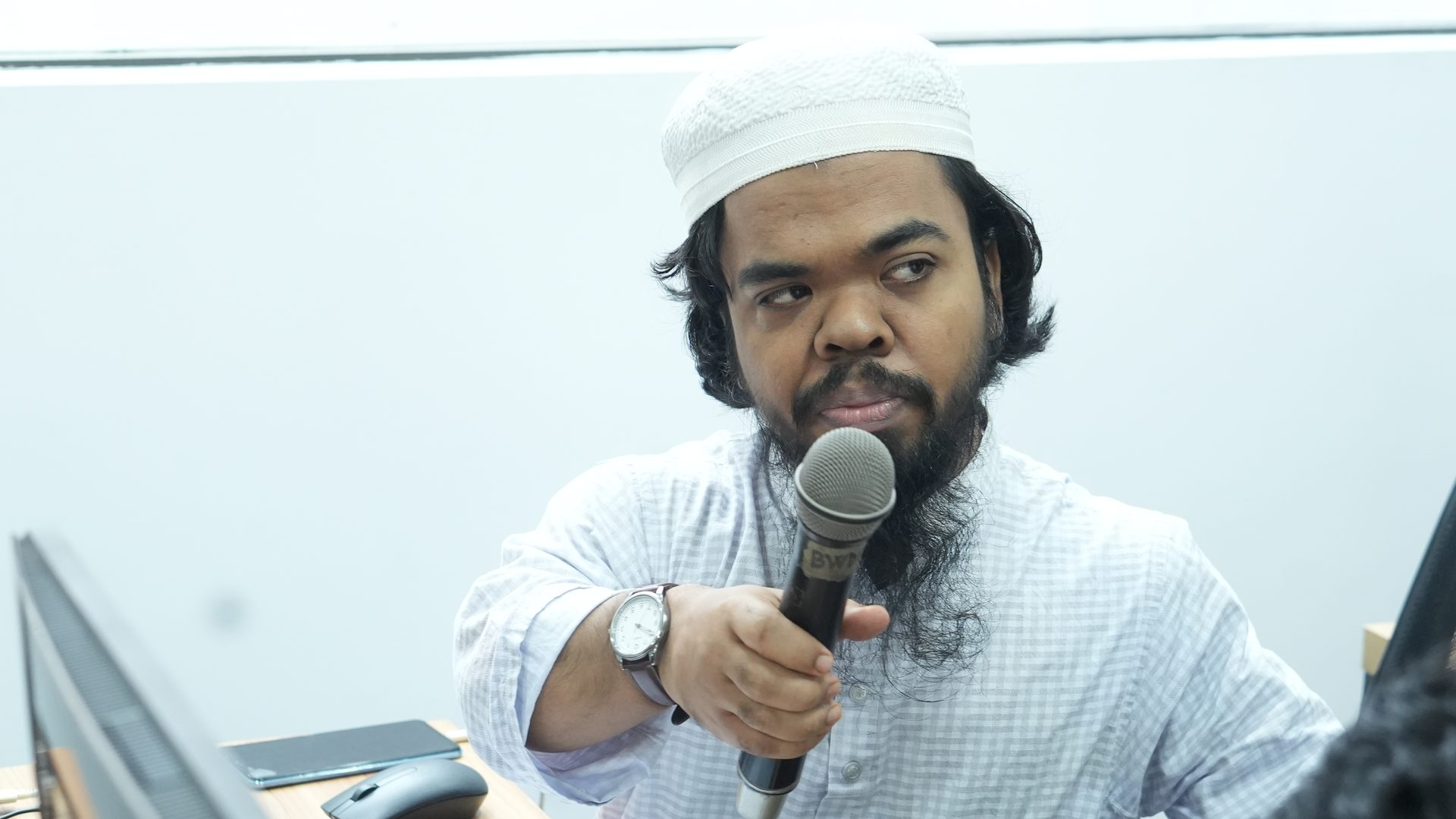
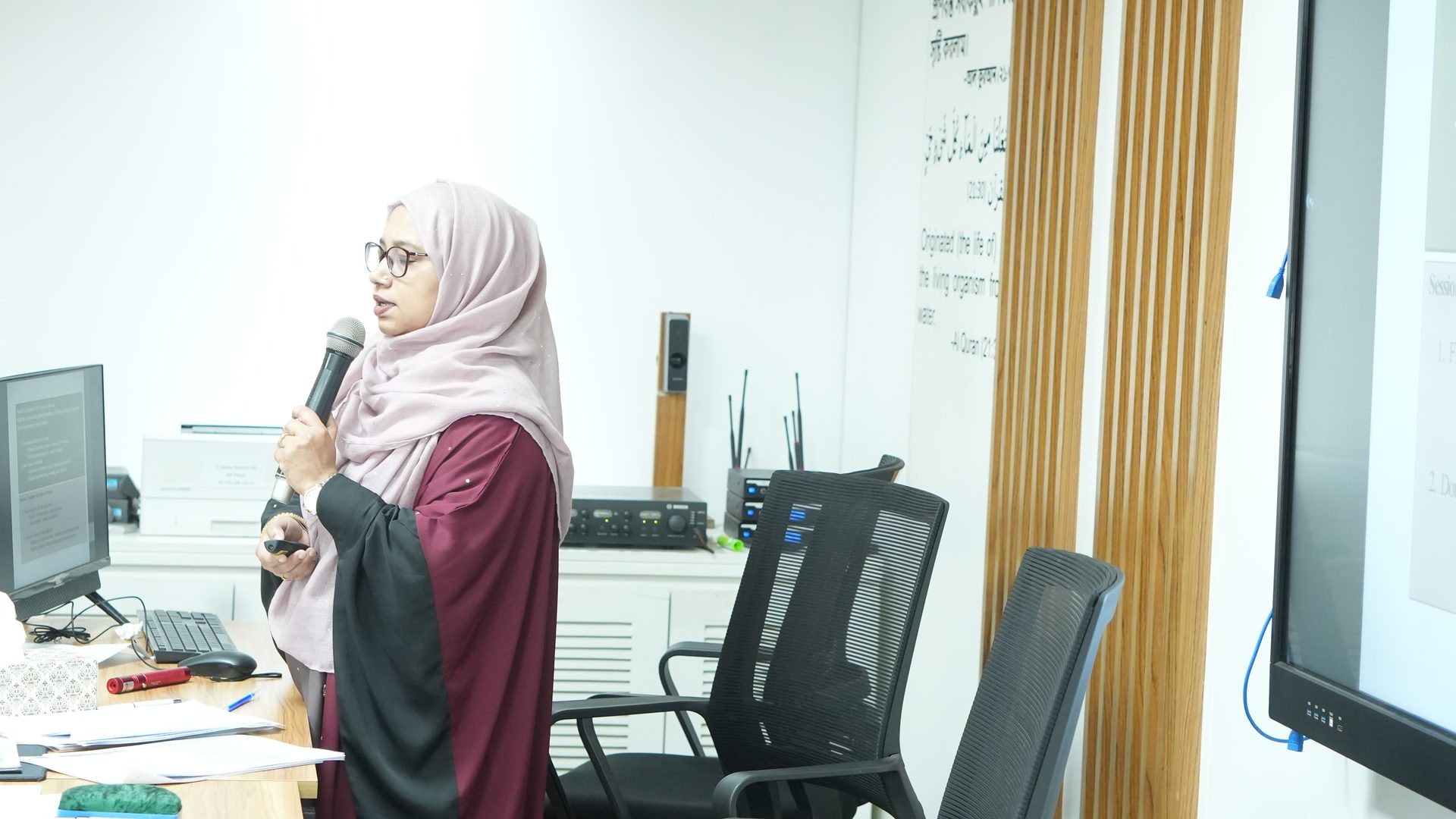
The most striking feature of this batch is who taught it. All four sessions of Day 1 — DPP structuring and the whole of cost-benefit analysis — were delivered by Fatima-Tuz-Jhora Thakur, Deputy Secretary (Health-3) of the Health Service Division, Ministry of Health and Family Welfare. She is the first resource person in the entire Package 21 and Package 22 programme drawn from outside the water sector.
That choice is deliberate and correct. DPP preparation is not a water-engineering discipline; it is a cross-government one, governed by Planning Commission templates that apply identically to a health facility, a road and a polder. The person best placed to teach a room of water engineers how to structure a logical framework and defend an NPV is someone who does that work daily under the same national rules in a different sector.
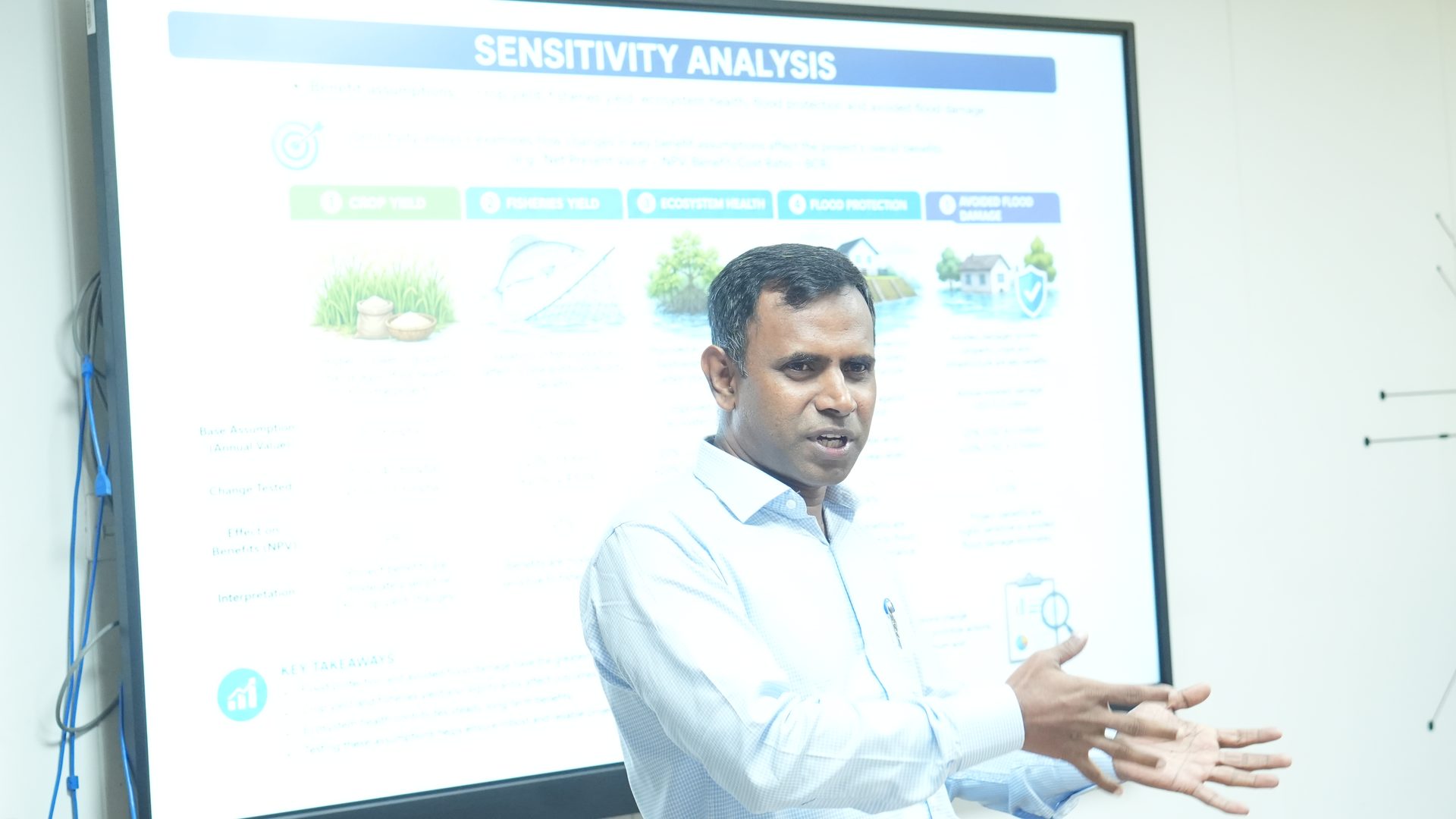
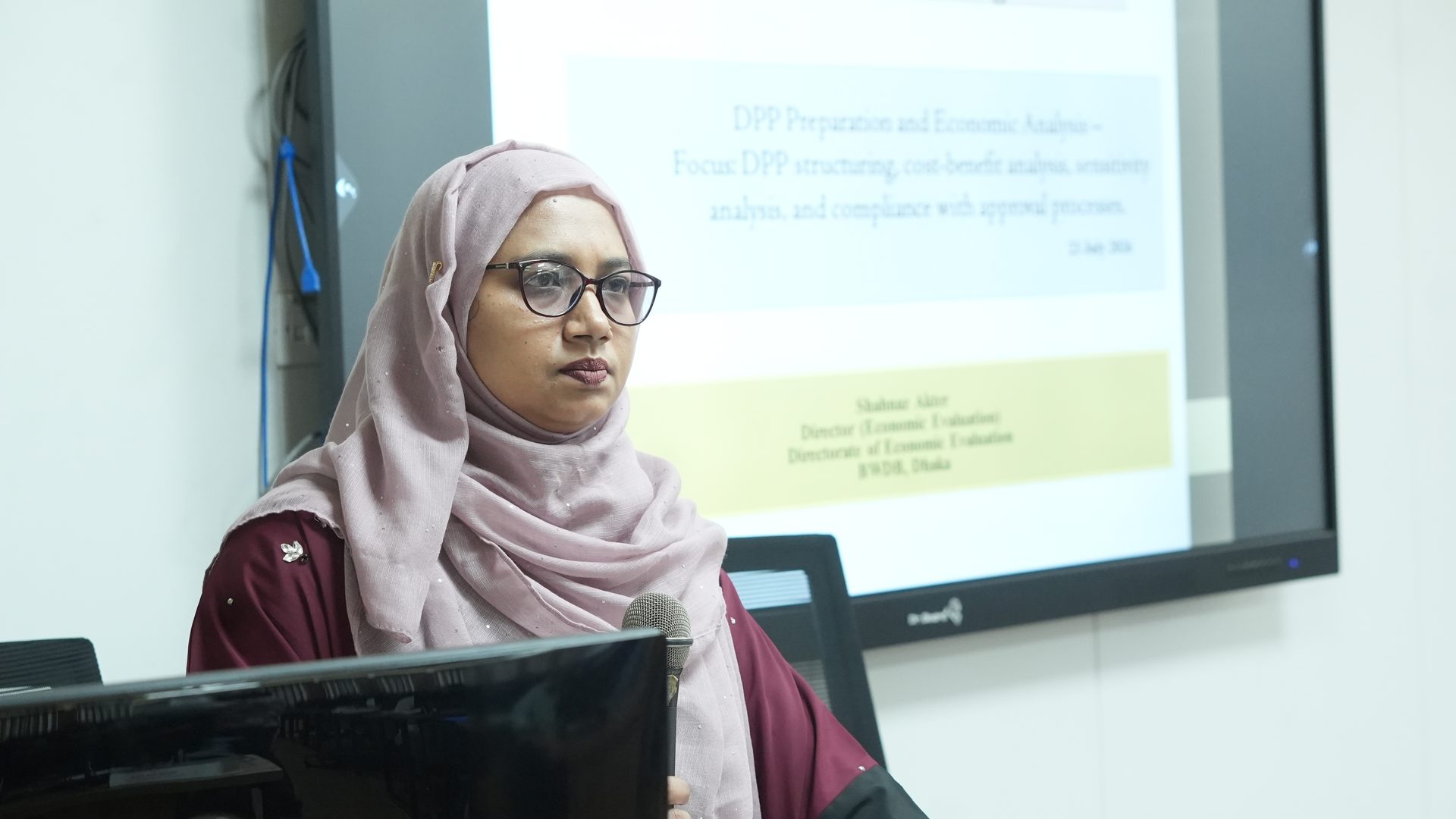
Day 2 returned the course to BWDB. A. B. M. Khan Mozahedy, Superintending Engineer of the Surface Water Hydrology Circle, took sensitivity analysis — appropriately, since the benefit assumptions being stress-tested are hydrological ones: crop yield, avoided flood damage. And Shahnaz Akter, Director of the Board's own Directorate of Economic Evaluation, closed the course on compliance with the approval process — the office that appraises BWDB's DPPs teaching the people who write them.
Additional Chief Engineer (Civil) & Project Director
CSAWMP (BWDB Part)
Deputy Secretary (Health-3)
Health Service Division, Ministry of Health and Family Welfare
Superintending Engineer (Civil)
Surface Water Hydrology Circle
Director (Economic Evaluation)
Directorate of Economic Evaluation
Course Leadership
The programme's core team continues to rotate through the three administrative roles. Abdul Ahad, Course Evaluator on the previous Package 22 batch, is Course Coordinator here; Md. Hafizur Rahman, who coordinated that batch and delivered three sessions as a resource person on the Package 21 Participatory Water Management course, is Course Evaluator.
Executive Engineer
CSAWM (BWDB Part) Project
Assistant Programmer
Central ICT Directorate
Deputy Chief Extension Officer
CSAWM (BWDB Part) Project
Managing Director
Management and Training International Ltd.
Eight Blocks: From Objective to Approval
The eight sessions move in a single line — state the objective, prove the design, price it, value the benefits, discount them, stress-test the result, and then get it through the approval machinery.
Objectives & Logical Framework
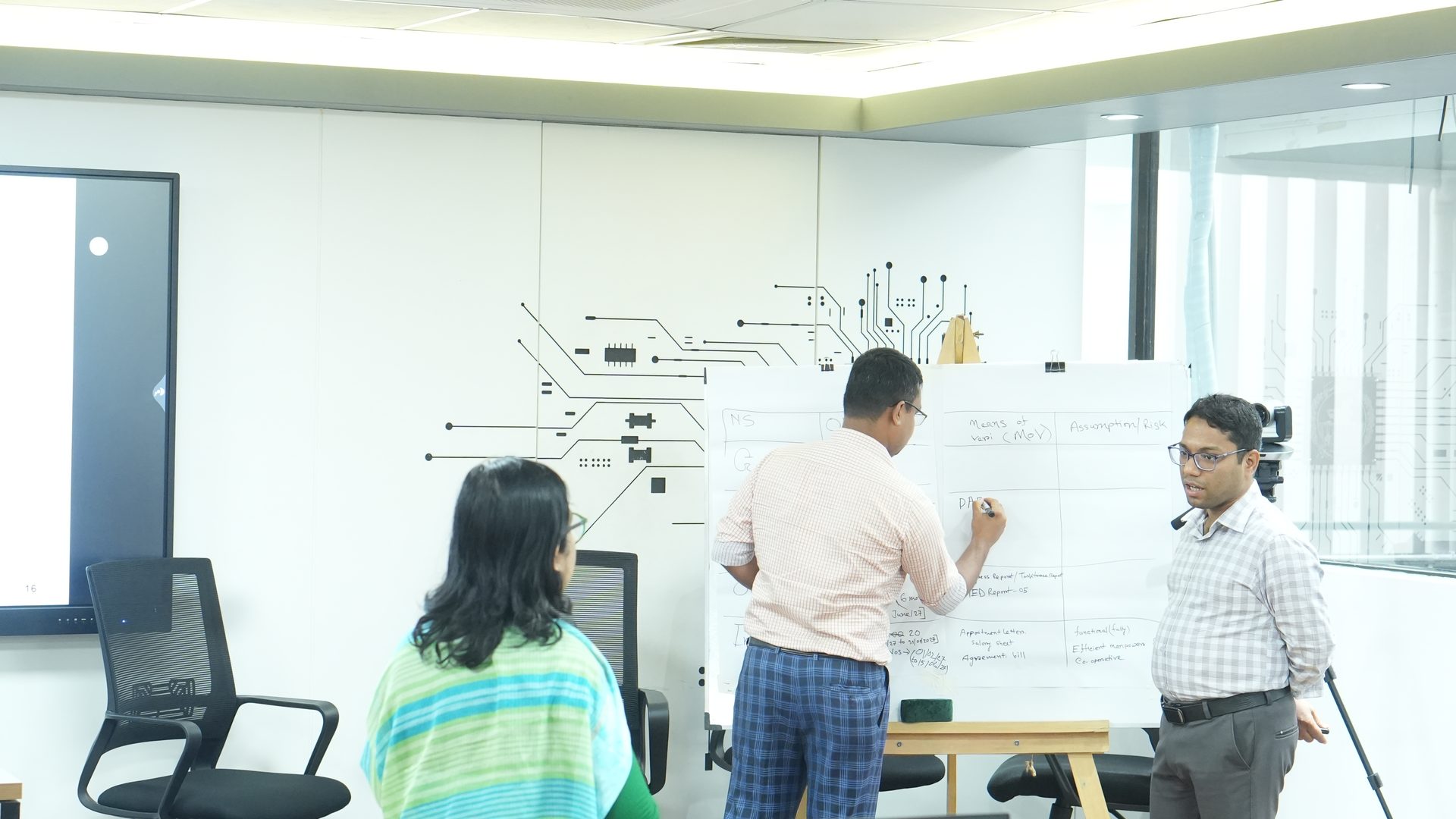
Defining objectives with clarity of goals and measurable outcomes, and building the logical framework matrix that links inputs, outputs and impacts.
Technical Feasibility & Design
The engineering design summary as a concise presentation of technical solutions, and feasibility justification — the evidence-based rationale for the chosen design.
Financial & Physical Targets
Budget structuring that aligns costs with activities, and physical targets expressed as quantifiable implementation milestones.
Institutional Arrangements
Defining the roles and responsibilities of implementing agencies, and capacity assessment to evaluate institutional readiness.
Costs, Benefits & Valuation
Direct costs of construction, operation and maintenance against indirect benefits such as flood protection and livelihood improvement; valuation by market price approach and by shadow pricing where local markets are distorted.
NPV, IRR & BCR
Discount rate selection aligned with national guidelines, net present value for long-term viability, internal rate of return against a profitability threshold, and benefit-cost ratio analysis.
Sensitivity & Risk
Critical cost drivers and benefit assumptions, best- and worst-case scenario testing, switching values and break-even thresholds, variable tolerance ranges, probabilistic modelling and contingency planning.
Approval & Compliance
Planning Commission templates and BWDB sectoral requirements, stakeholder consultation and technical committee review, Ministry of Finance clearance, audit compliance, donor framework alignment and reporting obligations.
Day-by-Day Course Schedule
Both days ran four sessions from a 09:00 start to a 16:00 close, at the Central ICT Lab on Level-11 of Pani Bhaban.
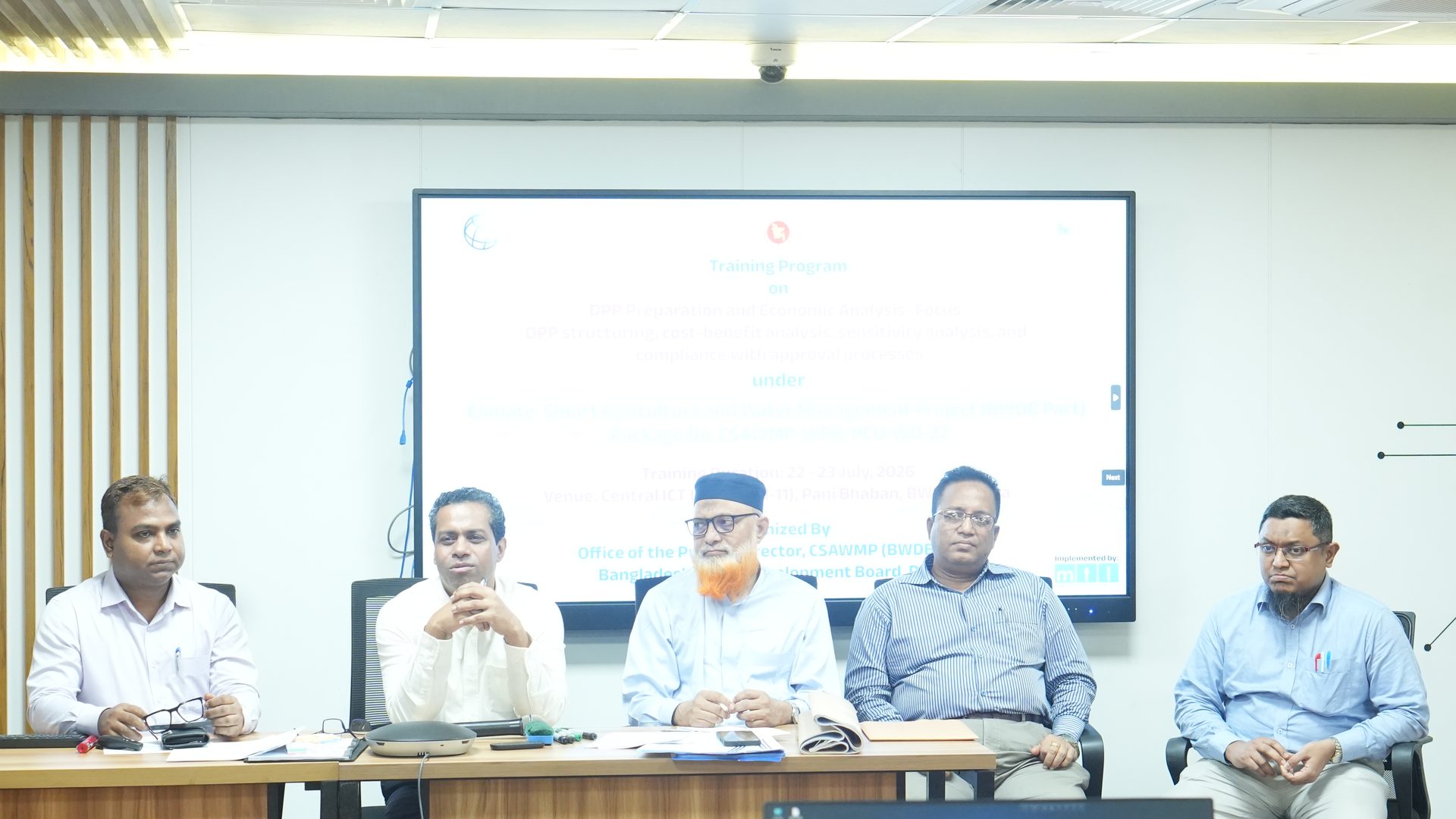
- 09:00–09:20 Welcome and Introduction Welcome and opening remarks by senior BWDB officials; participant introductions and expectations; training objectives and agenda. Methods: speech, interactive discussion. Pijush Krishna Kundu Project Director & Addl. Chief Engineer (Civil), CSAWMP (BWDB Part)
- 09:20–10:40 Session 1 — DPP Structuring: Objectives, Logical Framework & Technical Feasibility Project Objectives and Logical Framework: defining objectives — clarity of goals and measurable outcomes; logical framework matrix — linking inputs, outputs and impacts. Technical Feasibility and Design: engineering design summary — concise presentation of technical solutions; feasibility justification — evidence-based rationale for the chosen design. Methods: field-based survey exercises, GIS lab sessions, data processing and analysis. Fatima-Tuz-Jhora Thakur Deputy Secretary (Health-3), Health Service Division, Ministry of Health and Family Welfare
- 10:40–10:50 Refreshment and tea break
- 10:50–12:10 Session 2 — DPP Structuring: Financial & Physical Targets and Institutional Arrangements Financial and Physical Targets: budget structuring — aligning costs with activities; physical targets — quantifiable milestones for implementation. Institutional Arrangements: roles and responsibilities — defining implementing agencies; capacity assessment — evaluating institutional readiness. Methods: field-based survey exercises, GIS lab sessions, data processing and analysis. Fatima-Tuz-Jhora Thakur Deputy Secretary (Health-3), MoHFW
- 12:10–13:30 Session 3 — Cost-Benefit Analysis: Identifying Costs and Benefits & Economic Valuation Identifying Costs and Benefits: direct costs — construction, operation, maintenance; indirect benefits — flood protection, livelihood improvement. Economic Valuation Methods: market price approach — valuing tangible outputs; shadow pricing — adjusting for distortions in local markets. Methods: blended learning (concept + field application), climate-resilient data interpretation sessions. Fatima-Tuz-Jhora Thakur Deputy Secretary (Health-3), MoHFW
- 13:30–14:20 Lunch and prayer break
- 14:20–15:40 Session 4 — Cost-Benefit Analysis: Discounting, NPV, IRR & Benefit-Cost Ratio Discounting and Net Present Value: discount rate selection — aligning with national guidelines; NPV calculation — assessing long-term project viability. Internal Rate of Return and Benefit-Cost Ratio: IRR estimation — determining the profitability threshold; BCR analysis — comparing benefits against costs. Methods: blended learning (concept + field application), climate-resilient data interpretation sessions. Fatima-Tuz-Jhora Thakur Deputy Secretary (Health-3), MoHFW
- 15:40–16:00 Day review and refreshment
- 09:00–10:20 Session 1 — Sensitivity Analysis: Key Variables & Scenario Testing Key Variables Identification: critical cost drivers — materials, labour, maintenance; benefit assumptions — crop yield, avoided flood damage. Scenario Testing: best-case scenario — optimistic projections; worst-case scenario — stress-testing project resilience. Methods: data processing and analysis workshops, climate-resilient data interpretation sessions. A. B. M. Khan Mozahedy Superintending Engineer (Civil), Surface Water Hydrology Circle, BWDB
- 10:20–10:40 Refreshment and tea break
- 10:40–12:00 Session 2 — Sensitivity Analysis: Switching Values, Risk & Uncertainty Switching Values: break-even analysis — identifying thresholds for viability; variable tolerance — determining acceptable ranges for inputs. Risk and Uncertainty Assessment: probabilistic modelling — incorporating uncertainty in forecasts; risk mitigation strategies — contingency planning. Methods: data processing and analysis workshops, climate-resilient data interpretation sessions. A. B. M. Khan Mozahedy Superintending Engineer (Civil), Surface Water Hydrology Circle, BWDB
- 12:00–13:20 Session 3 — Compliance with Approval Processes: Guidelines, Formats & Inter-Agency Coordination Government Guidelines and Formats: Planning Commission templates — the mandatory DPP structure; BWDB-specific requirements — sectoral compliance. Inter-Agency Coordination: stakeholder consultation — engaging ministries and local bodies; technical committee review — ensuring expert validation. Methods: data processing and analysis workshops, climate-resilient data interpretation sessions. Shahnaz Akter Director (Economic Evaluation), Directorate of Economic Evaluation, BWDB
- 13:20–14:20 Lunch and prayer break
- 14:20–15:40 Session 4 — Compliance with Approval Processes: Financial Approval, Audit & Donor Alignment Financial Approval and Audit Requirements: Ministry of Finance clearance — budgetary approval; audit compliance — ensuring accountability. Donor and Development Partner Alignment: alignment with donor frameworks — harmonising with international standards; reporting obligations — meeting monitoring and evaluation requirements. Methods: learning in the Bangladesh context, group work and problem-solving exercises. Shahnaz Akter Director (Economic Evaluation), Directorate of Economic Evaluation, BWDB
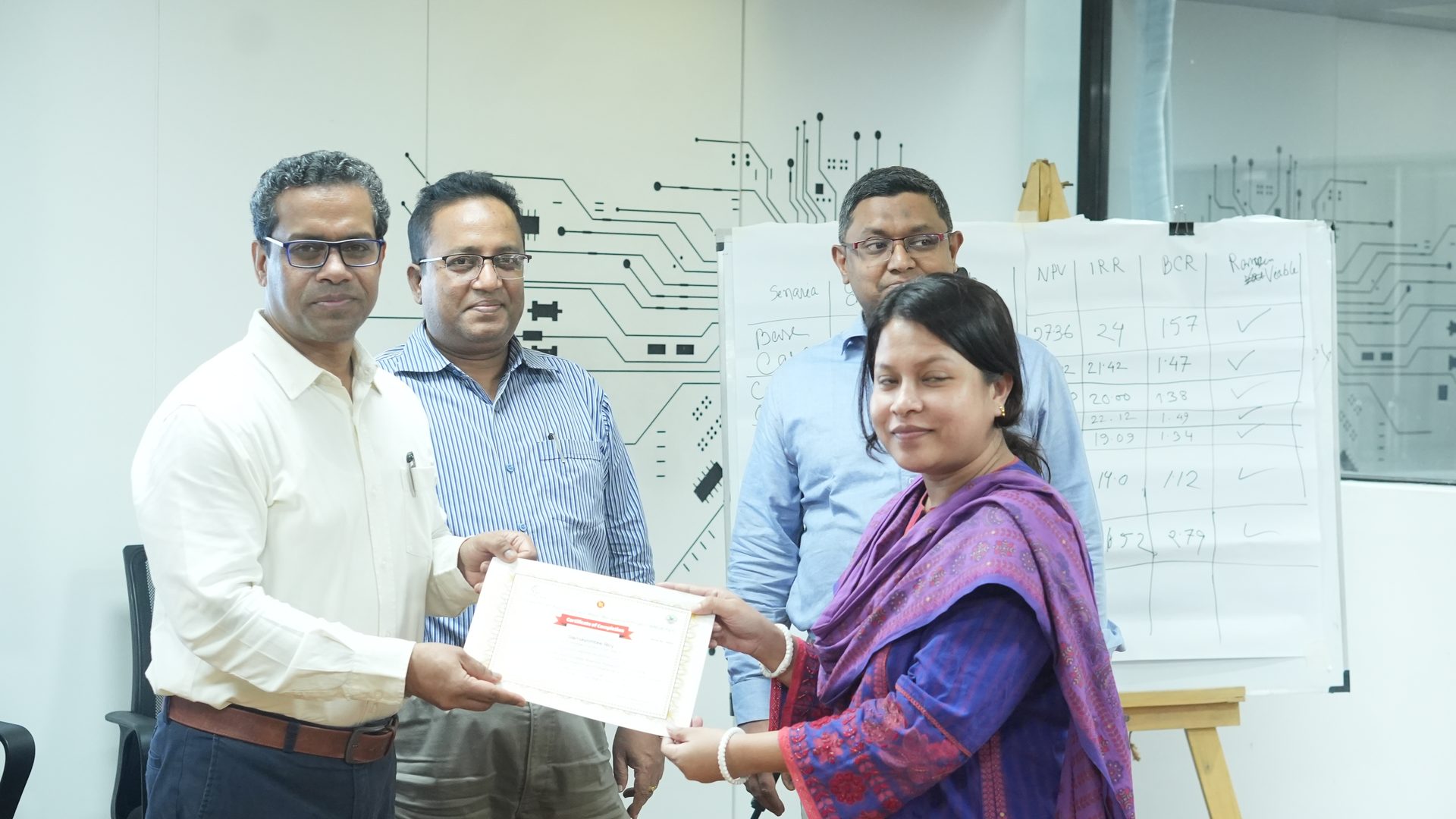
- 15:40–16:00 Closing ceremony, certificate distribution and refreshment Pijush Krishna Kundu Project Director, CSAWMP (BWDB Part)
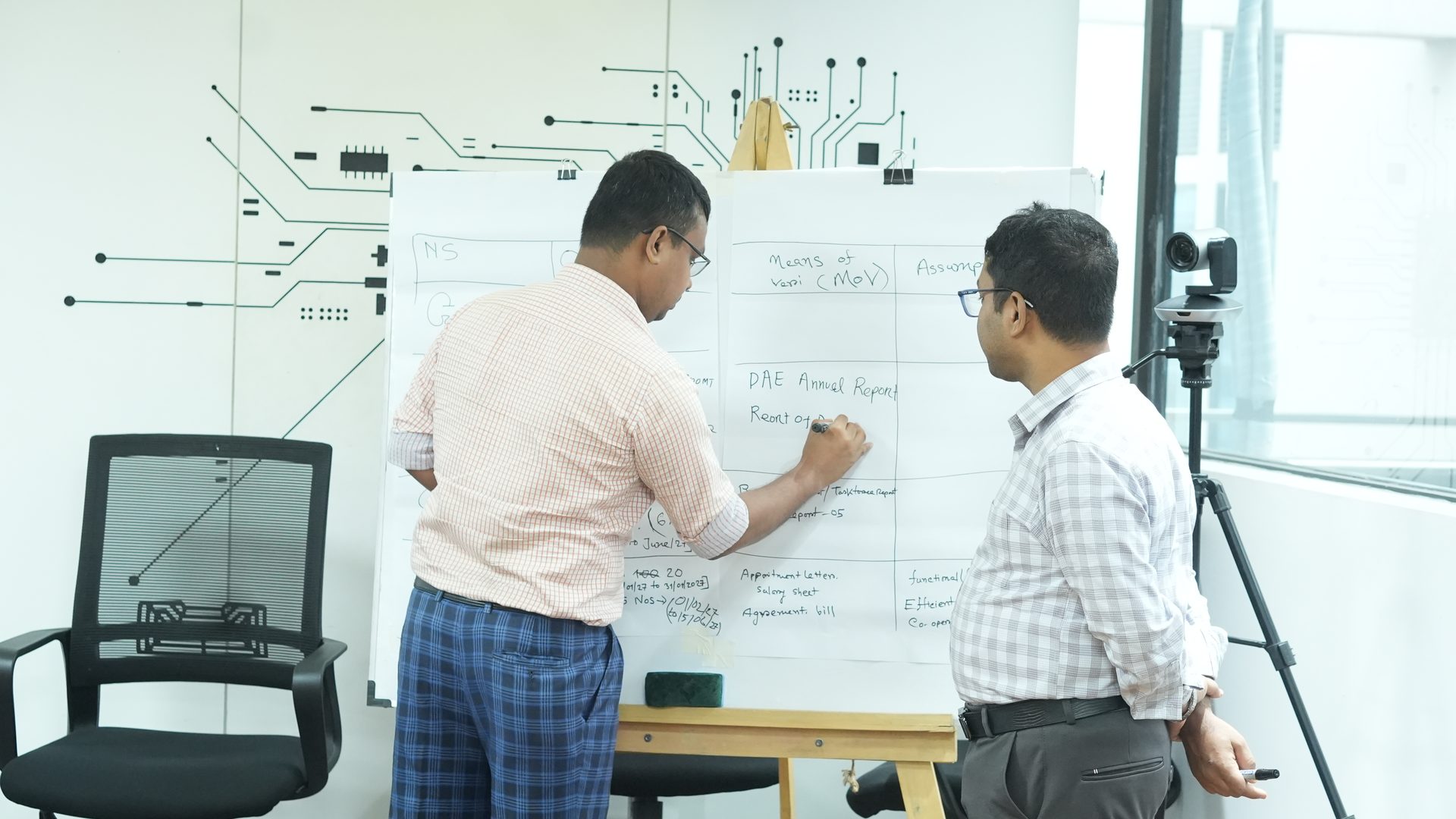
Training Methodology — A Working Lab, Not a Lecture Hall
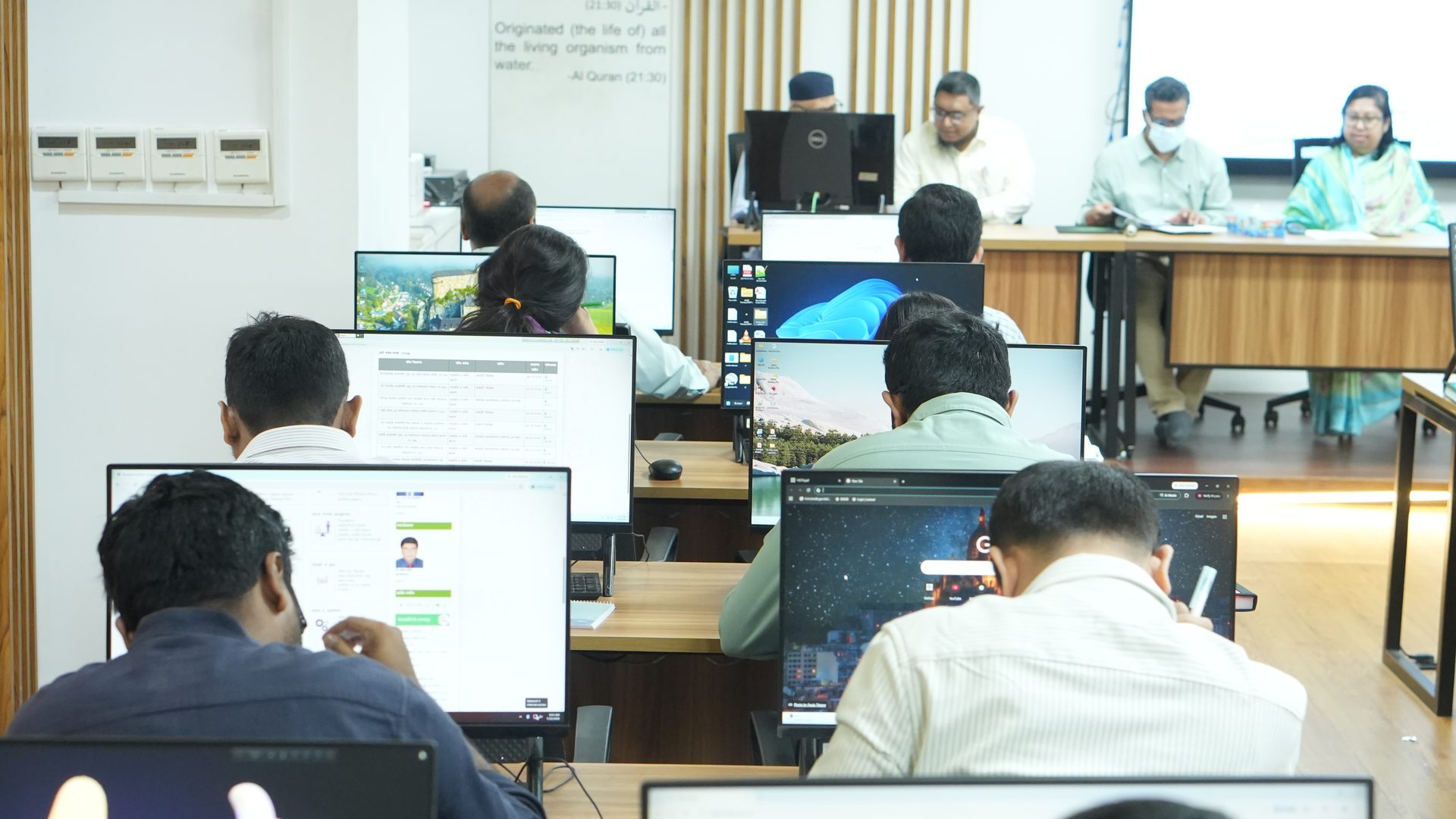
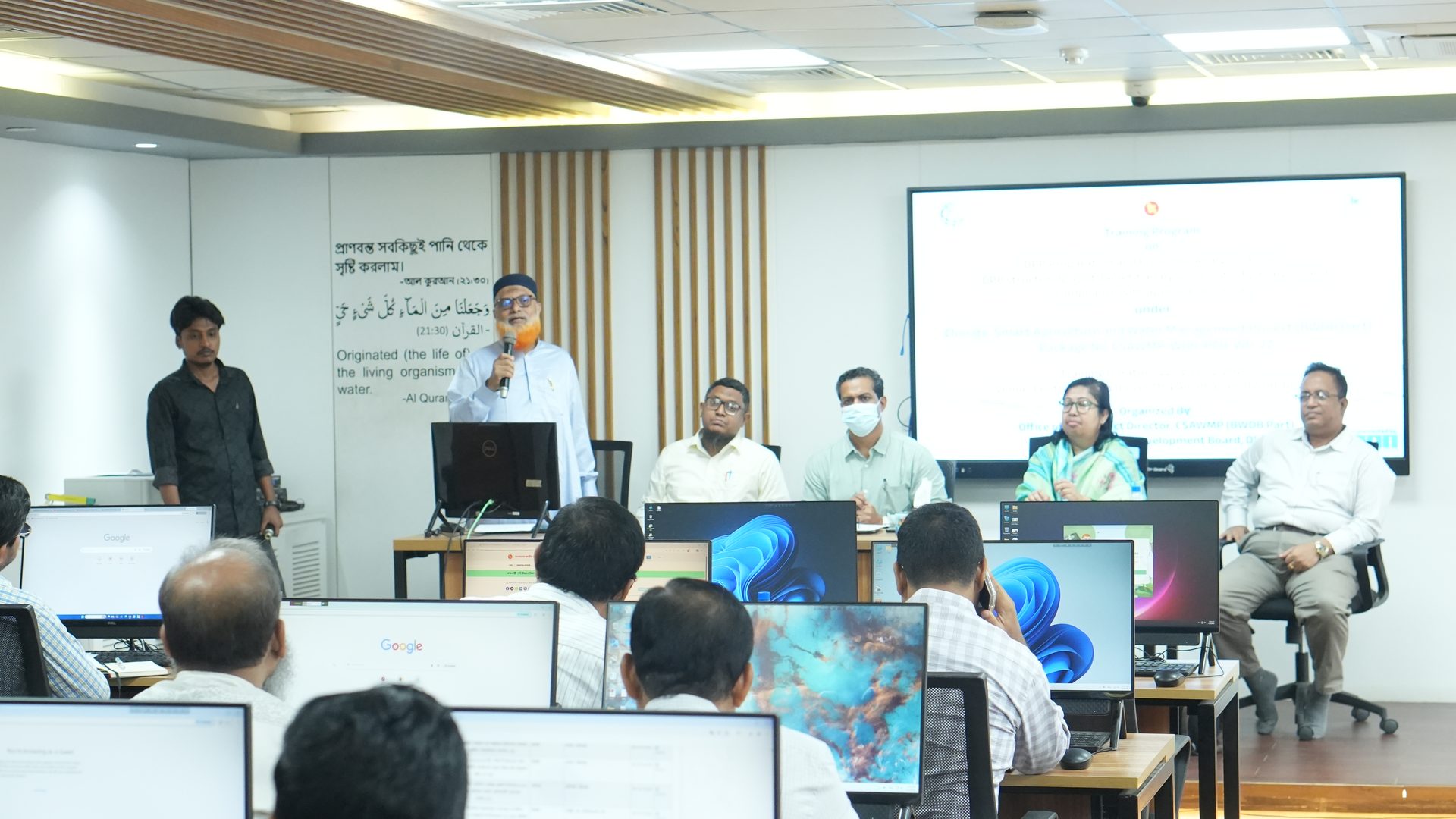
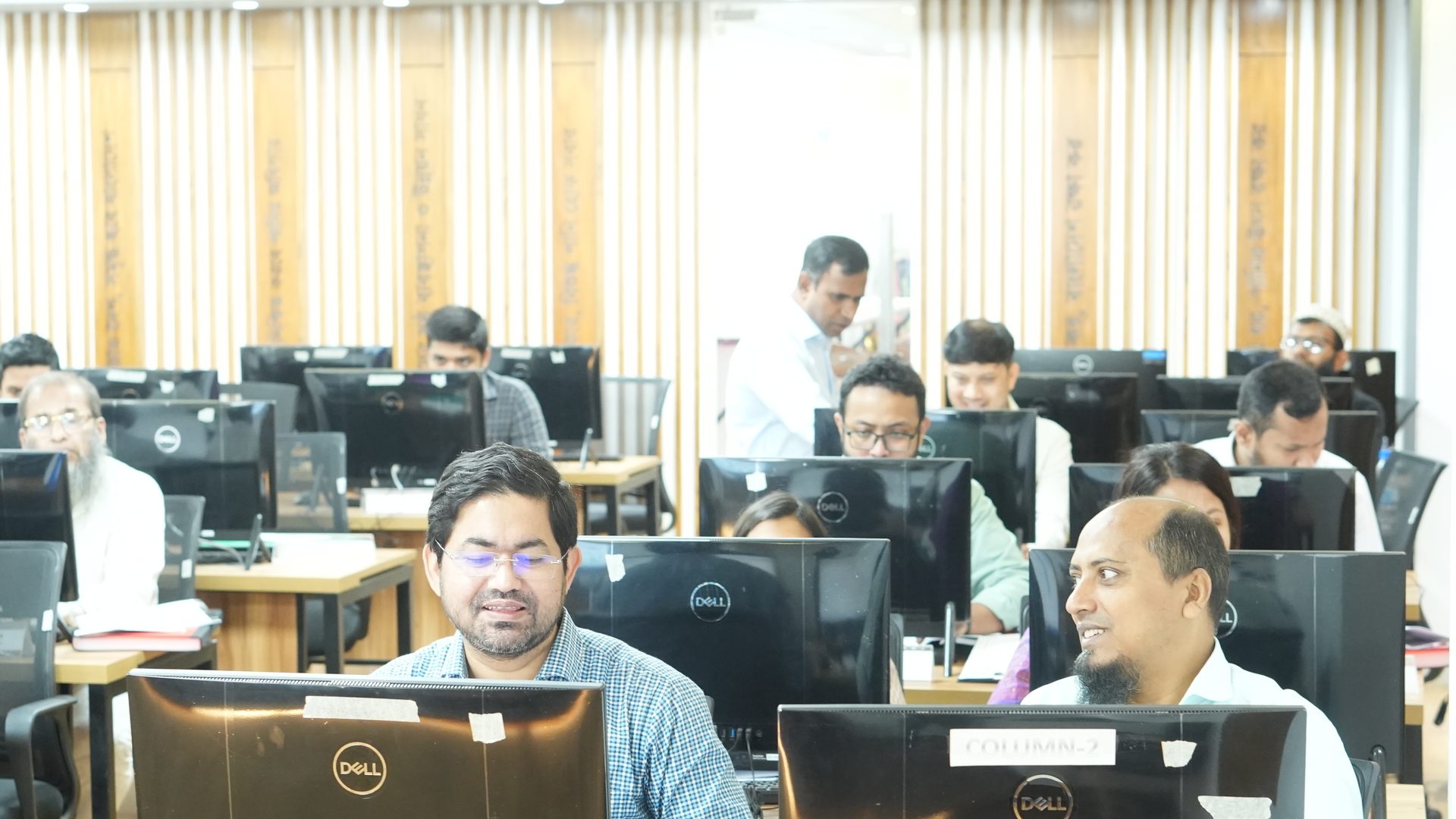
The methods listed against these sessions are unusually hands-on for a policy subject, and the venue explains why. Day 1 lists field-based survey exercises, GIS lab sessions and data processing and analysis; Day 2 lists data processing and analysis workshops and climate-resilient data interpretation sessions. Holding the course in the Central ICT Lab — a room of working terminals rather than a seminar hall — is what makes that possible: an NPV or a switching value is something you compute, not something you are told.
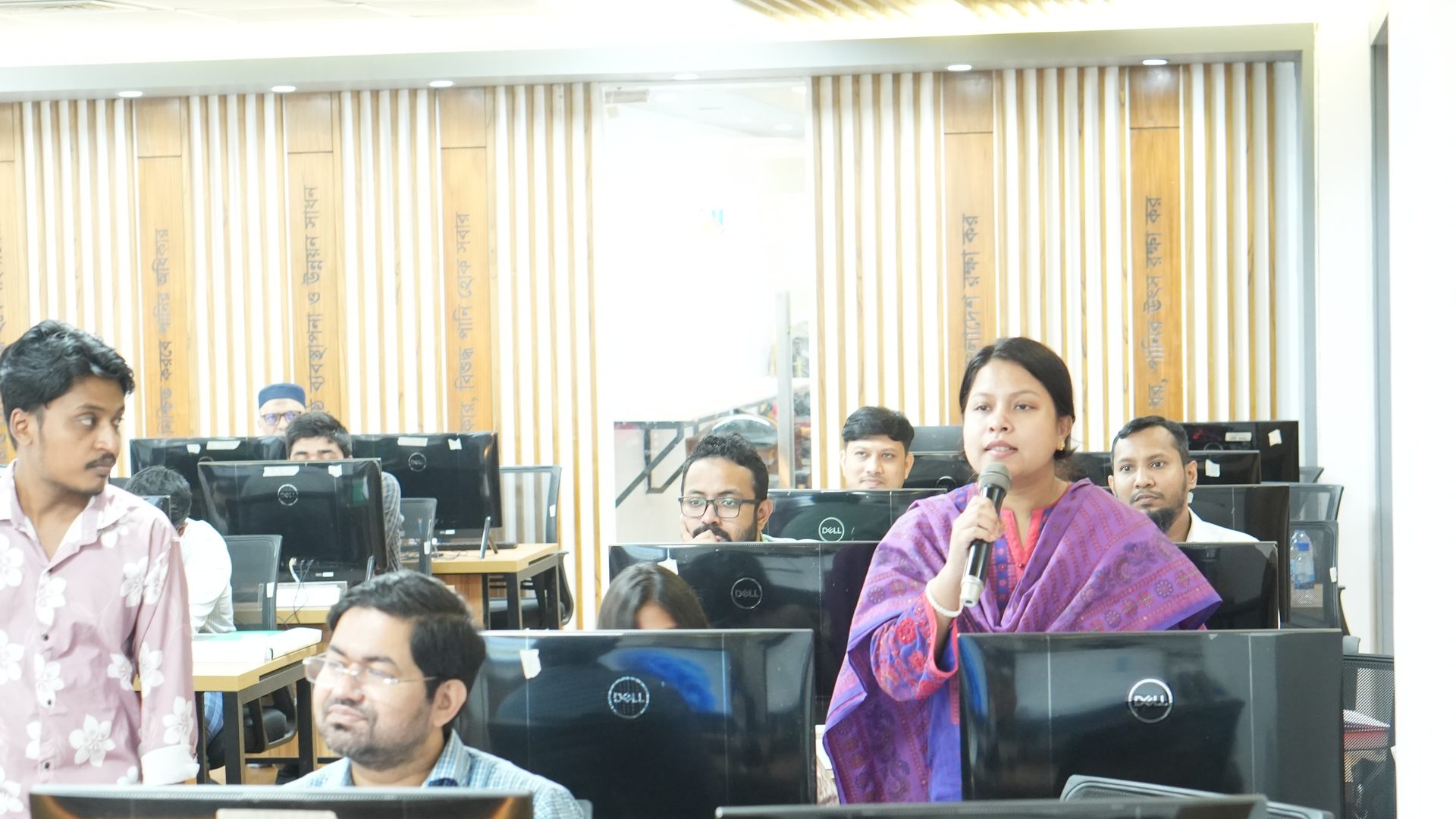
Who Was in the Room — the People Who Write the DPPs
This is the most concentrated cohort the programme has assembled: twenty-three of the twenty-five participants are serving engineers. One Superintending Engineer, seven Executive Engineers, eleven Sub-Divisional Engineers and four Assistant Engineers — civil, mechanical and electrical. The remaining two are Assistant Directors (Admin).
Where they came from matters as much as what they are. This was not a field-office cohort: it drew from the Board's design, planning and appraisal machinery and from its largest studies — the Ganges Barrage Study Project, the Dam & Barrage and River Management chief-engineer offices, Survey & Study Division, Design Circle-3, the Central GIS Directorate, the Quality Control & Assurance Cell, ICZ & Climate Change Management, and the B-Strong and CRISP-WRM projects. Eighteen directorates, divisions, circles and projects in all.
These are precisely the officers whose names appear on a DPP. Teaching NPV and shadow pricing to an Executive Engineer in the Planning office is not general professional development — it is training the author of the document on the criterion by which the document will be judged.
Full Participant Roster
Superintending Engineer (Civil)
Office of the Addl. Chief Engineer, ICZ & Climate Change Management, BWDB, DhakaExecutive Engineer (Civil)
Survey & Study Division, BWDB, DhakaExecutive Engineer (Civil)
Quality Control & Assurance Cell, West Region, BWDB, DhakaExecutive Engineer (Civil)
Rajbari WD Division, BWDB, RajbariExecutive Engineer (Civil)
CRISP-WRM, BWDB, GopalganjExecutive Engineer (Civil)
Office of the Addl. CE, Dam & Barrage, BWDB, DhakaExecutive Engineer (Civil)
Office of the Chief Engineer (Civil), Planning, BWDB, DhakaExecutive Engineer (Civil)
Office of the Chief Engineer, River Management, BWDBSub-Divisional Engineer (Civil)
CSAWMP (BWDB Part), BWDB, DhakaSub-Divisional Engineer (Civil)
CRISP-WRM, BWDB, GopalganjSub-Divisional Engineer (Civil)
Rajbari WD Division, BWDB, RajbariSub-Divisional Engineer (Mechanical)
Design Circle-3, BWDB, DhakaSub-Divisional Engineer (Civil)
Office of the Chief Engineer, Planning, BWDB, DhakaSub-Divisional Engineer (Mechanical)
Workshop Division, BWDB, Tejgaon, DhakaSub-Divisional Engineer (Mechanical)
Workshop Division, BWDB, Tejgaon, DhakaSub-Divisional Engineer (Civil)
B-Strong Project (BWDB Part), DhakaSub-Divisional Engineer (Civil)
Ganges Barrage Study Project, BWDB, DhakaSub-Divisional Engineer (Civil)
Ganges Barrage Study Project, BWDB, DhakaSub-Divisional Engineer (Mechanical)
Design Circle-3, BWDB, DhakaAssistant Engineer (Civil)
Central GIS Directorate, BWDB, DhakaAssistant Engineer (Mechanical/Electrical)
Construction & Instrumentation Division, BWDB, DhakaAssistant Engineer (Civil)
CSAWM (BWDB Part) Project, DhakaAssistant Director (Admin)
Directorate of Security & Intelligence, BWDB, DhakaAssistant Director (Admin)
Office of the Chief Engineer, Central Zone, BWDB, DhakaAssistant Engineer (Mechanical)
P&D Mechanical Circle, BWDB, DhakaA cadre taking shape: seven of these twenty-five officials had already attended an earlier batch in the programme. Sharmin Haque, Assistant Engineer (Civil) at the CSAWM Project, has now completed four courses across both packages — IWRM, the Participatory Water Management Rules 2014, Project Management and this one — and Uttam Kumar Poddar, Sub-Divisional Engineer at Rajbari WD Division, has completed three. Across 75 batches, that accumulation is the point: an officer who holds the governance framework, the community framework, the delivery framework and now the appraisal framework together.
Opening & Closing
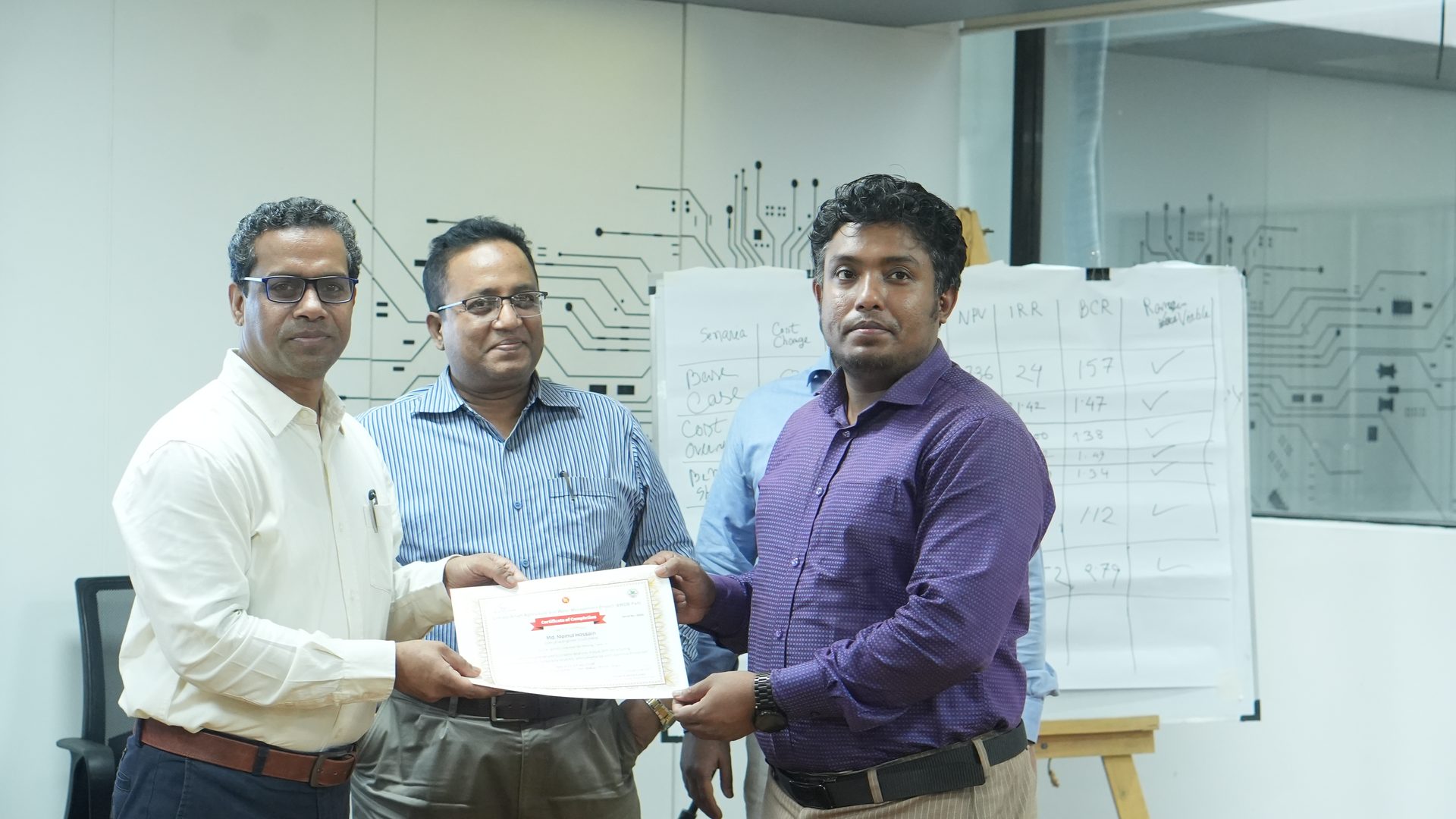
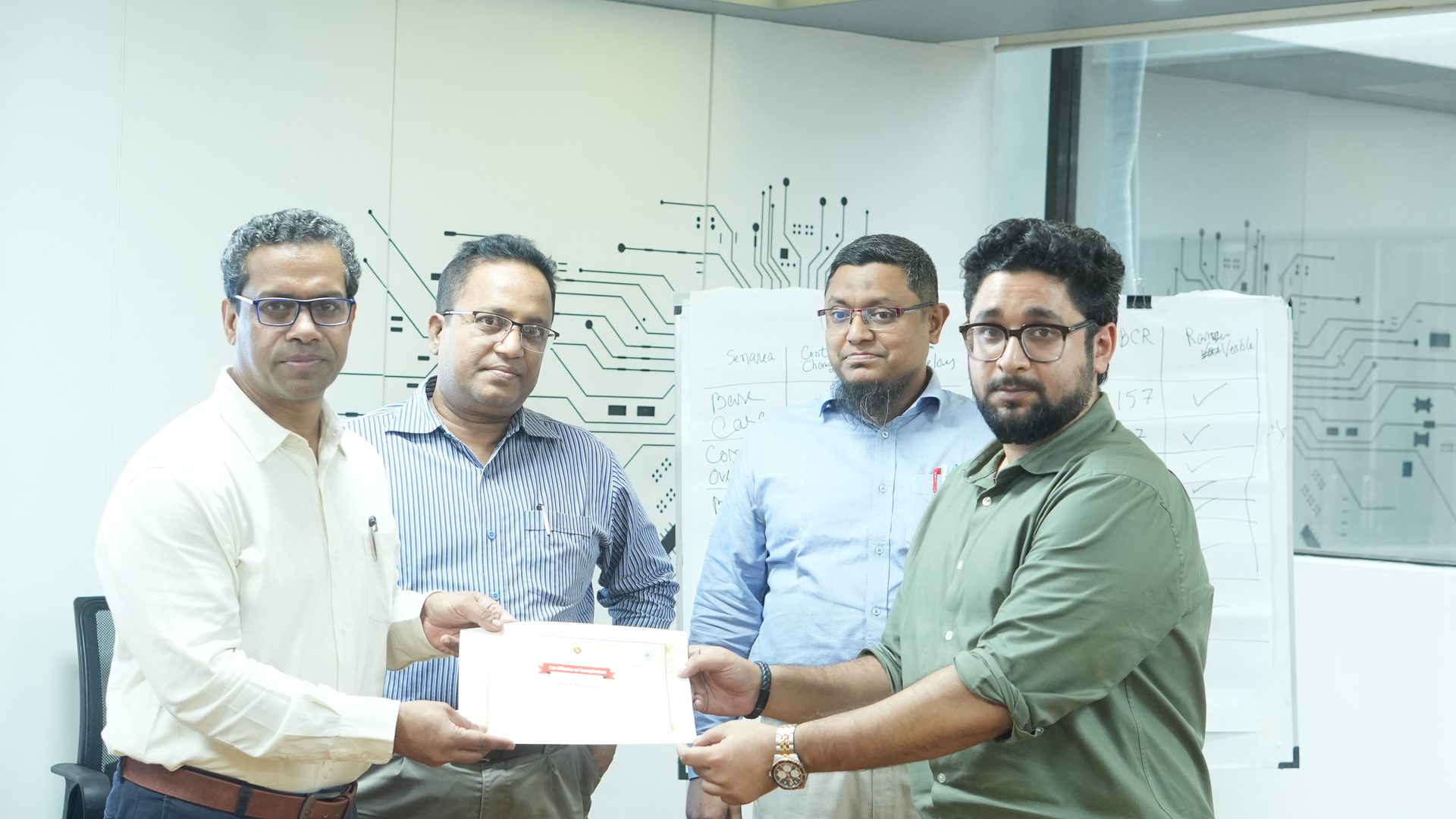
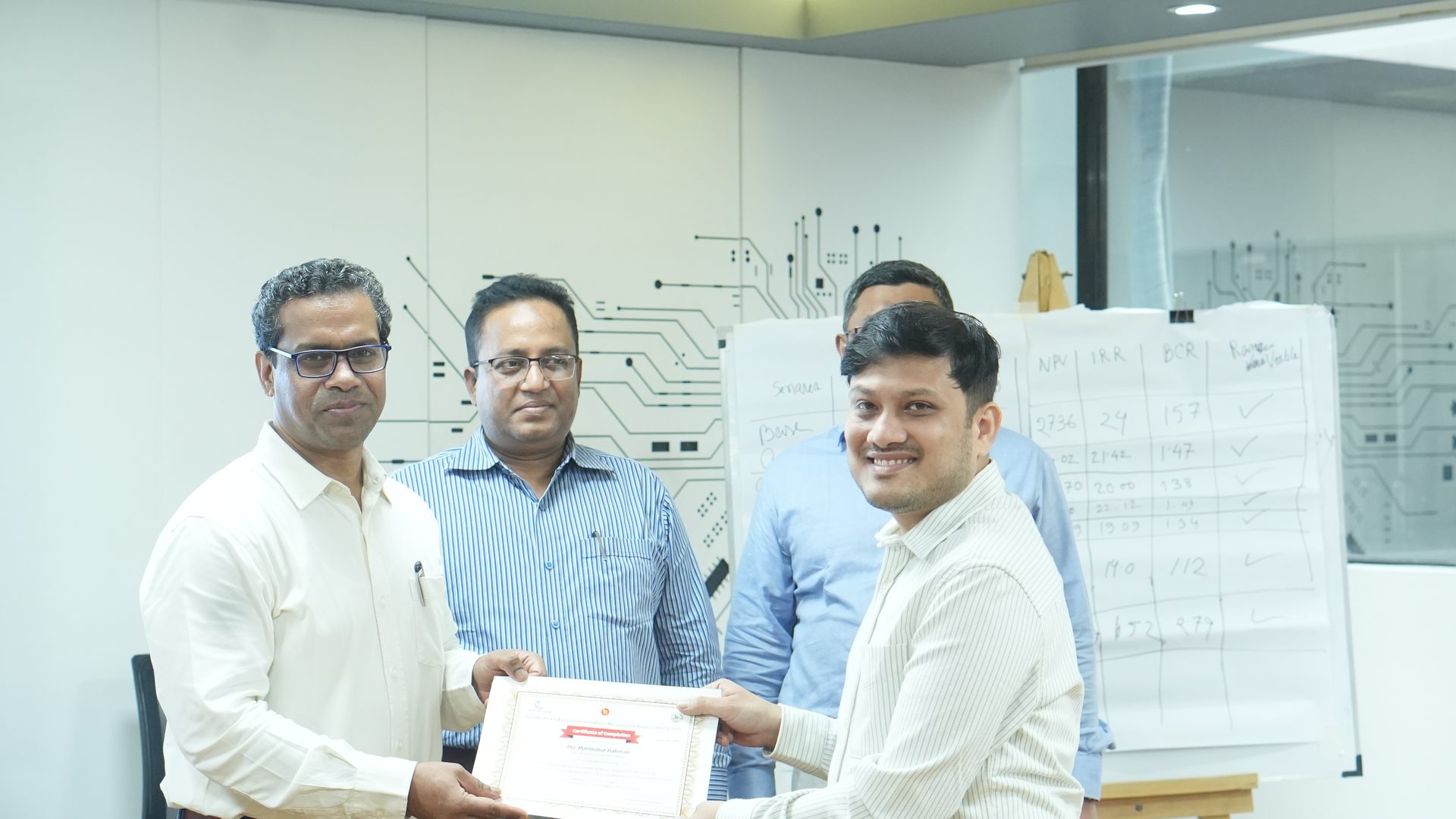
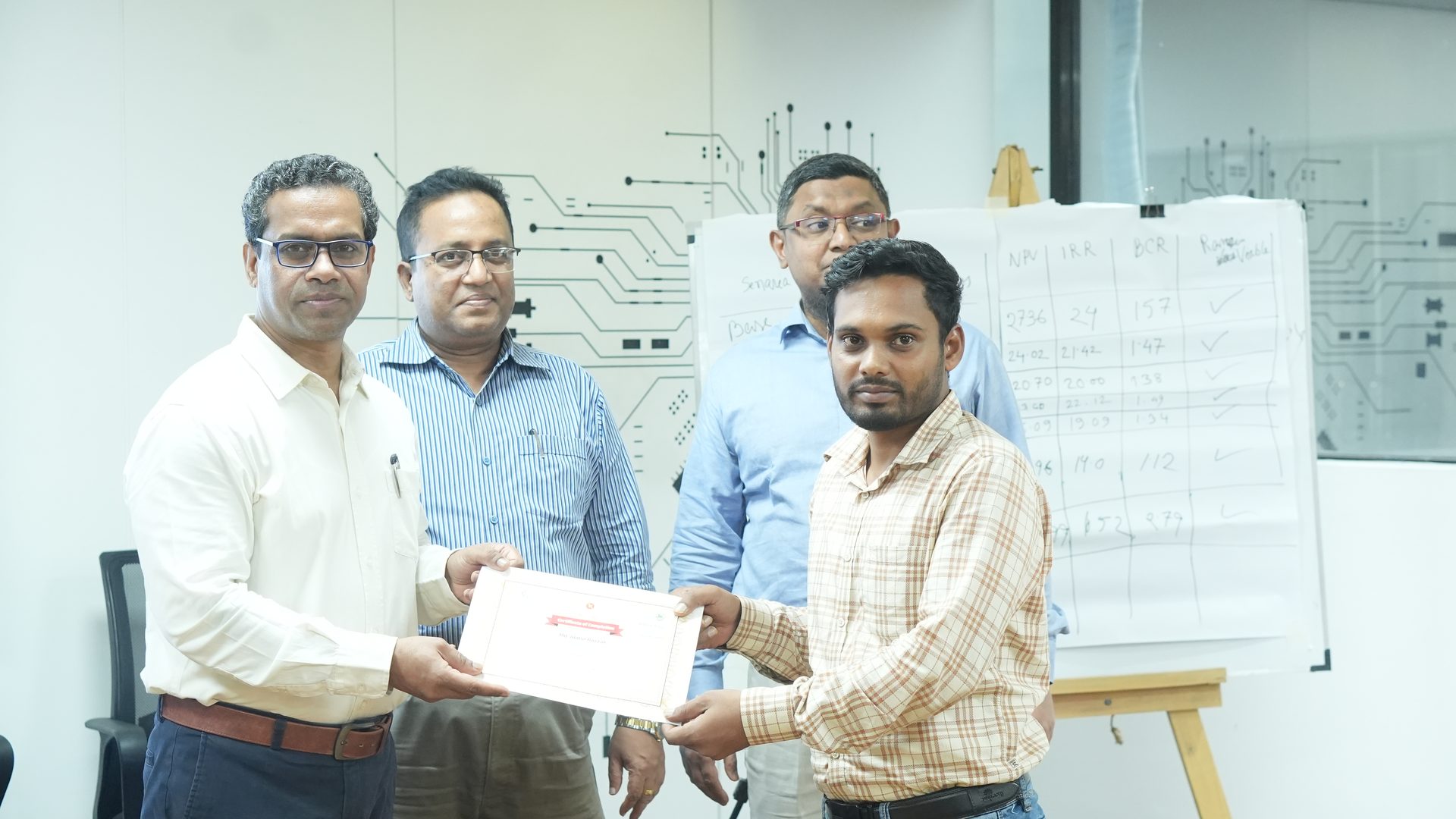
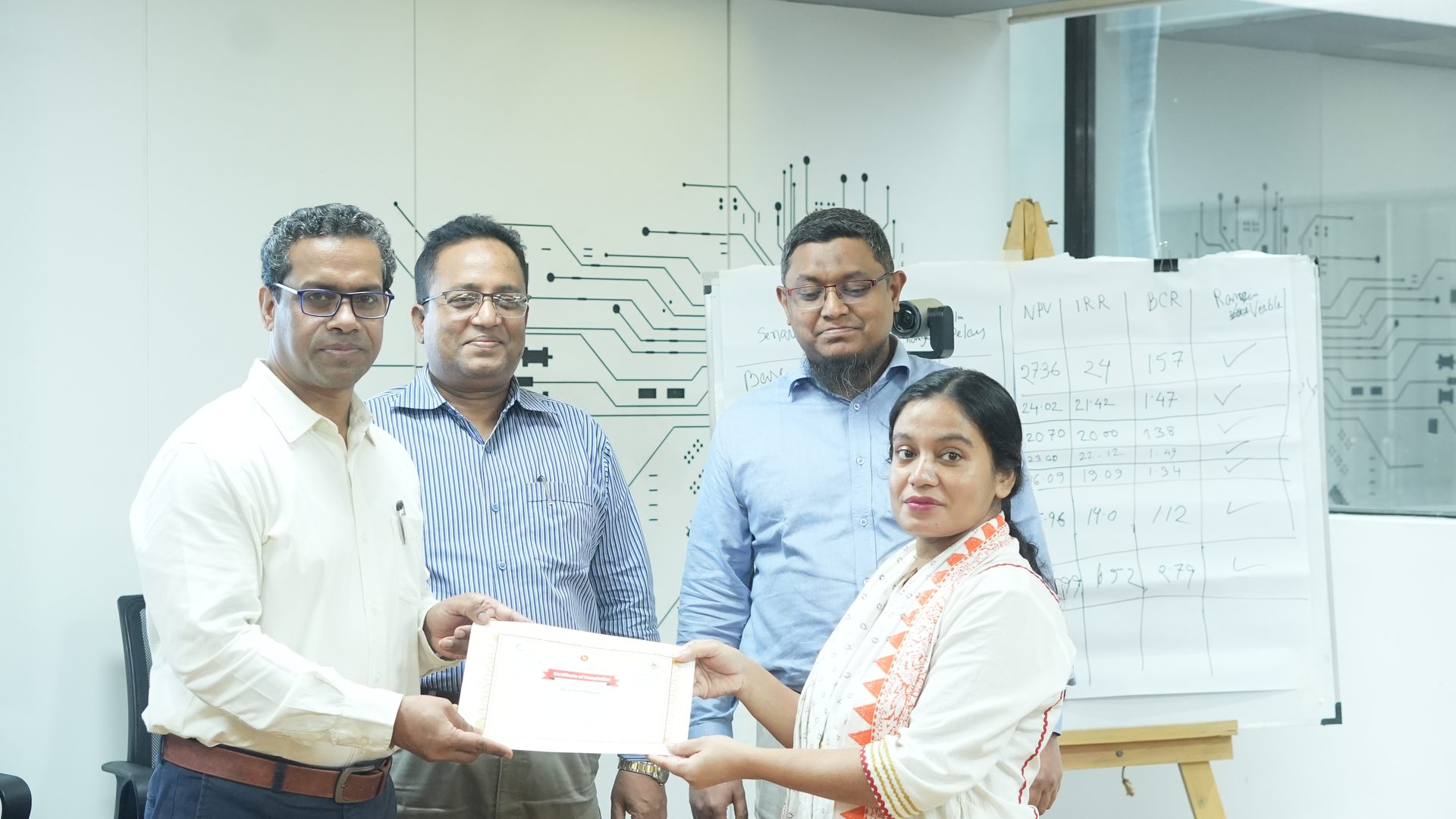
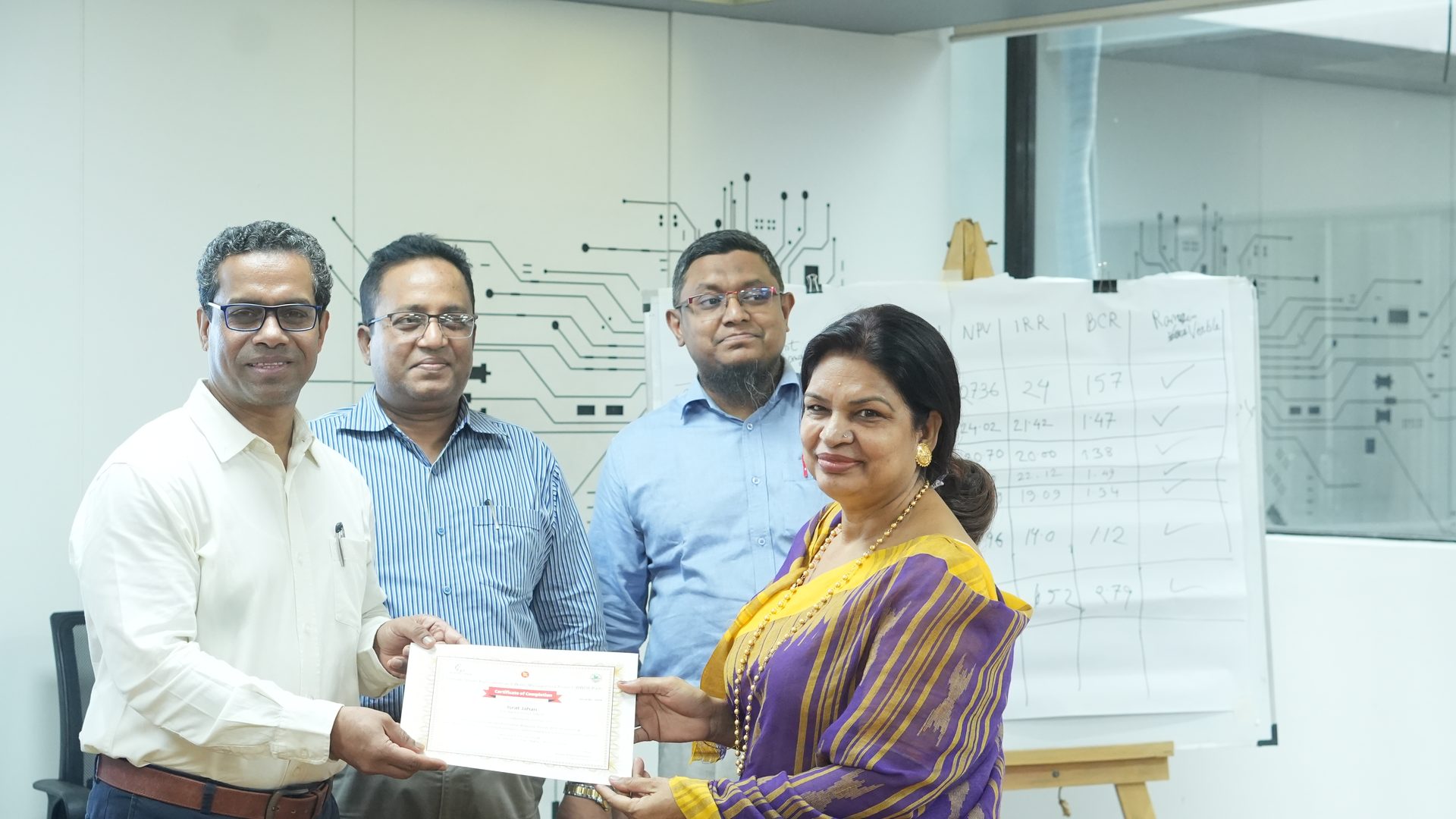
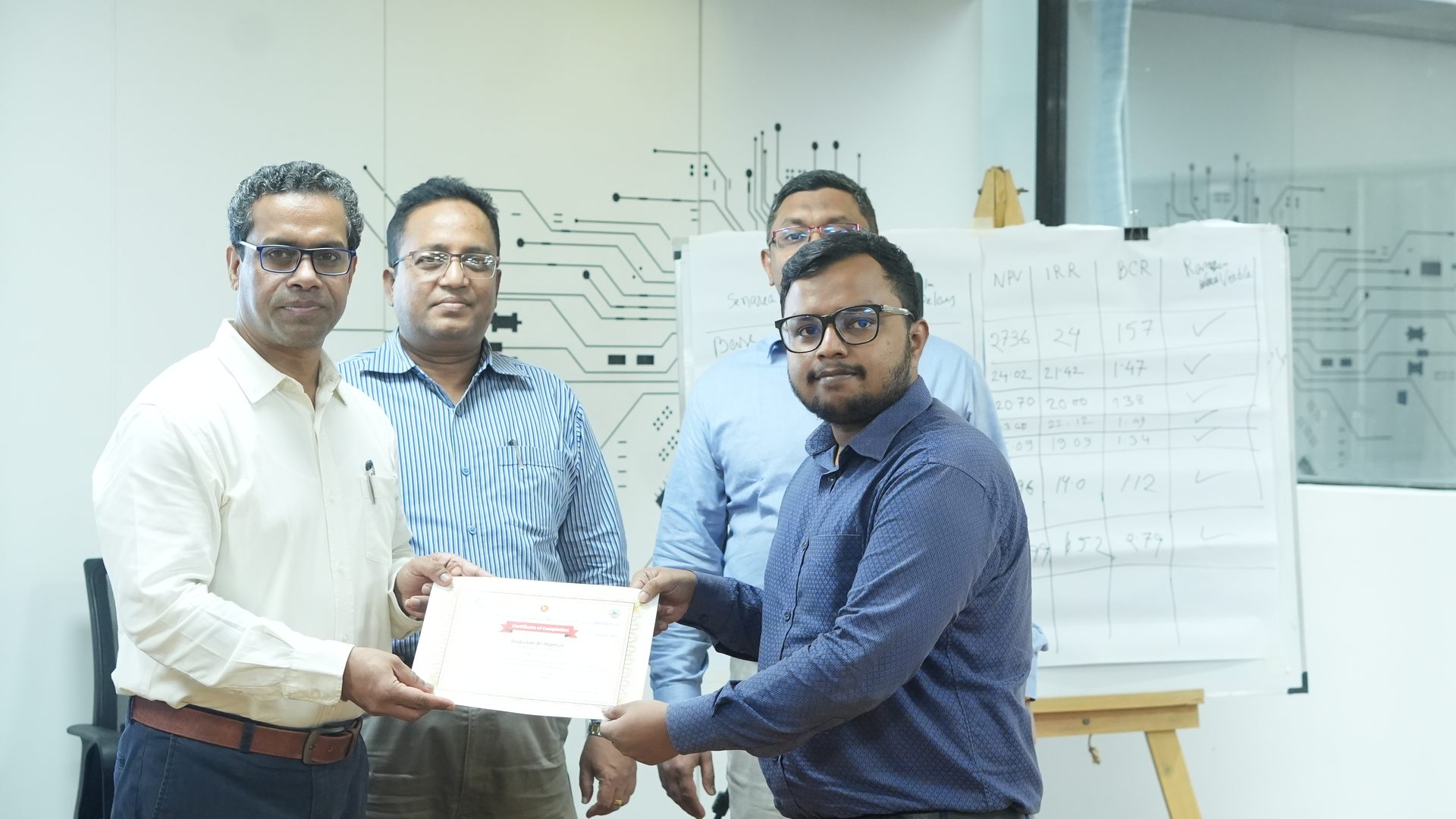
The Project Director opened the course from the head table on the morning of 22 July and returned on the afternoon of 23 July to close it and distribute certificates to all twenty-five participants.
The Course in Pictures
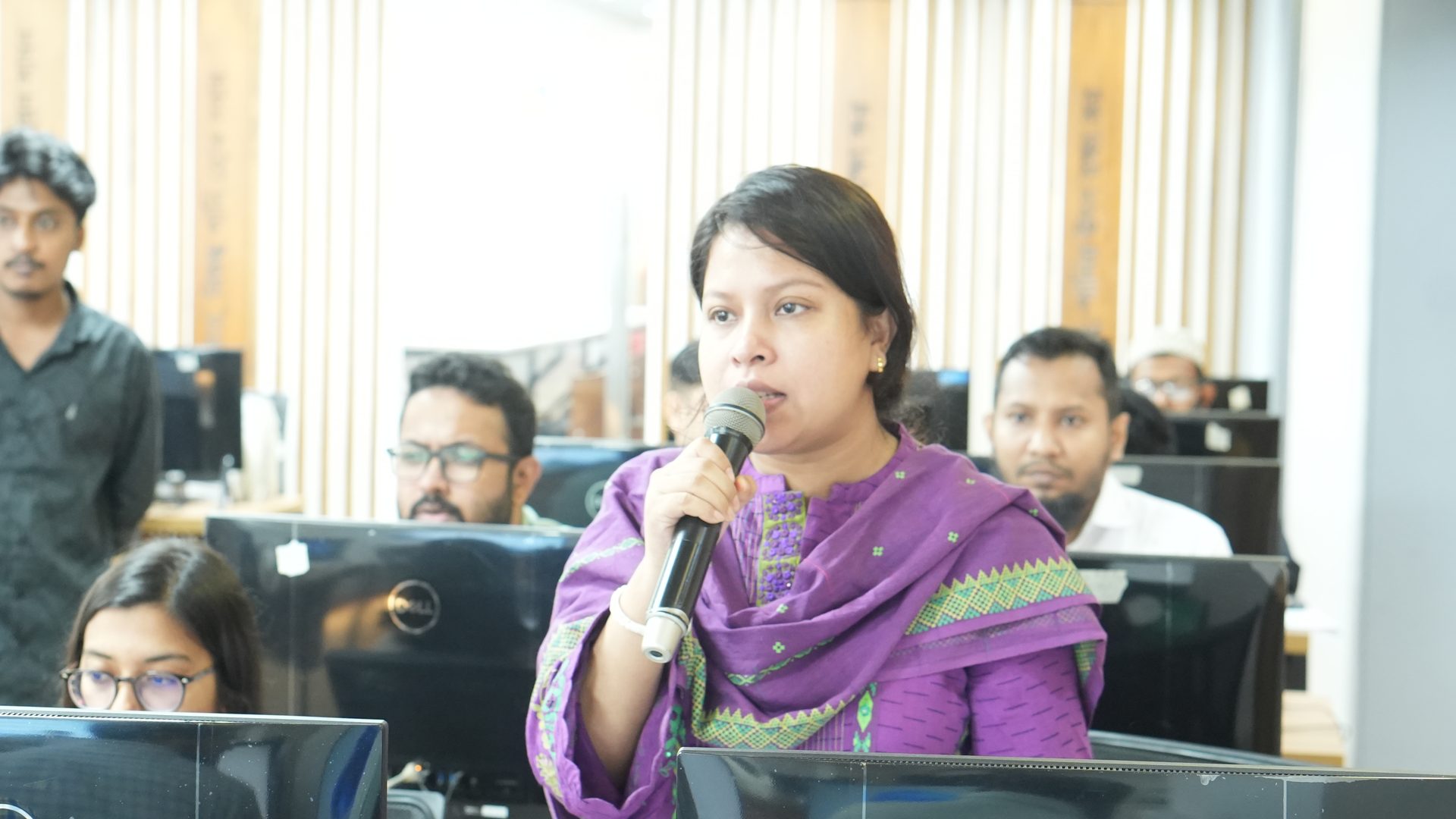
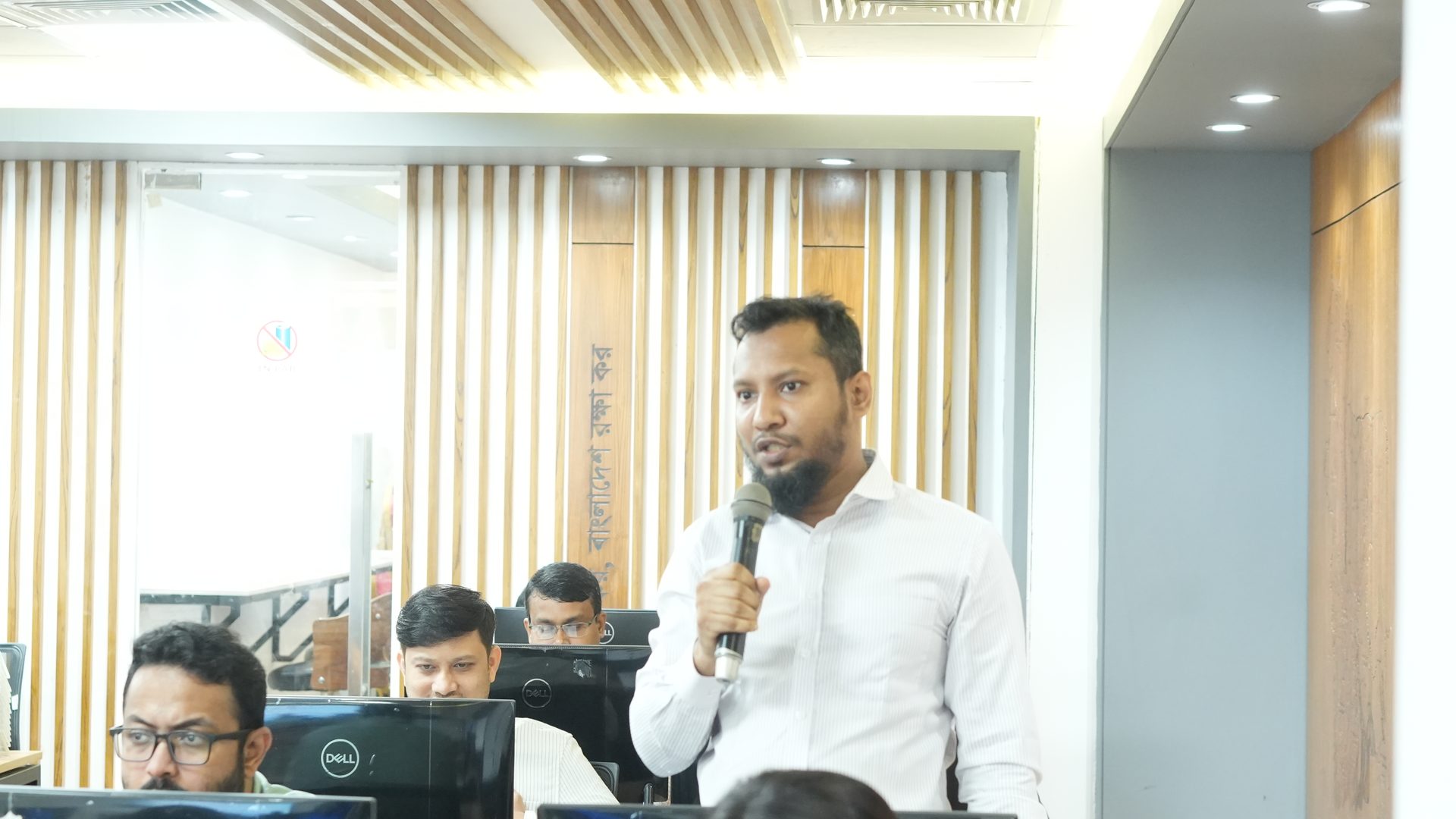
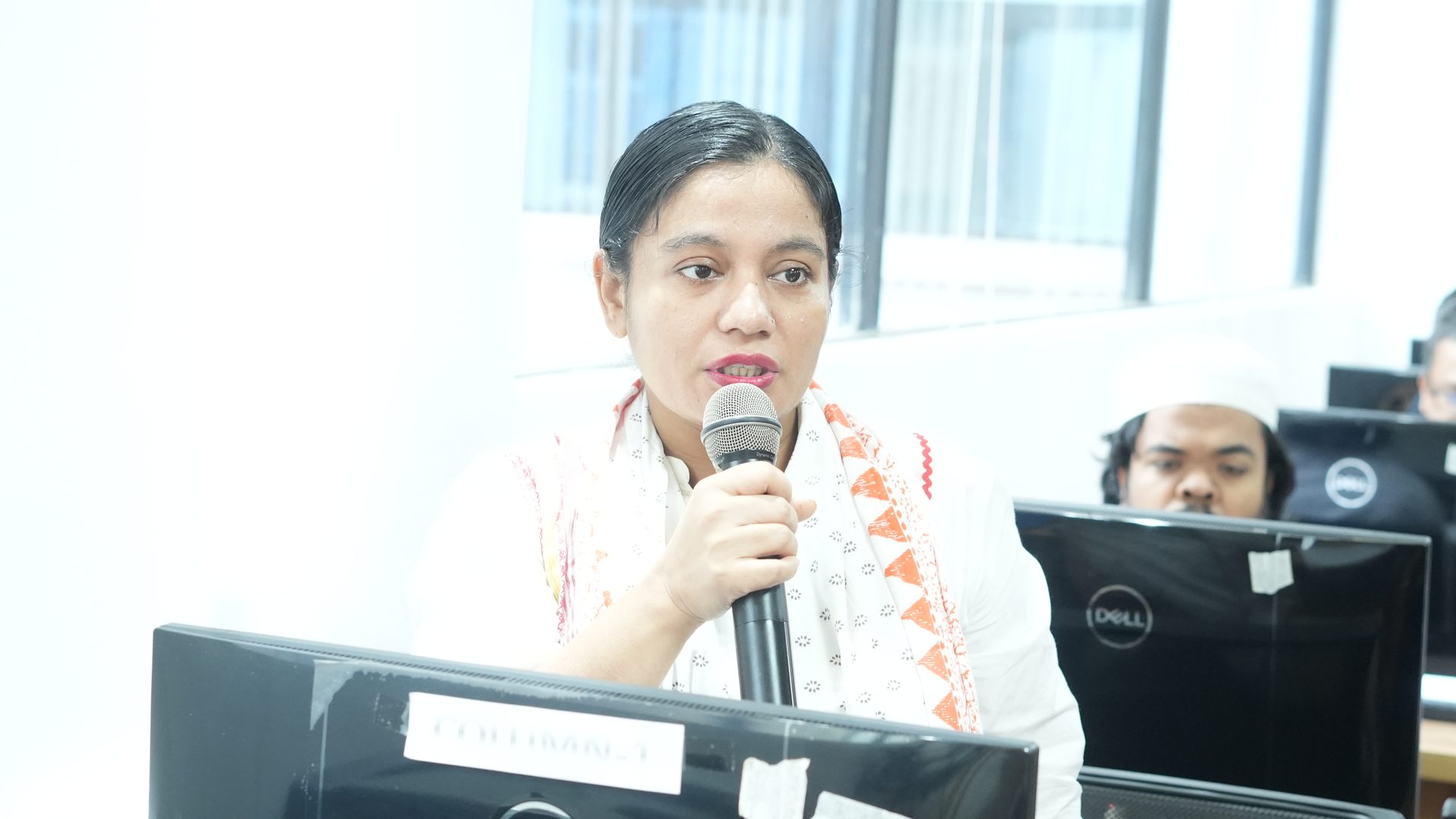
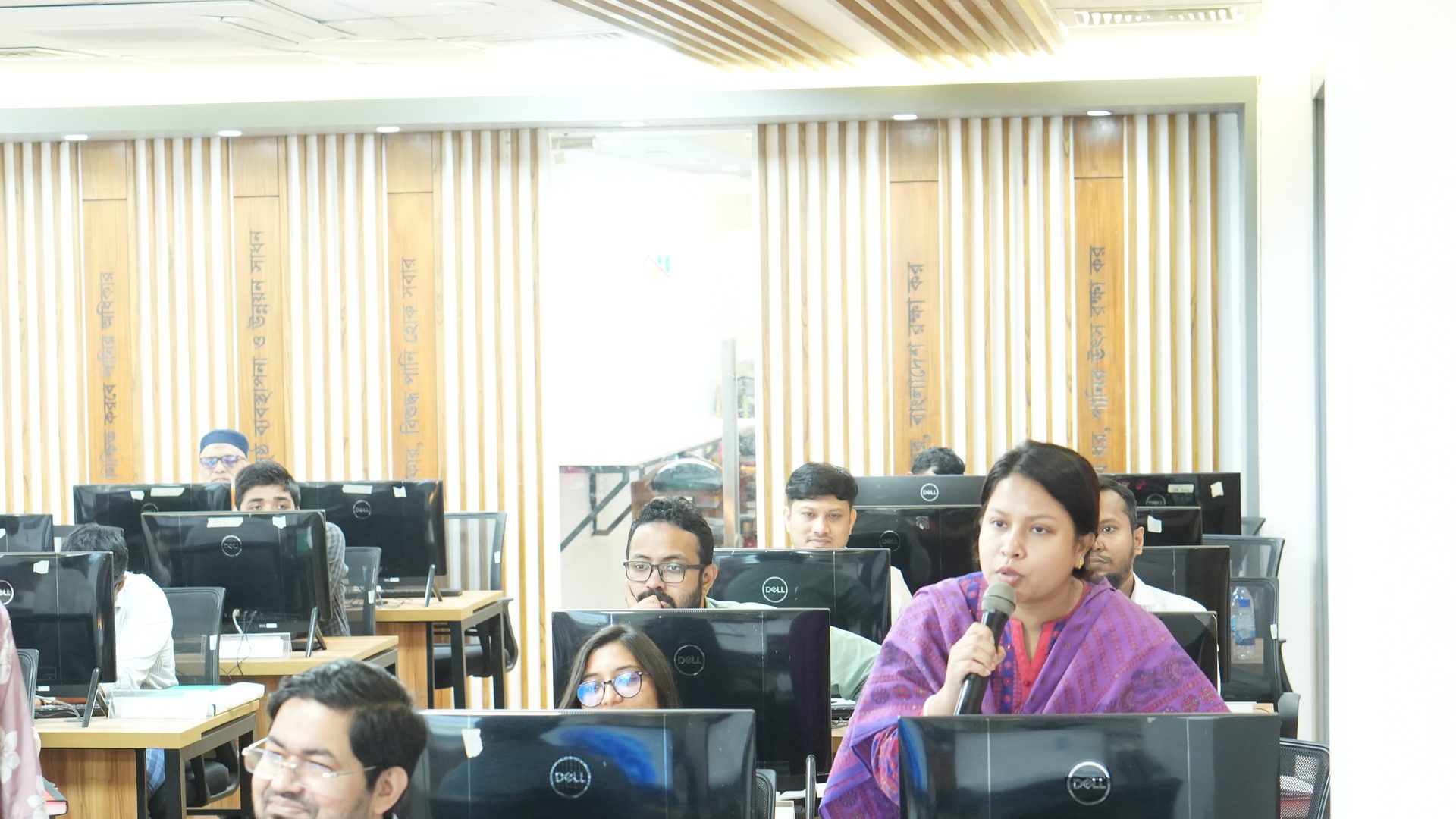
Thirteen further photographs from the two days at the Central ICT Lab, Pani Bhaban — the opening introductions, the eight technical sessions and the certificate ceremony.
Why This Matters
Bangladesh does not have a shortage of water infrastructure ideas. It has a queue of them, competing for a finite development budget, each one arguing its case in a standard format against standard economic tests. The scheme that gets built is not necessarily the best-engineered one — it is the one whose DPP survives appraisal.
That is an uncomfortable fact for an engineering organisation, and it is exactly why this course belongs in the programme. An Executive Engineer who can design a regulator but cannot defend its benefit-cost ratio, or who has never had to justify a discount rate against national guidelines, will watch better-argued proposals from other agencies clear the Planning Commission first. Teaching shadow pricing to the officer who values avoided flood damage, and switching values to the officer who has to say what happens if material costs rise 20 per cent, moves the argument from assertion to arithmetic.
Under the Climate-Smart Agriculture and Water Management Project the stakes are sharper still. Climate adaptation benefits — a flood that does not happen, a saline intrusion held back — are precisely the kind of indirect, hard-to-monetise benefits that a weak economic analysis undercounts and a strong one captures. Whether Bangladesh's delta gets the adaptation infrastructure it needs depends, in part, on whether the engineers writing those DPPs can put a defensible number on a disaster that was avoided.
More from this Programme
Programme Snapshot
| Field | Detail |
|---|---|
| Course Title | DPP Preparation and Economic Analysis — Focus: DPP structuring, cost-benefit analysis, sensitivity analysis, and compliance with approval processes |
| Batch Reference | CSAWMP-WDB-PCU-WD-22-3-DPP-01 — Package 22, Batch 3 |
| Duration | 2 days — 22 to 23 July 2026 |
| Venue | Central ICT Lab (Level-11), Pani Bhaban, BWDB, 72 Green Road, Dhaka-1205 |
| Participants | 25 officials of the Bangladesh Water Development Board (23 serving engineers) |
| Ministry | Ministry of Water Resources, Government of the People's Republic of Bangladesh |
| Implementing Agency | Bangladesh Water Development Board (BWDB) |
| Project | Climate-Smart Agriculture and Water Management Project (CSAWM Project), BWDB Part |
| Source of Fund | CSAWM Project (BWDB Part) |
| Project Director | Pijush Krishna Kundu, Additional Chief Engineer (Civil) |
| Course Coordinator | Abdul Ahad, Executive Engineer, CSAWM (BWDB Part) Project |
| Sessions | 8 technical sessions across 2 days, four sessions per day |
| Resource Persons | 4 — including a Deputy Secretary of the Ministry of Health and Family Welfare and the Director of BWDB's Directorate of Economic Evaluation |
| Training Service Provider | Management and Training International Ltd. (MTI Ltd.) |
| Country | Bangladesh |
Frequently Asked Questions
What is a DPP and what did the training cover?
A Development Project Proposal (DPP) is the mandatory document through which a Bangladeshi government agency seeks approval and funding for a development project. The two-day course covered DPP structuring — objectives, logical framework matrix, technical feasibility, financial and physical targets and institutional arrangements; cost-benefit analysis including market price valuation, shadow pricing, discounting, net present value, internal rate of return and benefit-cost ratio; sensitivity analysis including scenario testing, switching values and risk assessment; and compliance with Planning Commission and Ministry of Finance approval processes.
Who attended the training and where was it held?
Twenty-five officials of the Bangladesh Water Development Board attended at the Central ICT Lab, Level-11, Pani Bhaban, 72 Green Road, Dhaka, on 22 and 23 July 2026. Twenty-three of them were serving engineers — one Superintending Engineer, seven Executive Engineers, eleven Sub-Divisional Engineers and four Assistant Engineers — drawn from eighteen directorates, divisions, circles and major projects.
Why was a Deputy Secretary from the Ministry of Health teaching a water-sector course?
DPP preparation is a cross-government discipline governed by Planning Commission formats rather than sectoral engineering practice. Fatima-Tuz-Jhora Thakur, Deputy Secretary (Health-3) of the Health Service Division, Ministry of Health and Family Welfare, delivered all four of Day 1 on DPP structuring and cost-benefit analysis — the first resource person in the programme drawn from outside the water sector.
What economic analysis methods were taught?
Identification of direct costs and indirect benefits such as flood protection and livelihood improvement; economic valuation by market price approach and shadow pricing; discount rate selection aligned with national guidelines; net present value calculation; internal rate of return estimation against a profitability threshold; benefit-cost ratio analysis; and sensitivity techniques including best- and worst-case scenario testing, break-even analysis, variable tolerance ranges and probabilistic modelling.
Who funded and organised the course?
The course was funded by the Climate-Smart Agriculture and Water Management Project (CSAWM Project), BWDB Part, under the Bangladesh Water Development Board, Ministry of Water Resources. Management and Training International Ltd. (MTI Ltd.) served as the training service provider under reference CSAWMP-WDB-PCU-WD-22-3-DPP-01.
How many batches will be delivered under Package 21 and Package 22?
75 training batches are planned across Package 21 (40 batches) and Package 22 (35 batches) of the CSAWM Project (BWDB Part). This was the third batch of Package 22 and the fifth course in the programme overall.